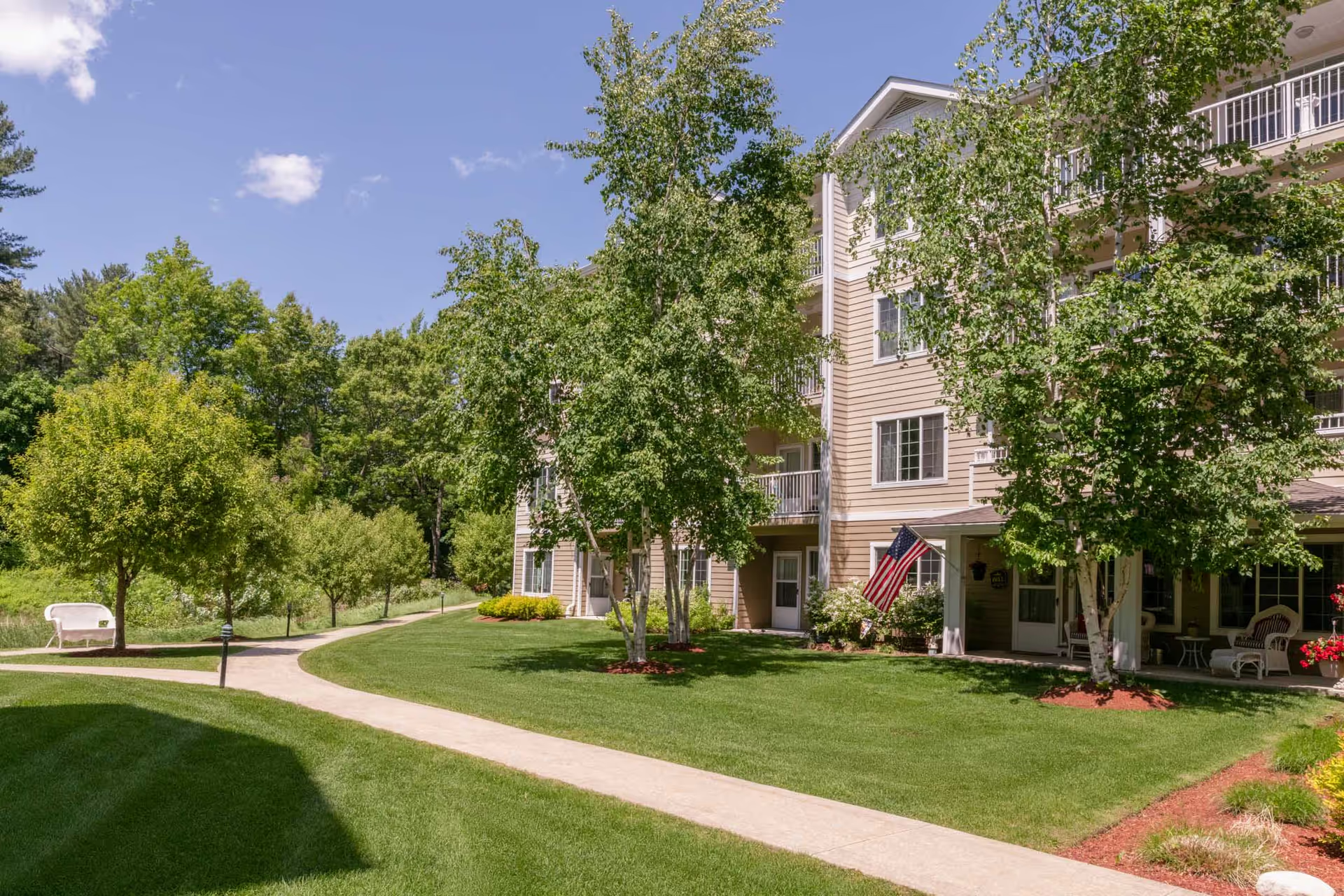
Reviews describe a facility with a generally welcoming, home-like atmosphere and many positive experiences across rehabilitation, respite, assisted living, and long-term care. Families commonly praise personalized attention, kind staff, and residents’ comfort and well-being. Several accounts describe successful recovery support, with physical, occupational, and speech therapy helping residents regain strength and function. Other families value familiar staff and individualized activities over extended stays.
Staff are often described as friendly, attentive, compassionate, and easy to approach. Positive accounts also note helpful communication with families and responsive assistance with questions or requests. However, critical accounts describe uneven staff communication and concerns about clinical oversight, timely response to changing conditions, and keeping families informed. Specific concerns include dementia-care capability, adherence to assessed transfer and meal-assistance needs, and notification practices during serious health changes. One family also raised allegations of inappropriate staff conduct and concerns about a missing medication patch and personal belongings. These accounts are serious but differ from the many positive descriptions of care; reviews alone do not establish how broadly these issues apply.
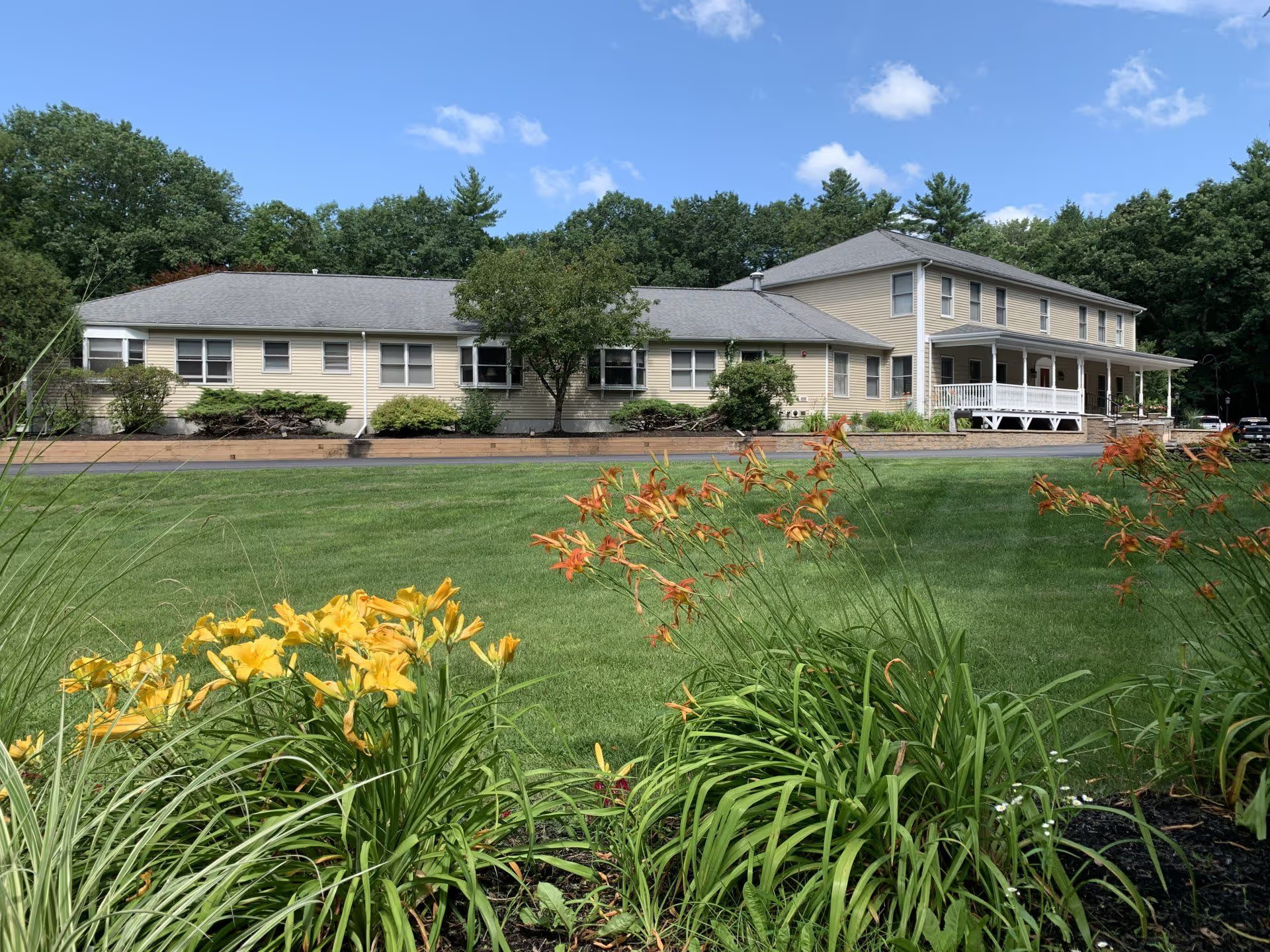
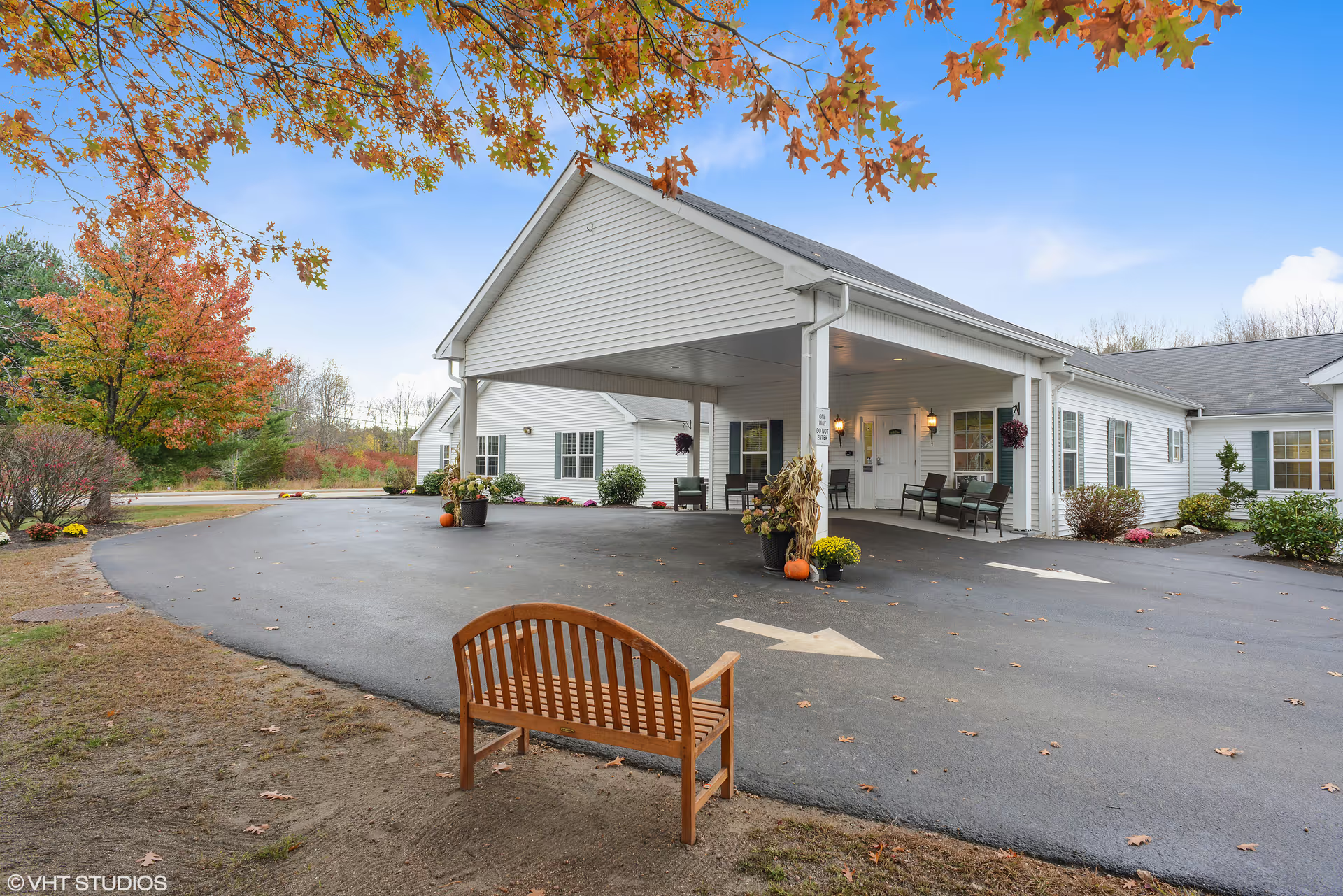
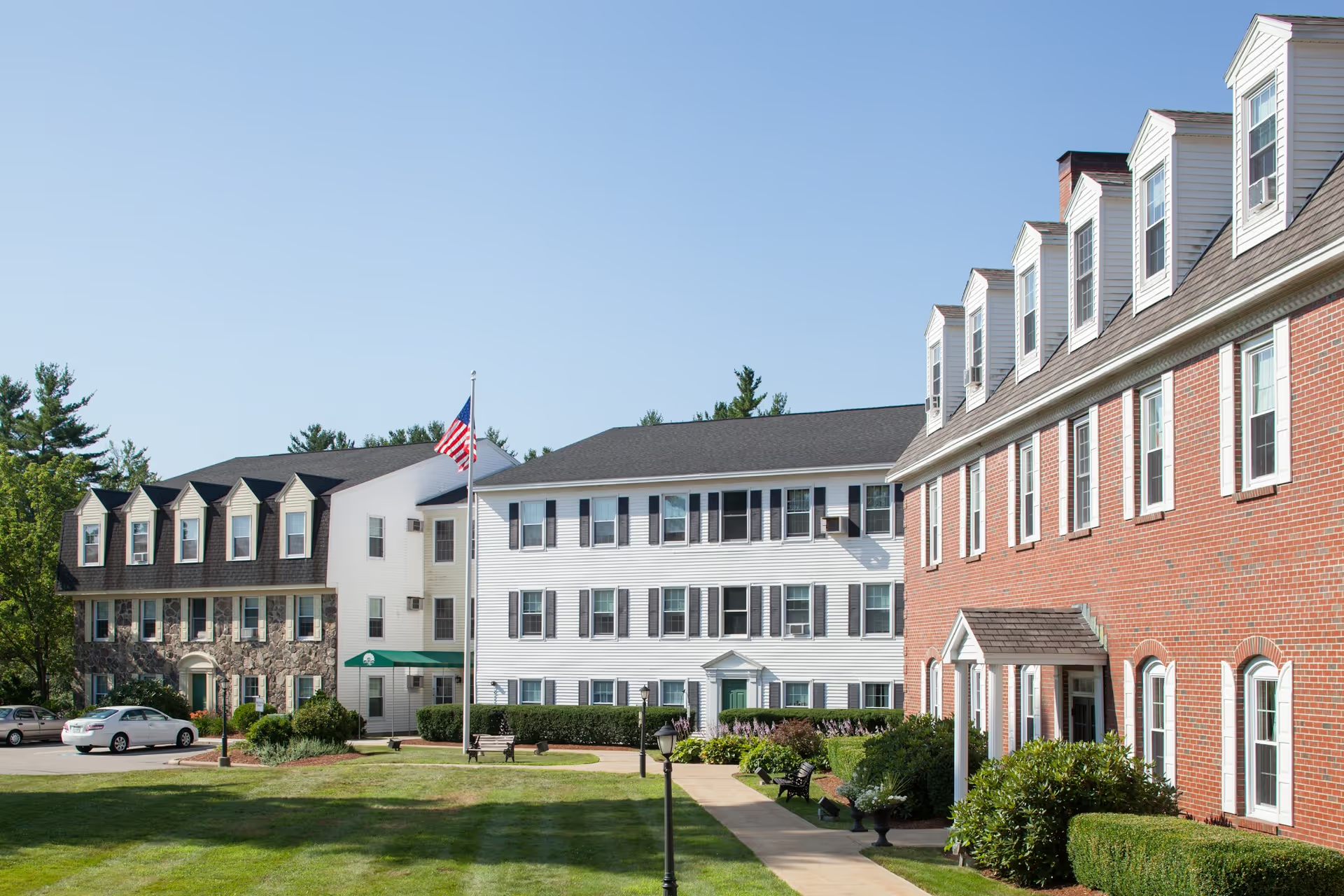
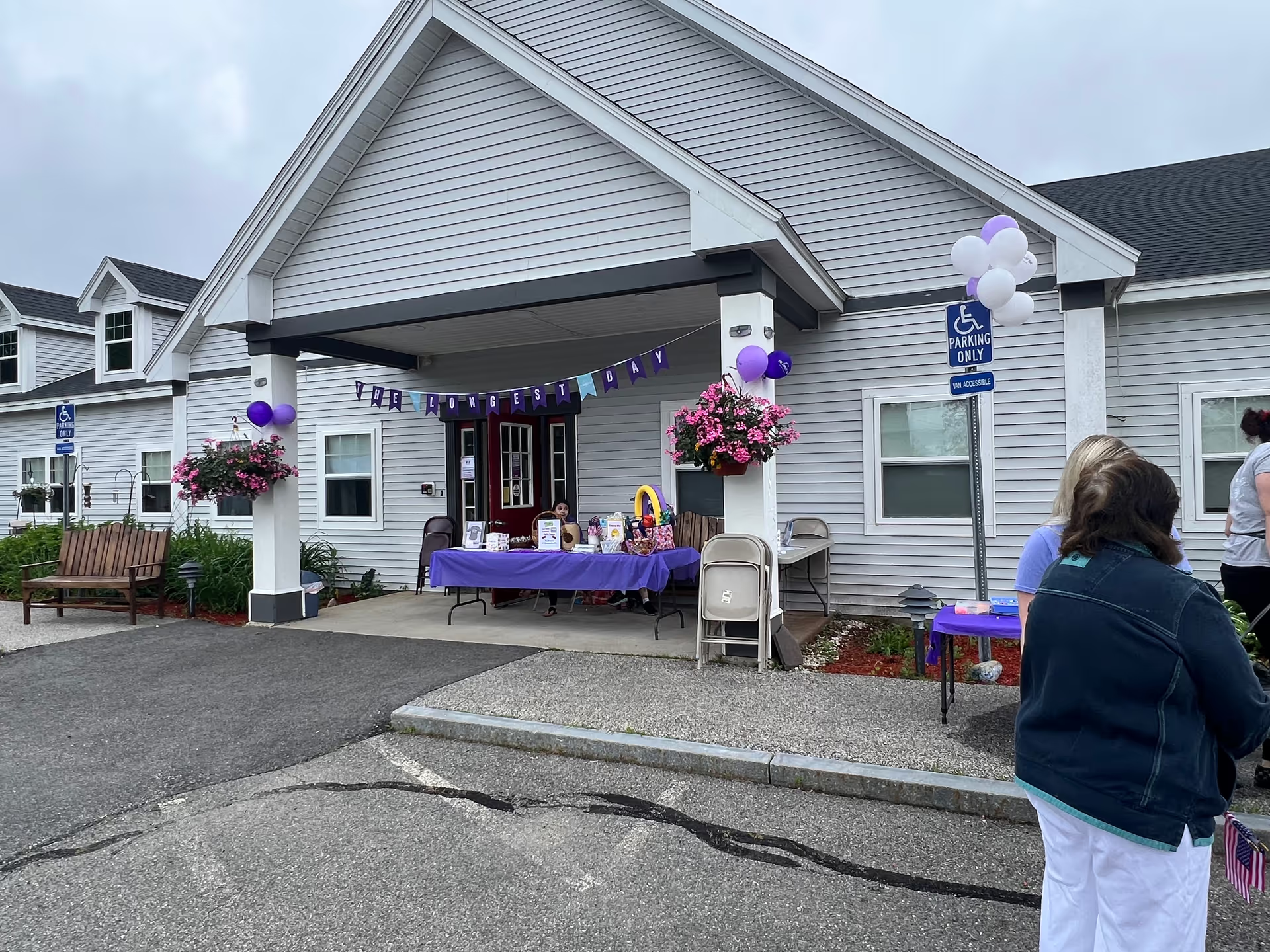
Dining receives favorable comments for food quality, variety, dietary options, a café, and homemade snacks. Residents and visitors also describe activities, therapy, a library, snack areas, and comfortable spaces for socializing or private visits. The facility is frequently characterized as clean, bright, and well maintained, with attractive common areas and a residential feel.
Management experiences are mixed. Some families praise owners and managers for being accessible, arranging hospice support, and making time for discussions. Other accounts describe difficulties with billing, collections, Medicaid application assistance, and placement or transition decisions, including concerns about different treatment as a resident’s ability to pay changed. Hospice coordination is also described positively in one account and as unavailable when needed in another. The telephone directory and extension system were identified as difficult to use. Prospective residents and families may wish to ask about clinical escalation and family-notification procedures, dementia-care supports, transfer assistance, billing and Medicaid guidance, and the availability of hospice services.