Reviewers express a mix of strong positive experiences and serious concerns, producing a polarized picture of care quality. On the positive side, many families and long-term residents praise the caregiving team: nurses and nurse aides are frequently described as kind, patient, and attentive. Several accounts cite consistent, compassionate direct care that provides peace of mind to families, and reviewers characterize the environment as clean, home-like, and safe. The admissions experience and day-to-day interactions with front-line staff are also often described as helpful and accommodating.
At the clinical level there are two distinct themes. First, many comments indicate reliable, high-quality routine care and adequate meal service; these aspects contribute to suitability for both short- and long-term stays. Second, there are specific but serious concerns about clinical oversight and wound/infection management in a subset of accounts. These concerns include delays or lapses in escalation of care and dissatisfaction with how some clinical issues were handled. Those accounts are sufficiently serious that prospective families should ask targeted questions about wound-care protocols, infection-control practices, and escalation pathways when evaluating the facility.
Communication and management responsiveness emerge as another mixed area. Multiple reviewers praise individual staff members and day-to-day interactions, yet others describe poor follow-up on family inquiries and inconsistent callbacks. There are also reports of restrictive visitation or access procedures during incidents; this suggests that incident-response protocols and family-notification processes may be uneven and worth clarifying before placement. Additionally, there are allegations of serious operational failures that have attracted attention; this raises questions about legal or regulatory exposure and about how leadership addresses and learns from adverse events.
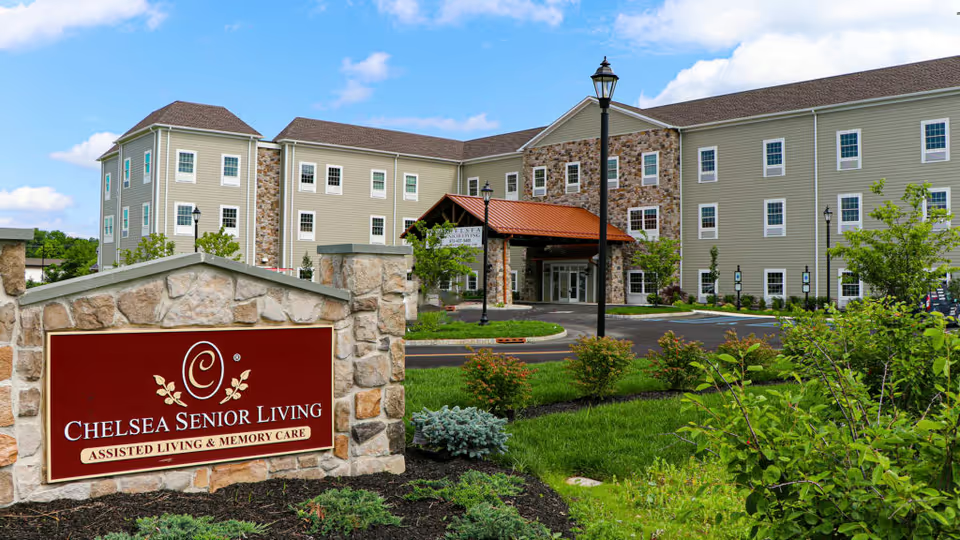
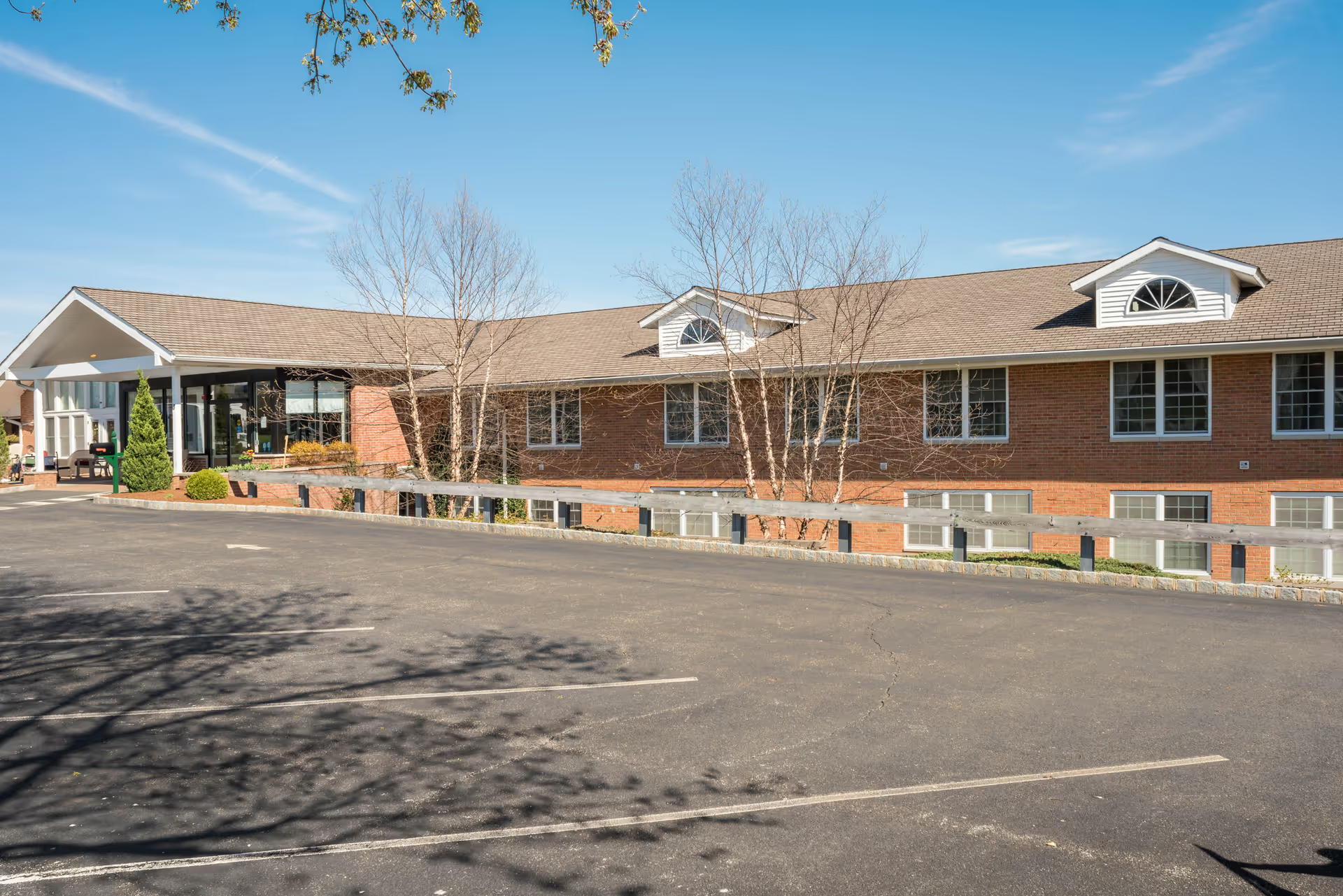
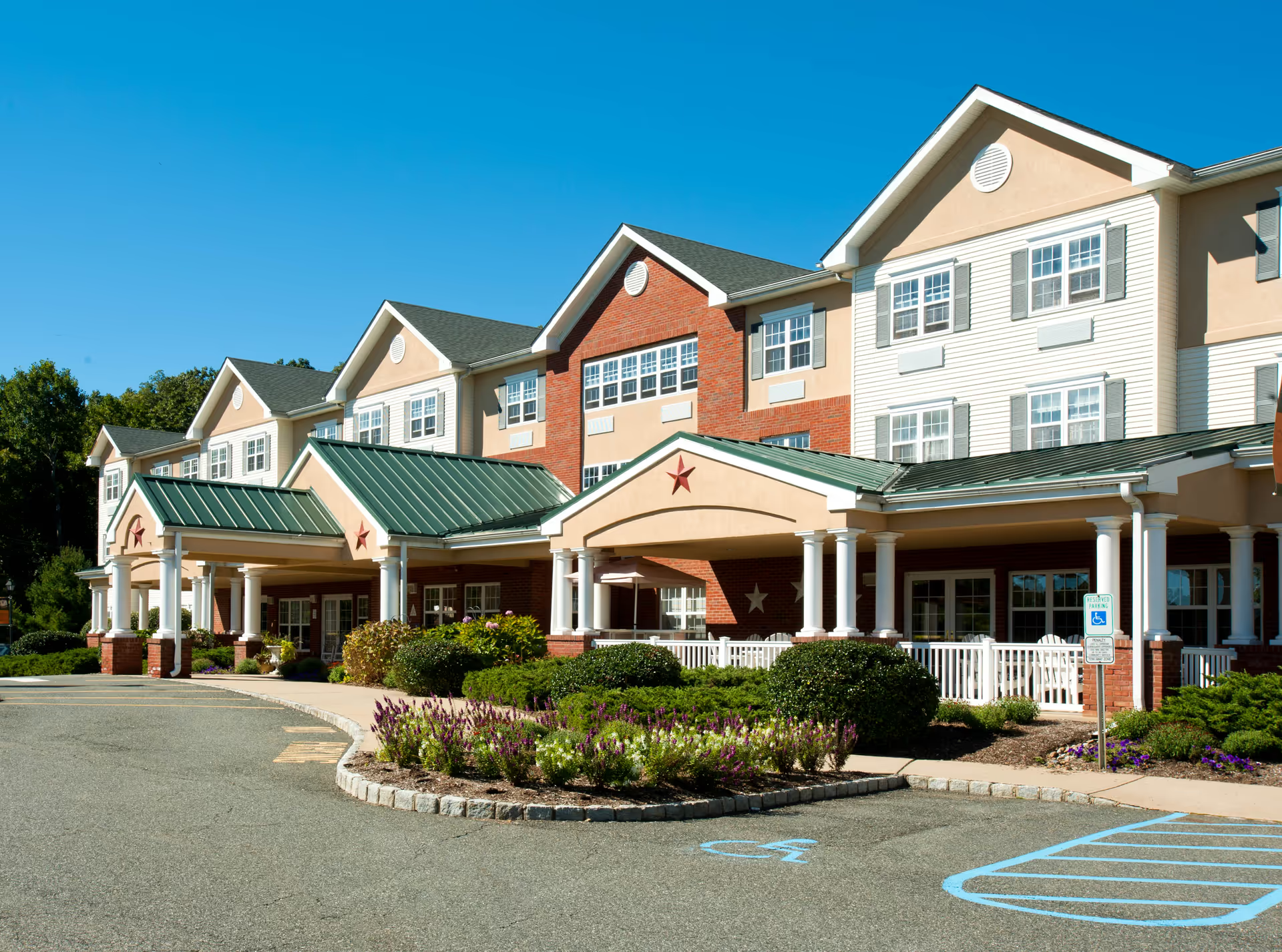
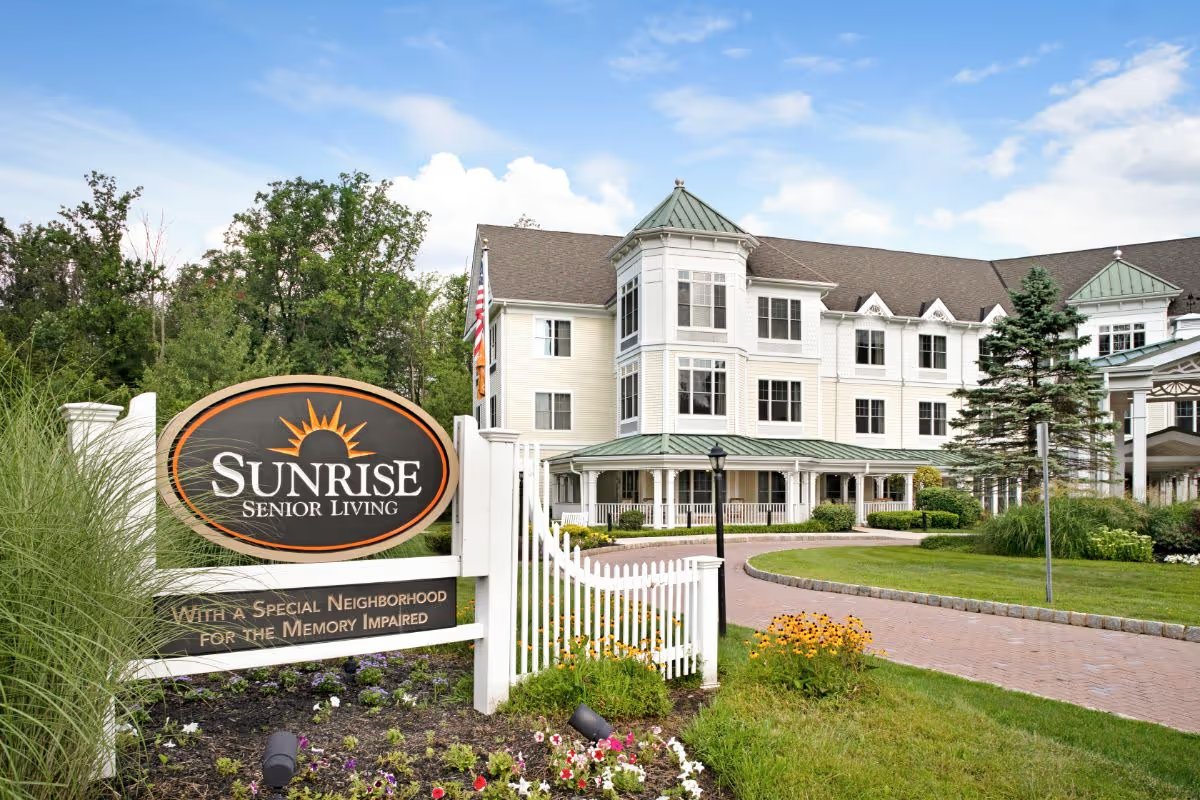
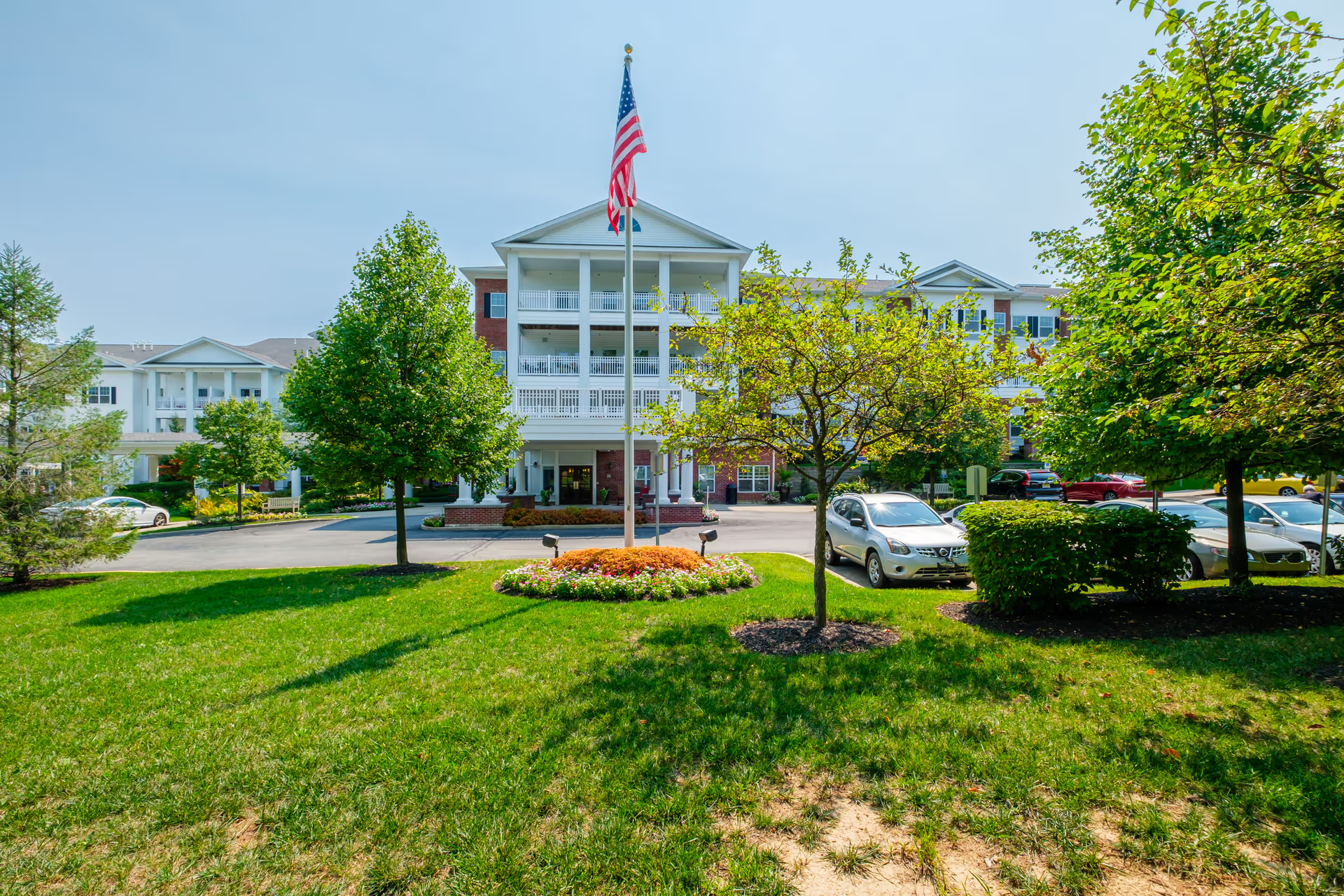
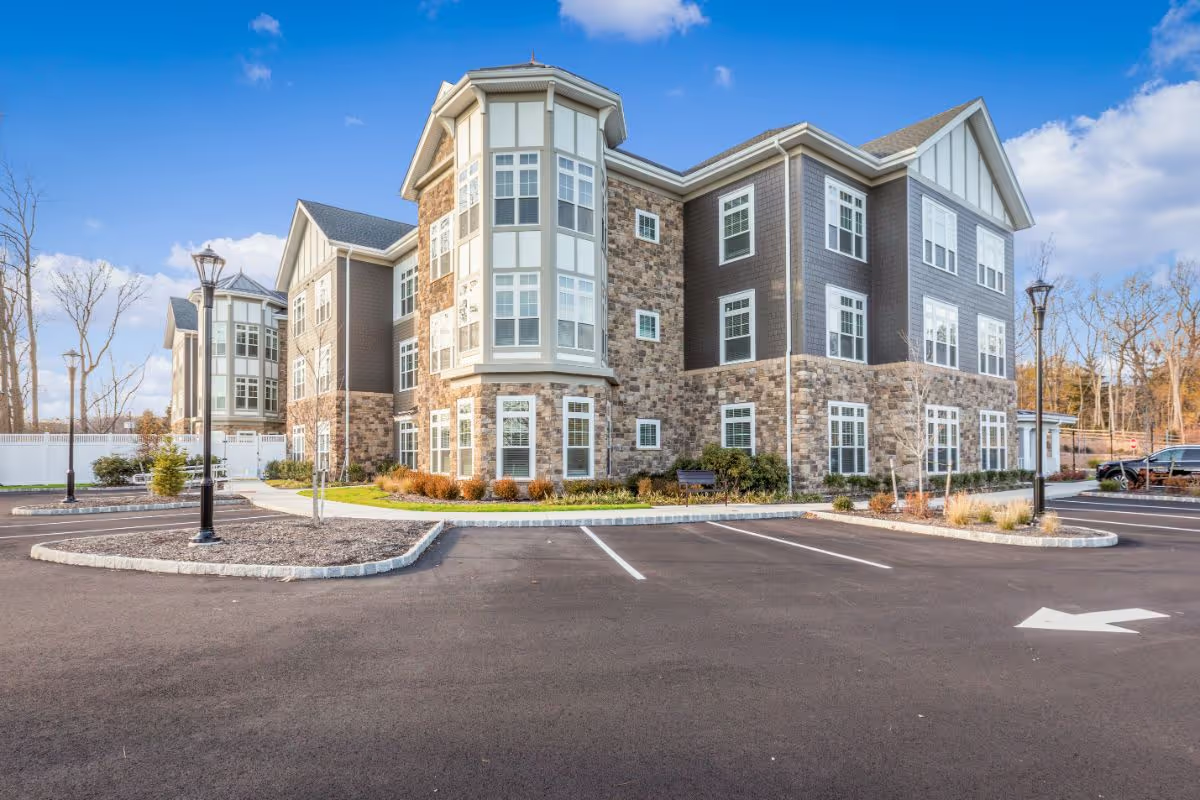
Facility condition and atmosphere are generally seen as strengths. Cleanliness, a home-like setting, and a sense of safety are recurring positives. Activity programming is not widely described in these summaries, so there is limited information on recreational or therapy offerings; families should inquire about daily schedules, rehabilitative services, and social programming during a tour. Dining is described as at least satisfactory by several reviewers; ask for sample menus and opportunities to observe meal service.
Given the mix of strong positive reports and isolated but significant negative accounts, prospective residents and families should balance the facility’s evident strengths in direct caregiving and environment against the flagged operational risks. Recommended next steps include touring at different times of day, requesting written policies on wound care and infection control, asking for the facility’s incident-reporting and family-notification procedures, checking recent inspection and enforcement records, and speaking directly with current families when possible. These targeted inquiries will help determine whether the facility’s strengths are consistent with the specific clinical and communication needs of the prospective resident.