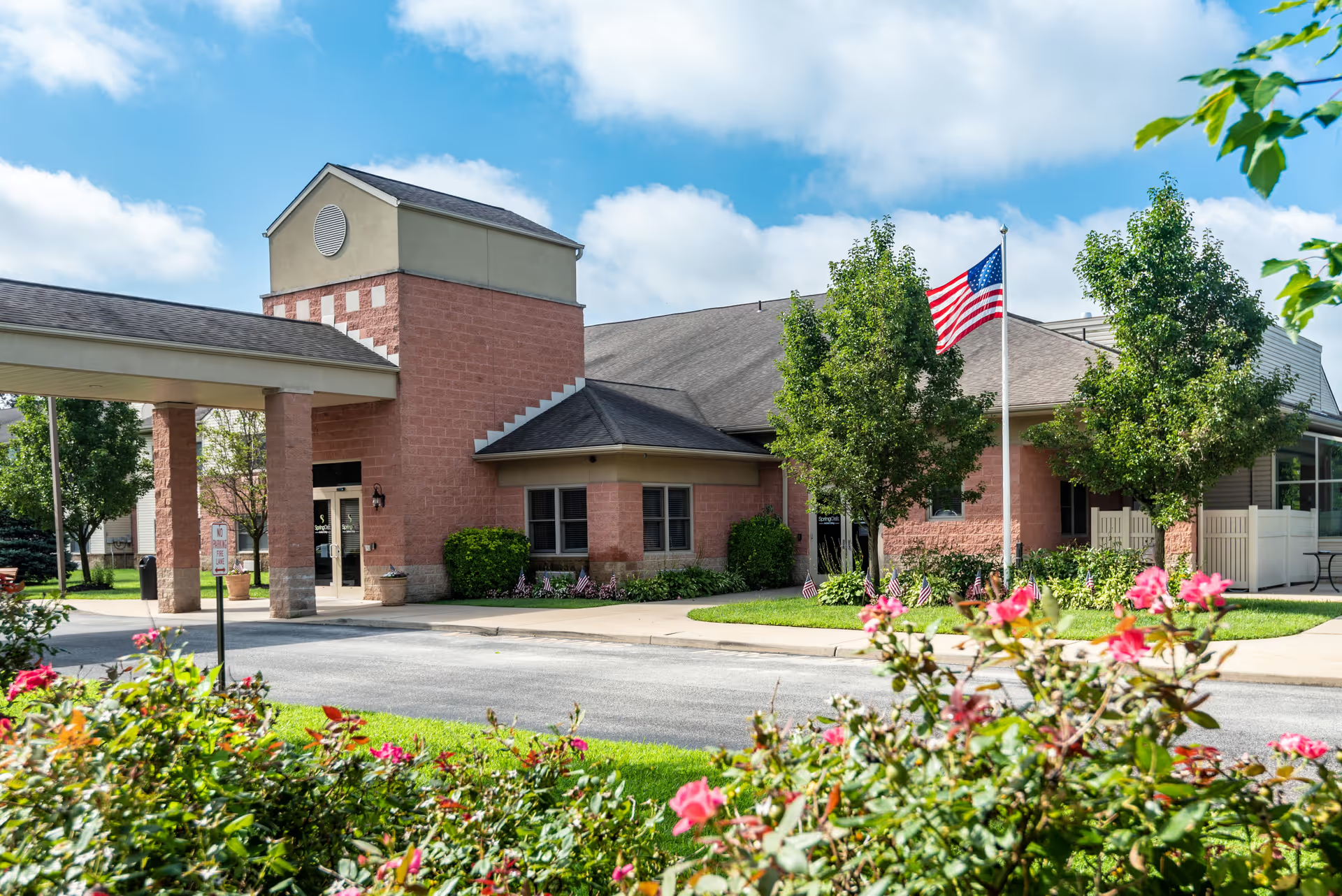
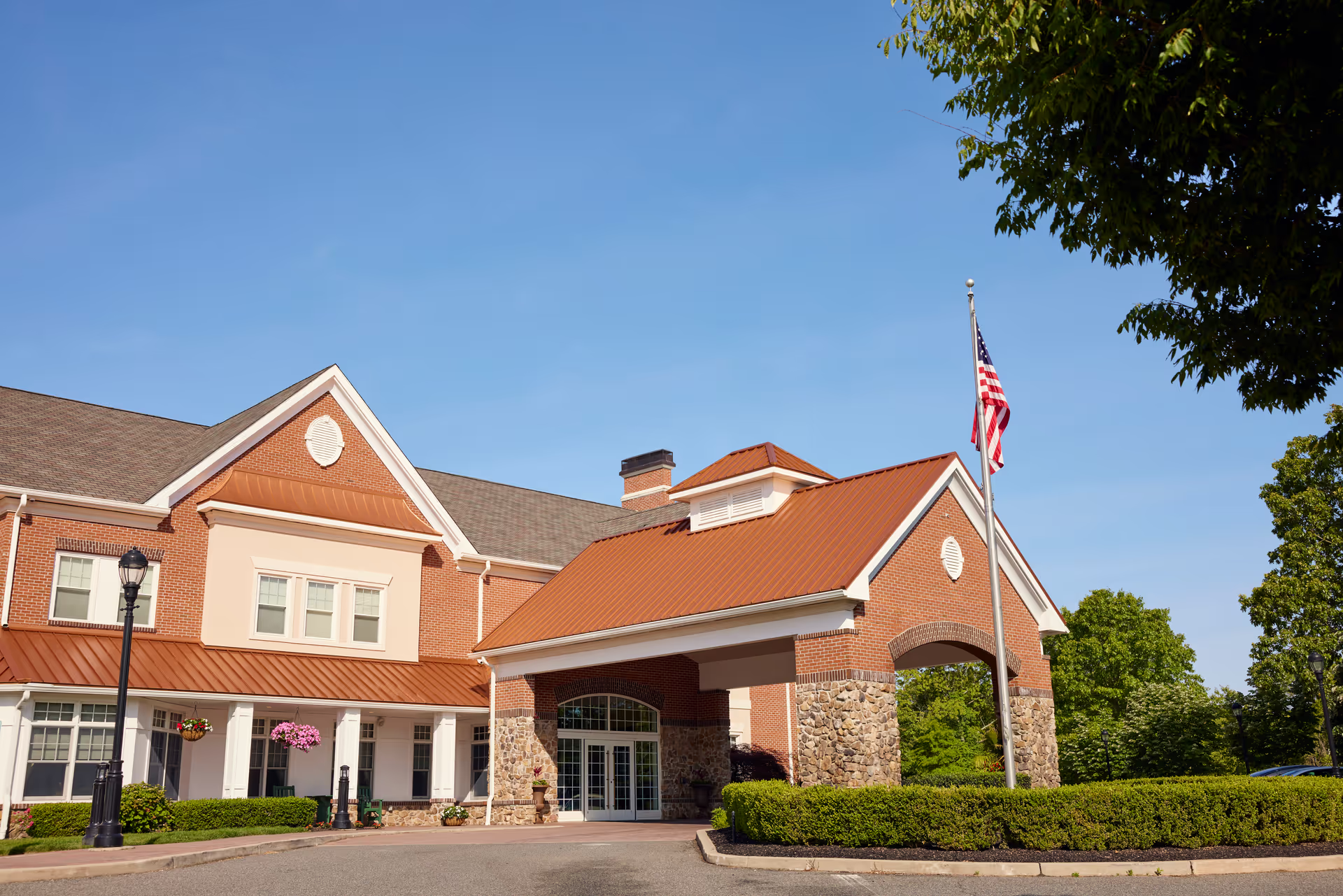
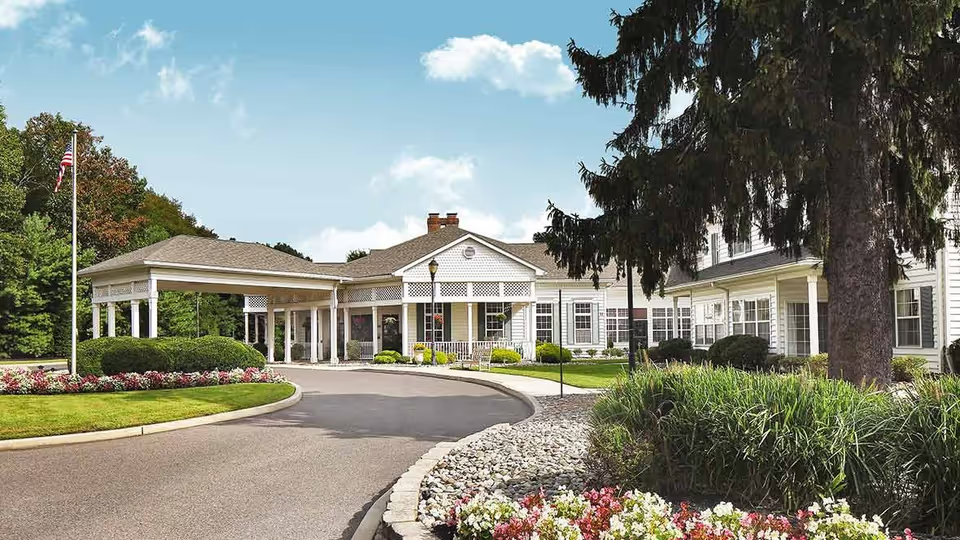
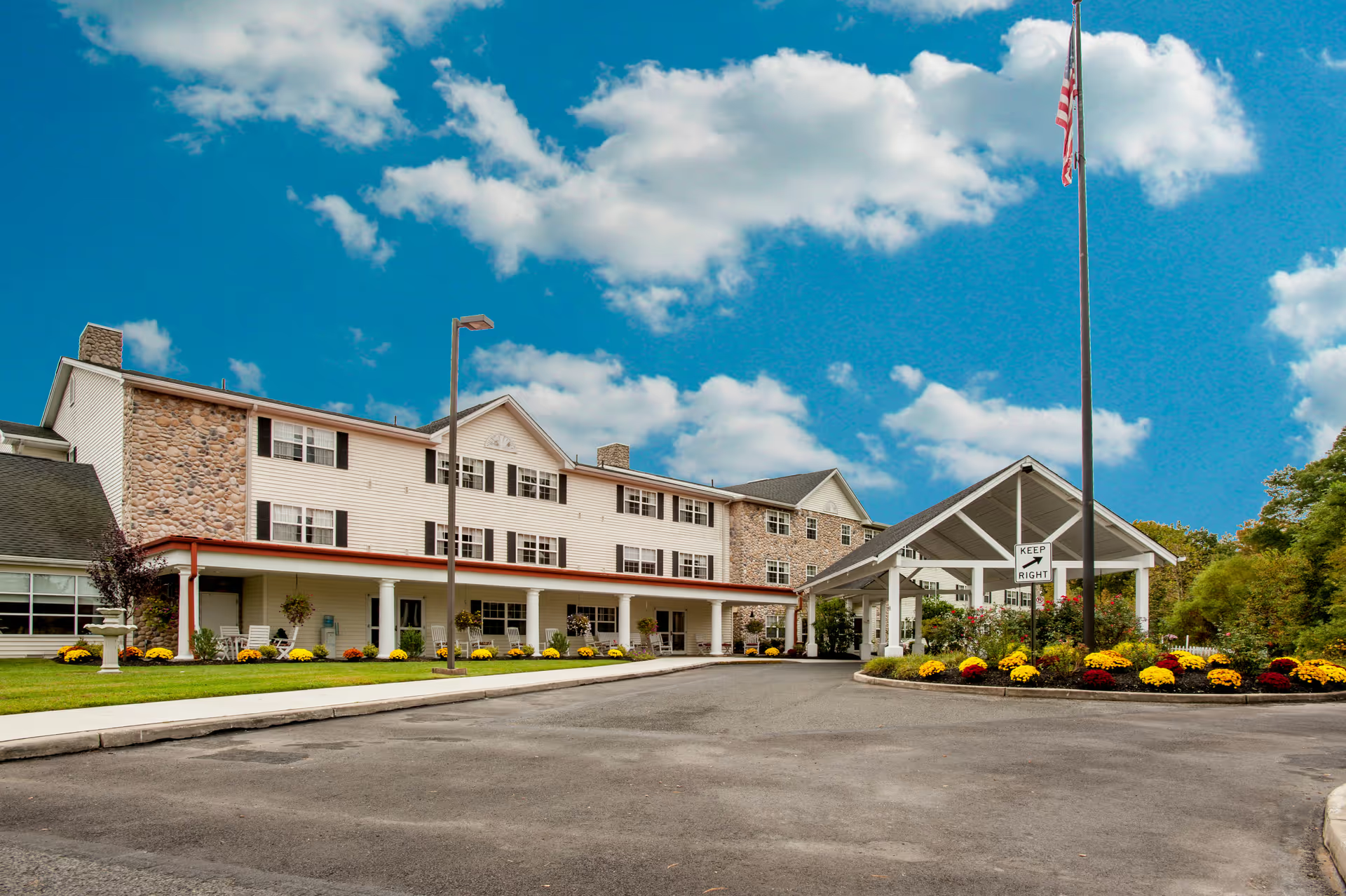
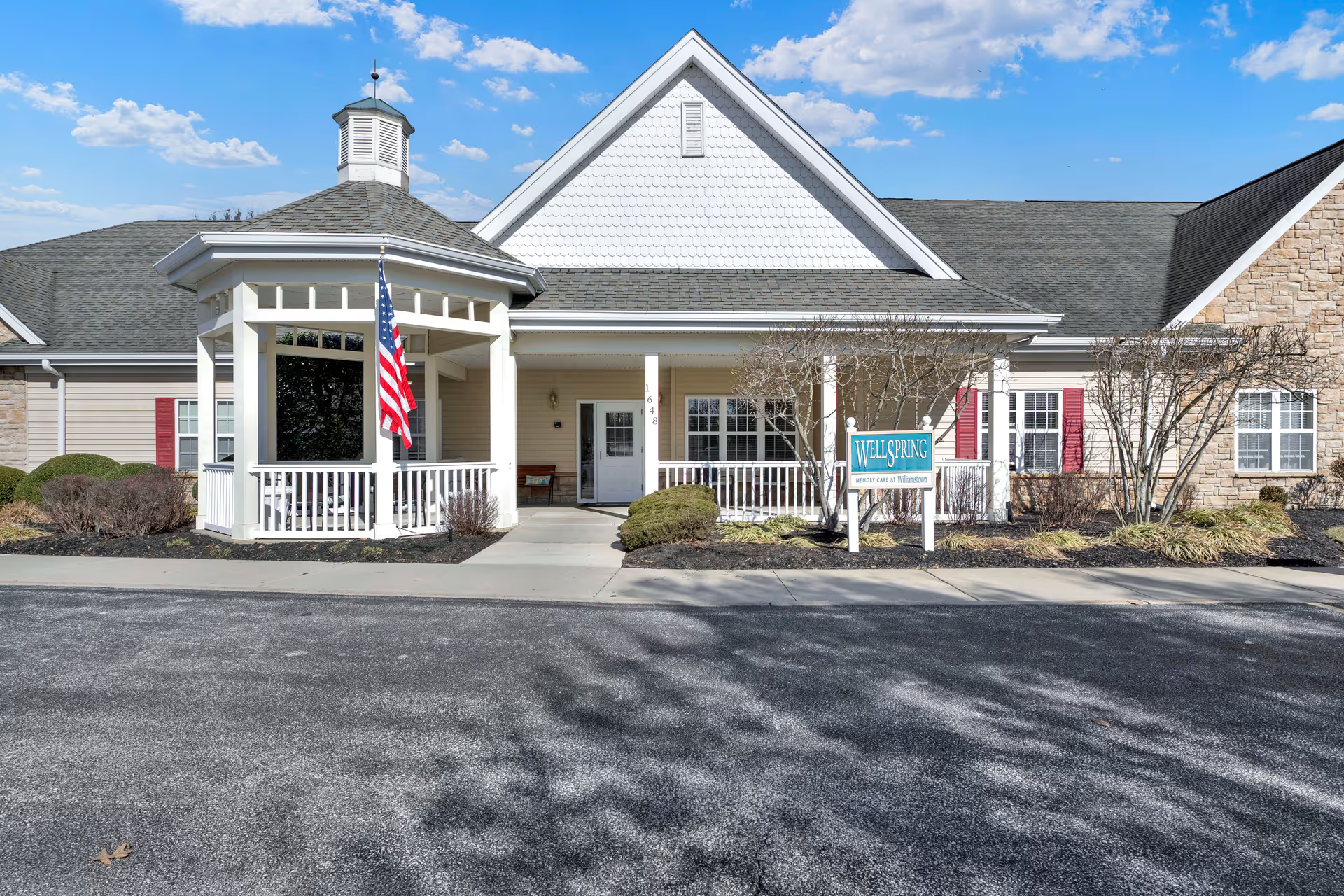
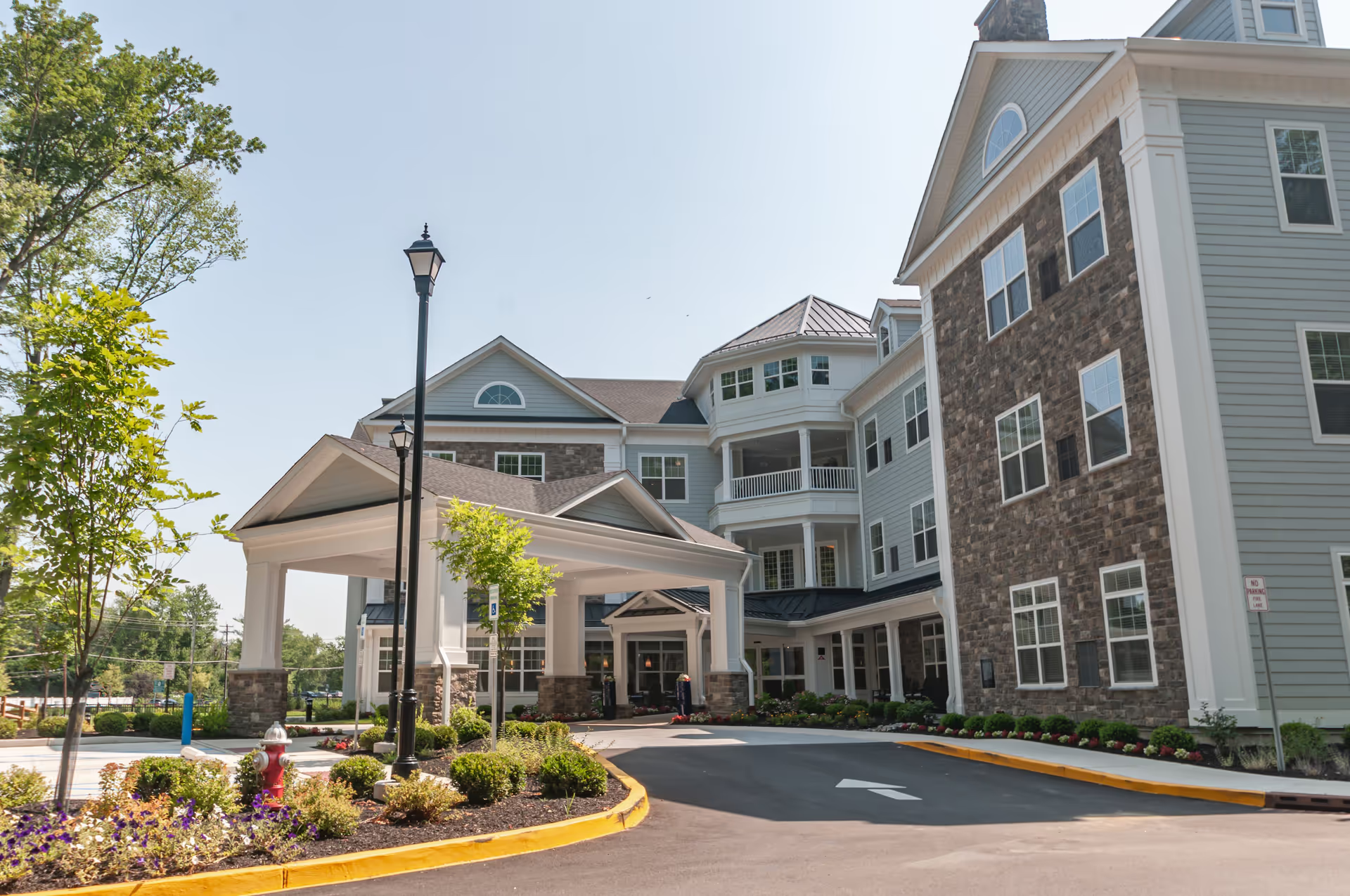
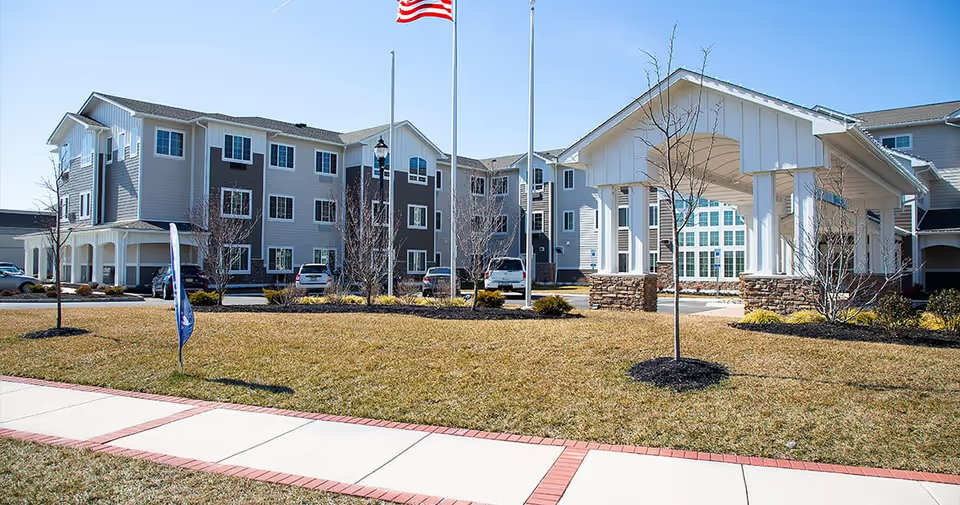
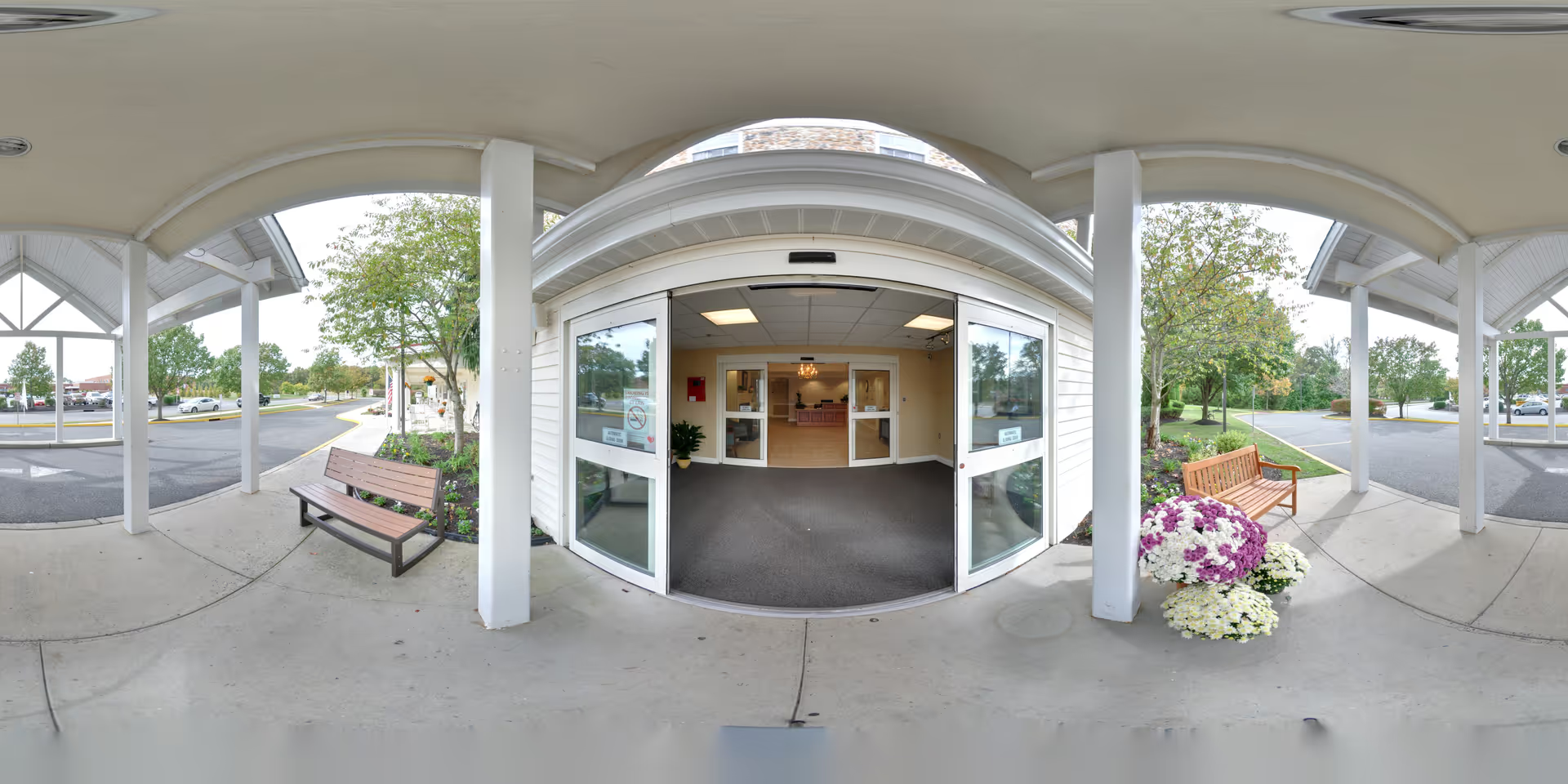
The Fountains at Atco elicits a mix of strong praise and operational concerns. On the positive side, families consistently highlight the quality of frontline staff, frequent mention of compassionate nurses and aides, and the presence of on-site clinical resources — physicians, nursing, and rehabilitation/physical therapy — that support a continuum of care. Apartment-style residences, generous living areas, sunrooms or private porches, attractive dining-room spaces, an on-site cafe, a salon, library, and extensive activity programming contribute to a resort-like, socially engaging environment. Transportation services, organized outings, and readily available activities are recurring strengths. Several reviewers also noted strong admissions support and attentive maintenance in many parts of the community.
At the same time, operational patterns raise concerns that prospective residents and families should evaluate closely. Staffing instability and periods of understaffing appear to affect responsiveness to call bells, timeliness of care, and meal service consistency. Reviewers described delays in attending to basic care needs and communication gaps between staff and families; these point to broader issues in staffing reliability and care coordination. Clinical coordination and medication-related communication were also flagged in multiple accounts, indicating potential areas to verify during a tour or intake process.
Dining and nutrition present a mixed picture: the dining room and cafe are often described as attractive, but food quality, portion size, and meal variety are inconsistent across accounts. Renovation activity and kitchen updates have at times disrupted normal meal service. Facility condition is likewise mixed — many wings and apartments have been renovated and are well maintained, while other areas show active or incomplete remodeling, flooring and elevator problems, and localized upkeep issues. Sanitation concerns tied to incontinence care and uneven housekeeping were raised and should be discussed explicitly with management.
Management and financial transparency emerge as notable themes. Several reviewers praised specific managers and admissions staff for responsiveness, while others described ownership changes, unanswered calls, late callbacks, and disputes over fees or refundable entrance payments. Weak Wi‑Fi in resident units and limits on Medicaid acceptance were additional operational considerations affecting resident experience and access to services. Safety processes in memory-care units were questioned by some families; prospective residents should verify secure-exit measures and staffing models for higher-acuity residents.
Overall, the community offers strong social programming, appealing amenities, and visible clinical resources that many families found beneficial. However, there is variability in day-to-day operations — especially around staffing consistency, meal reliability, facility maintenance, internet access, and financial clarity. Recommended next steps for prospective families: observe staffing levels during different shifts, ask for written policies on staffing ratios and medication management, tour the areas undergoing renovation, confirm Wi‑Fi performance in prospective units, and review contract terms on fees and refunds in writing. These checks will help align expectations with the facility’s strengths and the operational challenges described above.