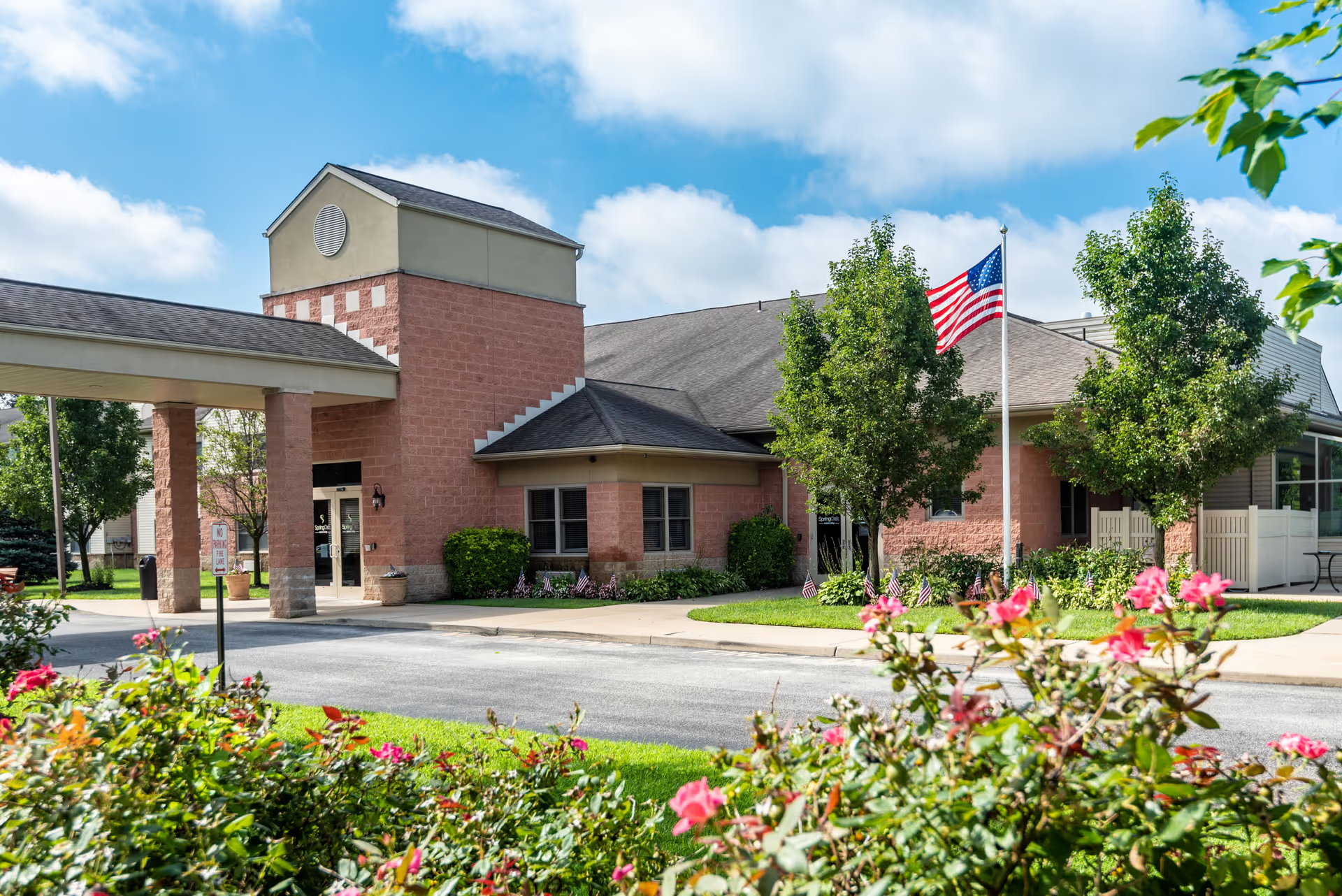
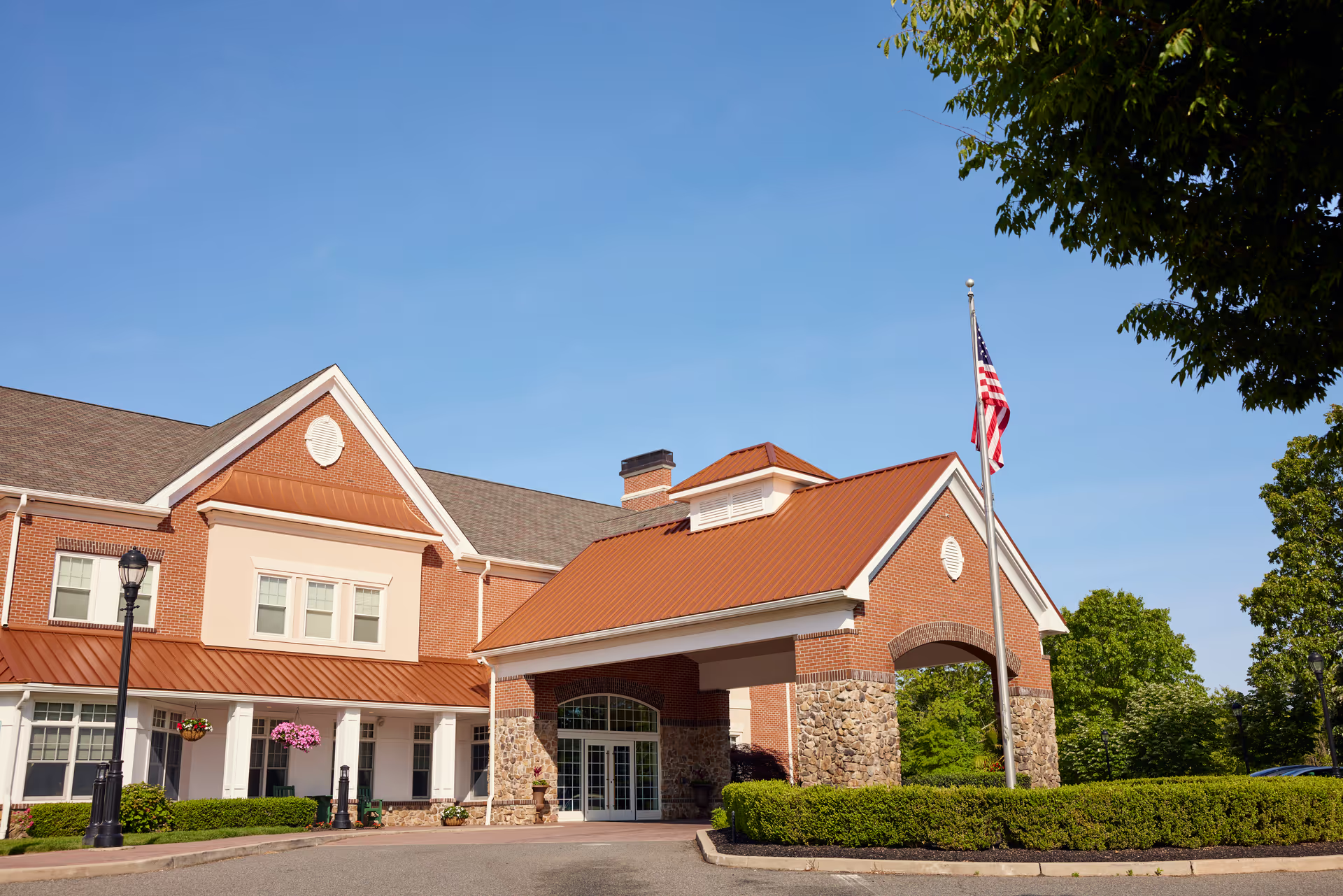
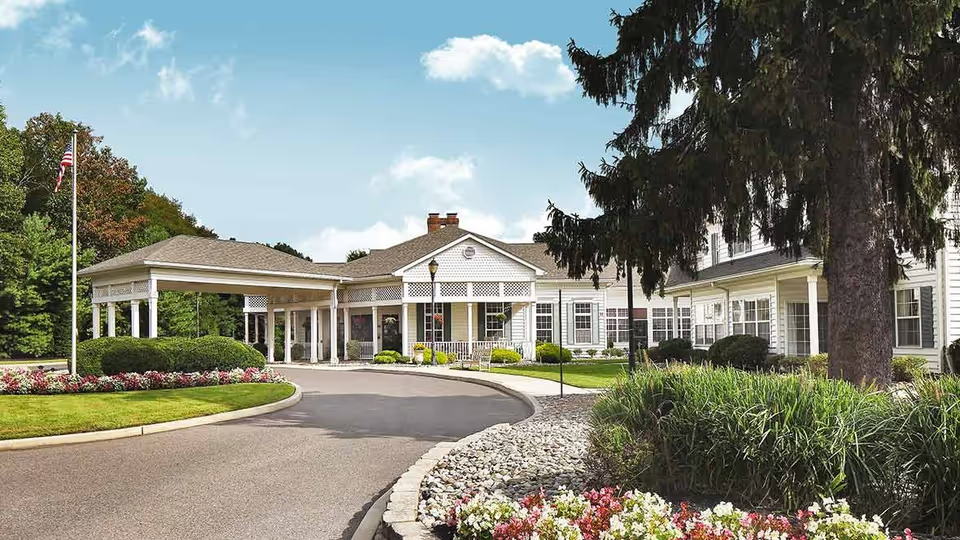
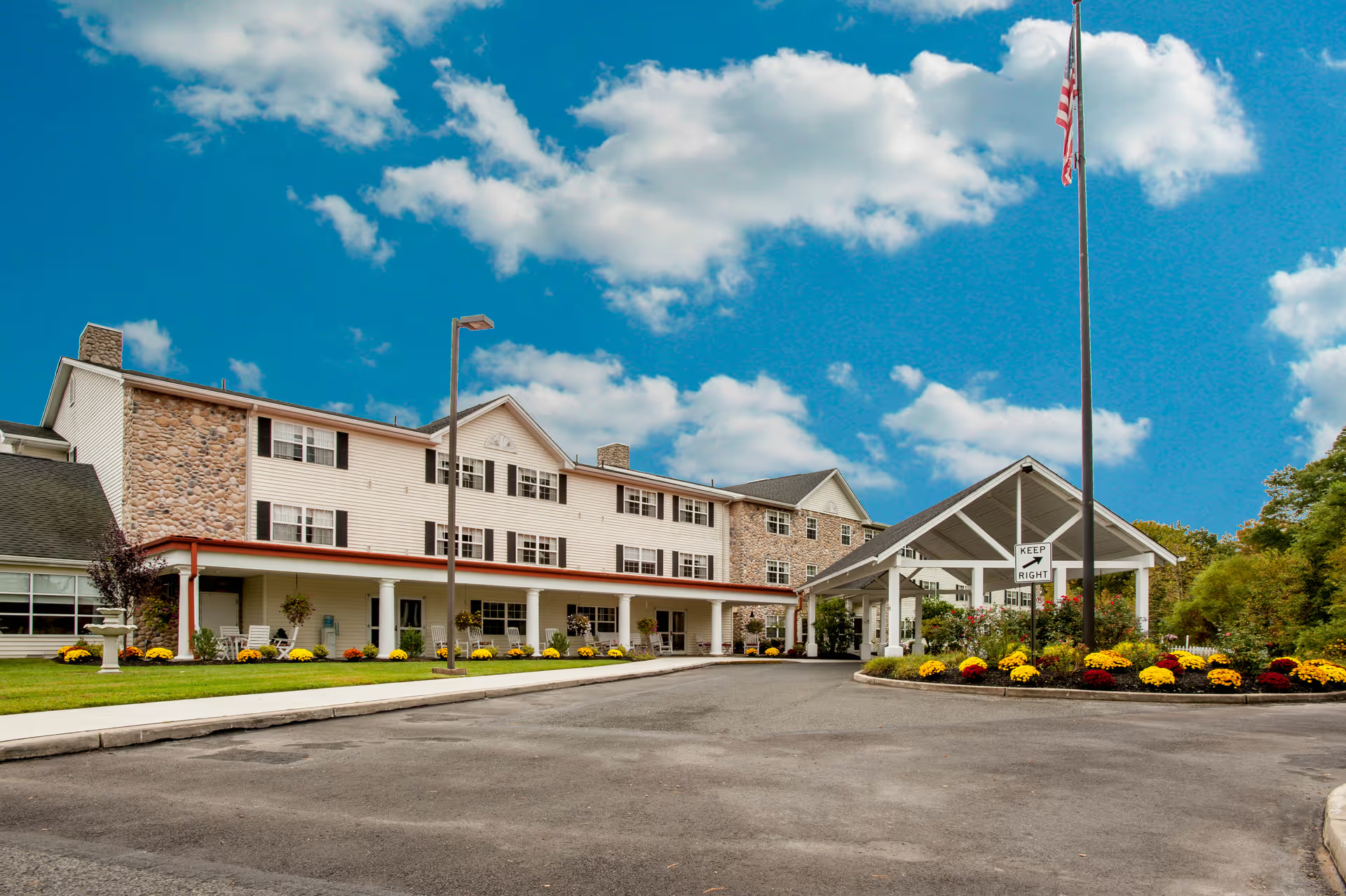
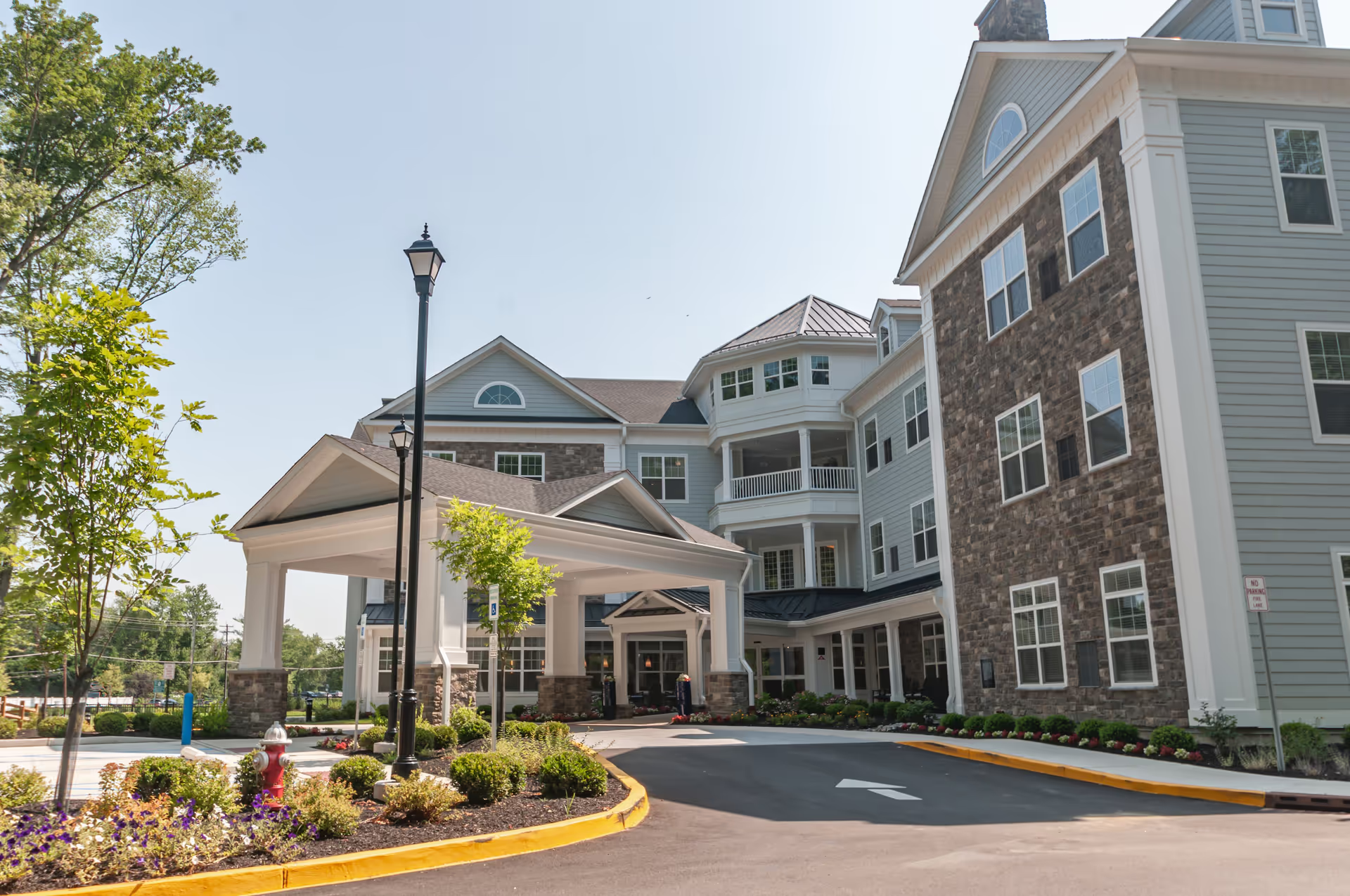
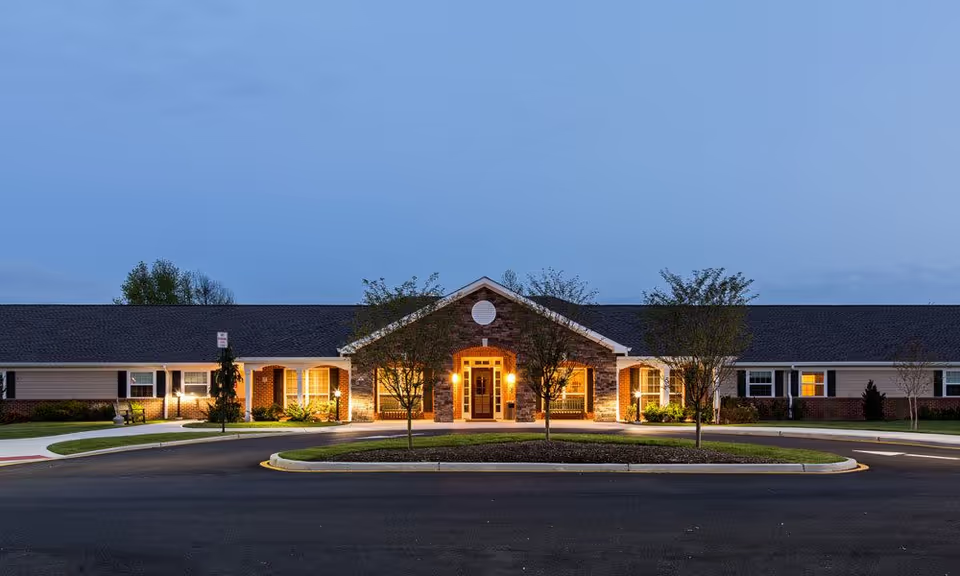
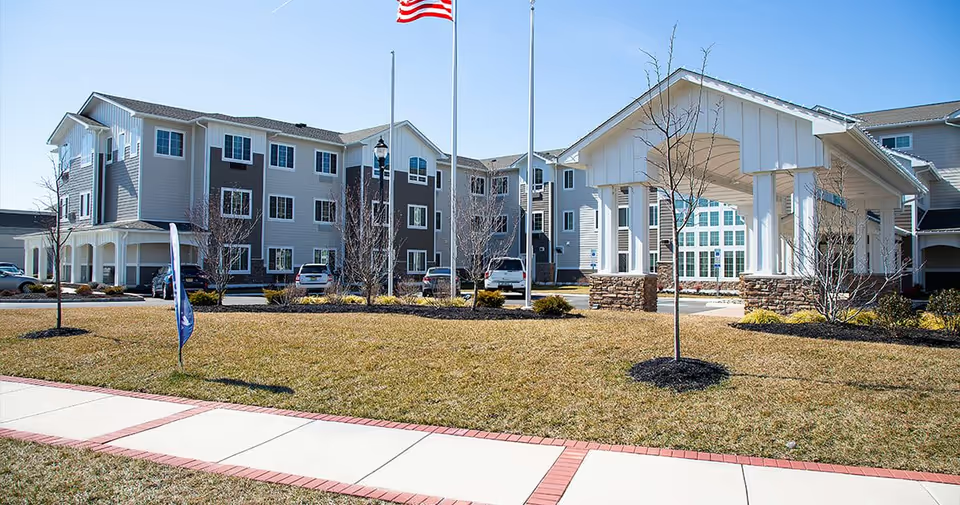
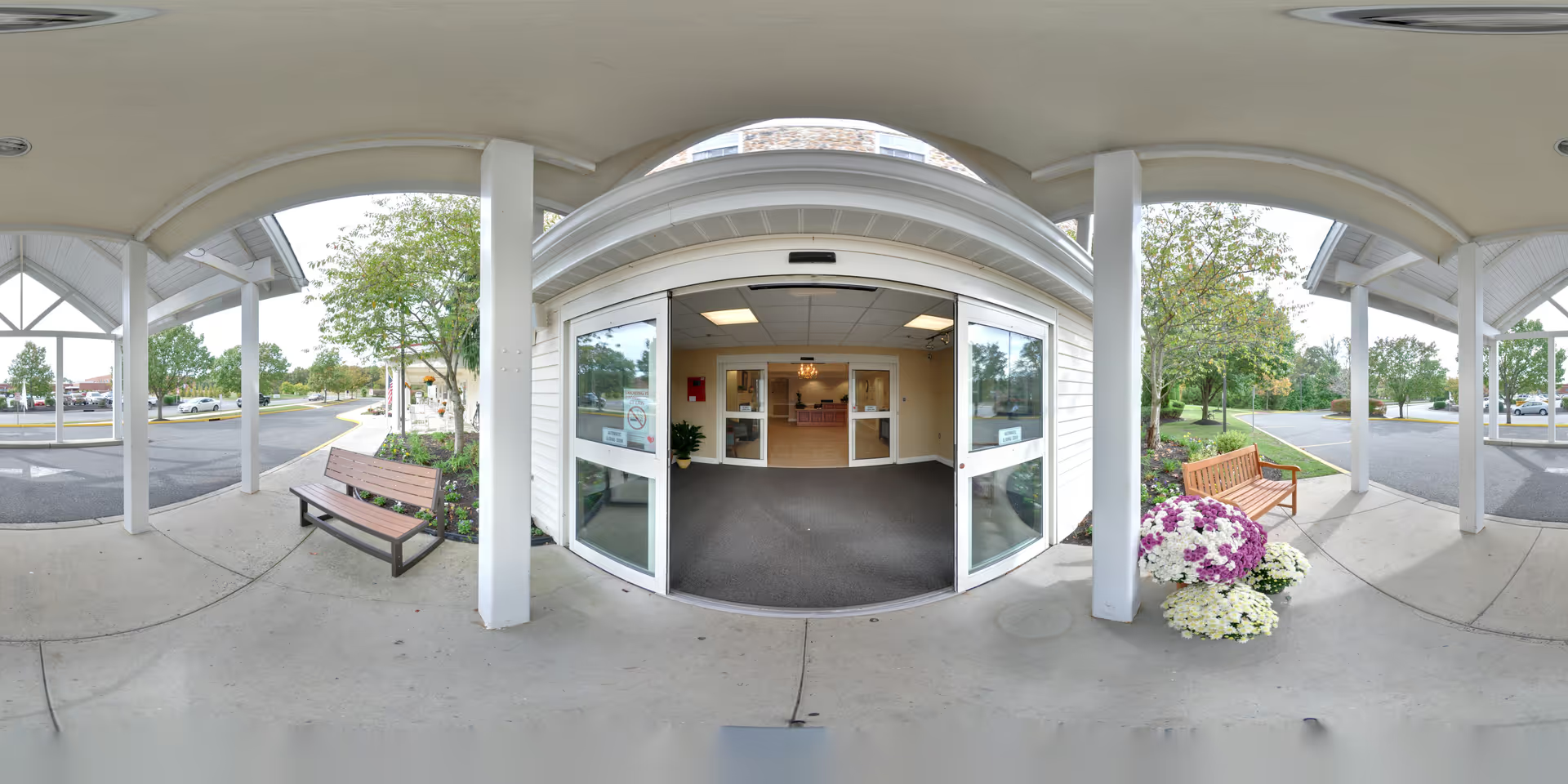
Reviewer feedback for Berlin Rehabilitation & Healthcare Center is highly mixed, with clear strengths in rehabilitation and notable operational weaknesses that merit attention. The therapy department—physical, occupational, and speech therapy—is repeatedly cited as a consistent strength: therapists are described as skilled, patient-centered, and effective at producing measurable short-term gains. Several reviewers also praised individual nurses, CNAs, admissions staff, and housekeeping for compassionate, attentive care and a welcoming environment. The facility’s common areas, courtyard, and some therapy spaces are described as clean and well-maintained; modern rehab equipment and interdisciplinary care teams were additional positive elements mentioned.
At the same time, multiple reviews describe systemic operational issues that affect overall care quality. Staffing levels appear inconsistent, with high turnover and a reliance on agency personnel that reduce continuity of care. These staffing inconsistencies are linked to delayed medication administration, missed or delayed assistance for basic needs, and variable supervision for residents at higher risk of falls. Reviewers described gaps in fall-prevention practices and monitoring (for example, bed-alarm coverage and timely response), which indicate a need for stronger safety protocols and staffing alignment with acuity.
Communication and administrative processes also emerge as recurring concerns. Family communication and care updates are described as uneven; some families report proactive outreach and clear coordination, while others describe difficulty reaching staff, delayed phone service, or terse interactions. Billing and records-access issues—including delayed reimbursements, non-electronic records practices, and insurance-claim complications—are another operational weakness noted across reviews. Management instability (leadership turnover, ownership change) appears to have contributed to inconsistent policy follow-through and uneven responsiveness to complaints.
Dining, hygiene, and ancillary services show variable performance. Several reviewers complimented cafeteria-style food and specific menu items, yet many others reported inconsistent meal quality, wrong orders, and cold or delayed meals. Sanitation and personal-care follow-up are described inconsistently across stays: while housekeeping often receives praise, a subset of comments raises sanitation concerns and delays in incontinence care and bathing schedules. Weekend coverage and rehabilitation frequency also vary; some residents received daily therapy, while others experienced limited weekend or shortened session times.
There are reports of serious individual clinical incidents and post-discharge complications; these accounts underscore the importance of verifying current safety protocols, clinical oversight, and escalation pathways. At the same time, numerous families describe positive outcomes, compassionate caregivers, and effective rehab trajectories. For prospective residents and families, it is advisable to clarify current staffing ratios, fall-prevention measures, medication-administration protocols, weekend therapy coverage, discharge planning processes, and billing/records access before admission. Visiting the unit during different shifts and asking for named contacts for clinical updates can help assess whether the facility’s strengths align with the specific clinical and safety needs of the resident.