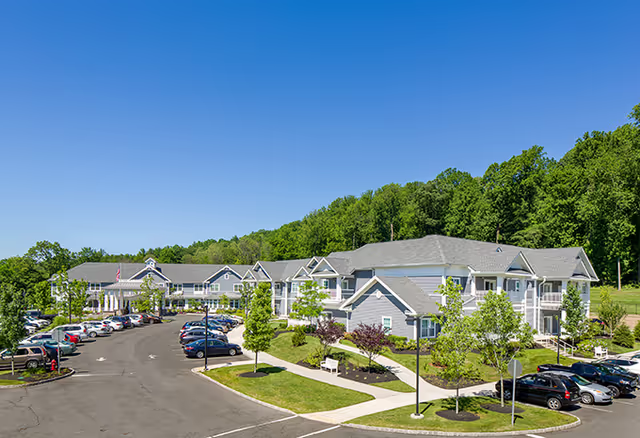
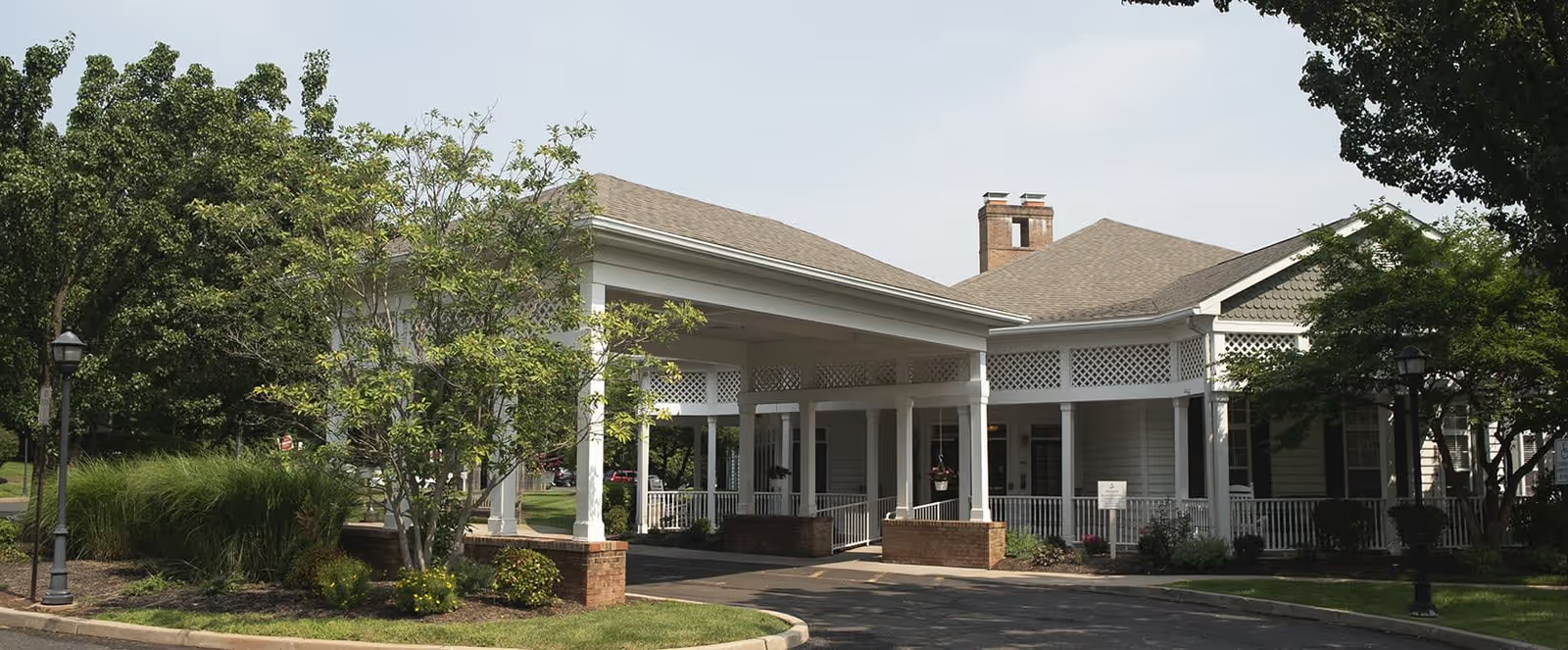
Laurel Circle elicits a strongly mixed but overall informative pattern. Many families and residents describe a welcoming, active community with an engaged executive team, visible renovations, and abundant social outlets. Positive commentary centers on compassionate caregiving teams, accessible leadership, a broad schedule of activities (quilting, music, discussion groups, religious programs, and entertainment), and restaurant-style dining options including a bistro and formal dining room. Move-in processes, marketing support, maintenance responsiveness, and the physical campus—spacious apartments, light-filled rooms, well-kept grounds, and renovated common spaces—are frequently cited as strengths.
Care quality and staffing show notable variability. Numerous accounts praise skilled rehabilitation and therapy services as well as day-shift nursing and aides who are knowledgeable and attentive. At the same time, several reviewers describe staffing shortfalls on particular shifts (notably nights and weekends), slow response times to call bells, and inconsistent clinical oversight. These operational patterns have translated into concerns about timely assistance, incontinence-care delays, and uneven follow-up after clinical events. Medication management and clinical communication have been called out in a subset of reports as an area needing stronger processes and oversight.
Dining and food service are prominent features of the community experience. Many reviewers commend gourmet-style meals, an executive chef, and a social dining atmosphere; others describe inconsistencies in meal temperature, presentation, and occasional food-safety or pest-control issues. Together these comments suggest a generally strong culinary program that may suffer from operational lapses at times, creating intermittent quality and safety perceptions.
Activities and resident engagement are consistent strengths. The campus offers a wide range of clubs, classes, and entertainment, with resident-led programming and many opportunities for socialization. Common spaces for art, theater, library use, and organized outings support an active lifestyle, and staff frequently receive praise for fostering warm, name-aware interactions that contribute to a close-knit community feel.
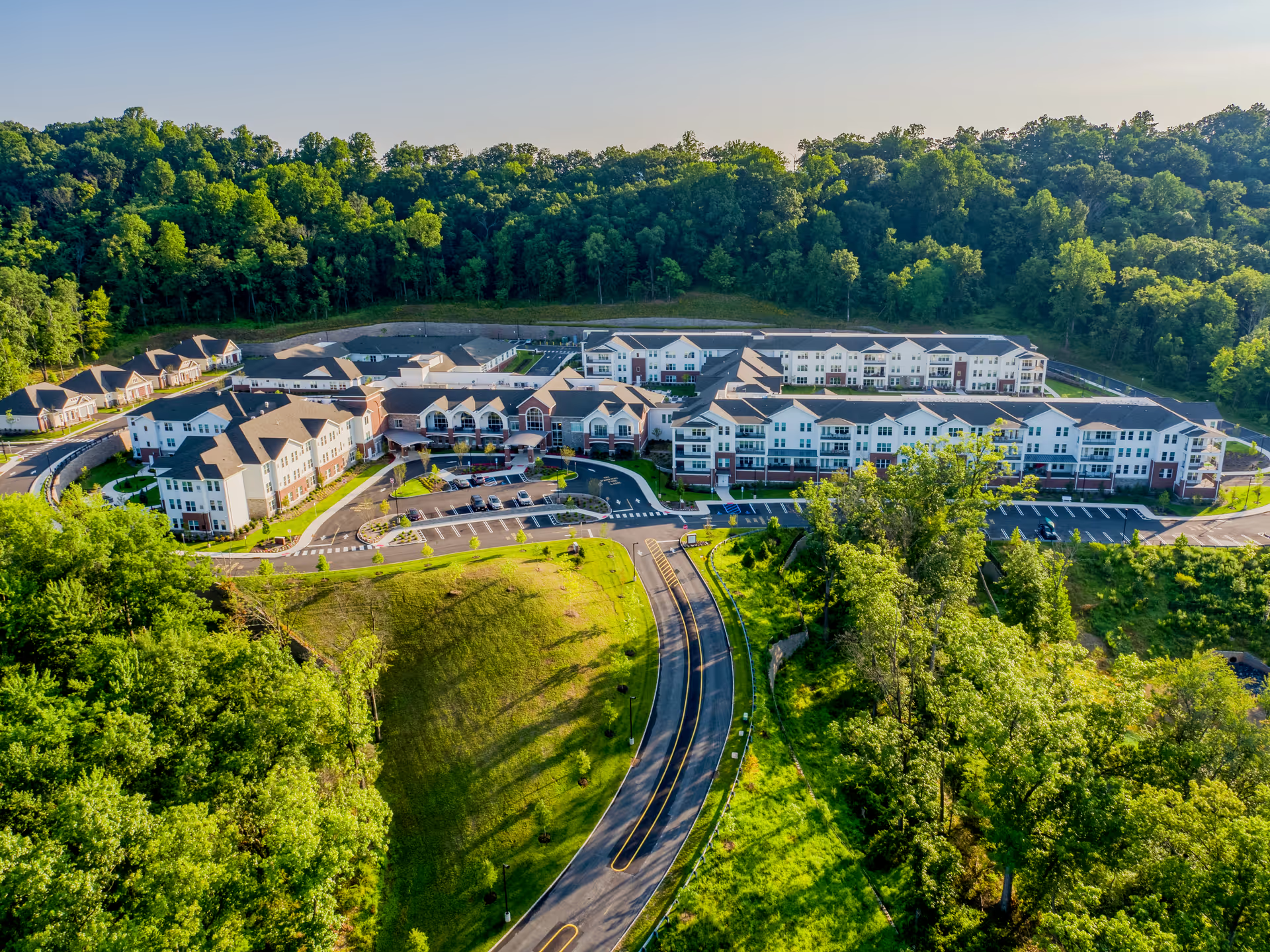
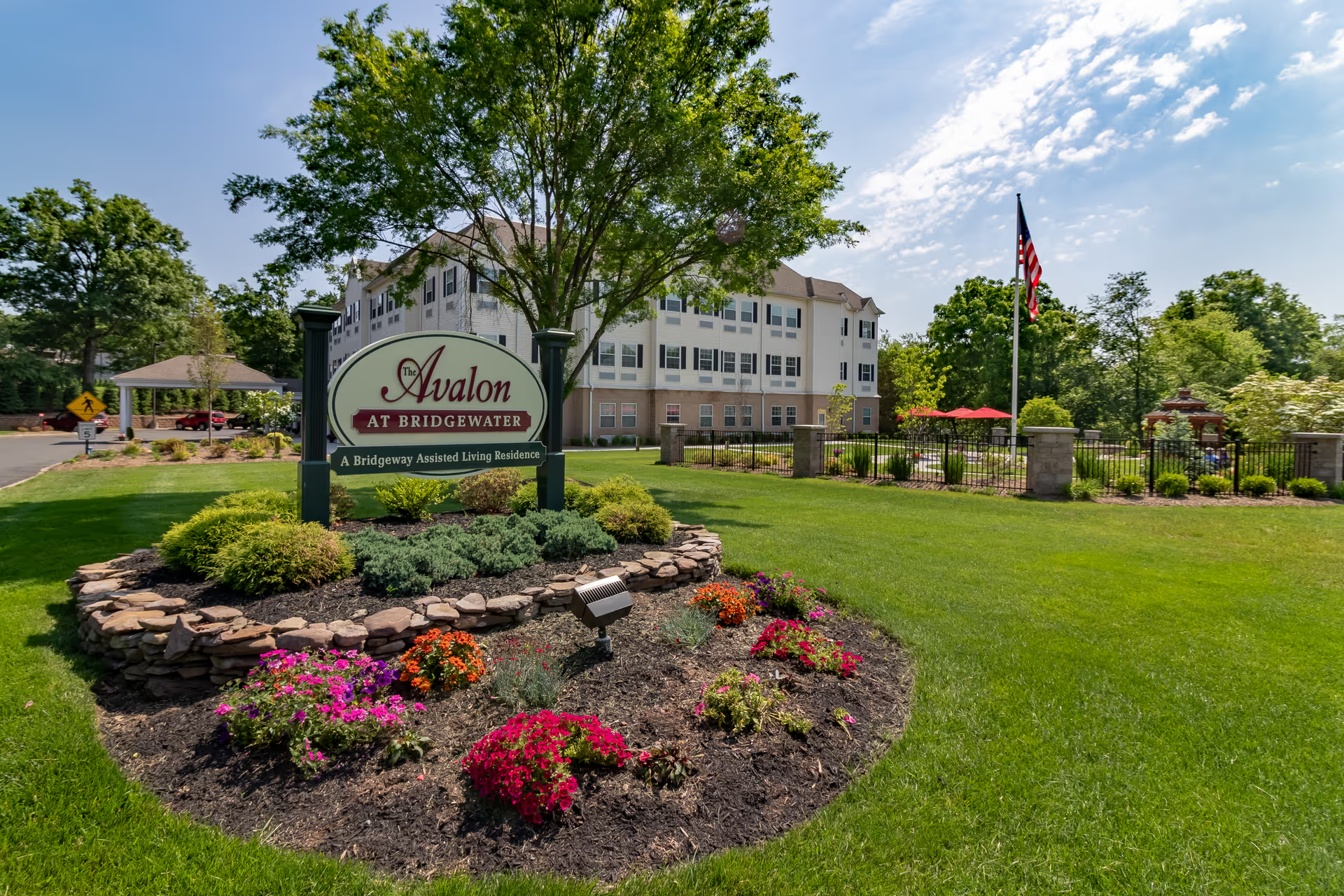
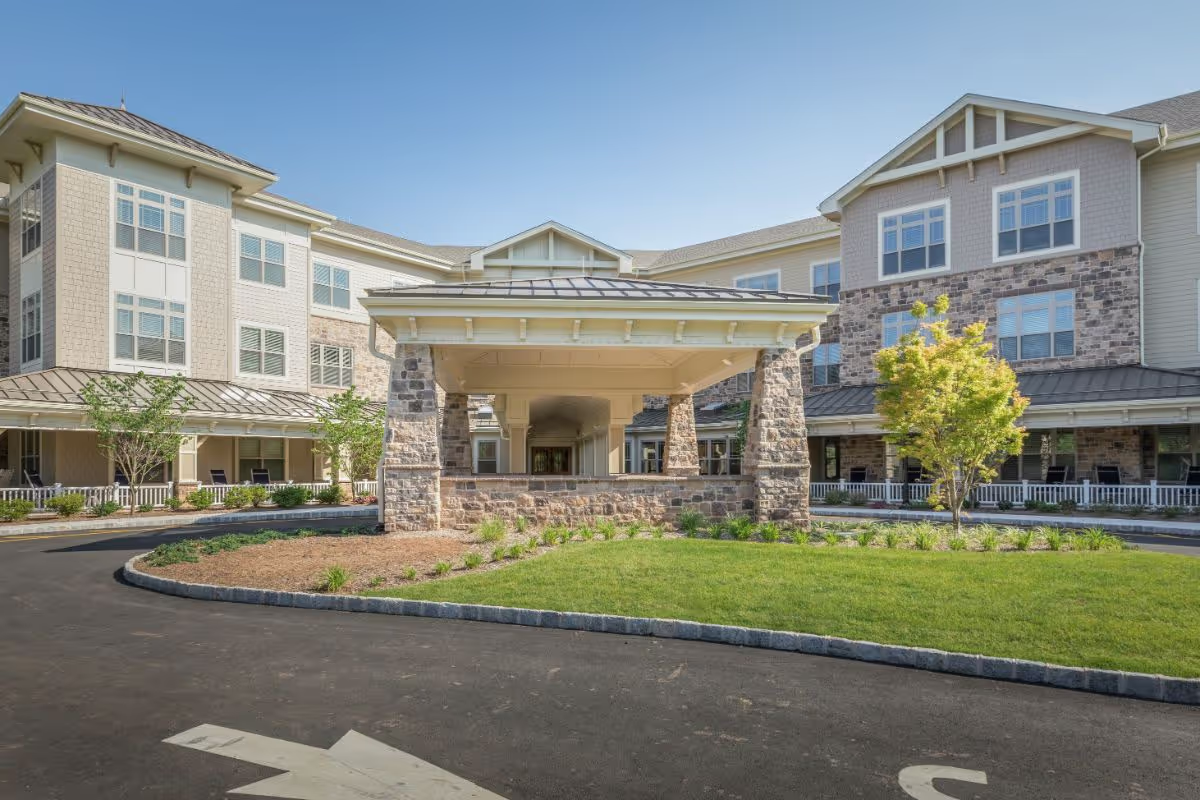
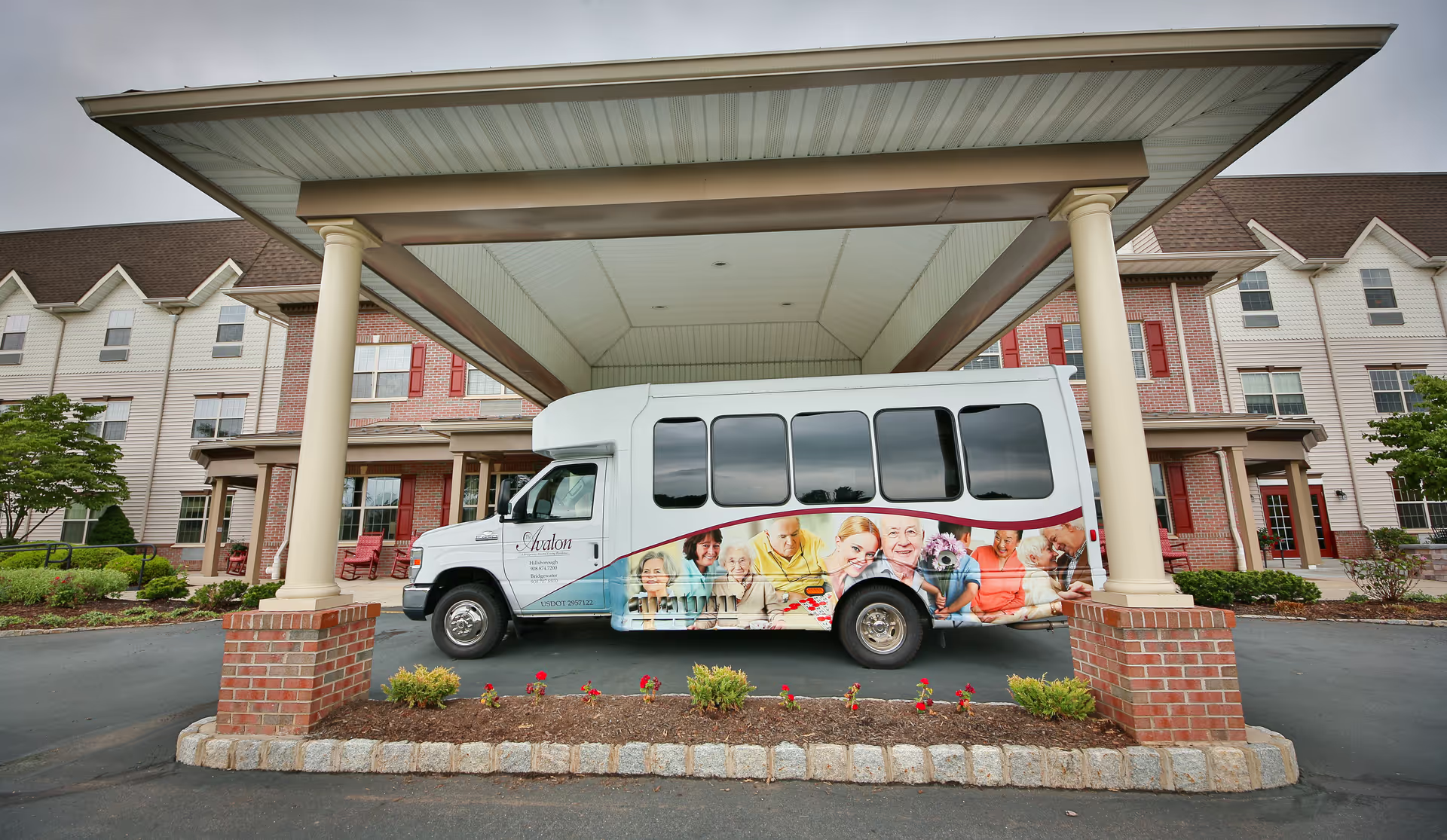
Facilities and logistics are largely positive but not without problems. Renovations, attractive apartments, and useful amenities (transportation van, gardens, pet accommodations) are benefits repeatedly mentioned. Contrastingly, there are recurring operational concerns around property handling, delivery and address coordination, and pest-control responsiveness. Financial processes also generate concern: some families question value relative to the entry fee and ongoing cost, and there are reports of protracted or opaque equity/exit-handling and billing interactions.
Management and organizational culture present a mixed picture. Several reviews highlight accessible, responsive leadership and effective Directors of Nursing who model strong clinical direction. Other accounts point to turnover, perceived shifts in priorities after ownership or leadership changes, and gaps in family communication. Taken together, the pattern suggests a facility with many well-executed services and strong community strengths, alongside operational and oversight areas—staffing consistency, clinical follow-up, food-service reliability, pest control, logistics, and transparent financial processes—that prospective residents and families should evaluate closely during tours and pre-move discussions.