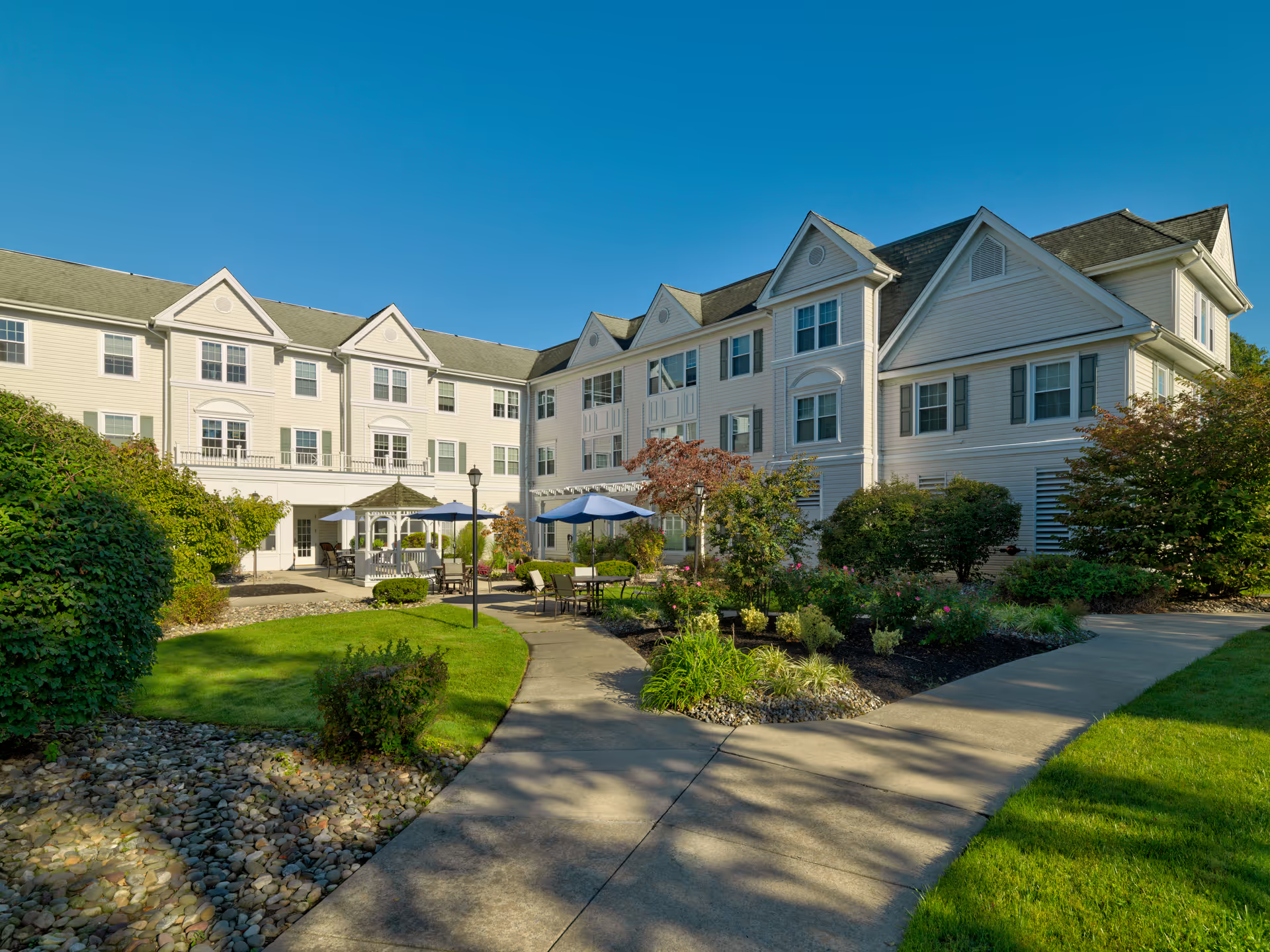
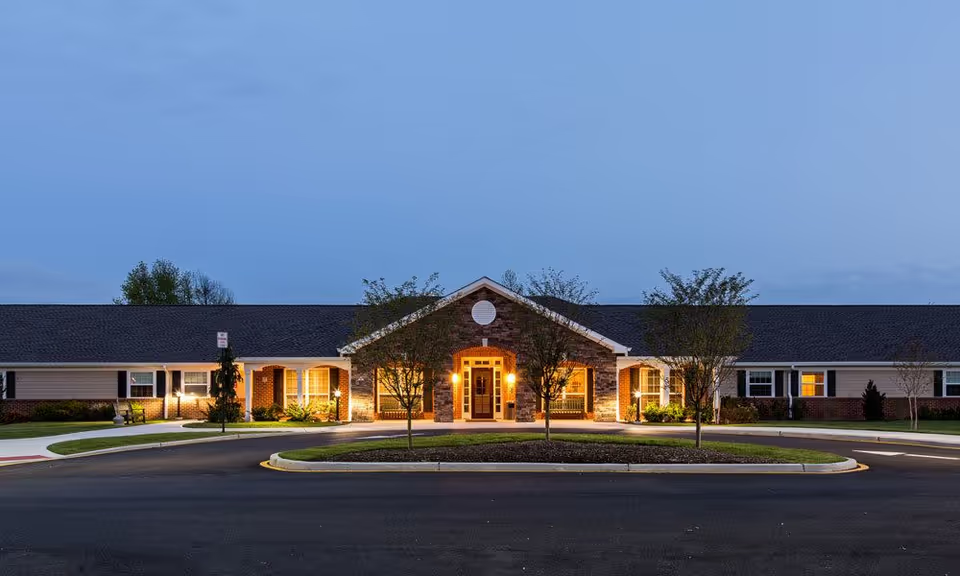
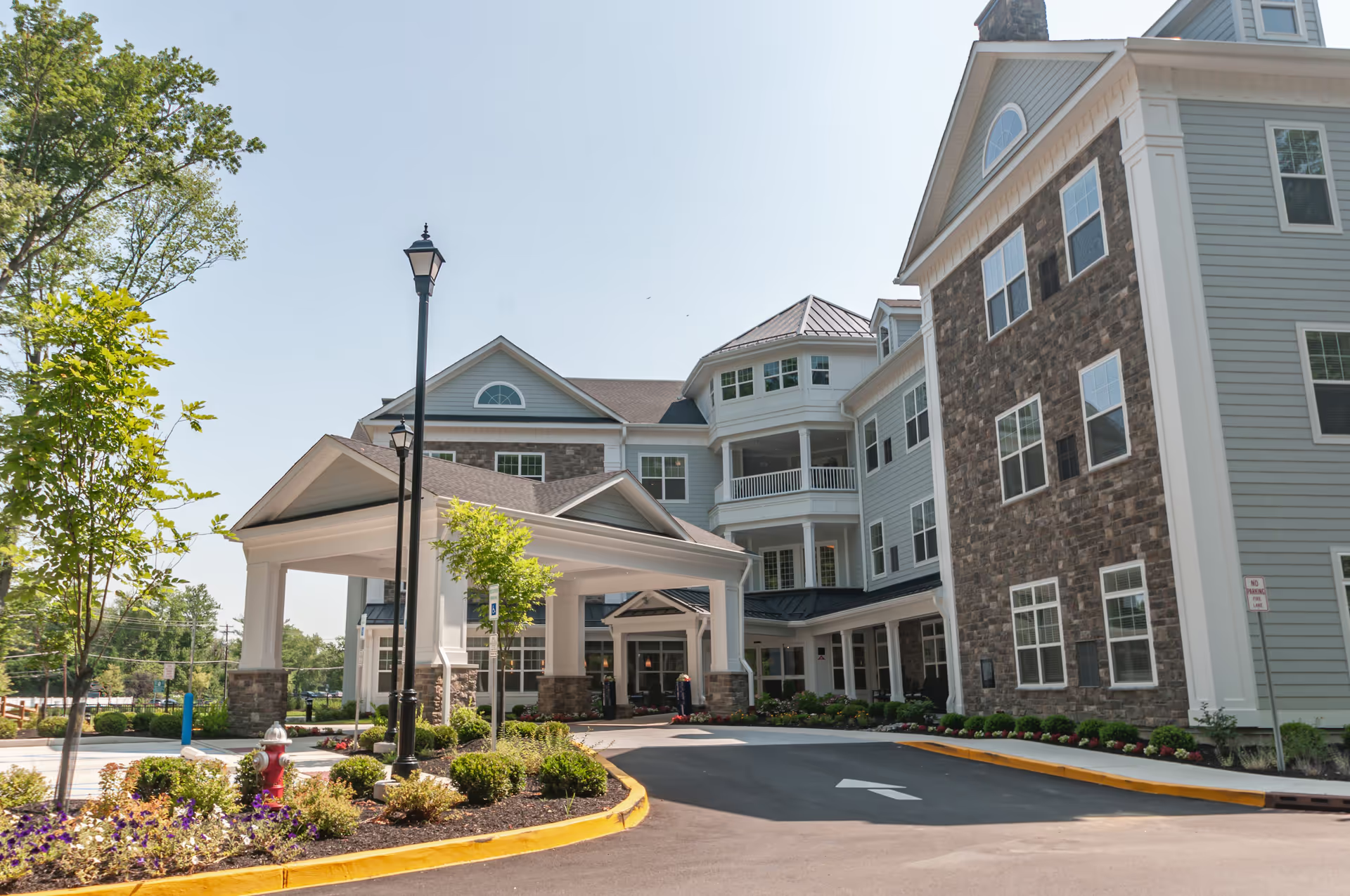
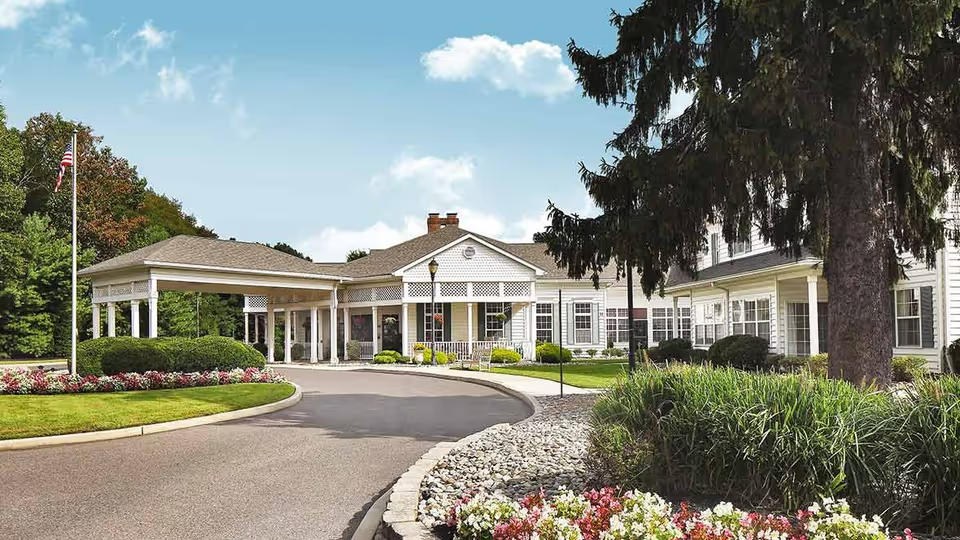
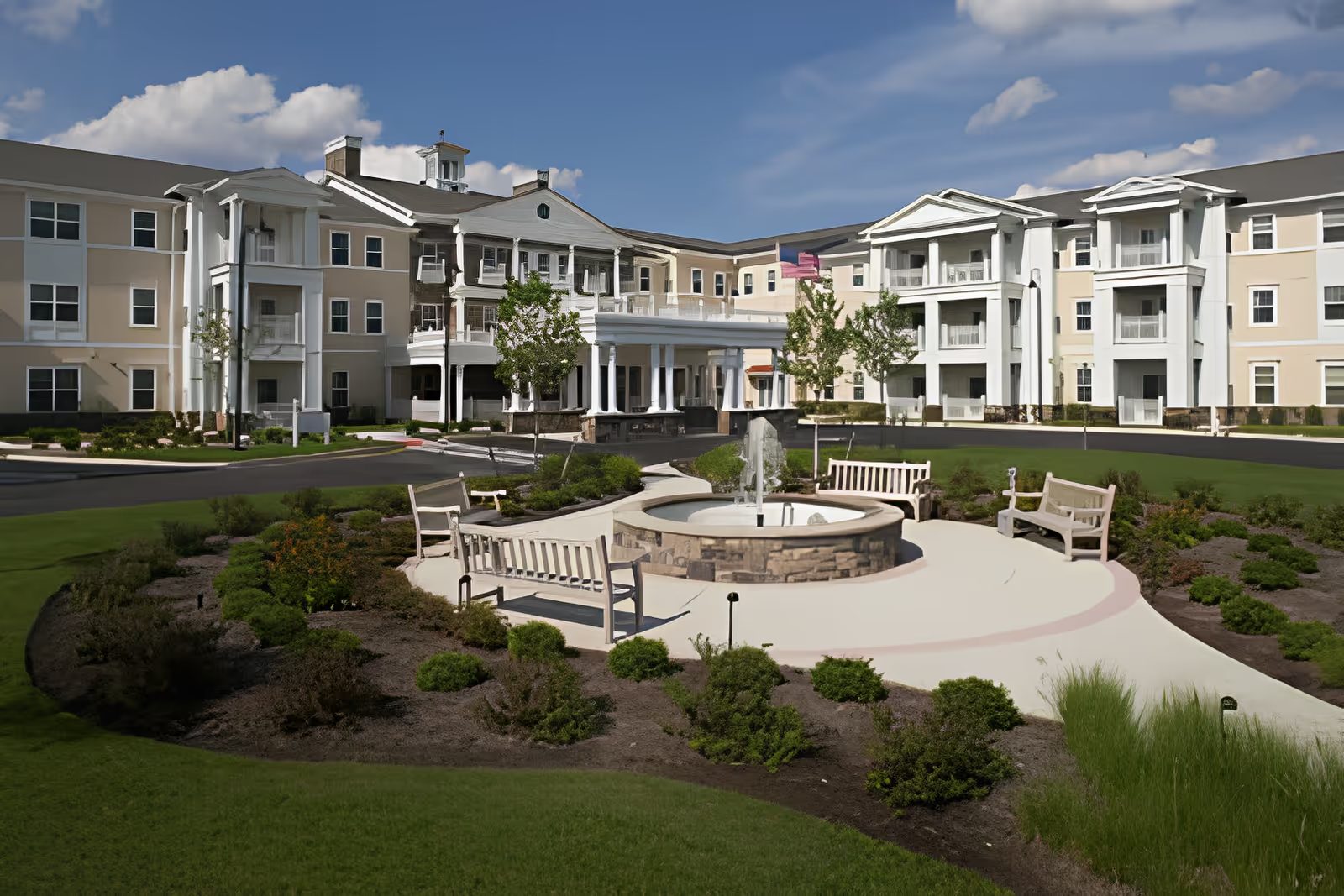
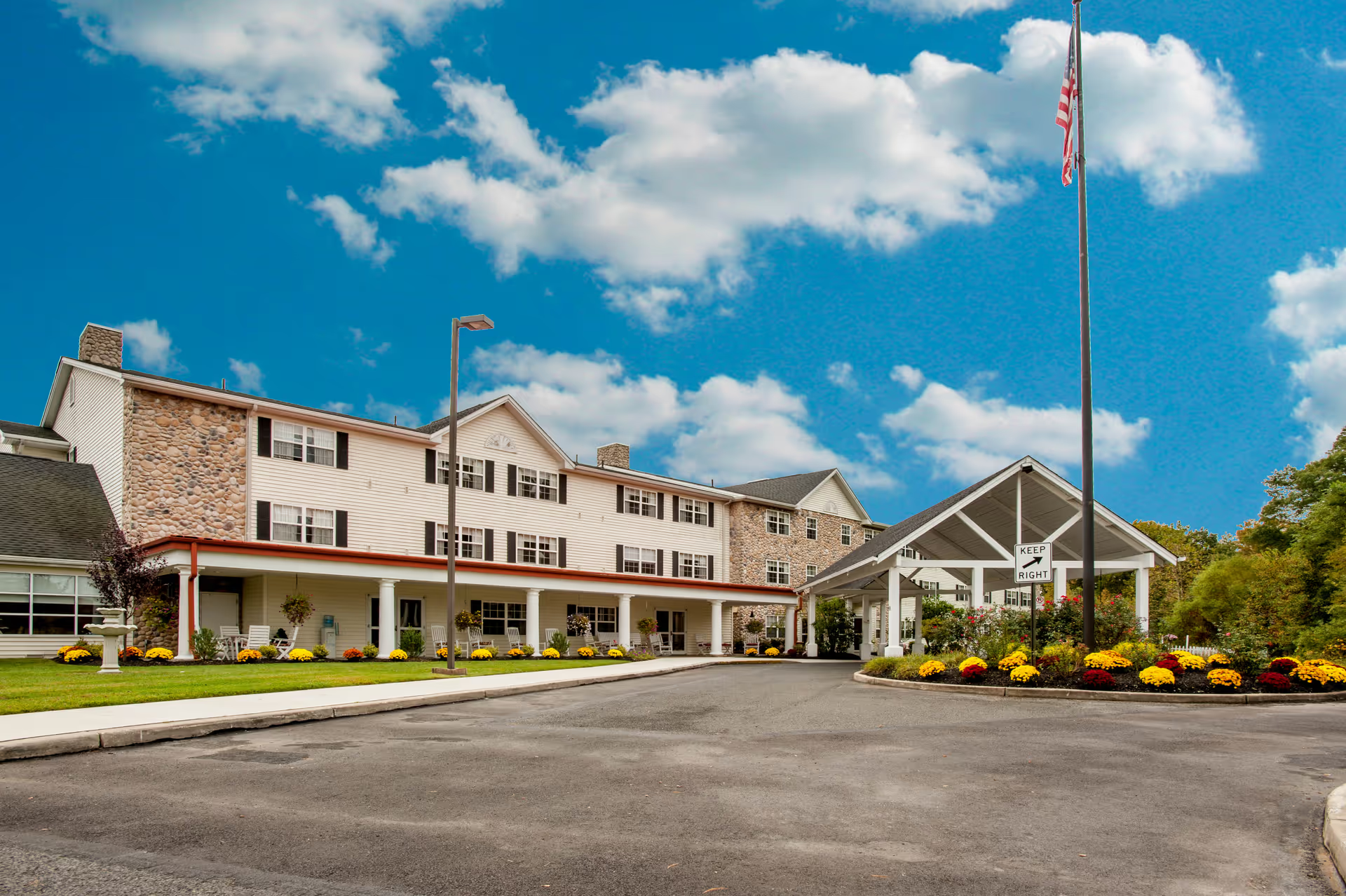
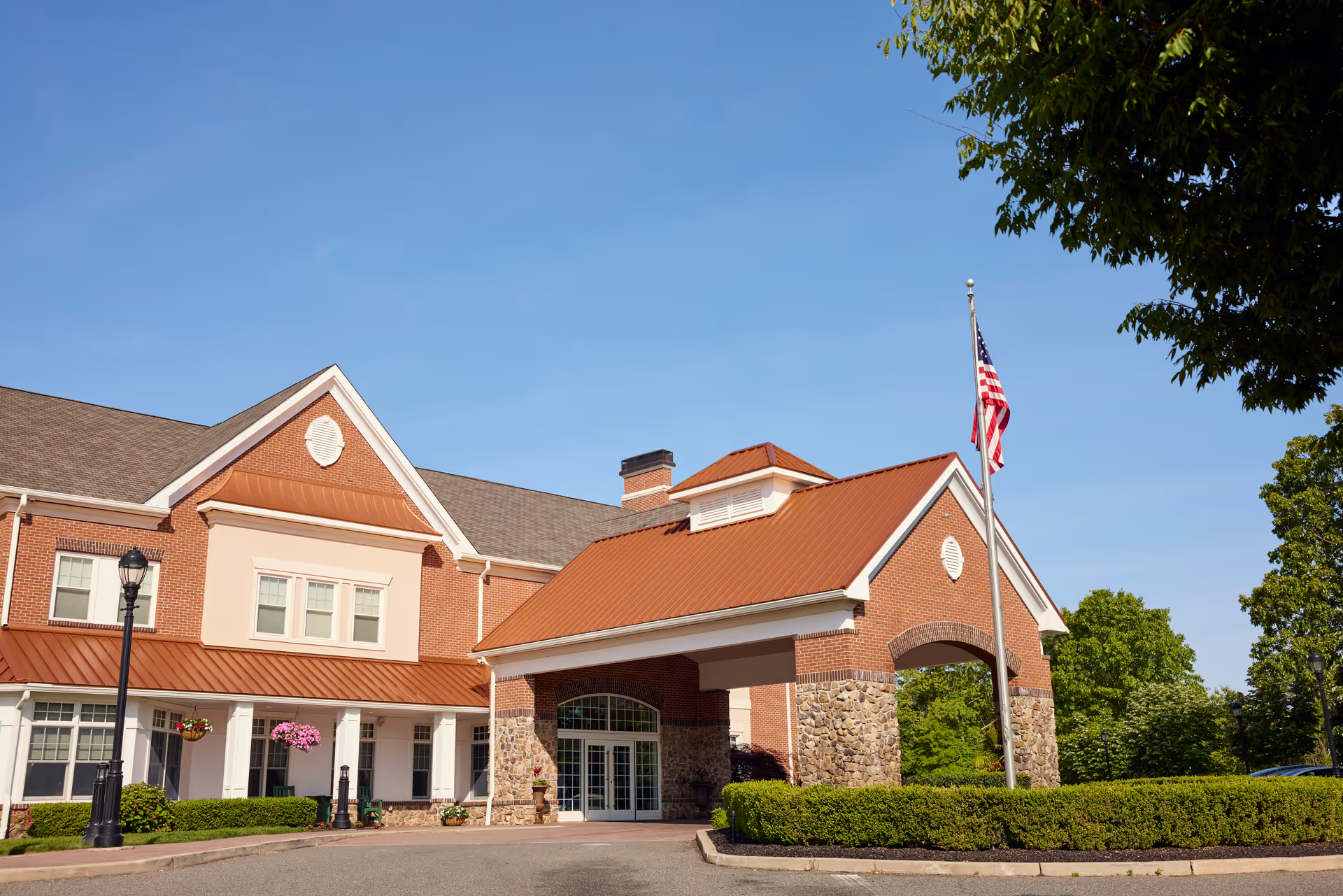
St. Mary’s Center for Rehabilitation & Healthcare elicits strongly polarized impressions. Many families and patients endorse the staff’s compassion, therapeutic skill set, and coordinated social-work support, and a substantial number of reviewers describe positive short‑term rehabilitation outcomes, attentive CNAs and nurses, and a welcoming reception process. The campus’ spiritual programming (daily Mass, rosary, and an on-site chapel), broad activities calendar (bingo, musicians, outdoor events), and well‑kept grounds are frequently cited as meaningful contributors to resident quality of life.
Clinical care descriptions are mixed. A consistent strength in multiple accounts is the therapy department: when functioning well, PT/OT teams are described as effective, communicative, and recovery‑focused. Nursing and aide staff are often characterized as compassionate and hands‑on, and specific individuals and units receive repeated praise for above‑and‑beyond efforts. However, there are recurrent operational concerns that appear to affect clinical reliability. Reviews describe staffing shortages and high patient‑to‑staff ratios that correlate with slower call‑bell responses, delays in basic assistance, inconsistencies in medication administration and clinical incident follow‑up, and uneven supply availability for routine care tasks. These patterns are associated with adverse outcomes in some narratives, suggesting gaps in clinical‑incident response, escalation, and family communication processes.
Dining and activities present a similarly mixed picture. Many accounts praise engaging programs, a variety of events, and a pleasant dining room experience; other accounts identify inconsistent meal quality, late dinner service, and limited assistance during mealtimes. Therapy scheduling and execution also vary: some families report intensive, effective therapy with measurable gains, while others describe missed sessions, delayed starts, or therapy that did not meet expectations. The result is a picture of departmental variability where individual teams and shifts can strongly influence a patient’s experience.
Facility condition and management themes recur across reviews. The campus contains multiple care levels and a chapel and offers appealing outdoor spaces, but parts of the physical plant are described as dated: aging rooms, worn wheelchairs and mattresses, areas needing painting and repair, and accessibility limitations at certain entrances. Equipment‑maintenance gaps and safety practice concerns are described in a way that suggests the need for stronger preventive maintenance and standardized transfer‑safety protocols. Management‑related themes include perceived changes after ownership transitions, uneven follow‑through on complaints, restrictive transport and visitation policy issues, and variability in how staffing and supply shortages are addressed.
Taken together, the pattern is one of a facility with clear strengths in human resources — many committed caregivers and effective therapy teams — coupled with operational inconsistencies that affect sanitation, staffing reliability, medication and incident management, meal service, and physical‑plant maintenance. Prospective residents and families should weigh the facility’s evident therapeutic and spiritual resources against these systemic concerns; when possible, arrange a unit‑level tour, speak with current family contacts, and obtain specific commitments in writing about staffing, therapy schedules, equipment maintenance, and transport/visitation policies before placement.