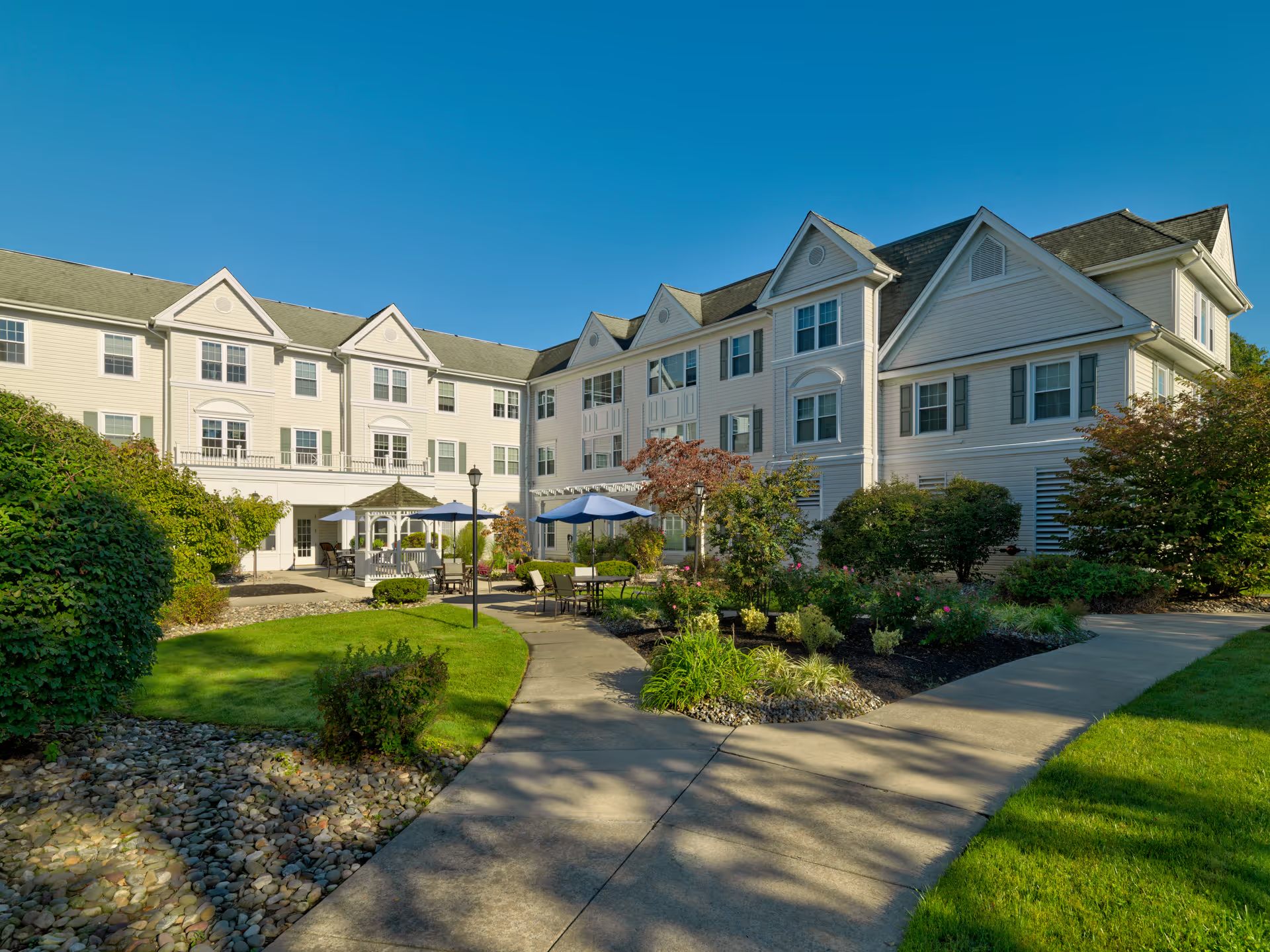
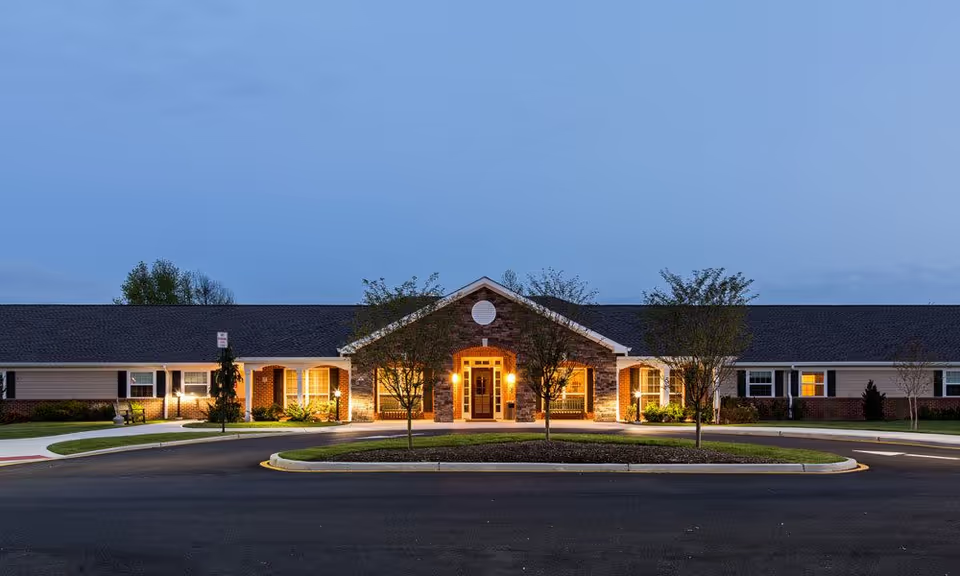
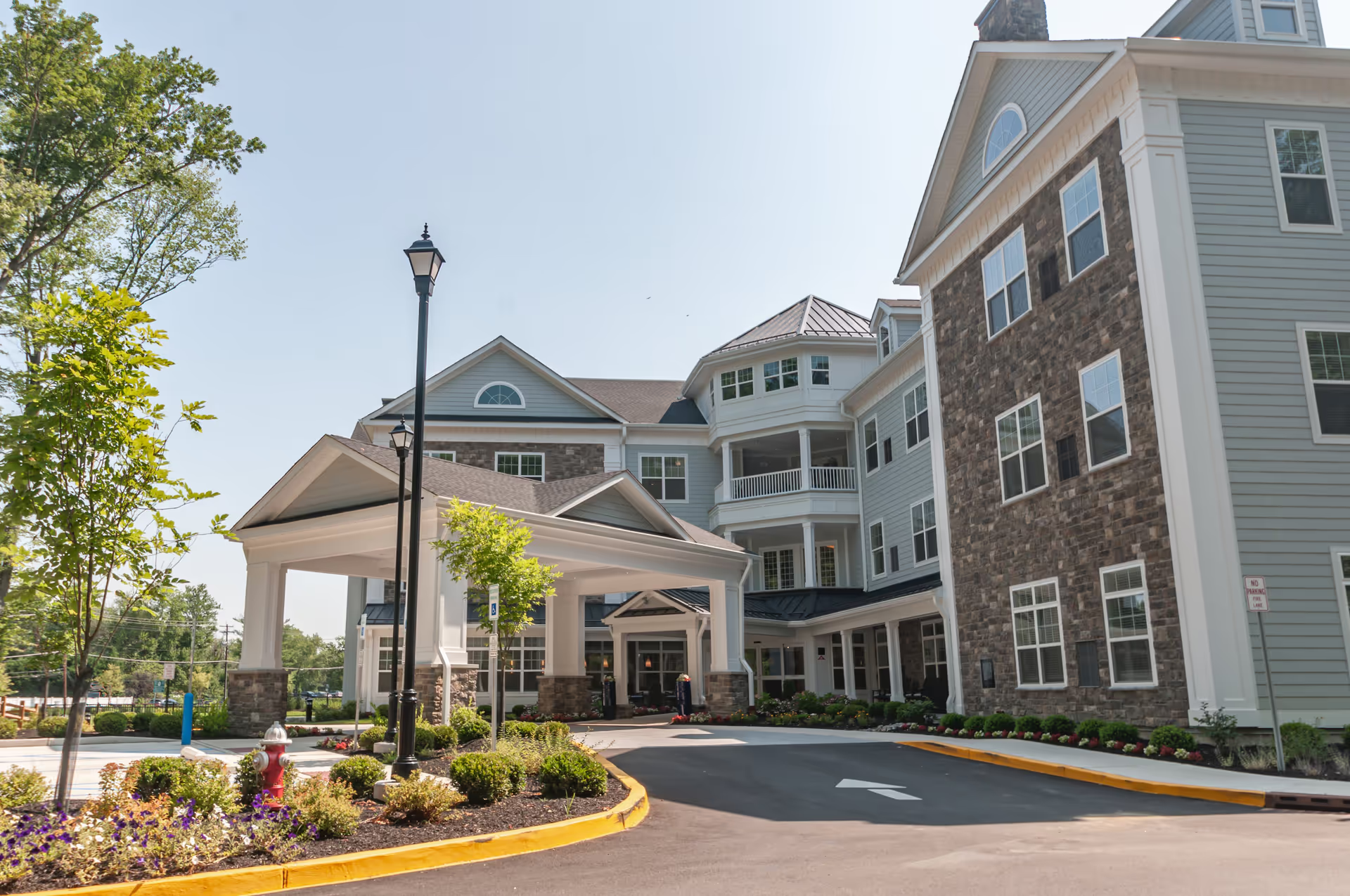
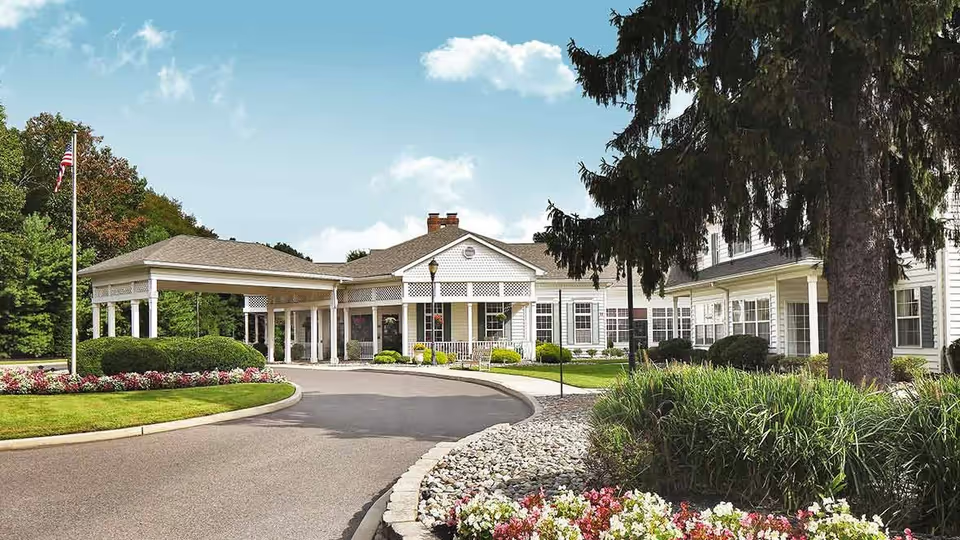
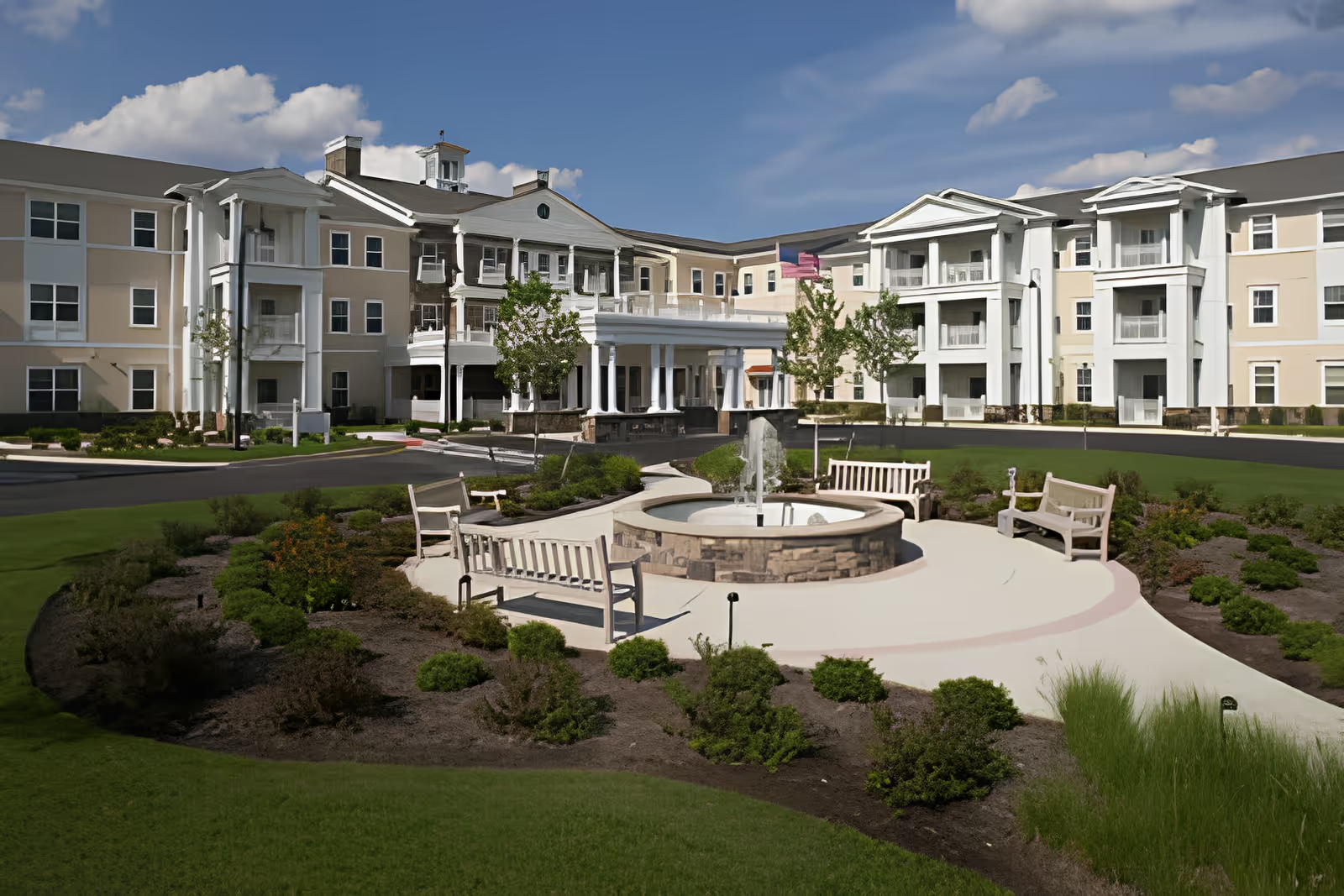
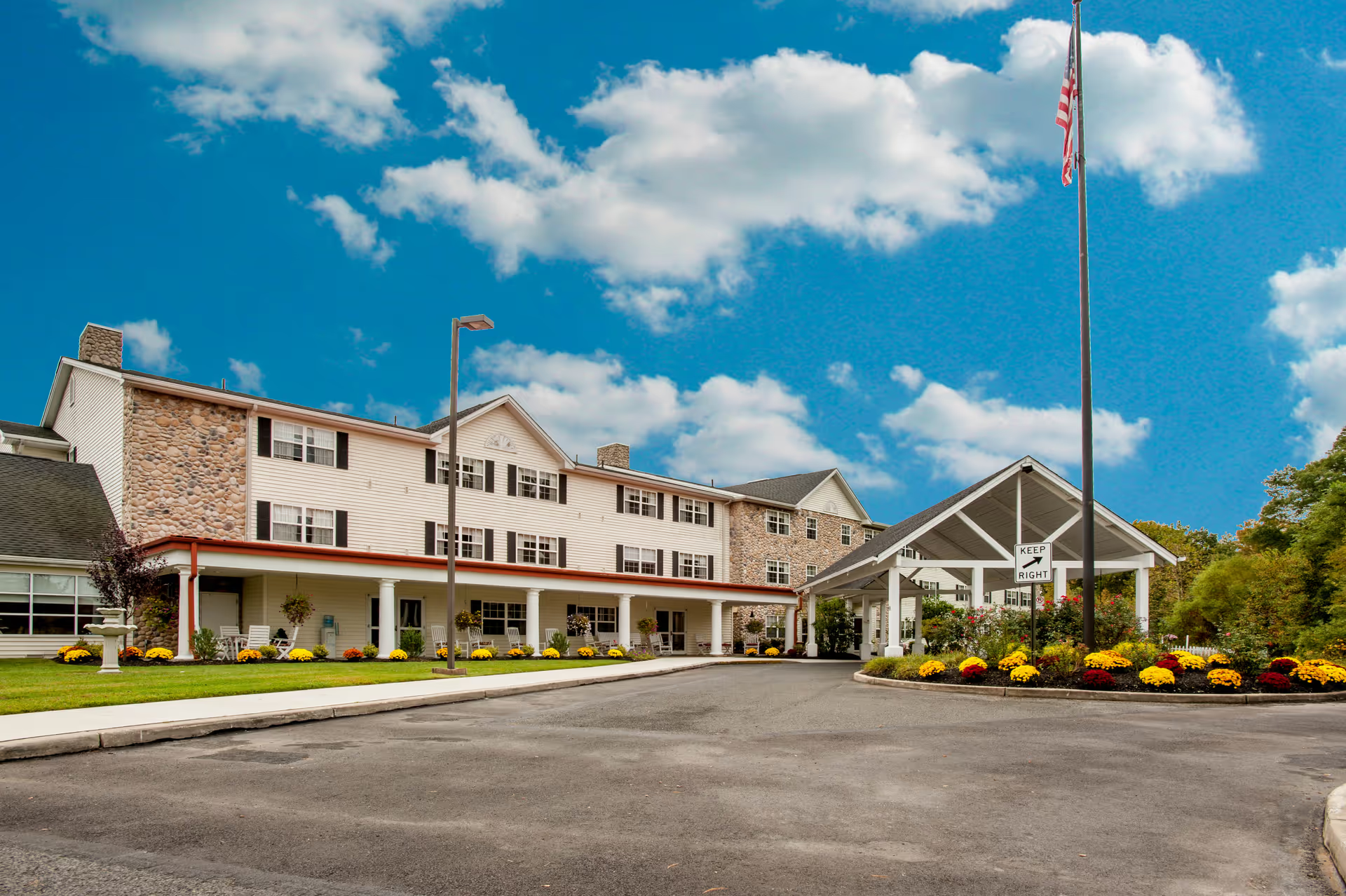
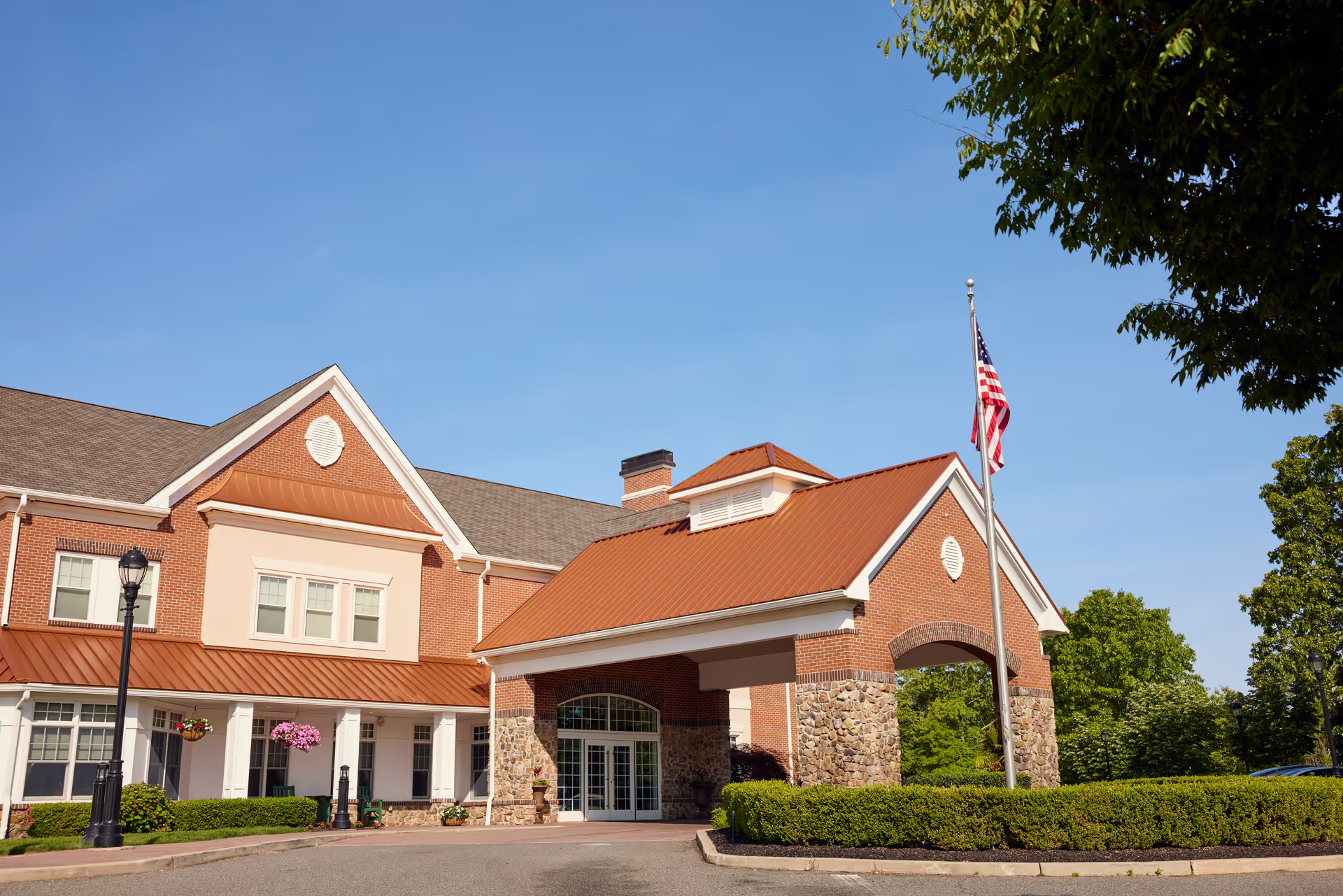
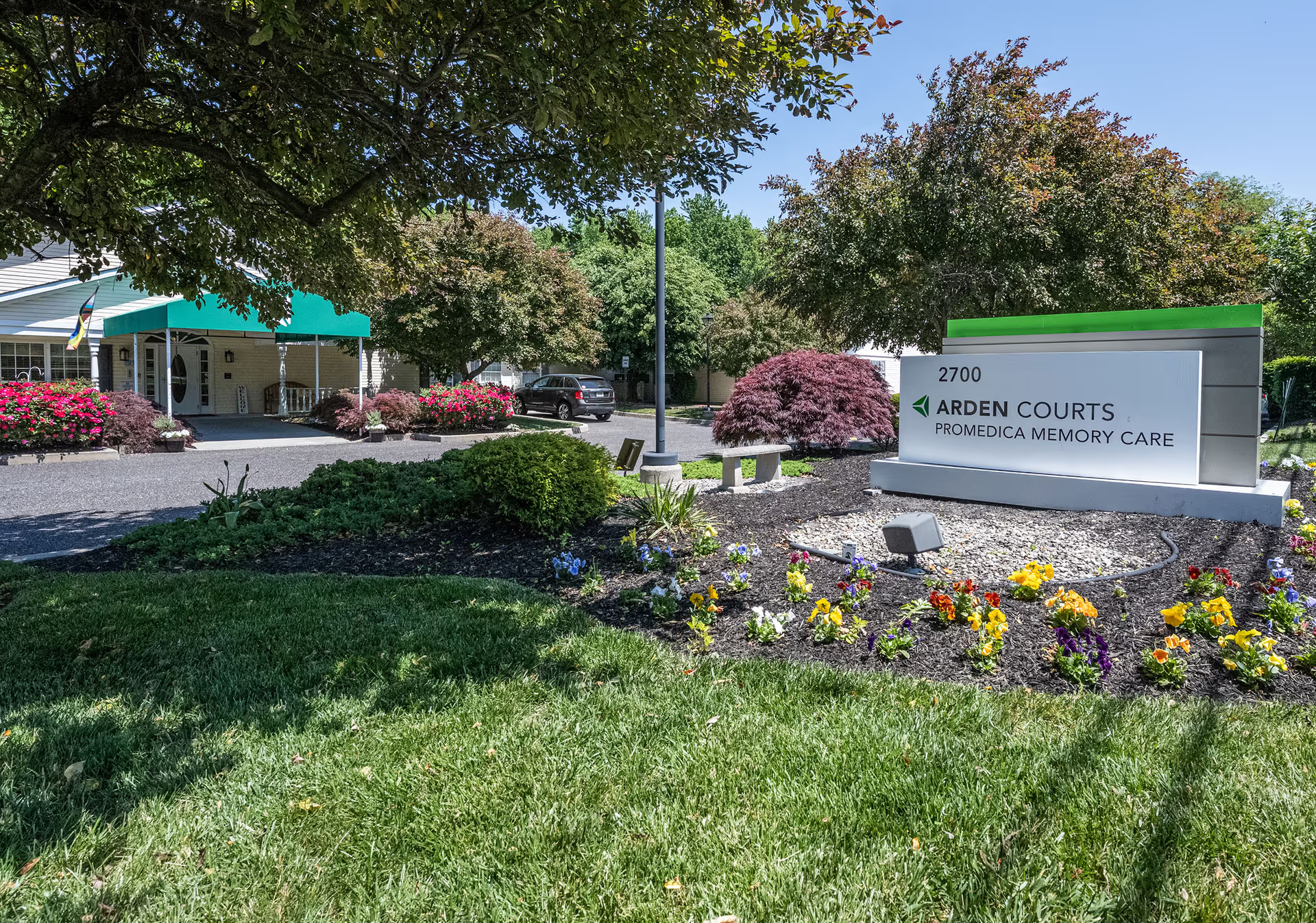
St. Mary’s Villa presents as a small, community-oriented independent and retirement living campus with many strengths in day-to-day resident life. Consistently noted positives include a clean, well-maintained environment, attractive grounds and walking paths, an active chapel and spiritual program, and a broad set of on-site amenities (salon, craft spaces, a small theater, common lounges). The independent living units are described as hotel-like and customizable, with weekly housekeeping and options to furnish or bring appliances. Overall atmosphere is often characterized as welcoming and peaceful.
Clinical and care services are a relative strength: reviewers cite attentive nursing, medication-management systems, on-site therapy departments (physical, occupational, speech), and nurse-on-duty coverage. These services support residents who need occasional clinical support while remaining in independent living. At the same time, there are indications of care-coordination gaps — for example, issues around dietary/medication effects on blood pressure and the need to confirm specialist clearances for procedures — so prospective residents with complex medical needs should verify clinical protocols and communications with outside providers.
Staff interactions receive largely positive remarks: tour and admissions staff are described as knowledgeable and welcoming, and day-to-day caregiving and nursing personnel are frequently called kind and helpful. However, there are recurring concerns about leadership and administrative communication. Complaints encompass billing and payment disputes, pressure around documentation, and conflict-resolution shortcomings; there are individual serious complaints including allegations of harassment and contested financial practices. Prospective residents and families should request clear written policies on billing, incident reporting, and grievance procedures before committing.
Dining and activities are generally reported as strong features. The campus offers restaurant-style dining with multiple seating areas, regular social events (bingo, ice cream socials), and planned outings (shopping and bus trips). Reviewers also note variability in the kitchen team and occasional interruptions to activity schedules (for example, pandemic-related pauses). This variability suggests meal quality and programming continuity may depend on staffing; ask about current dining staffing stability and the activity calendar during a visit.
The physical plant is described as older but well cared-for. Units and common areas are reported clean and orderly, though interiors are not uniformly modernized. Important operational limitations include limited in-unit kitchens for independent apartments, no walk-in showers or widely available wheelchair-accessible bathrooms in many units, and aging fixtures that may require upgrades. Connectivity is an operational concern: some residents experienced landline and cellular reception problems on campus, and signage/wayfinding has been described as confusing in places.
Cost and contract clarity are noteworthy considerations. Several accounts describe the community as costly and indicate extra out-of-pocket charges for accessibility modifications or upgrades. The facility can assist with VA reimbursement and housing-cost help, but families should obtain detailed written estimates of fees, policies on optional upgrades, and any potential additional charges.
Bottom line: St. Mary’s Villa appears well suited for prospective independent-living residents who prioritize a clean, amenity-rich, small-community environment with accessible therapy and nursing support. The strongest attributes are staff responsiveness, cleanliness, on-site services, and active programming. Prior to moving in, prospective residents should verify move-in unit readiness, accessibility accommodations, cellphone/telephone connectivity, current dining staffing stability, and obtain explicit written details about billing, additional charges, and the facility’s complaint-resolution process.