The reviews for Complete Care at Clark present a highly mixed picture. Many families and former residents describe excellent clinical rehabilitation outcomes, strong therapy teams, and individual nurses and aides who provide compassionate, hands‑on care. The recreation department and some ancillary services are frequently cited as warm, engaging, and responsive, and reception and social-work staff earned praise in numerous accounts for clear communication and effective discharge planning. These positive reports indicate that the facility has operational strengths in therapy, certain aspects of nursing care, and resident engagement.
At the same time, a substantial portion of feedback raises operational concerns that appear to affect resident safety and experience. Staffing levels were a common theme: reviewers described inconsistent caregiver availability, heavy use of agency staff, and particular shortages on weekends or nights. Those staffing patterns were associated with slow response times to call lights and requests for assistance, inconsistent bathing and hygiene schedules, missed or delayed medication and supplies, and variability in meal delivery and dining support. Several accounts outline lapses in transfer or mobility practices and wound care oversight, suggesting gaps in fall‑prevention processes and pressure‑injury management.
Communication and management practices are similarly uneven. While some families praised proactive administrators and social workers, others described difficulty reaching staff, unclear physician presence, delayed clinical decision‑making, and billing or discharge friction. Cleanliness and equipment status were also inconsistent across reports: parts of the facility and some staff were judged clean and professional, whereas other accounts described room‑level sanitation concerns, dated furnishings, and intermittent problems with oxygen or other devices. There are also allegations concerning missing personal items, which point to opportunities for stronger inventory and security controls.
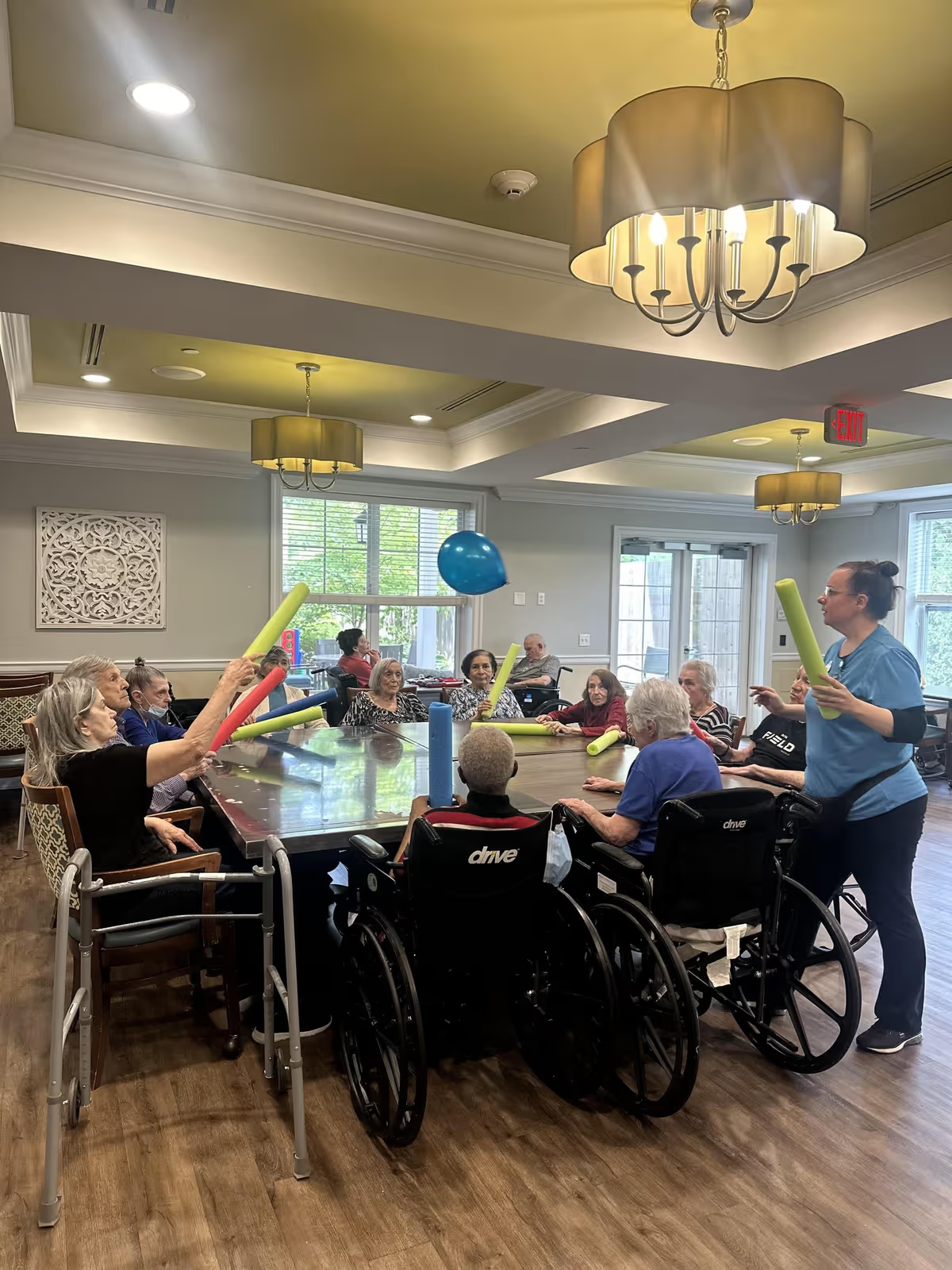
Dining and activities reflect the same polarity: the recreation program is often highlighted as a meaningful source of engagement, and some residents enjoyed varied, individualized meals with dietitian support. Conversely, many reviewers cited bland or repetitive menus, meal‑delivery errors, and instances when residents were not properly assisted at mealtimes. Overall, the pattern that emerges is one of variability — certain teams and shifts deliver high‑quality, attentive care, while other shifts or units display operational weaknesses that materially affect resident wellbeing.
For prospective residents and families: consider an in‑person tour that includes questions about staffing ratios by shift, weekend coverage, on‑site physician presence, wound‑care and fall‑prevention protocols, medication‑administration procedures, and personal‑item management. Ask to meet the therapy team, review recent inspection or complaint histories, and seek references from current families if possible. The facility appears capable of providing excellent rehabilitation and compassionate care in many cases, but consistent performance across all shifts and units is not uniformly reflected in the reviews; active advocacy and clear expectations appear important for families choosing this provider.