CareOne at the Highlands presents a mixed profile: its rehabilitation services are a clear strength while there are recurring operational and clinical variability issues that families should evaluate carefully. The therapy department — physical and occupational — is frequently cited for producing measurable recovery, offering both individualized and group sessions, and coordinating schedules around outings. For residents admitted for short-term rehab after surgery or a medical event, the facility’s therapy resources and rehabilitation focus are often highlighted as beneficial.
Clinical care beyond therapy is inconsistent across reports. Many families praise individual nurses, CNAs, and therapists for compassion and attentiveness, and several charge nurses and administrators are noted for good communication. At the same time, reviewers identify systemic problems such as understaffing, slow response to call lights, and variable medication administration practices, including missed or late doses. There are also repeated concerns about wound and skin-breakdown management and instances of lapses in care continuity that warrant attention for residents with higher medical needs.
Dining and activities are another area of mixed feedback. Some reviewers describe meals as better than expected, with tailored nutrition adjustments and acceptable puree options; others point to cold or repetitive food, limited non-meat and low-sodium choices, and inconsistency in meal service. Activity offerings and a friendly, family-like atmosphere are appreciated in many accounts, with social workers and therapy staff often engaging residents in games and group activities.
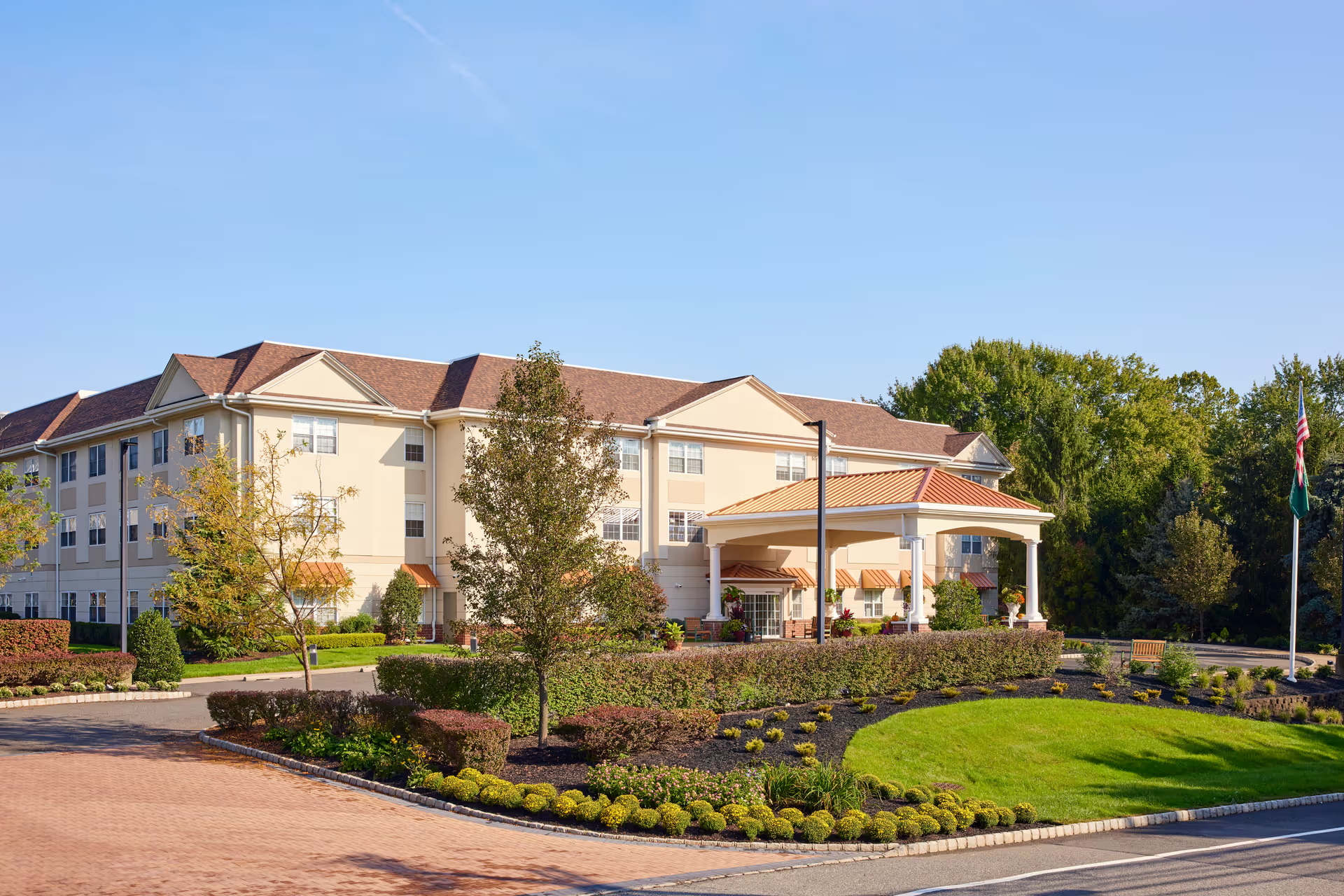
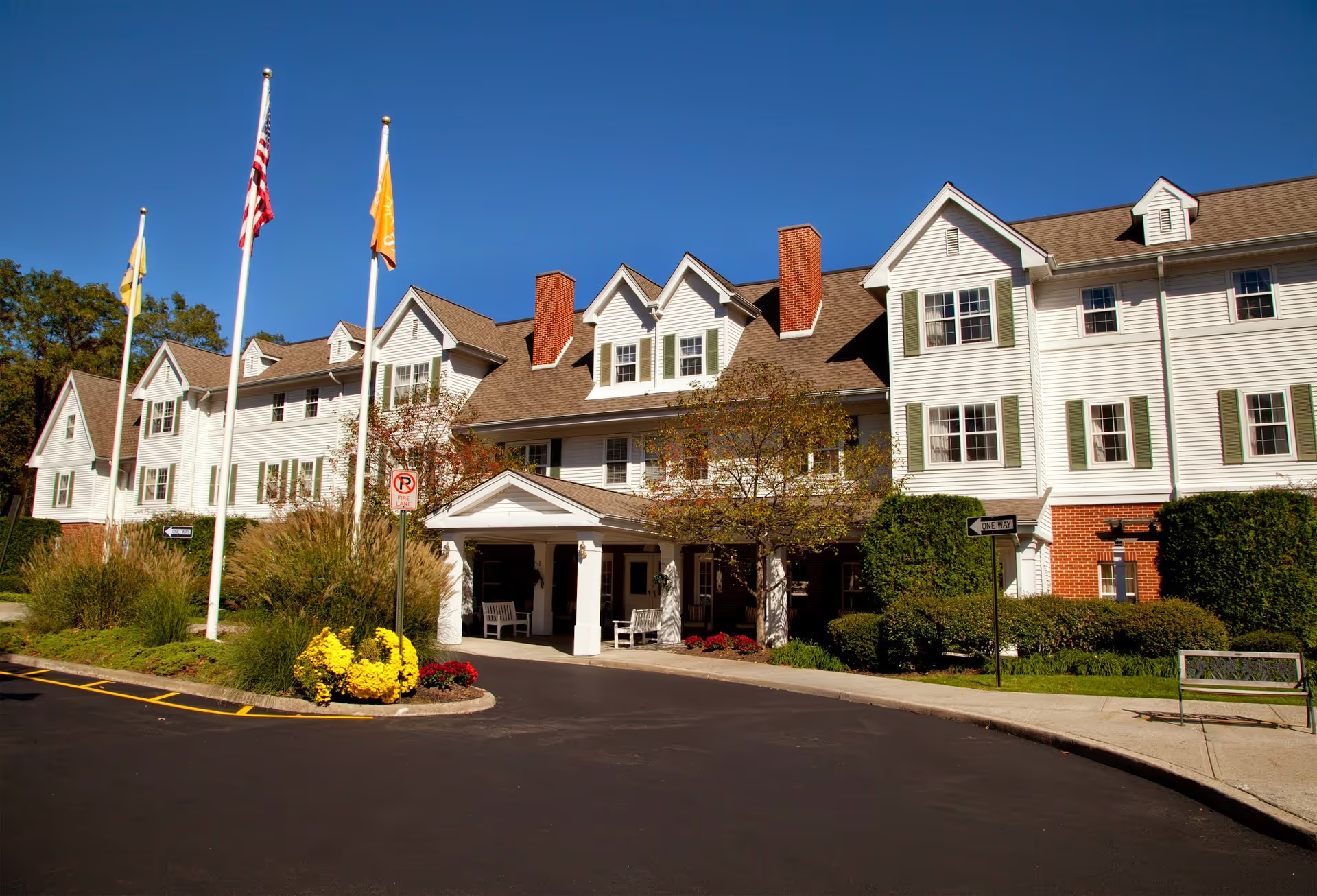
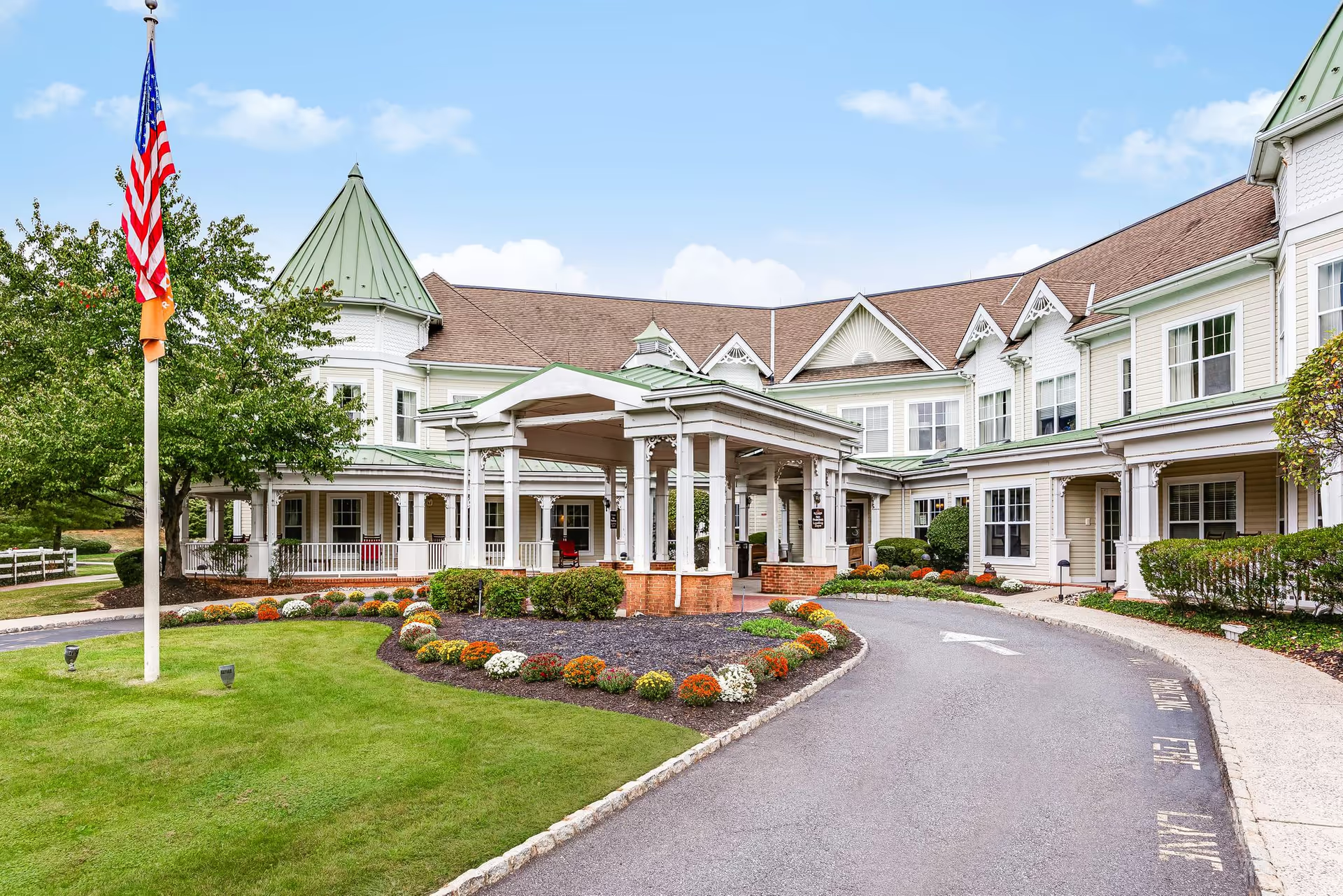
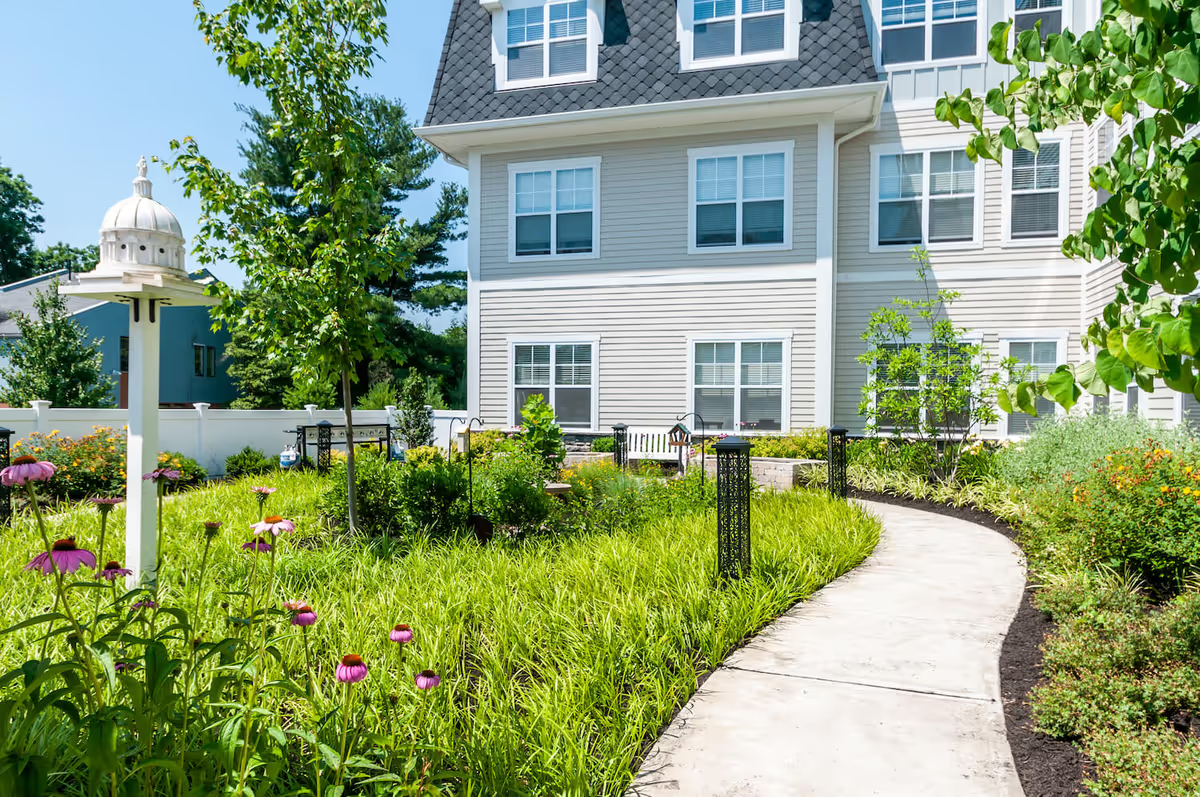
Facility condition and housekeeping show notable contrasts. Parts of the building have been renovated and are described as clean and comfortable, and maintenance response for repairs is sometimes prompt. Conversely, other accounts describe localized cleanliness and maintenance lapses — including water leaks, mold concerns, odor issues, and pest-control worries — indicating variability between wings or units rather than a uniform condition across the campus.
Management and operational coordination are uneven. Positive experiences with specific administrators and admissions staff are reported, and some families note helpful assistance with insurance and discharge planning. However, recurring themes include poor communication with families and outside physicians, transportation failures or scheduling problems, billing and paperwork delays, and concerns about security of personal belongings. A small number of reviews raise serious allegations about personal-property loss and care incidents; these are significant and should prompt direct inquiry during person-to-person visits.
Overall, CareOne at the Highlands may be a strong choice for patients whose primary need is intensive, therapist-led rehabilitation and who will have active family oversight. Prospective residents and families should verify current staffing levels, inquire about medication-safety protocols, wound-care practices, infection-control measures, dietary accommodations, transportation procedures, and property safeguards. Visiting the specific unit, meeting the therapy and nursing teams who will provide care, and confirming lines of communication with administrators can help align expectations with the facility’s variable performance patterns.