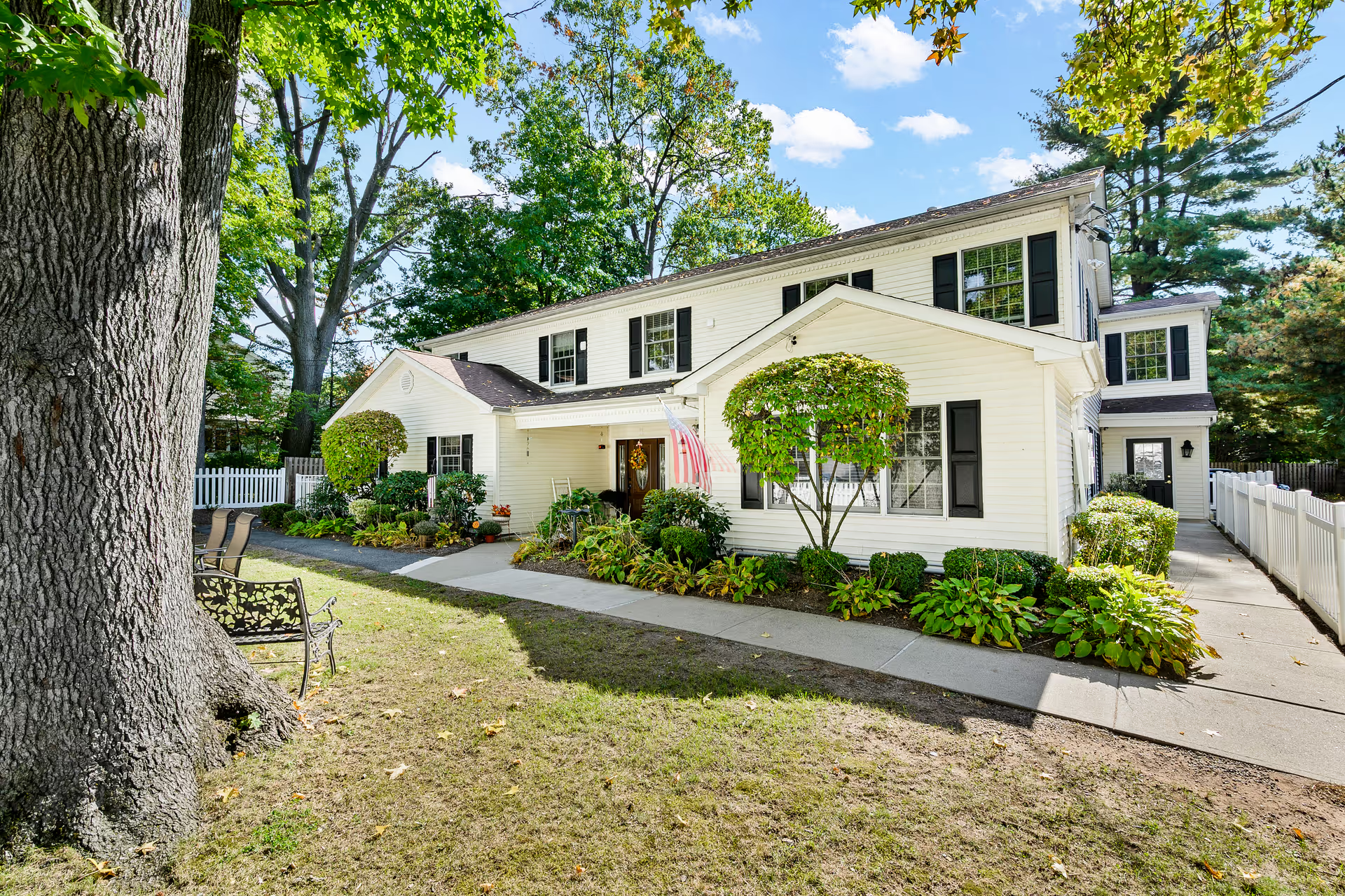
CareOne at Wellington presents a mixed but instructive profile. Many families and patients praised the facility's rehabilitation strengths: physical and occupational therapy teams are repeatedly singled out for facilitating measurable mobility and functional improvements. Reviewers consistently commend particular clinicians and supervisors who provide hands-on leadership, and the facility's amenities — a well-equipped gym, pleasant dining room, indoor chapel and outdoor access — support an active rehabilitation and social program. Admissions and front-desk staff often receive positive notes for ease of transition and initial coordination.
Nursing and direct-care staff receive both high praise and frequent criticism. Numerous accounts describe compassionate, attentive nurses and CNAs who provide dignified bedside care and patient support; however, this sits alongside recurrent descriptions of inconsistent responsiveness, especially during night and weekend shifts. Patterns mentioned include delayed call-bell responses, variability in bedside assistance, and uneven professionalism among staff members. These inconsistencies appear to be linked to staffing levels, shift coverage gaps, and occasional turnover.
Clinical-safety and process issues are a recurrent theme. Reviewers raised concerns about medication administration reliability and missing discharge medications, gaps in wound-care coordination, and uneven documentation practices. Several families cited delays in clinical escalation and hospital transfers as well as inconsistent follow-through on wound and infection management. These operational weaknesses suggest the need for stronger protocol adherence, clearer interdisciplinary communication, and improved charting practices to ensure continuity of care.
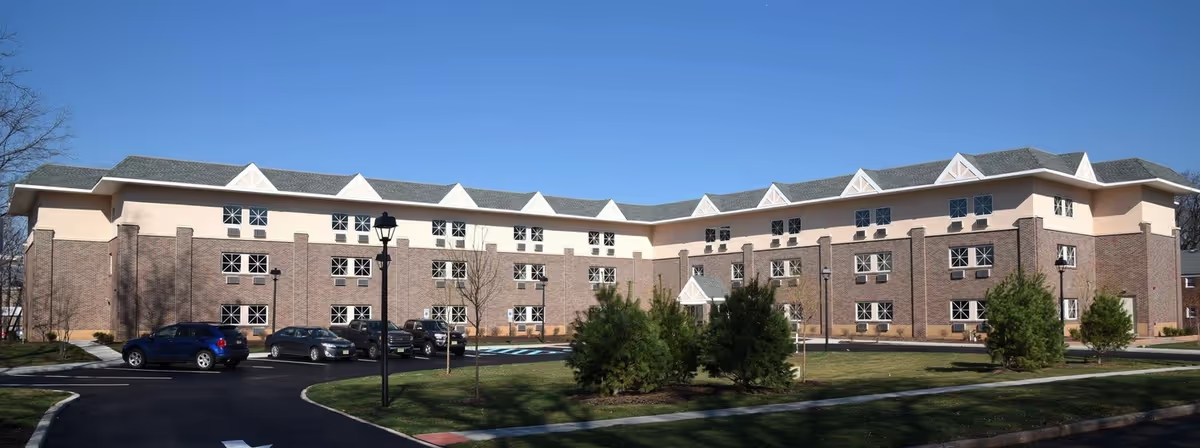
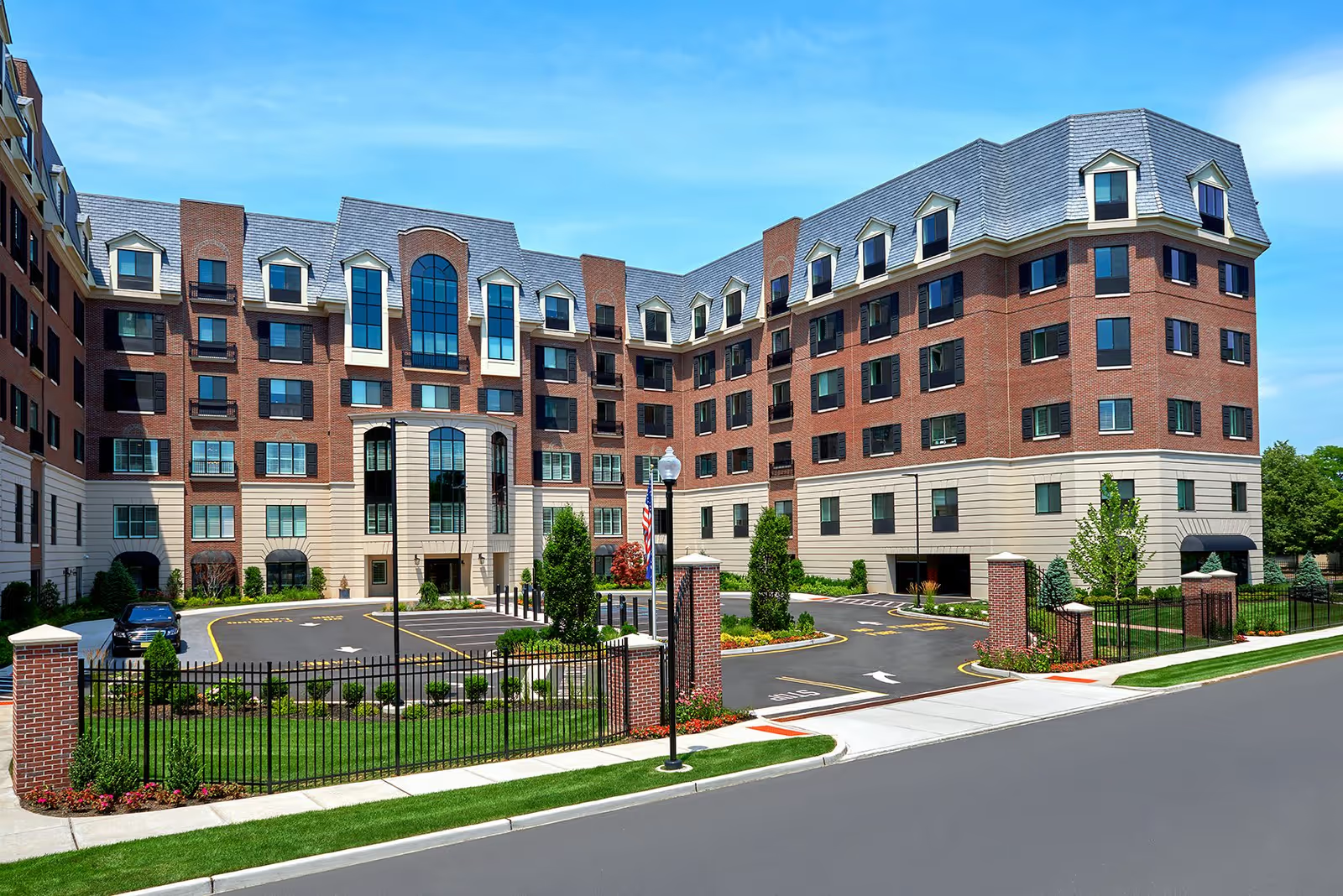
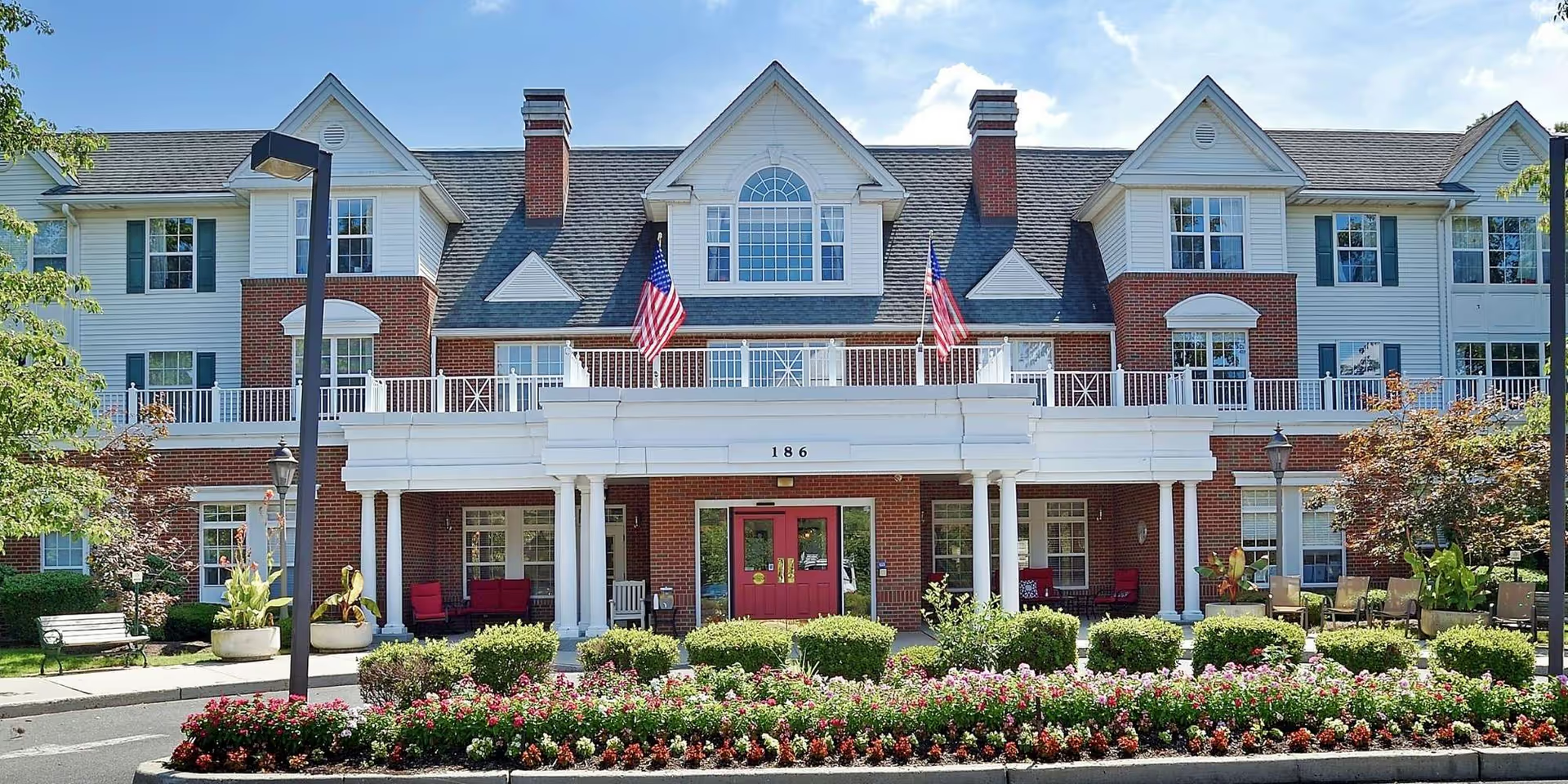
Dining, activities, and the built environment are generally strengths, with many positive comments about varied menus, attentive dining staff, and an active calendar of social and recreational offerings. At the same time, there are reports of inconsistent dietary accommodations (for example, therapeutic or vegetarian meals not always provided) and occasional meal-timing delays. The facility’s public spaces are often described as clean and hotel-like, but some reviews mention odor concerns in specific areas, small resident rooms with bulky furniture impeding mobility, and elevators with limited capacity that can affect accessibility and wait times.
Management and family communication receive mixed evaluations. Some families note responsive leadership and constructive problem resolution after concerns are raised, while others describe poor communication from social services, inadequate discharge planning, and examples of unprofessional conduct that warranted escalation. There are also isolated but serious allegations involving theft and other conduct; these underscore the importance of reviewing incident-response procedures and regulatory follow-up when evaluating the facility.
Overall, CareOne at Wellington offers strong rehabilitation programs, active social engagement, and many caring staff members, which produce positive recoveries for numerous residents. Prospective residents and families should weigh these strengths against recurring operational concerns — particularly around medication processes, wound care coordination, staffing consistency, sanitation practices in select units, and family communication. Suggested due diligence includes direct questions about staffing ratios and night/weekend coverage, protocols for medication reconciliation and discharge prescriptions, wound-care pathways and escalation procedures, and observation of unit cleanliness and mealtime accommodations during a visit.