Bridgeway Care and Rehabilitation Center at Hillsborough is frequently described as a modern, well‑appointed skilled nursing and rehabilitation facility with particular strengths in therapy and family communication. Reviewers commonly highlight strong physical and occupational therapy programs, a dedicated short‑term rehabilitation pavilion, and robust therapy equipment that support many residents in regaining mobility and returning home. Numerous accounts praise therapists and aides for individualized training in daily activities and for achieving measurable improvements (for example, transitioning from wheelchair use to ambulation with a cane).
Staff quality is a central theme. Many families describe nursing and aide staff as warm, compassionate, and dignified in their interactions, with administrators and front‑desk personnel often singled out for professionalism and attentive visitor screening. The facility’s infection‑control governance and communication during infectious‑disease events are noted as organized, with facilitated in‑house visits and remote connections when required. At the same time, there are repeated operational concerns about staffing continuity: frequent nurse changes, intermittent low nurse‑to‑patient ratios, and occasional delays in buzzer or phone responses undermine continuity of care for some residents.
Dining and activities are both highlighted. Bridgeway offers printed and online menus and a wide activities schedule that includes bingo, karaoke, cooking classes, Family Feud–style events, crafts, and organized outings; these programs contribute to a vibrant community atmosphere and family satisfaction. However, dining quality appears inconsistent: some families praise well‑prepared meals and desserts, while others cite variability in food quality and lapses in following individual meal requirements or therapeutic diets. Reviewers also point to coordination gaps between nursing and dietary services as an operational weakness.
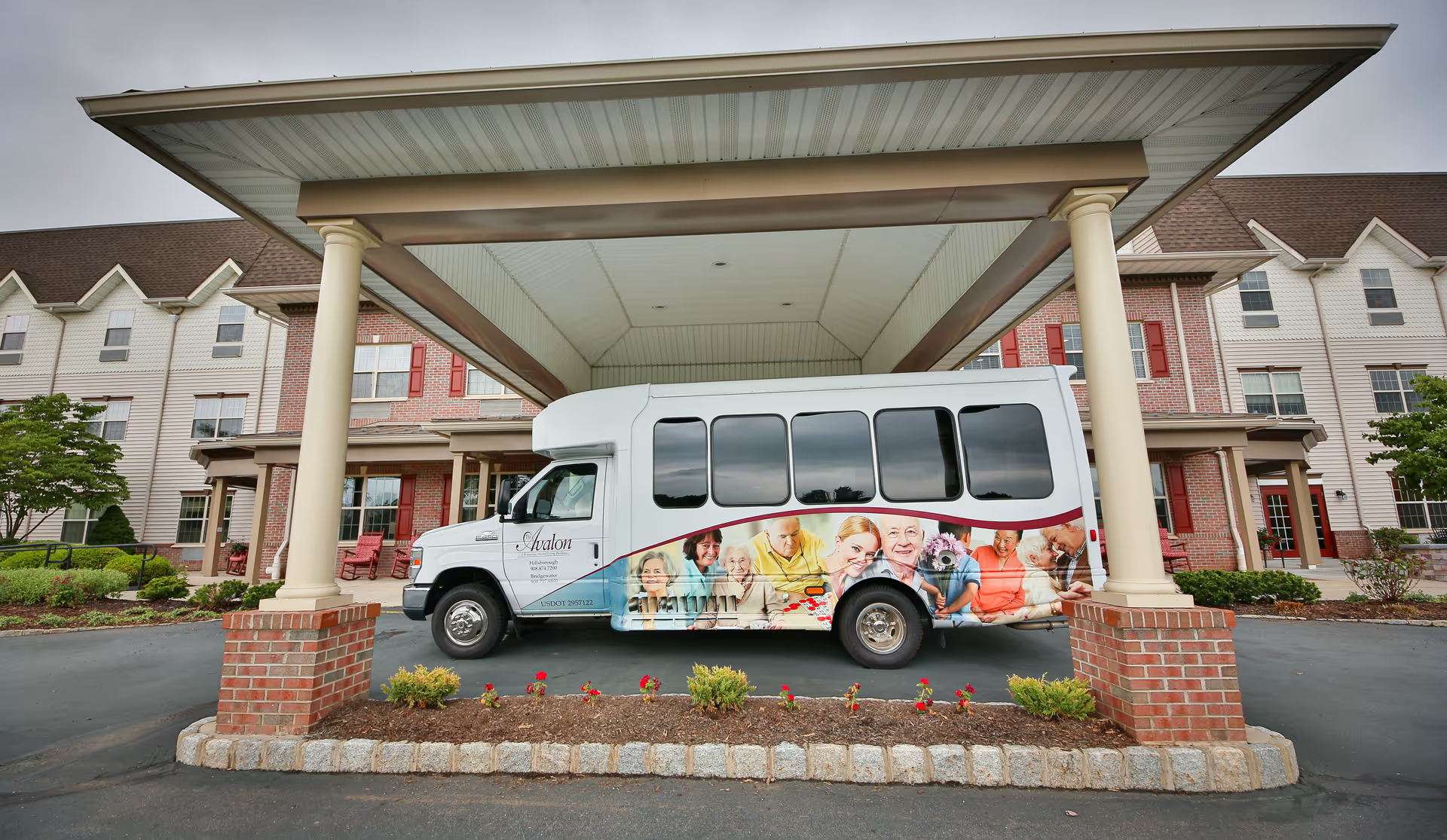
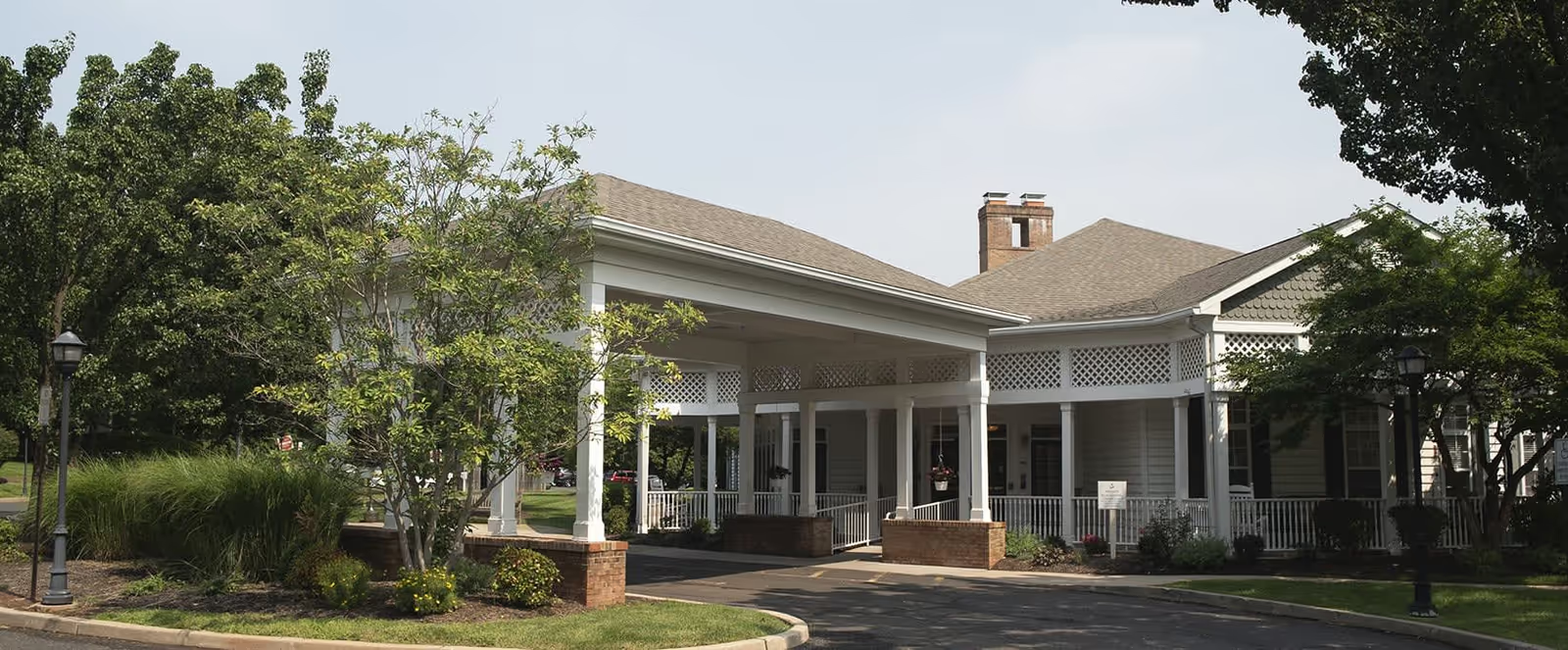
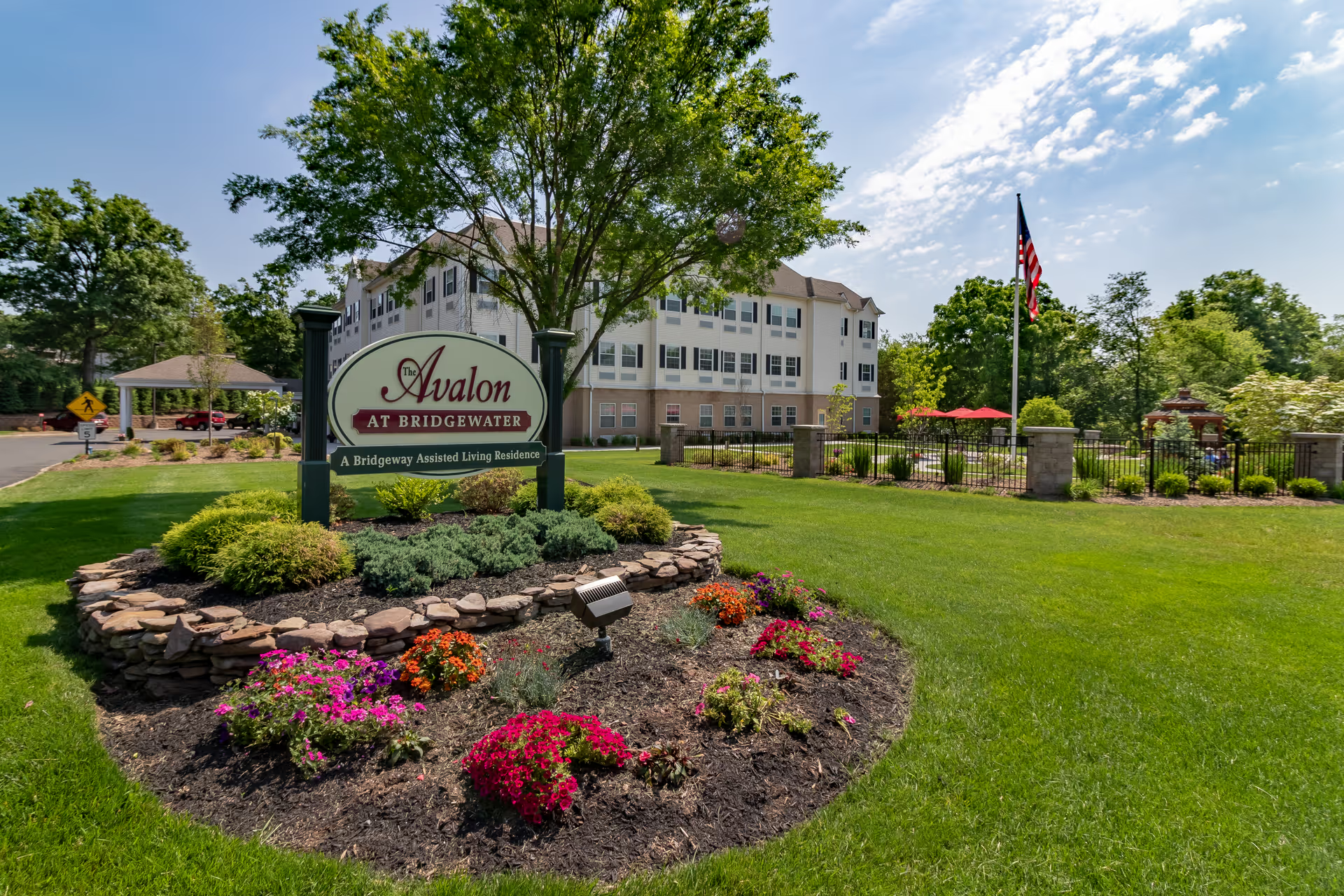
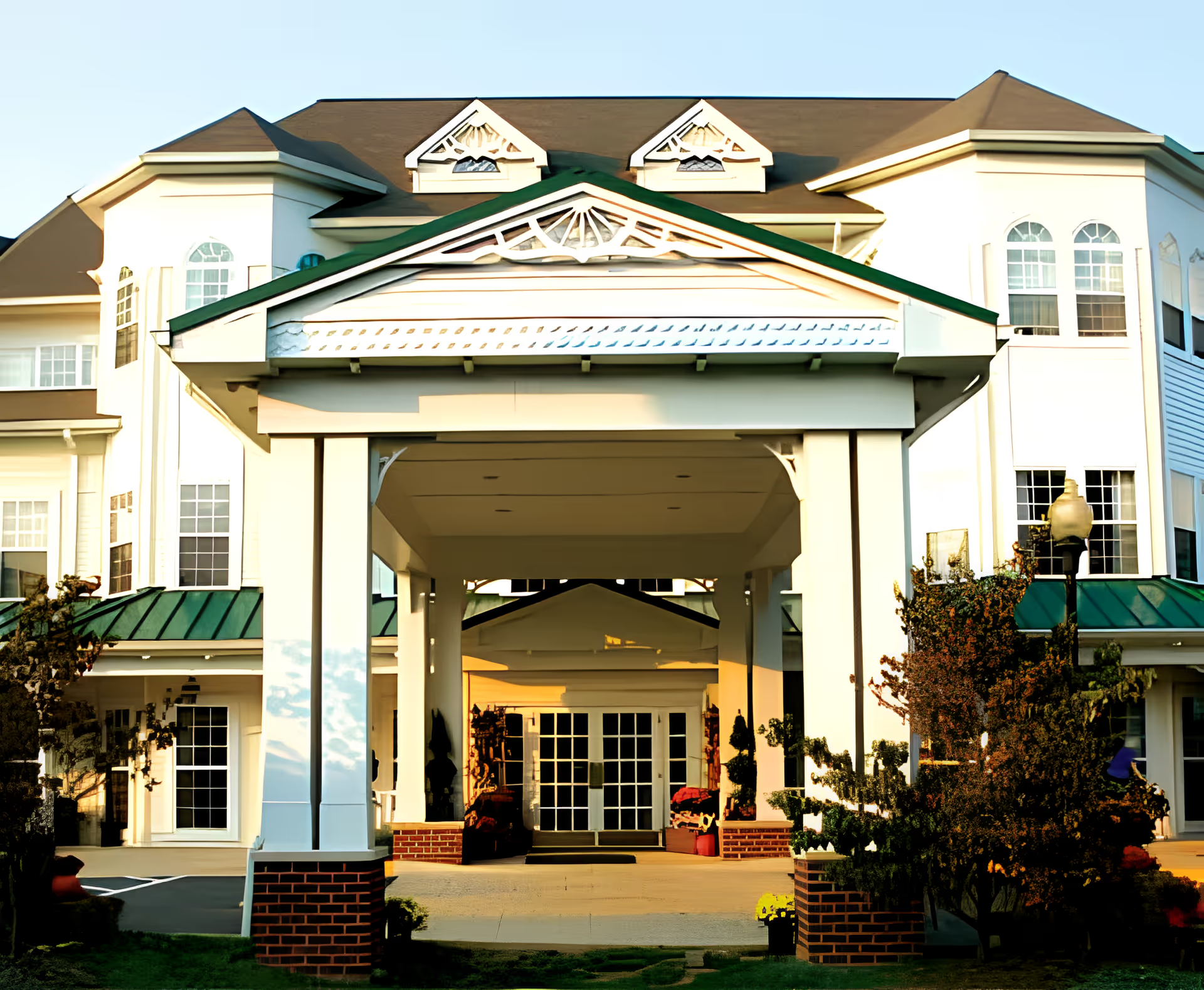
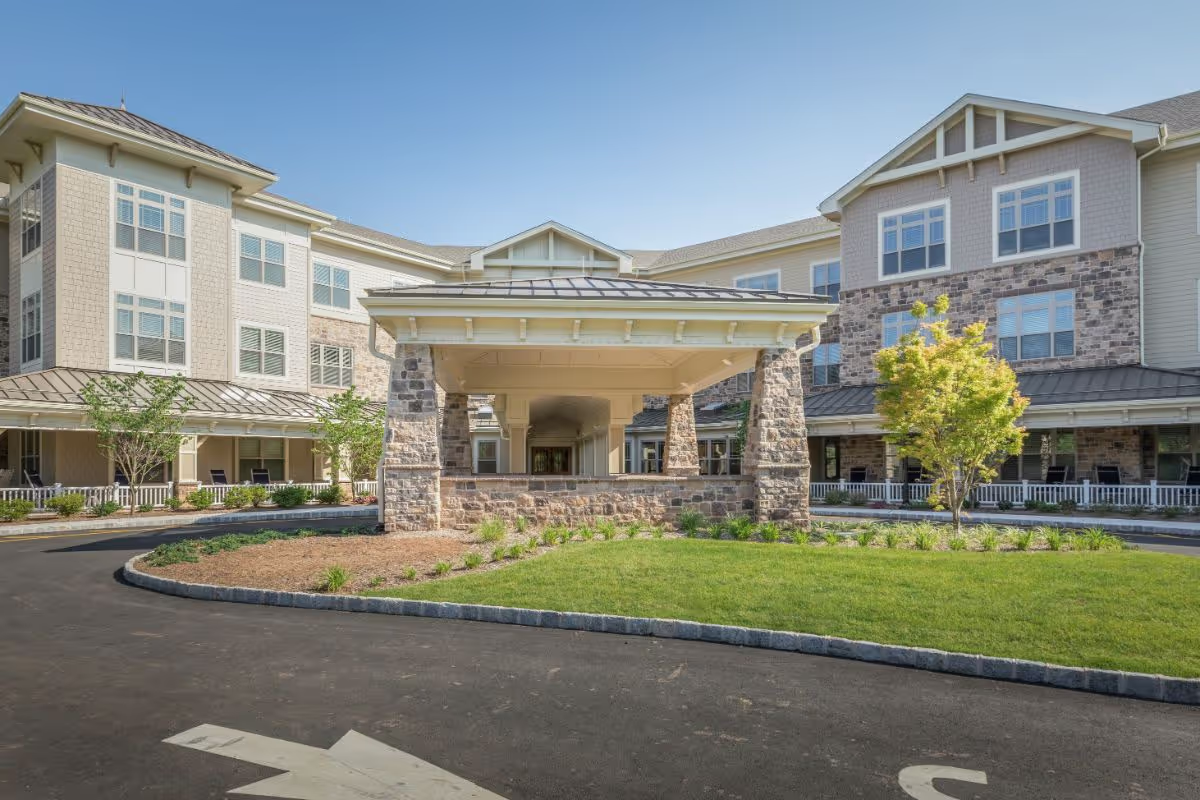
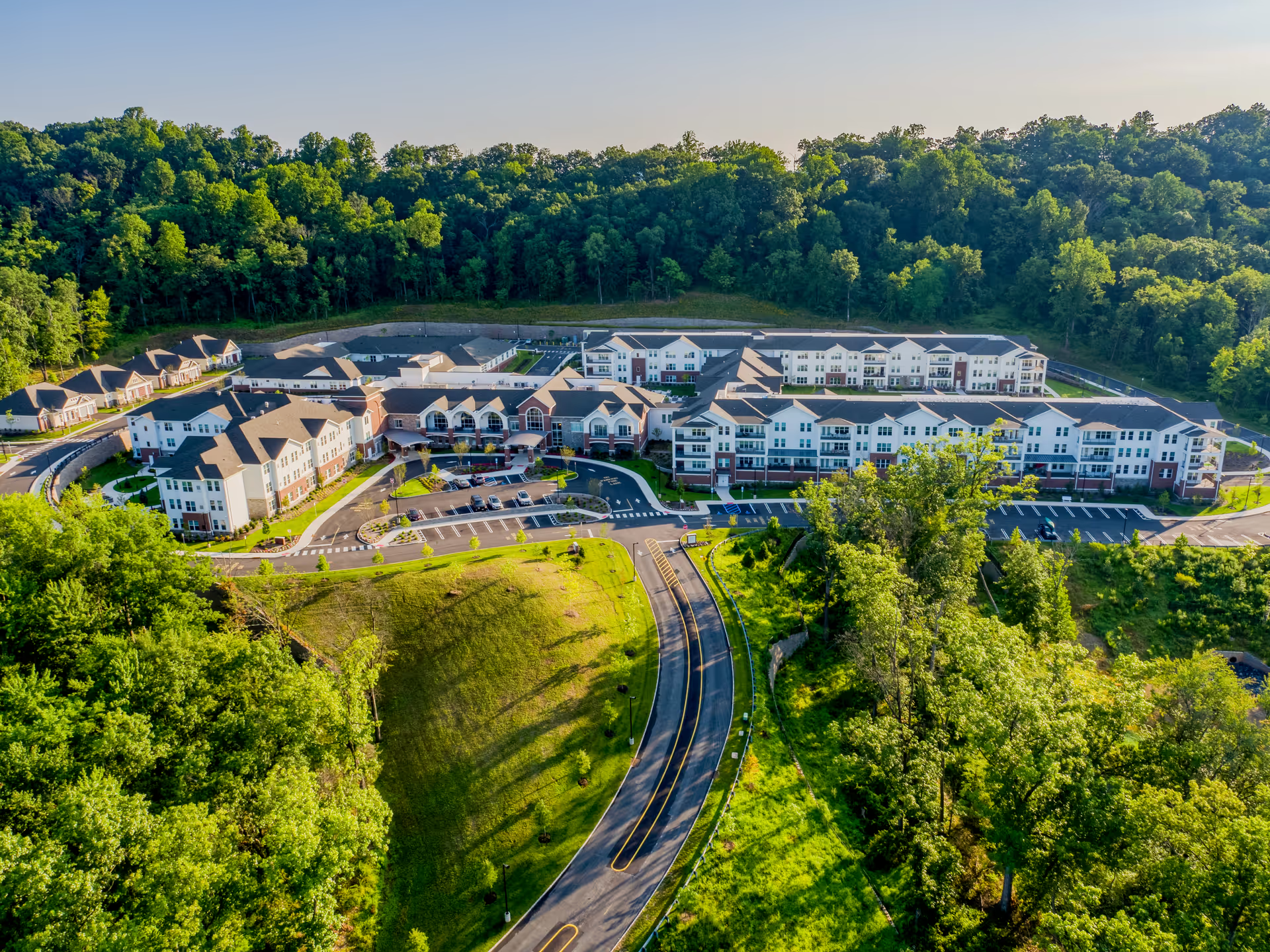
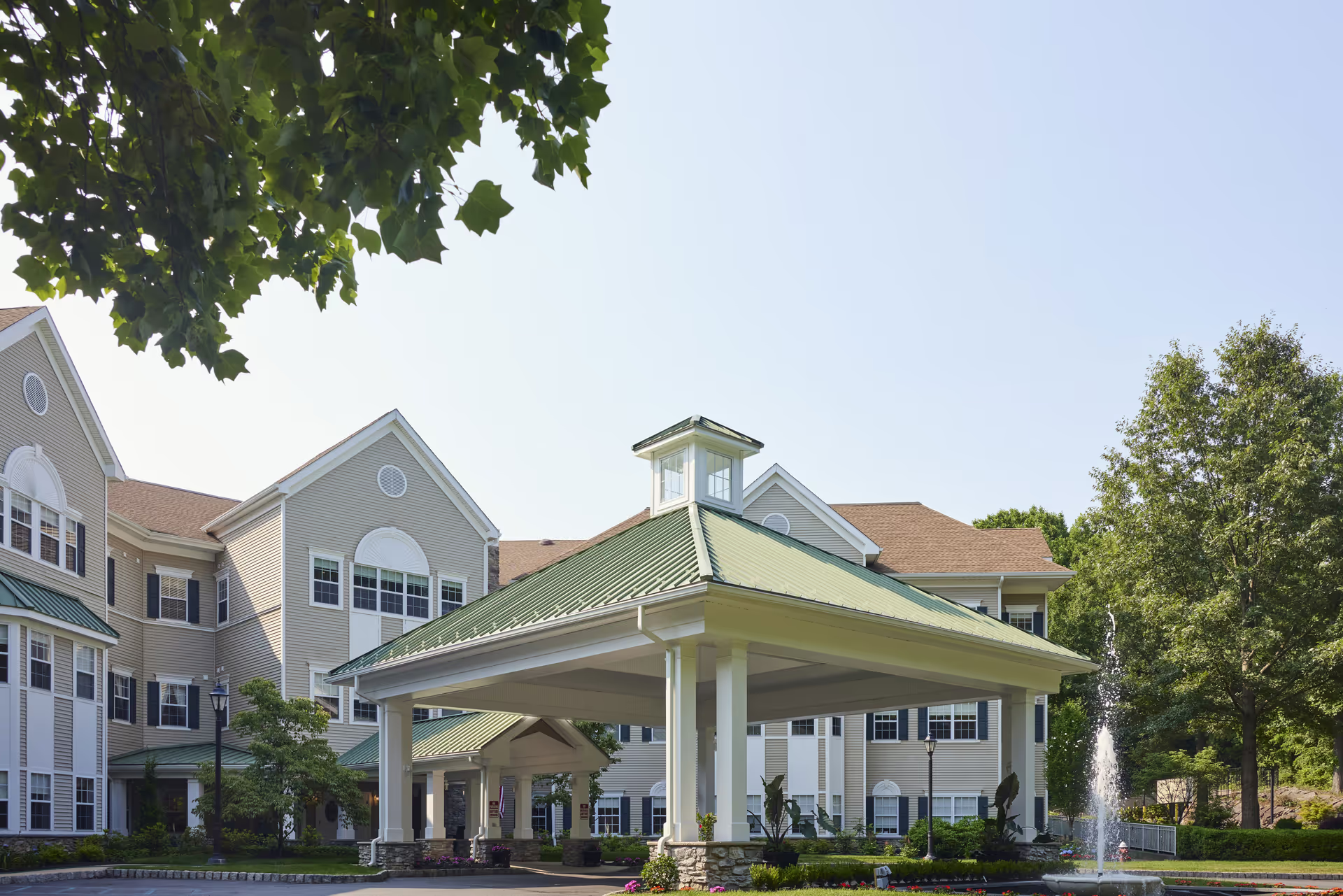
Facility design and amenities receive strong positive attention. Many reviewers note a bright, airy lobby, large rooms (though some are shared rather than private), modern furnishings, walk‑in showers with safety rails and chairs, and clean, wide hallways. The campus’s location on Route 28 and proximity to Avalon Assisted Living are seen as convenient. Despite frequent praise for cleanliness and upkeep, a subset of accounts raises concerns about inconsistent housekeeping standards in certain units, suggesting variability across the building rather than a facility‑wide uniformity.
Management and organizational patterns show mixed impressions. Several families commend responsive administration, well‑organized events, and staff who “go above and beyond.” Conversely, others describe perceived management apathy, cost‑control pressures, and uneven staff professionalism — including instances of unprofessional conversation in resident areas or difficulty reaching staff by phone. A small number of strongly negative accounts include allegations serious enough that families requested regulatory attention; these appear isolated amid broadly positive feedback but merit consideration when evaluating overall risk and oversight.
Overall, Bridgeway at Hillsborough presents as a therapy‑focused, well‑equipped facility with many strengths in patient rehabilitation, engaging activities, and a generally clean, comfortable environment. Prospective residents and families should weigh those strengths against operational patterns flagged across reviews: staffing continuity and responsiveness, inconsistent dining adherence to special diets, variability in housekeeping between units, and occasional concerns about management follow‑through. A site visit that evaluates nurse continuity on the resident’s unit, private‑room availability, and meal‑service coordination is recommended to assess whether the facility’s operational practices meet a particular resident’s needs.