Reviewers describe a facility with clear strengths in interpersonal care, rehabilitation services, and the physical environment, alongside recurring operational weaknesses that families should evaluate during a tour.
Care and staff: Many accounts praise compassionate, respectful interactions and note a knowledgeable clinical and therapy staff that delivers strong rehabilitation outcomes. Nursing and aide teams are often described as attentive and professional, and several reviewers expressed gratitude for supportive, patient-centered care—particularly for short-term rehab and end-of-life support. At the same time, there is a pattern of variability in staff conduct and availability. Reviewers raised concerns about inconsistent staffing levels (notably at night), which reviewers link to delayed responses and safety risks during transfers or assisted sitting/feeding. Families should inquire about staffing ratios, overnight coverage, and transfer-safety protocols.
Dining and nutrition: The facility receives mixed feedback on dining. Some families appreciate varied menus and effective accommodation for food allergies, while others noted that therapeutic diets (for example, heart-healthy plans) were not consistently implemented as expected. There are also mentions of feeding-safety practices that warrant clarification. Prospective residents and families should ask how therapeutic diets are documented and monitored, how feeding assistance is trained and supervised, and how kitchen–nursing communication is handled.
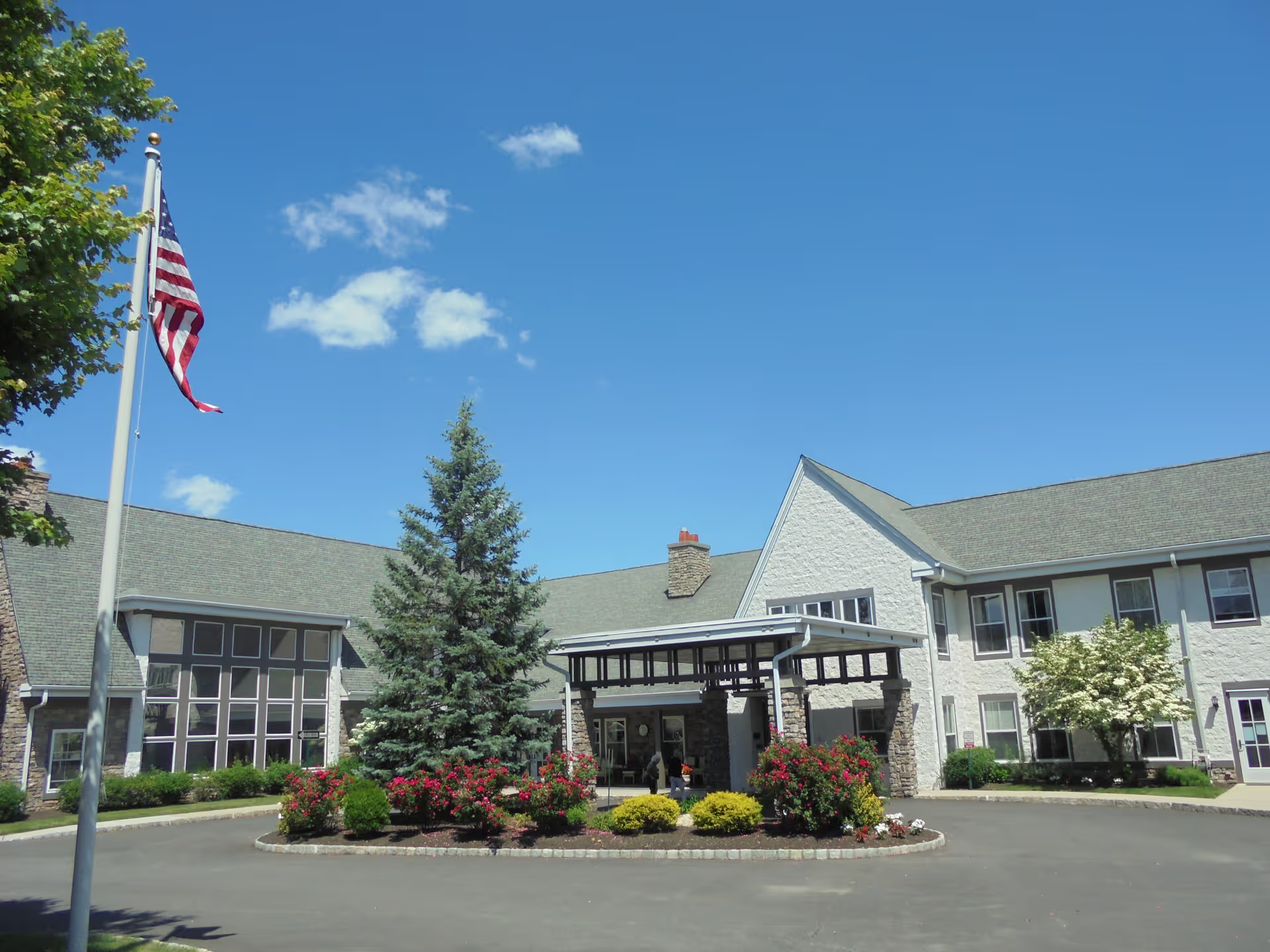
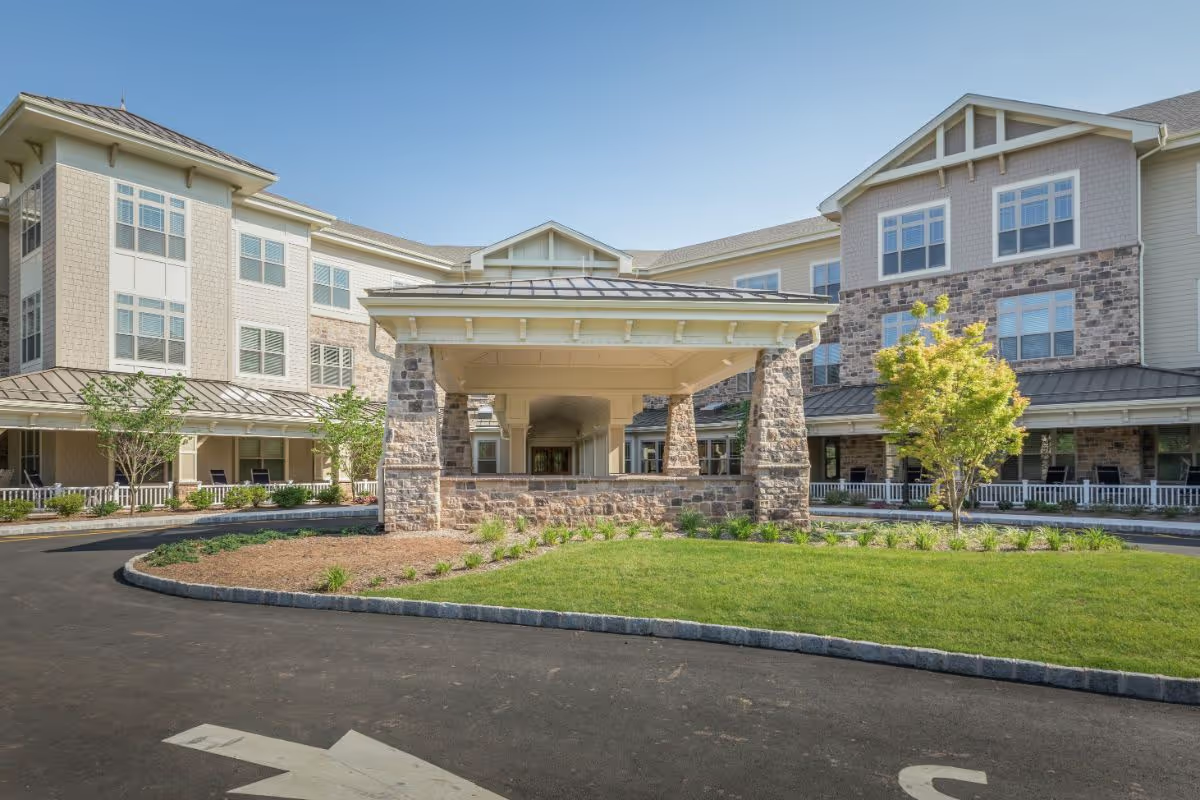
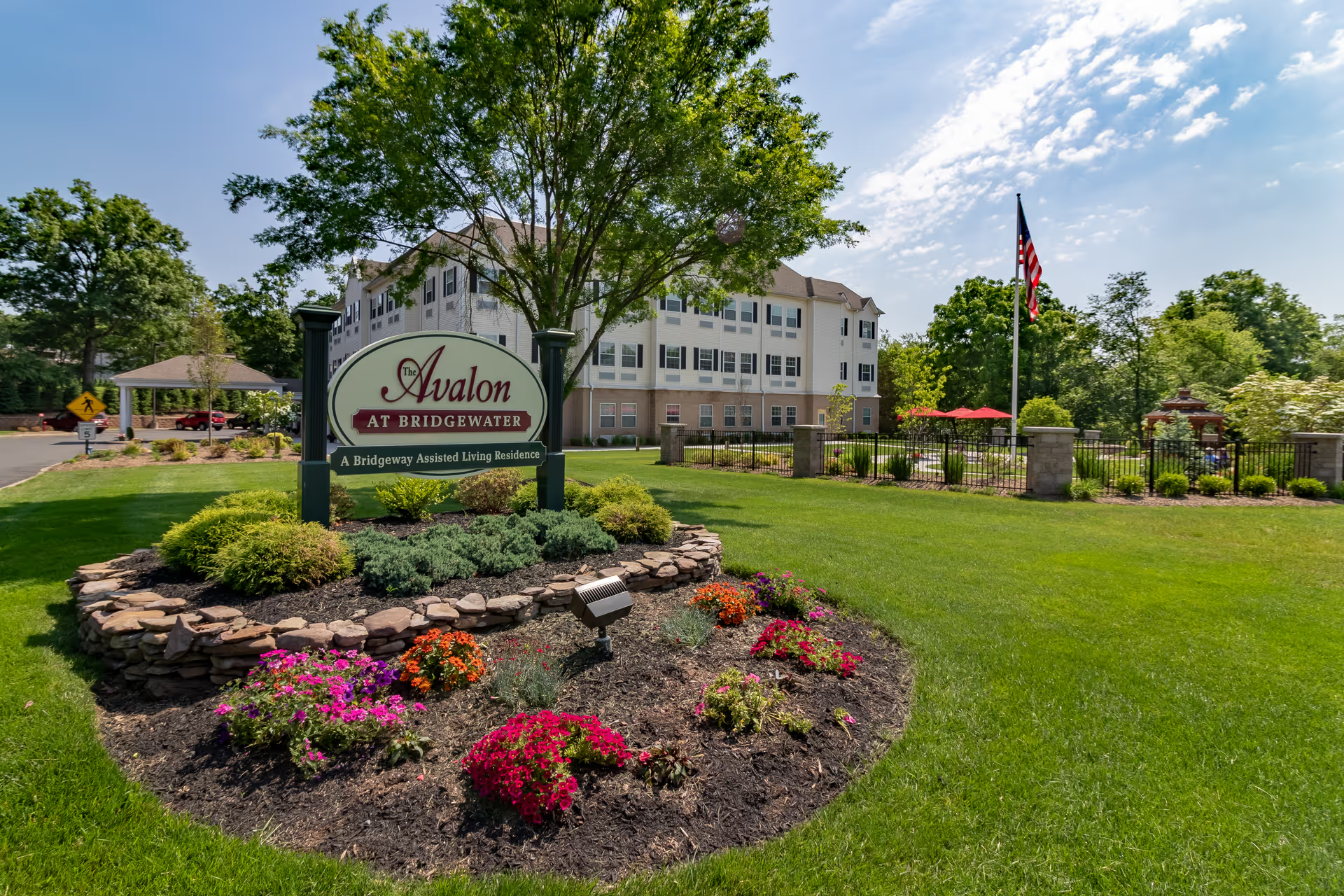
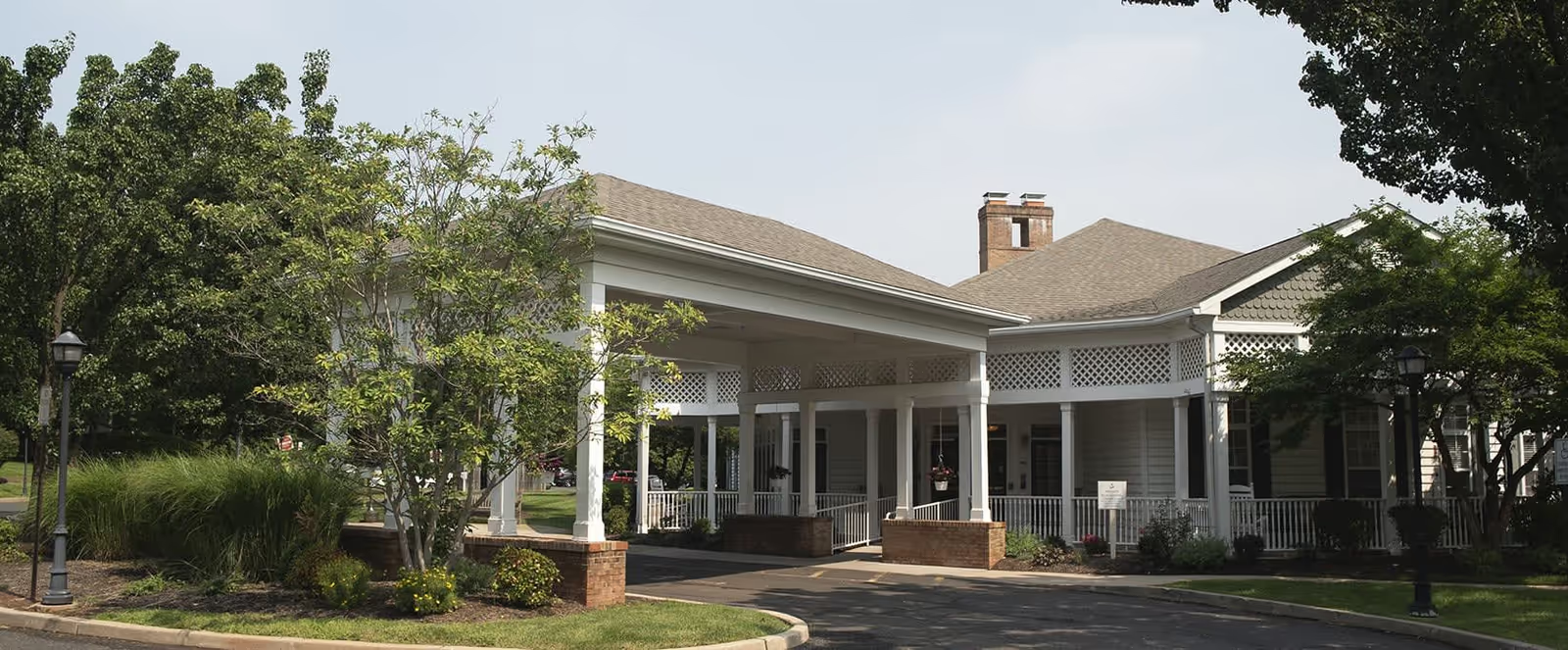
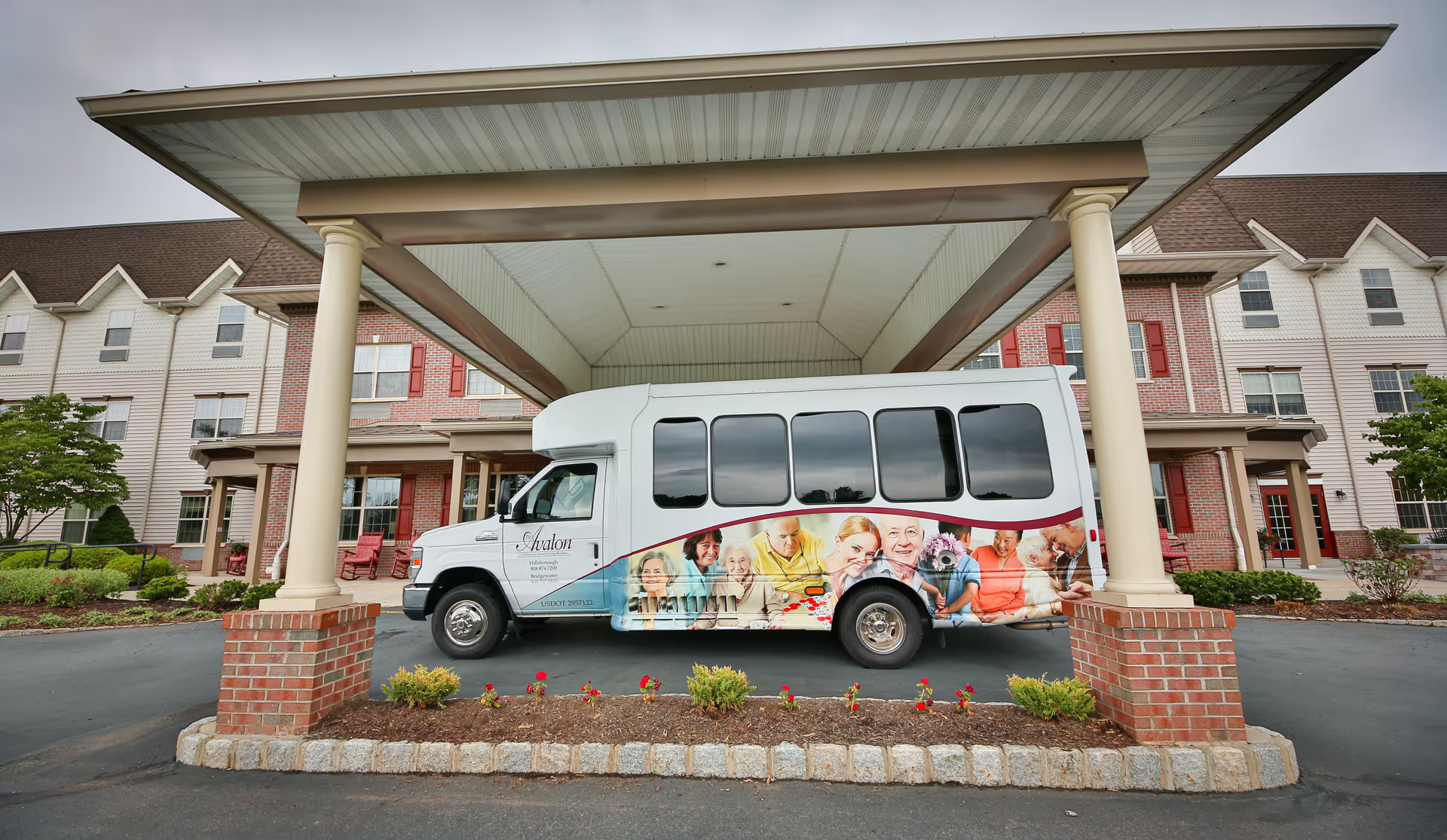
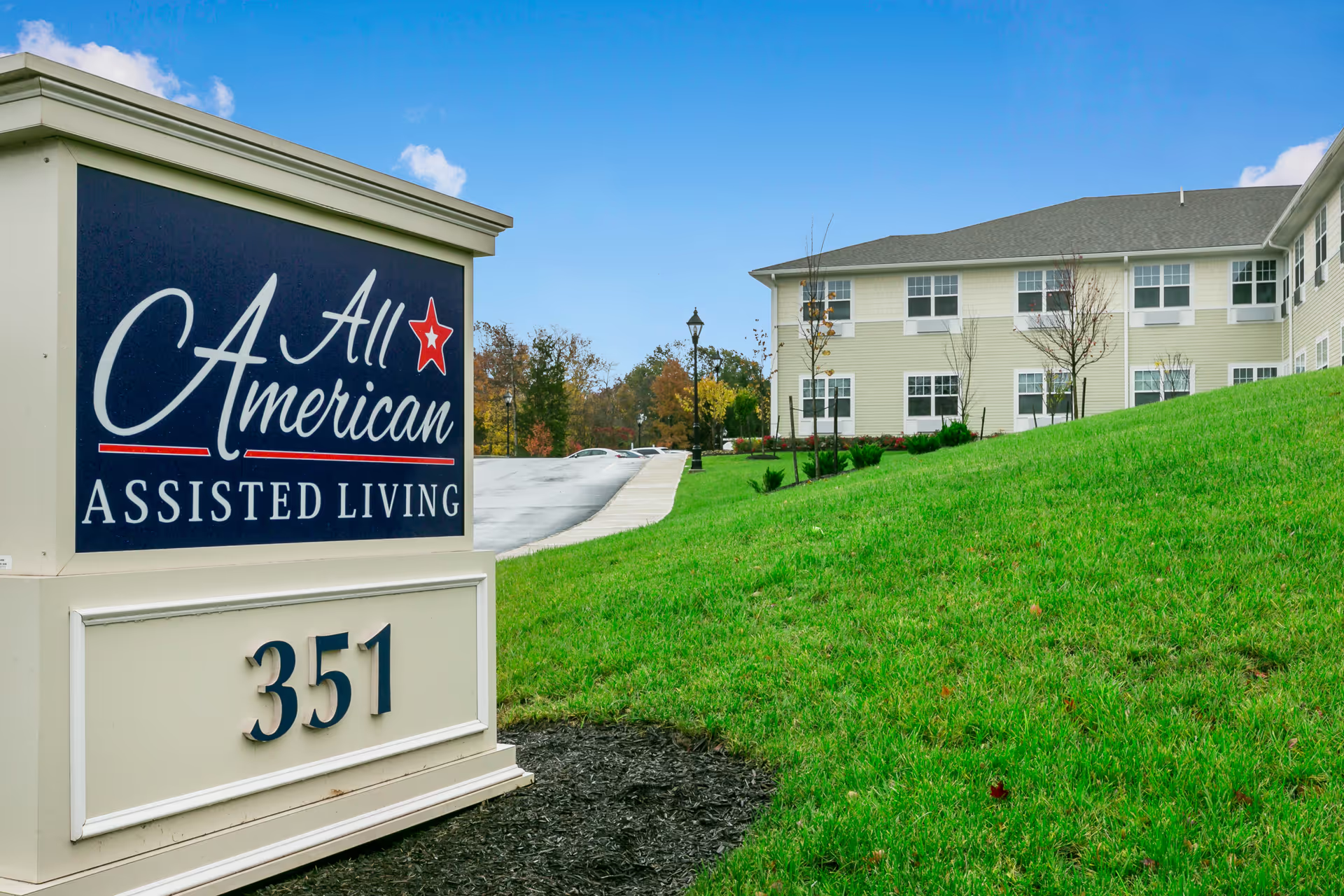
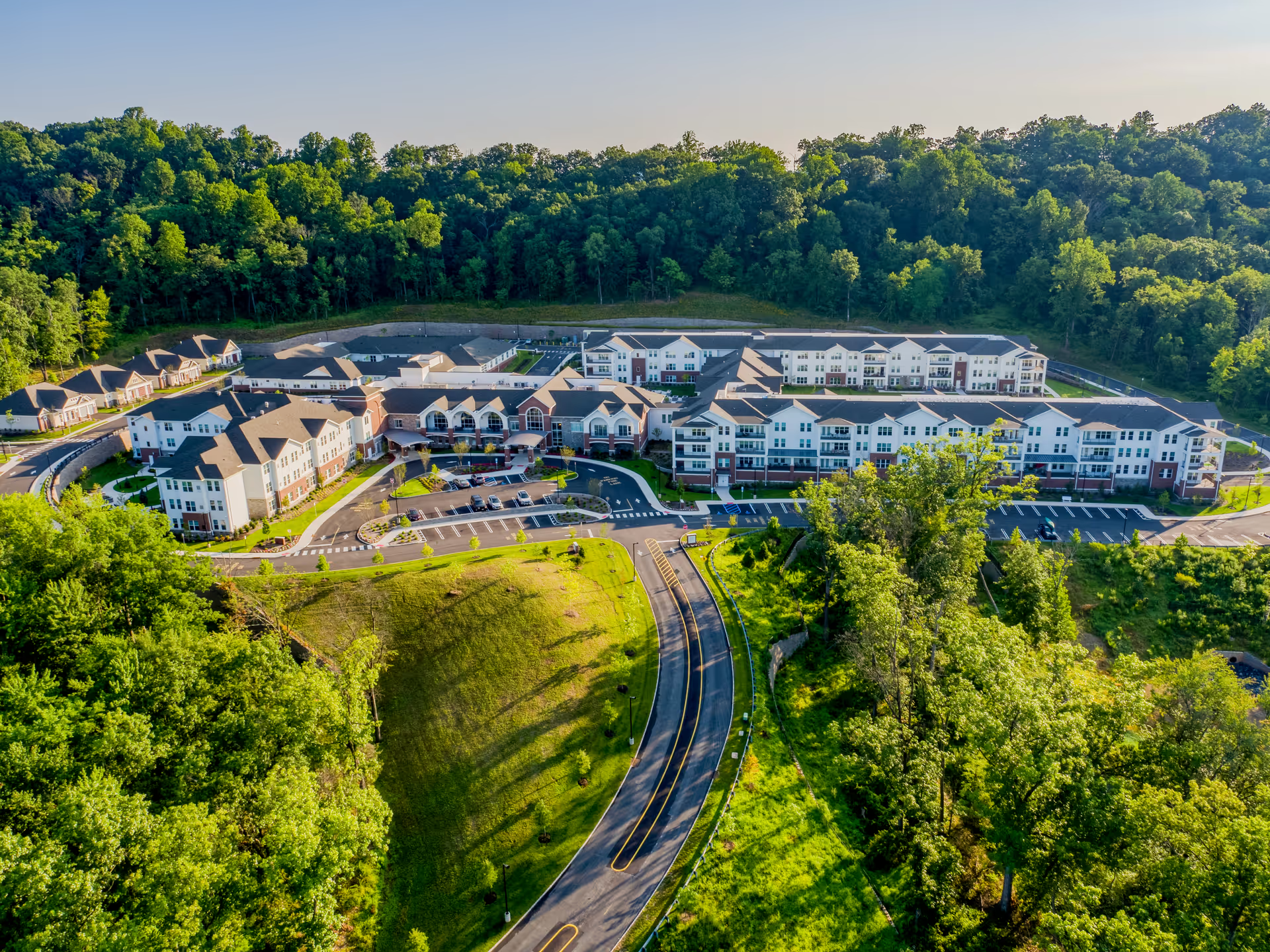
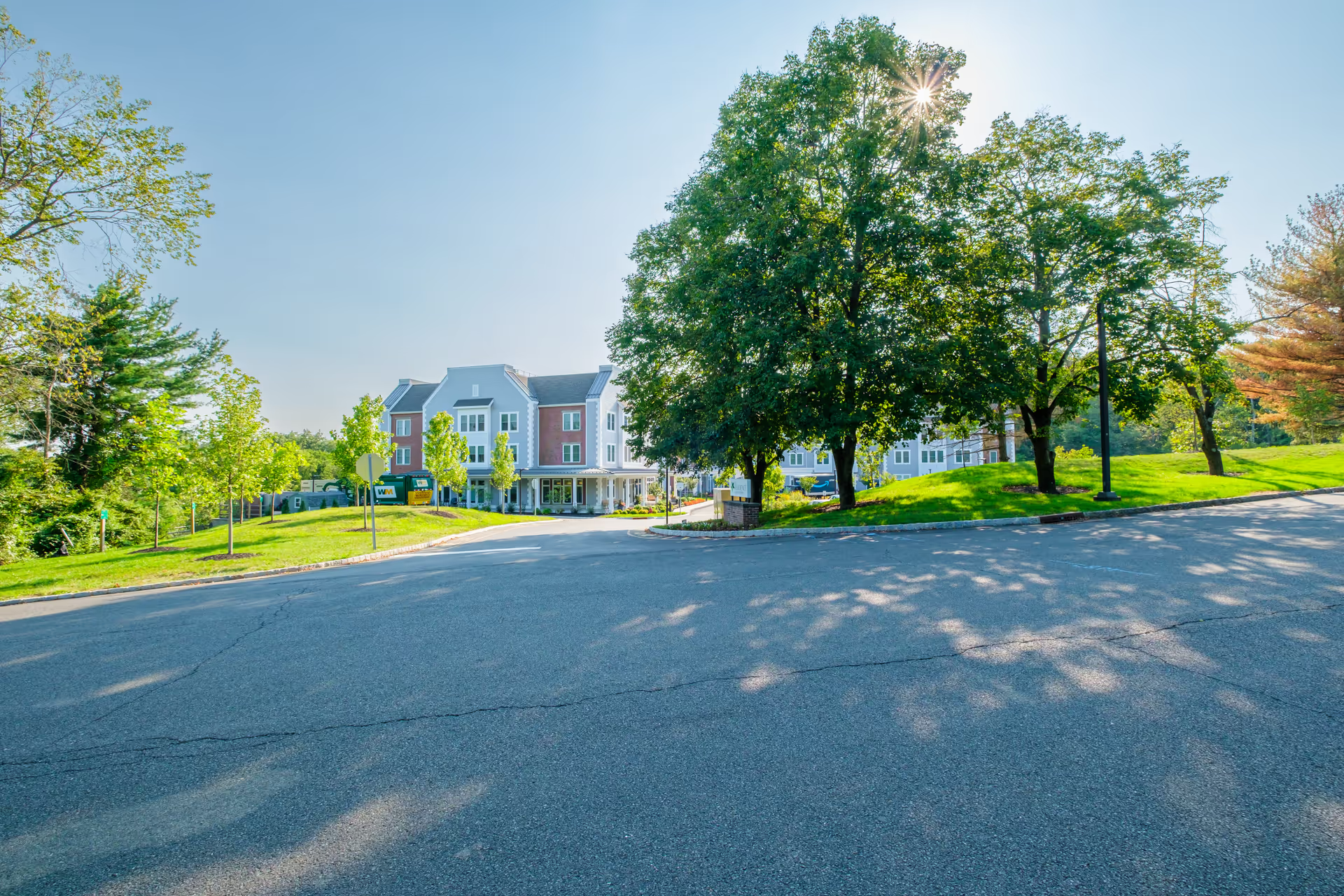
Activities and facilities: The physical environment is frequently described as clean, bright, and calming, with pleasant views, accessible outdoor space, and communal rooms that support engagement. Activities such as hymn singing and organized social programs are highlighted positively. However, there are operational concerns related to sanitation and insect control in some rooms and dining-adjacent areas, as well as corridor clutter (wheelchairs in hallways) that can impede safe egress and movement. Clarify housekeeping schedules, pest-control practices, and corridor-storage policies during a visit.
Management and operations: Leadership visibility receives both positive and critical remarks. Several reviewers single out hands-on administrators and engaged leadership for facilitating strong care and communication; others describe inconsistent administrative responsiveness or unmet commitments (for example, promised clinical follow-up). Communication strengths include effective family updates during successful transitions, but there are also reports of discharge-communication gaps and incomplete follow-through on scheduled appointments. Additionally, issues such as lost or misassigned personal items and laundry-handling concerns suggest a need to review personal-belongings protocols and clothing labeling procedures.
Notable patterns and recommendations: Overall, the facility appears to deliver high-quality rehabilitation and demonstrates many strengths in staff compassion, therapy expertise, and the physical environment. Concurrently, recurring themes—staffing variability (especially overnight), inconsistent cleanliness/sanitation in some areas, lapses in therapeutic-diet implementation, transfer/feeding-safety practice gaps, and personal-belongings security—warrant attention. Prospective residents and families should tour during different times (including evenings), ask for care-staffing ratios, request documentation of therapeutic-diet plans and infection-control measures, observe housekeeping practices, and clarify discharge and appointment-follow-up procedures. These targeted questions will help determine whether the facility’s operational practices align with a family’s safety and care expectations.