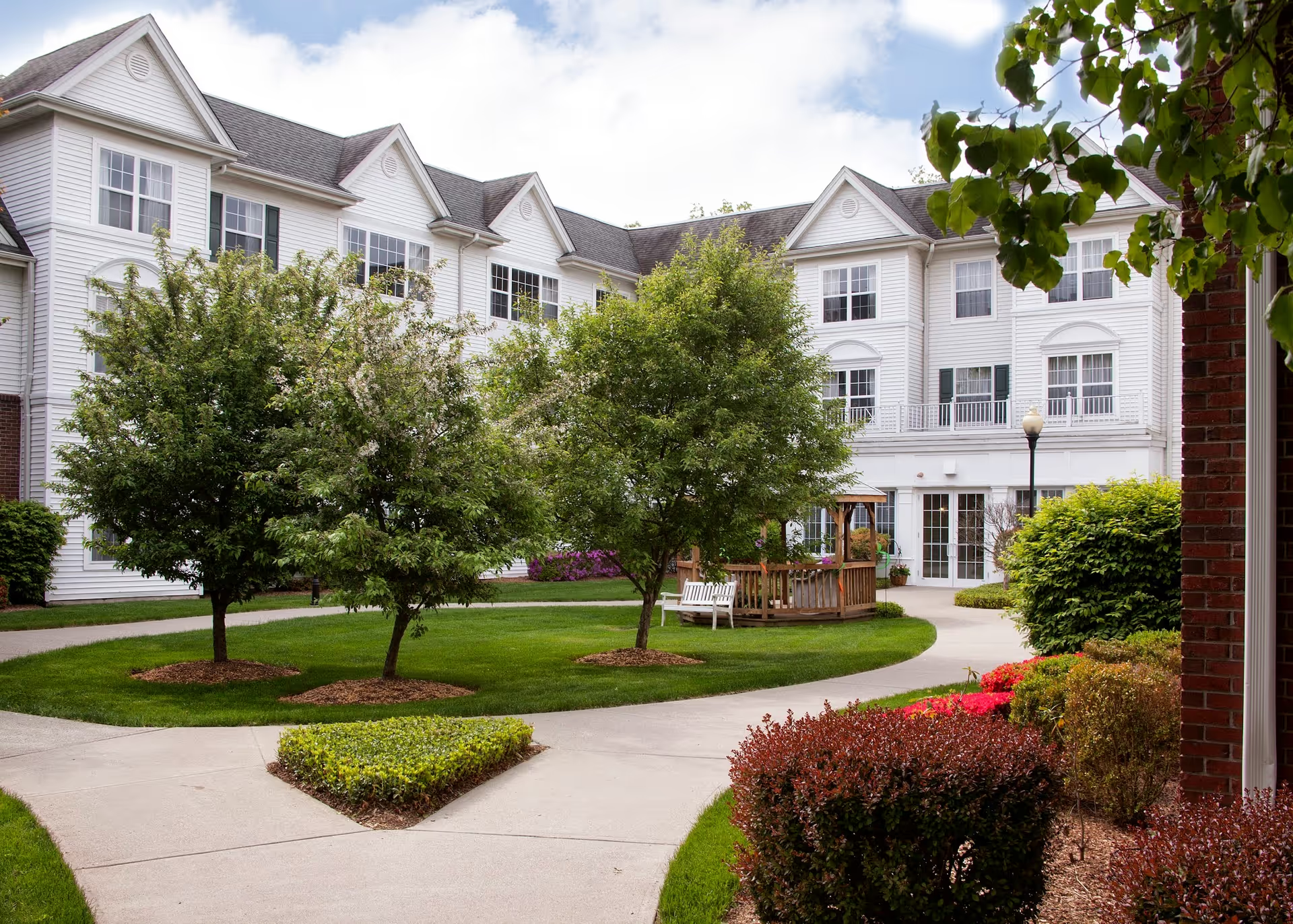
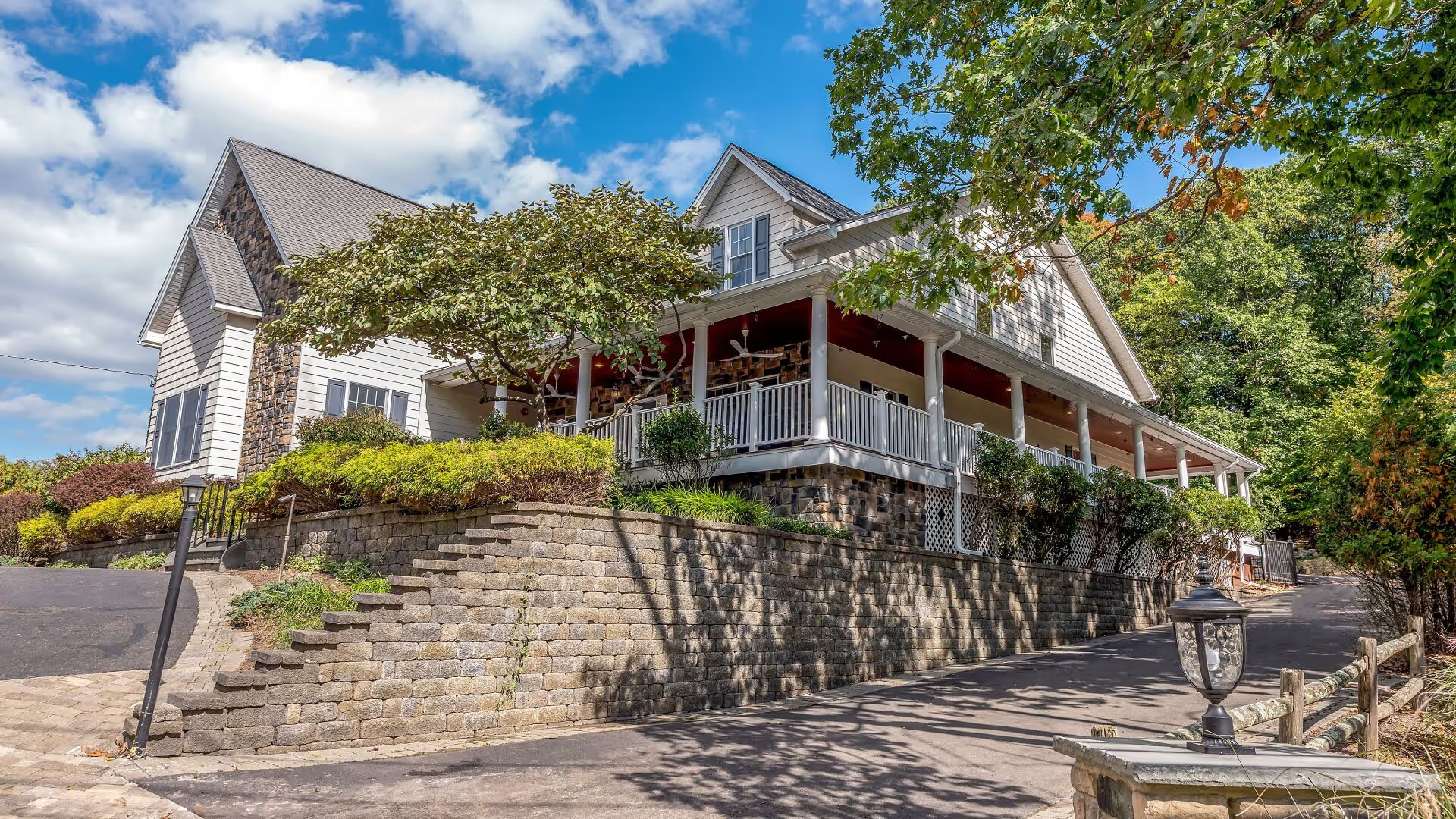
Overall impression: Reviewers present a largely positive view of Fox Trail Memory Care Living as a small, home-like memory-care community with attentive staff, strong activity programming, and a clean environment. Families commonly describe residents as emotionally happier after admission and note active socialization and friendship formation. The facility’s scale and ranch-style outdoor amenities contribute to a domestic atmosphere that many families find appealing for dementia care.
Care and staff: Care is generally characterized as compassionate and professional, with staff praised for attentiveness to dietary needs and respectful treatment of residents. Multiple comments highlight dementia-specific competence and an activity director who provides structured engagement that families link to improved mood and decreased depressive symptoms. Reviewers also note steady staffing levels adequate for the facility’s size and an effective layout that supports resident monitoring. Management communication is often described as helpful, with regular updates and daily phone check-ins provided to families.
Dining and activities: Meal quality receives positive remarks, with several families calling out excellent food and accommodating dining service for special diets. The activity program is a consistent strength — daily activities, cookouts, and outdoor time on a fenced yard and deck are frequently mentioned. These offerings support social engagement and a home-like routine, which families report as beneficial for emotional well-being.
Facilities and operations: The physical environment is described as very clean, modern, and well-maintained, with features such as a modern kitchen, spacious dining room, and weekly laundry service contributing to convenience. The small-community size, proximity to home, and availability of virtual tours and a relatively quick admission process are additional operational strengths. Reviewers also cite effective infection-control responses during illness events.
Notable patterns and considerations: While most feedback is favorable, there are operational concerns prospective families should evaluate. One family described an incident involving an unsupervised departure and delayed phone responsiveness; this highlights potential vulnerabilities in exit-monitoring and urgent-call protocols that are important to review in person. Relatedly, some families felt the community was not the right match for higher-acuity or complex behavioral needs, indicating variability in how well residents’ needs align with the facility’s scope of care. The small size and high demand also mean limited bed availability and possible reliance on shared-room configurations for some placements.
Recommendations for prospective families: During a tour or conversation with administrators, ask specifically about staff-to-resident ratios at different times of day, protocols for monitoring residents during outings and visitors, procedures for urgent family notifications, the facility’s threshold for residents requiring higher levels of clinical care, and the availability of private rooms. Confirm details about infection-control practices, dietary accommodations, daily activity schedules, and what family communication you can expect. These targeted questions will help determine whether the facility’s strengths — strong engagement, clean environment, and dementia expertise — match an individual’s clinical and safety needs.