The reviews reflect a facility with clear strengths in rehabilitative care and a small, home-like environment, alongside recurring operational weaknesses that prospective residents and families should evaluate carefully. Many narratives highlight compassionate, respectful staff and strong therapy outcomes—several families described successful rehabilitation (for example, recovery after orthopedic injury) and attentive, individualized care that felt like a “family” environment. The facility’s size and layout appear to allow for more personalized attention for some residents, and video/phone communication with families is noted as a consistent strength.
Care and staffing present a mixed picture. Positive experiences emphasize caring, communicative staff and effective therapy teams. However, other accounts point to delays in attending to personal-care needs and incontinence-care concerns, inconsistent bathing schedules, and skin integrity issues in some cases. These criticisms suggest variability in responsiveness and day-to-day personal-care practices rather than uniformly poor clinical capability. Staffing consistency, the tone of staff–family interactions, and follow-through from social-work or care-coordination roles are areas where performance appears uneven.
Therapy and discharge processes show strengths and gaps. Rehabilitation services are frequently praised for producing good functional gains, but some families reported slower-than-expected progress when equipment was limited. Discharge planning and transitions sometimes lacked coordination—examples include missing durable medical equipment or minimal social-work follow-up—indicating a need for clearer processes to ensure safe transitions home.
Dining and activities are similarly mixed. The activities program (bingo, social and dining rooms) and an inviting communal atmosphere are positive features, and several reviewers noted tidy common areas and a neat facility. Food quality perceptions vary across reviewers, with some noting enjoyable meals and others describing dissatisfaction; this points to inconsistent dining experiences.
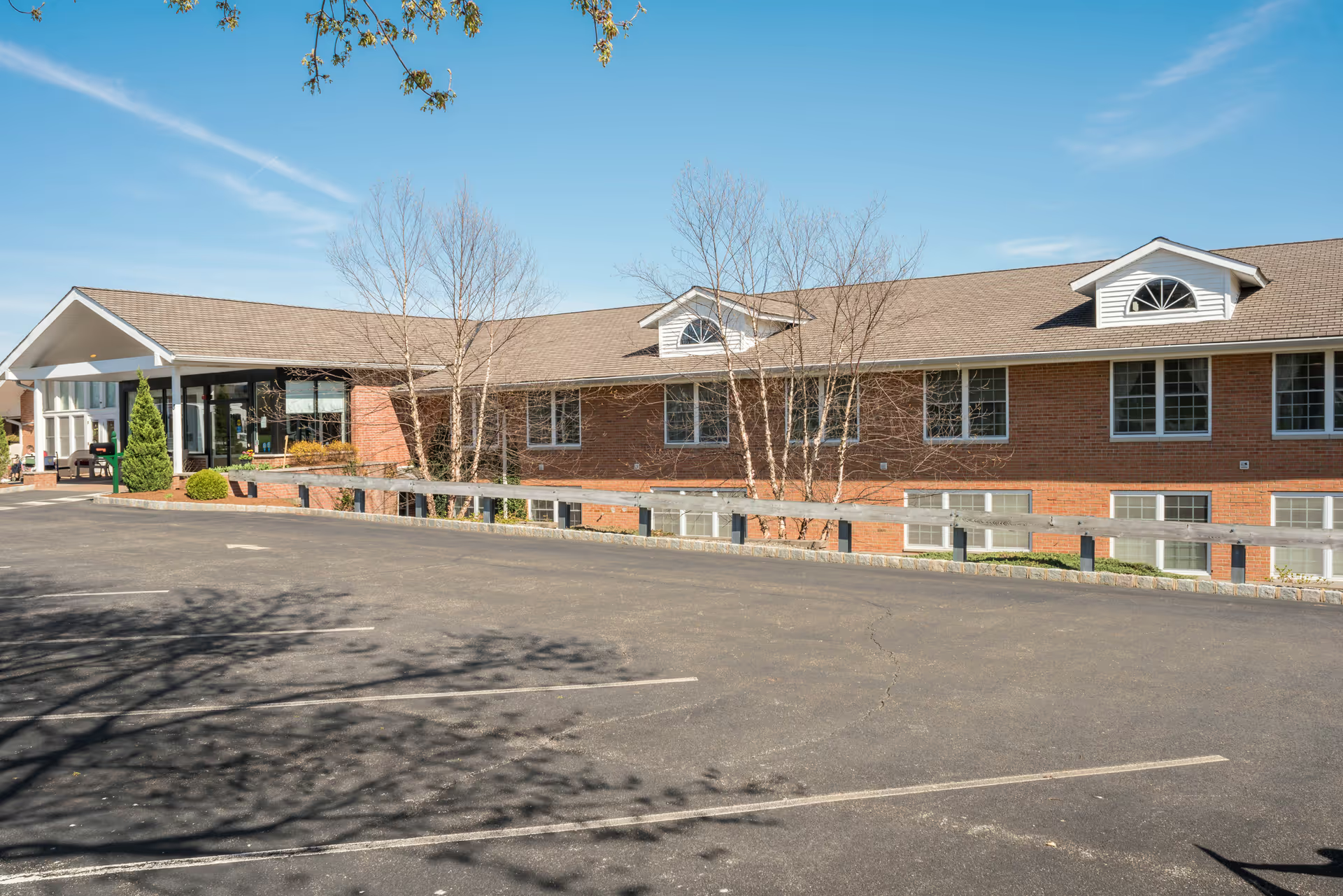
The physical plant is an older building that is generally described as well kept, but there are facility-level concerns to consider. Room sizes and multi-bed accommodations can feel crowded; bathroom fixtures and maintenance reliability were questioned in some accounts. Additionally, staff smoking near the property raised concerns about the campus environment and infection-control perceptions among families.
Management and communication show strengths in transparent, respectful interactions at times, but also gaps in follow-up and owner-level communication. Pricing was described as relatively high by some families given the facility’s size and layout constraints. In summary, Valley View may be a good fit for individuals who prioritize a small, personal rehabilitation setting with communicative staff and active family contact; families should proactively review hygiene protocols, discharge procedures, equipment availability, smoking policies, and room layout to ensure the facility’s operational practices align with their expectations.