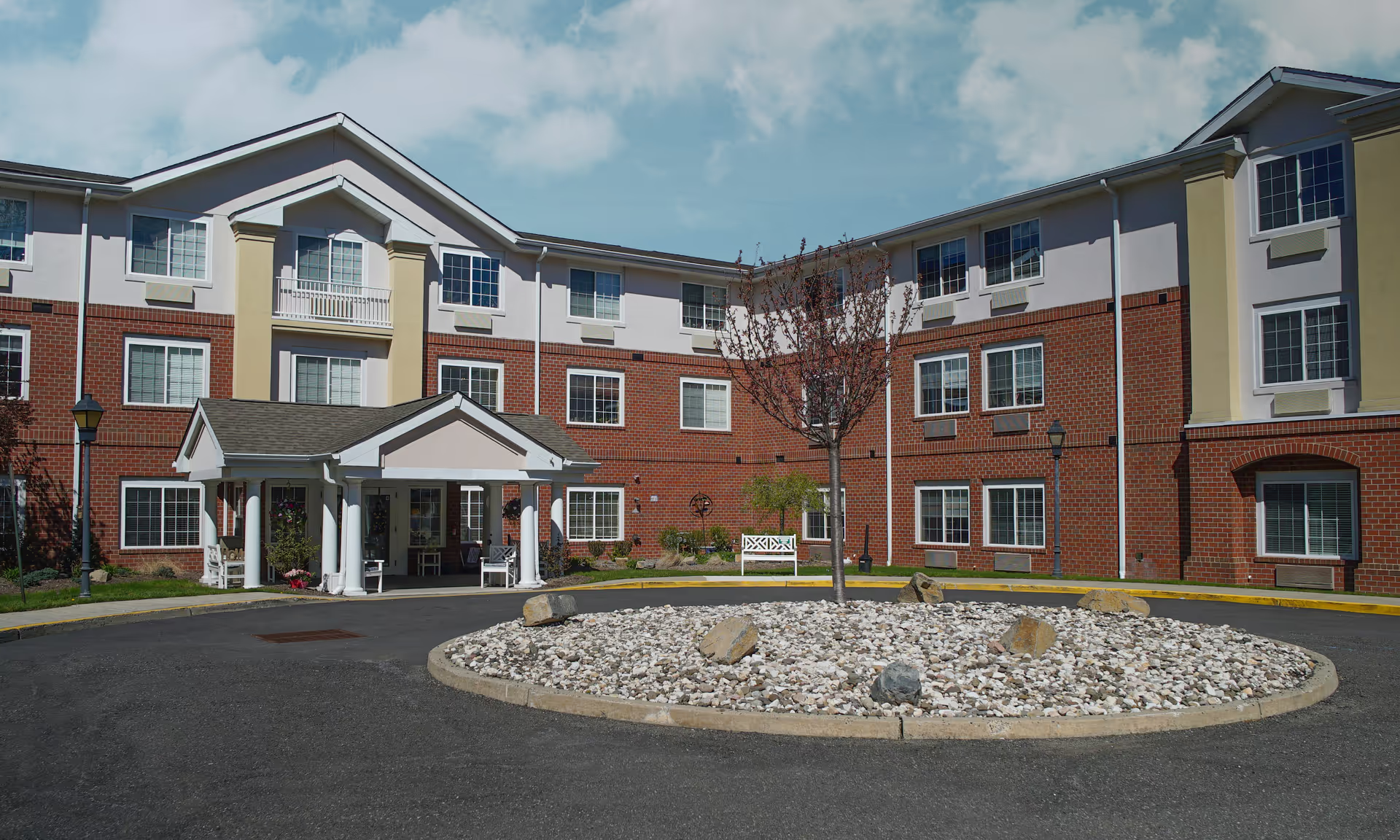
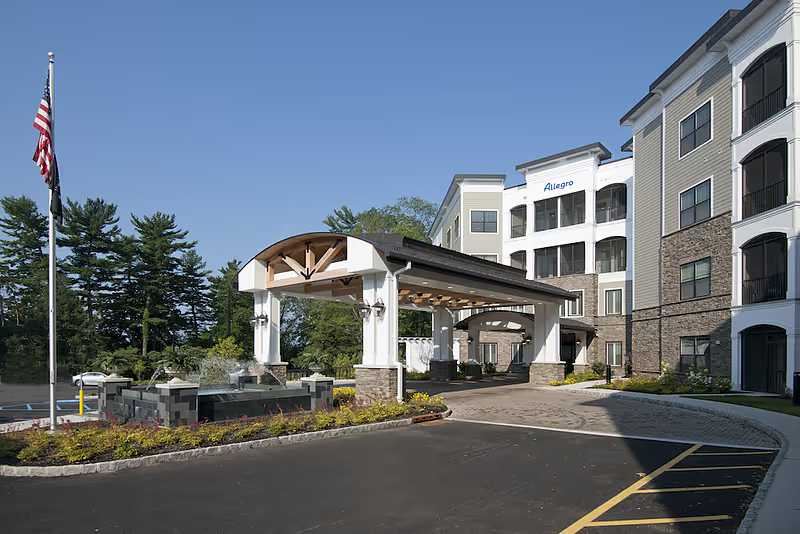
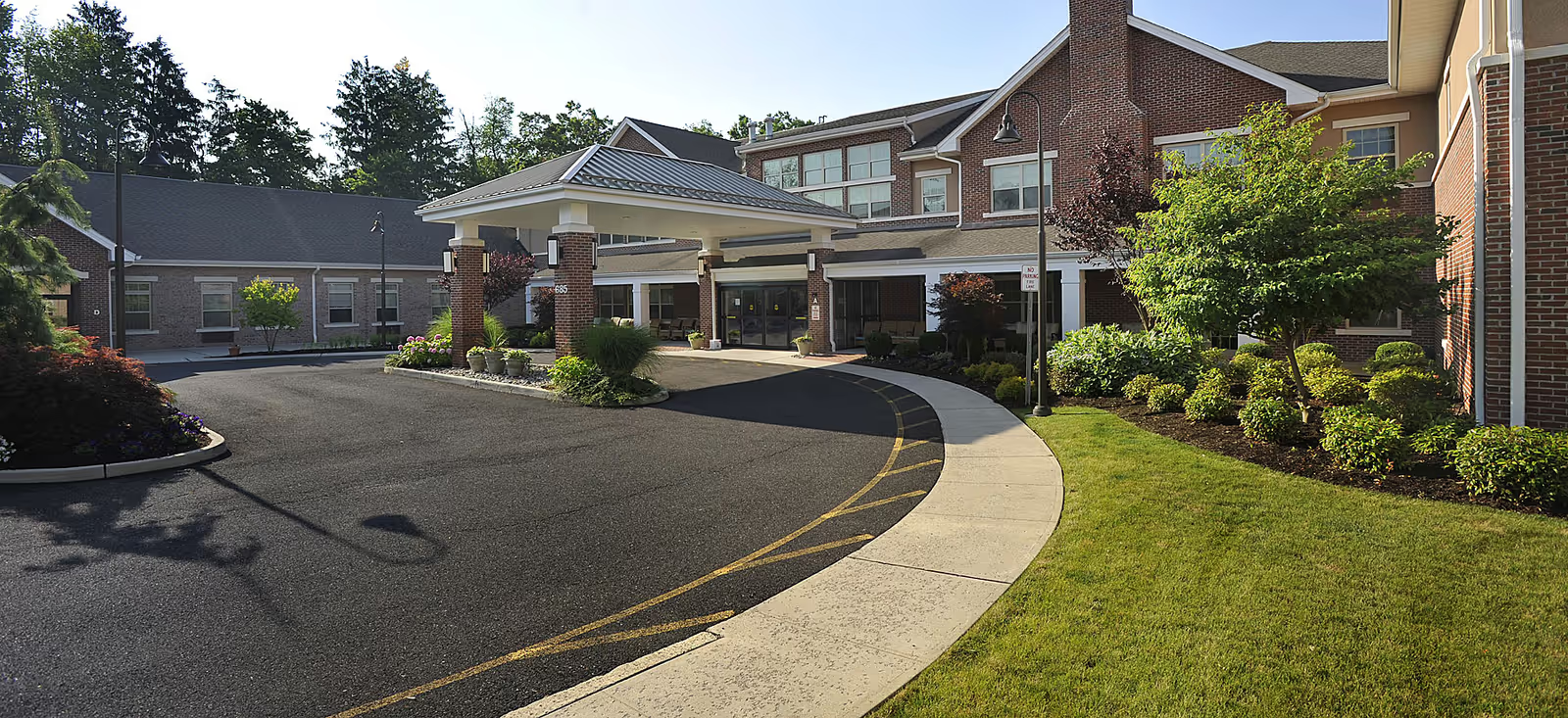
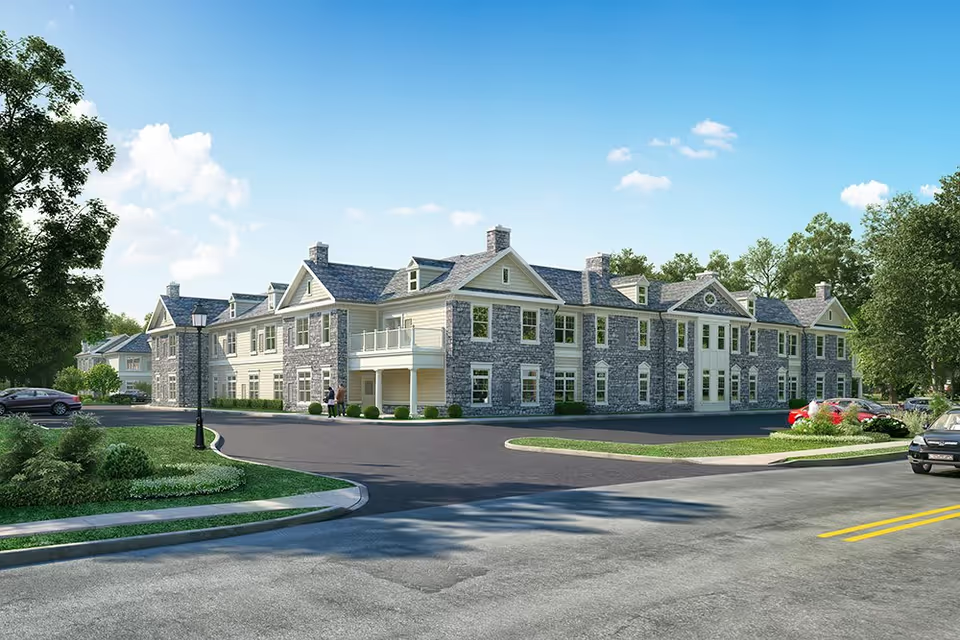
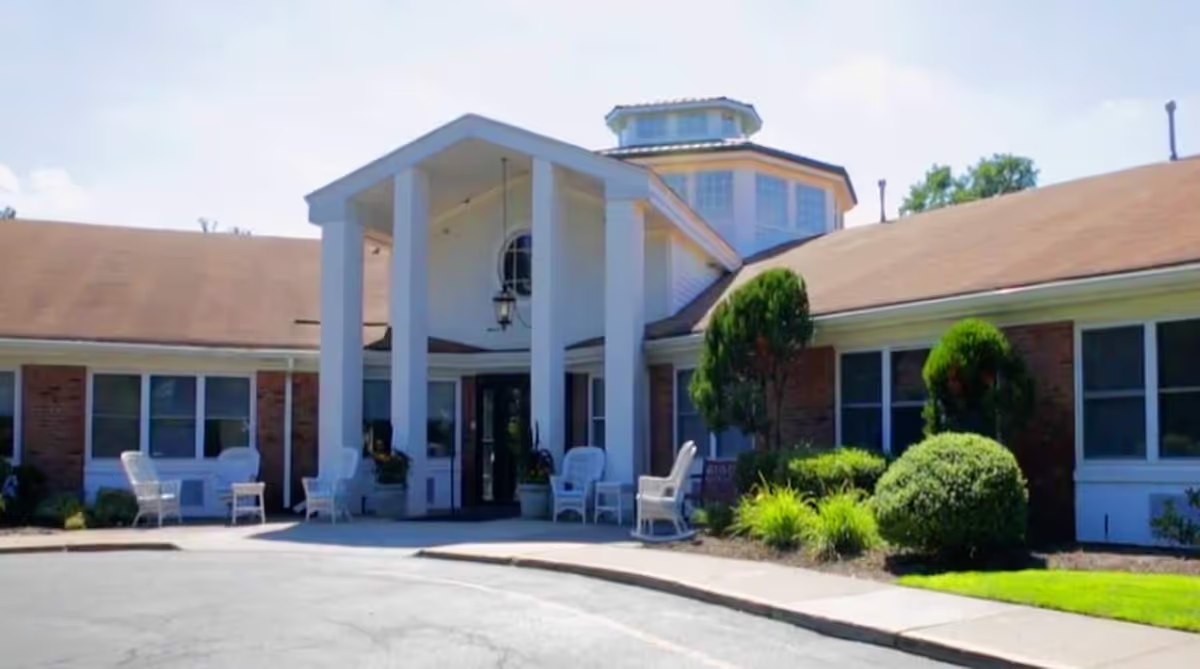
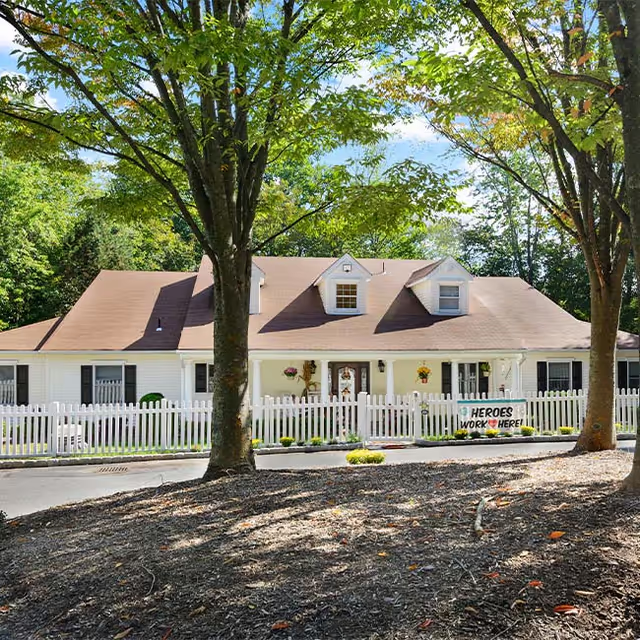
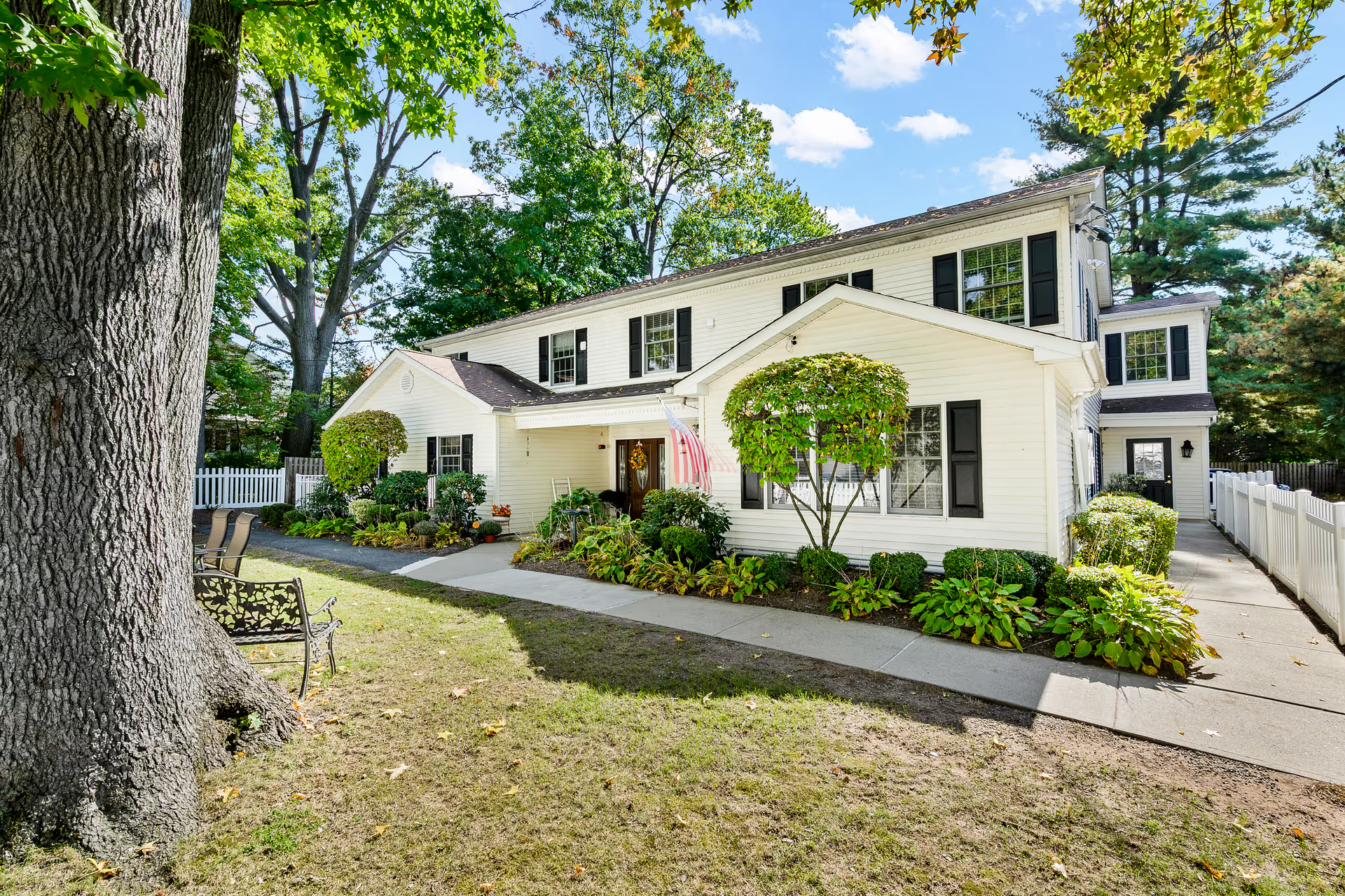
CareOne at Oradell elicits a strongly polarized set of impressions. A large portion of families and patients describe a high-performing rehabilitation environment: skilled physical and occupational therapists, effective short-term therapy plans, and documented recovery milestones. Many reviewers single out the therapy teams, name individual clinicians, and credit therapy and nursing collaboration with measurable functional improvement. The facility's physical environment is frequently praised as clean, bright and recently renovated, with spacious rooms and a hotel-like atmosphere that residents and visitors find welcoming.
Staffing and direct care are central strengths for numerous reviewers. Nursing staff, select aides, receptionists, and social workers receive repeated praise for compassion, responsiveness, and family communication. Several programs—most notably a popular Breakfast Club and a robust activities schedule—support social engagement and contribute to a lively resident community. Available ancillary services such as wound care, aquatic therapy, and on-site specialists are additional positives for families seeking comprehensive short-term rehabilitation.
Conversely, reviews reveal consistent operational concerns that recur across different visits. Staffing levels—particularly at night—are described as inconsistent, and reviewers report variable professionalism and competency among aide-level staff. These workforce patterns align with accounts of delayed responses to call bells, slow medication delivery, and uneven follow-through on therapy plans. Multiple reviews describe instances that indicate gaps in dementia-specific care and in fall-prevention or transfer-safety processes; together these suggest the facility may not uniformly meet the needs of residents requiring higher-acuity cognitive or mobility supports.
Dining and dietary accommodation receive mixed assessments. The breakfast program and some chef-driven offerings are frequently highlighted positively, yet other accounts cite bland meals, inconsistent temperatures, and failures to honor specific dietary restrictions. Laundry, belongings management, and housekeeping practices are generally praised for cleanliness, but there are recurring allegations of misplaced items and occasional sanitation or pest-control concerns in specific areas.
Management and administrative experiences appear mixed as well. Many families describe responsive, helpful administrators and social workers who facilitate admissions, discharge planning, and clinical coordination. At the same time, there are notable complaints about billing disputes, difficulty contacting corporate, and instances of poor communication during care transitions or when serious incidents occur. A small number of serious individual claims—allegations of mishandled personal belongings and concerns surrounding adverse outcomes—underscore the importance of careful review of policies and documentation in specific cases.
Overall pattern: for short-term rehabilitation and patients who need motivated therapy in a well-appointed facility, CareOne at Oradell often delivers strong results supported by a committed subset of clinical staff and active programming. However, variability in staffing, night coverage, dementia-care competency, meal consistency, and administrative follow-up introduces risk for families whose loved ones require continuous, high-acuity, or cognitively focused care. Prospective residents and families would benefit from targeted questions before placement: verify staffing ratios (especially at night), ask about dementia-care training and fall-prevention protocols, confirm dietary accommodation procedures, review personal-belonging and laundry policies, and request clarity on escalation and billing processes to ensure expectations align with the facility's operational practices.