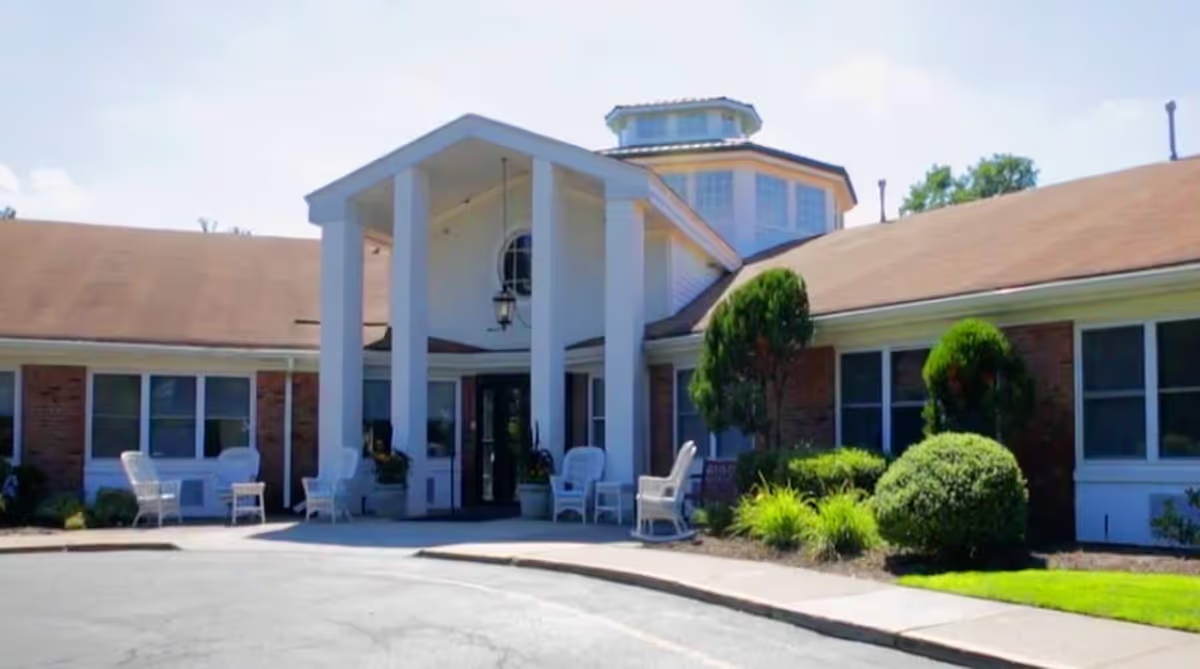
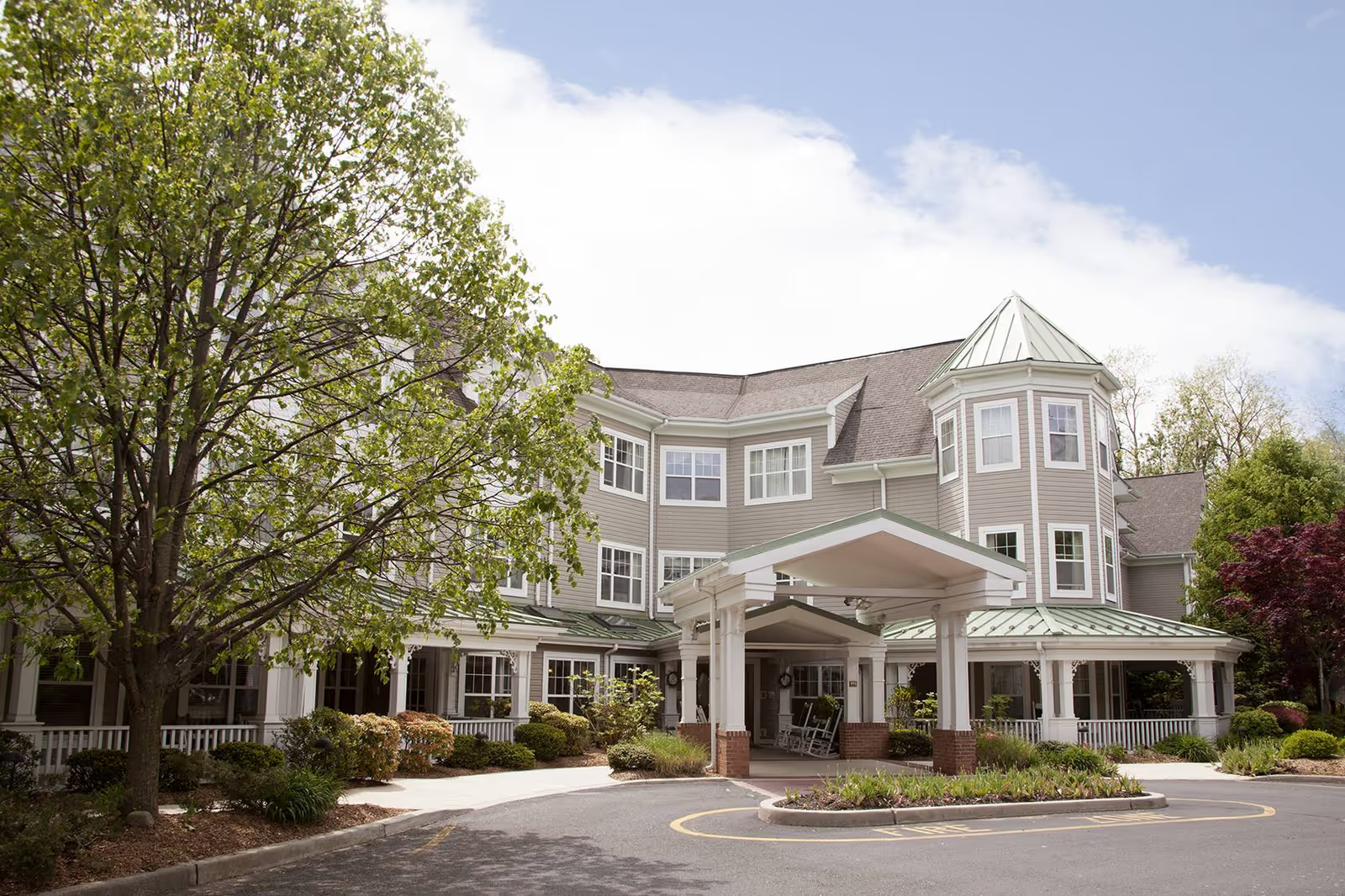
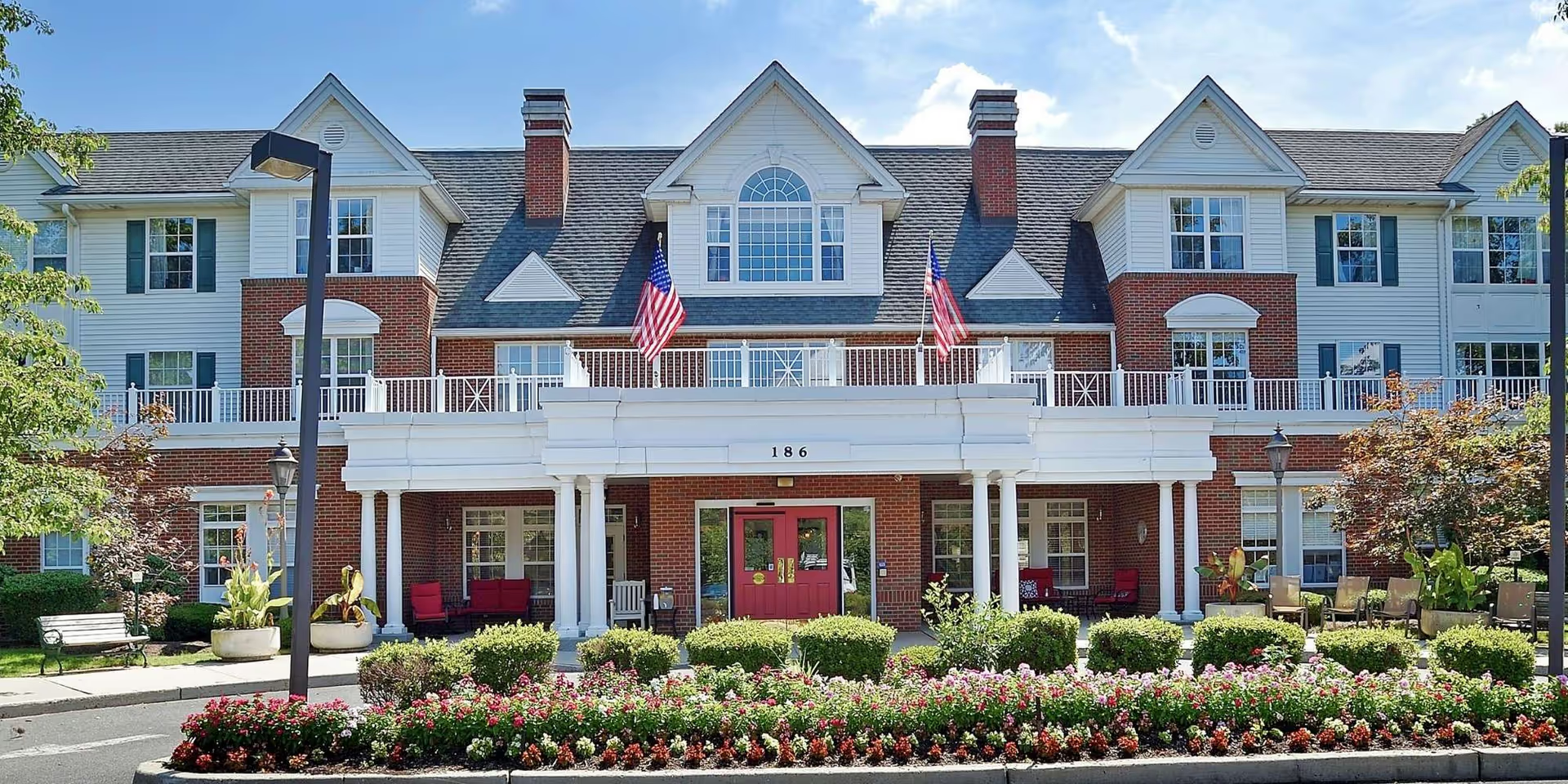
Overall impression: Dellridge Health & Rehabilitation Center is characterized by a strong clinical and rehabilitative focus with many families and patients praising nursing staff, CNAs, and therapy teams. The facility earns consistent commendation for physical and occupational therapy outcomes, wound and medical care oversight, and active social-work involvement in discharge planning and family communication. A number of reviewers describe the atmosphere as family-like and personalized, and many highlight renovations, clean communal spaces, and proactive administrative engagement as strengths.
Care and staff: The dominant theme in feedback is staff competence and compassion. Nursing teams and nursing assistants receive frequent praise for attentive bedside care, and therapists are repeatedly credited with achieving measurable functional gains. Social workers, admissions personnel, and administrative leaders are also noted for facilitating transitions and keeping families informed. That said, reviewers describe variability across shifts: while day teams are often described as responsive and proactive, some evening or overnight shifts were associated with slower response times and less consistent engagement. Concerns clustered around inconsistent conduct and responsiveness rather than uniform clinical failure.
Dining and activities: Dining services are often described positively for presentation, portion size, and flexibility for dietary needs; several families singled out accessible dietary staff who accommodated special requests. Conversely, there is variability in meal quality over time, with some accounts of bland or poorly executed meals. The activities program is a clear asset for many residents — with arts and crafts, themed events, daily social groups, and therapy-animal visits contributing to engagement and morale.
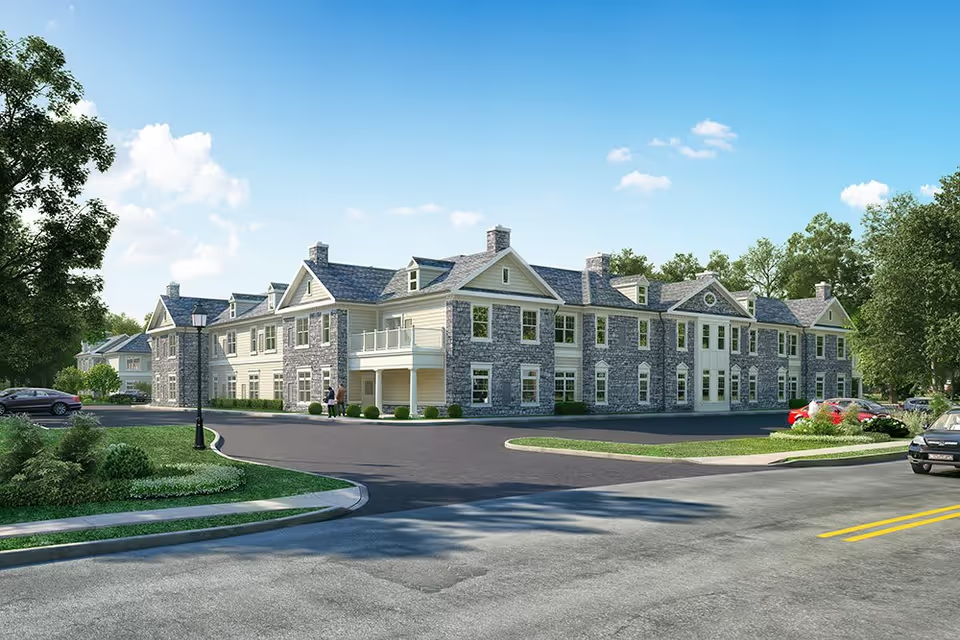
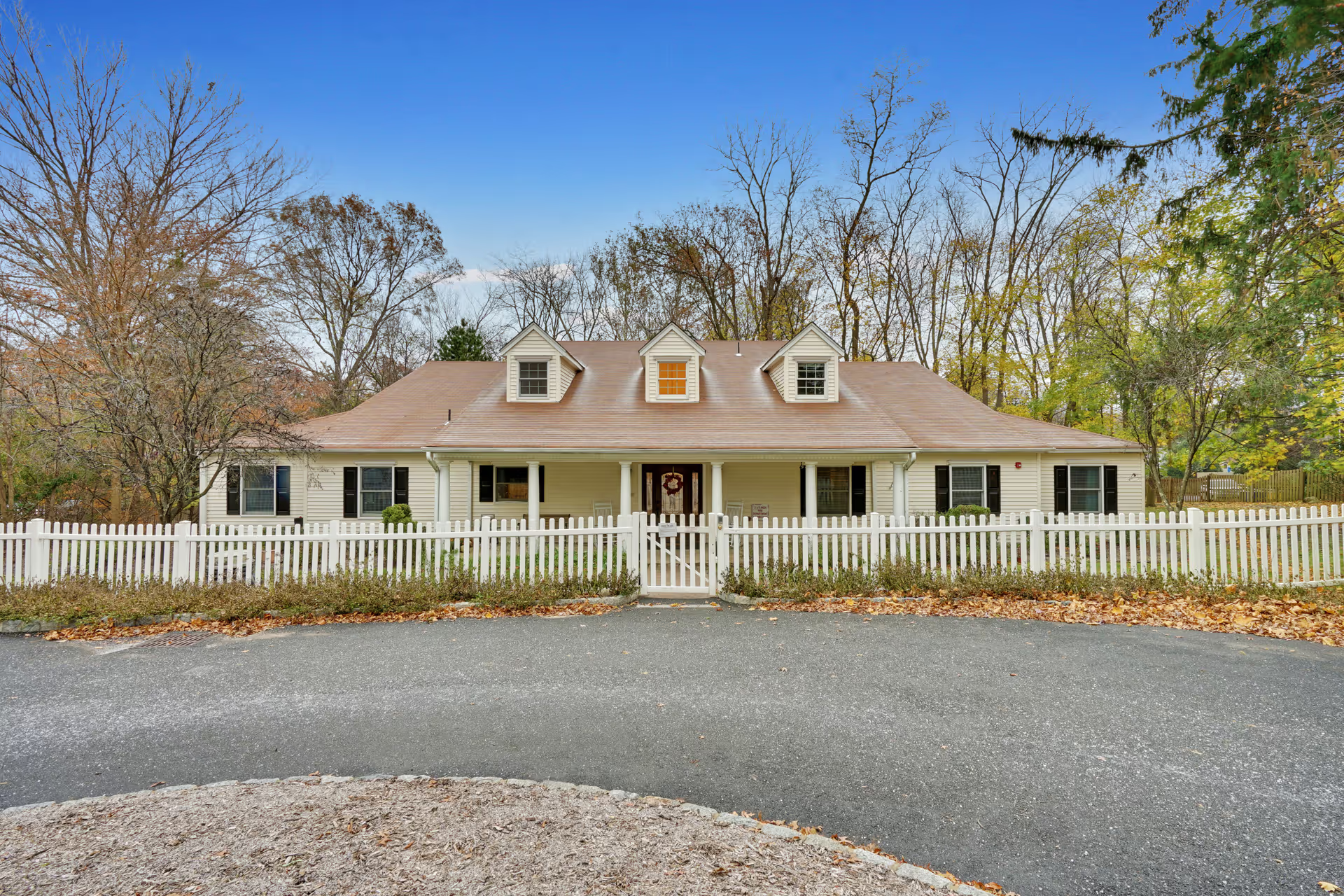
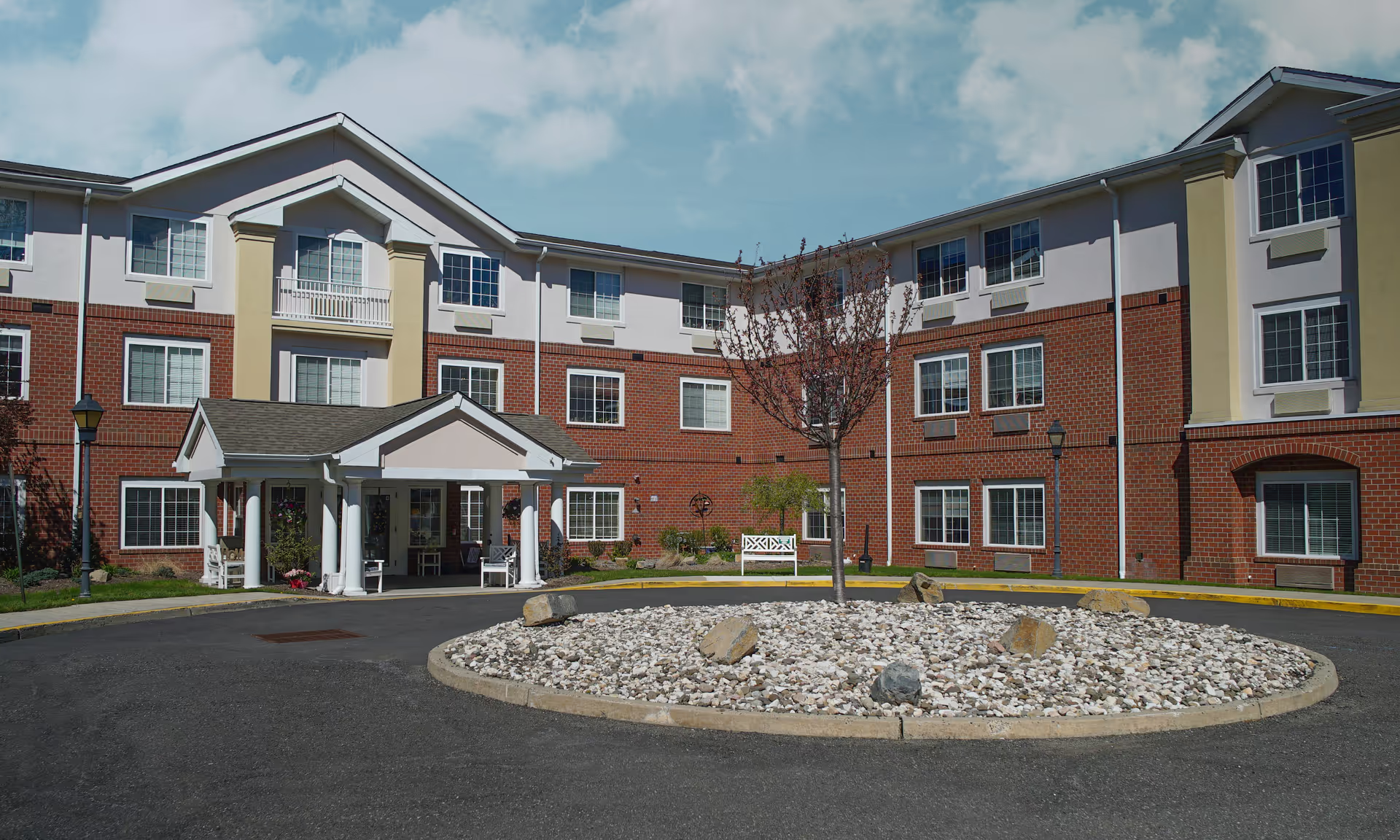
Facilities and operations: The building presents a mixed picture. Many areas are clean and well maintained, and ongoing renovations have improved therapy spaces and rooms for some residents. However, reviewers note crowding in therapy gyms while construction continues, intermittent maintenance issues in individual rooms, and isolated sanitation and pest-control concerns. Communication systems also draw criticism: families cite a frustrating phone system and occasional difficulty reaching staff or receiving timely physician updates.
Management and operational patterns: Administrative responsiveness is frequently cited as a positive; admissions and leadership staff receive favorable mentions for problem-solving and family outreach. Operational weaknesses that recur across feedback include inconsistent staffing levels, gaps in medication administration and pain management processes, and breakdowns during discharge planning or physician communication. A small number of isolated but serious allegations (including post-acute adverse events and end-of-life concerns) appear in the feedback; these elevate the importance of careful family advocacy and active care coordination during stays.
What prospective families should consider: Dellridge shows clear strengths in rehabilitation outcomes, compassionate direct-care staff, and an engaging activities and dining environment for many residents. Prospective residents and families should weigh those strengths against variability in staffing and some operational weaknesses. When considering admission, ask specific questions about staffing ratios on relevant shifts, dementia-care capabilities if relevant, medication-administration safeguards, discharge-planning processes, and how the facility manages ongoing renovations. For those who cannot regularly advocate or visit, clarifying communication expectations and escalation pathways with administrative and social-work teams before admission is advisable.