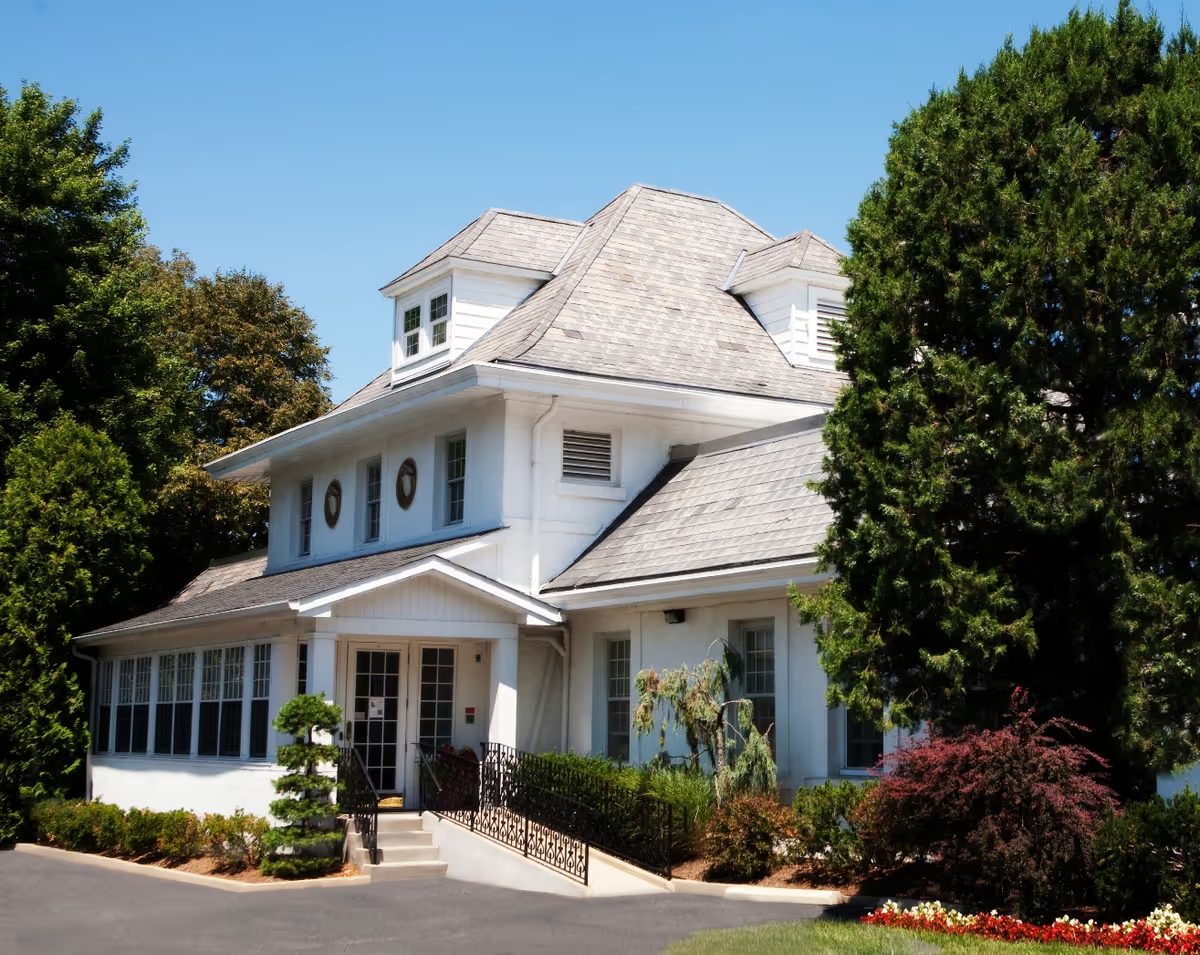
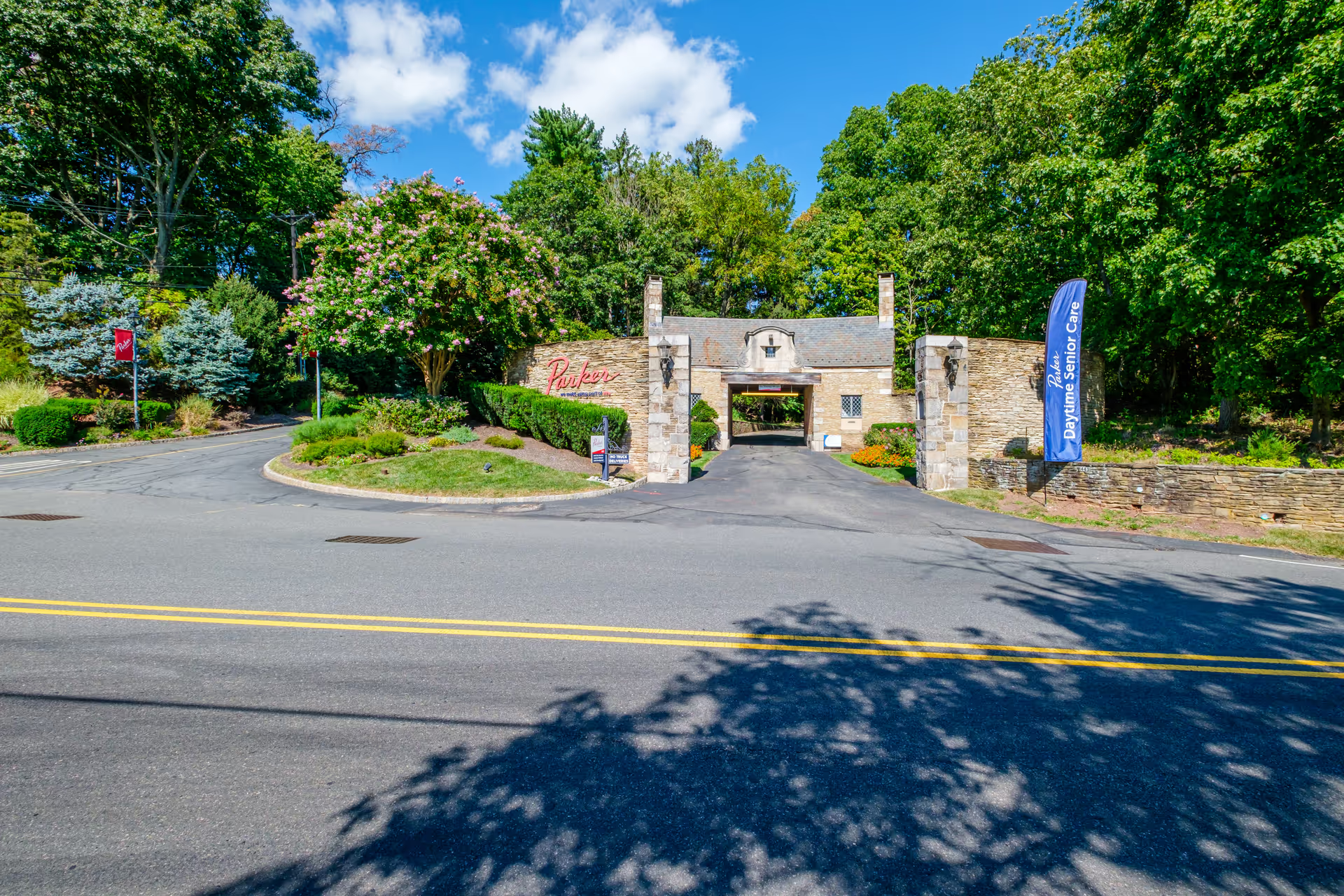
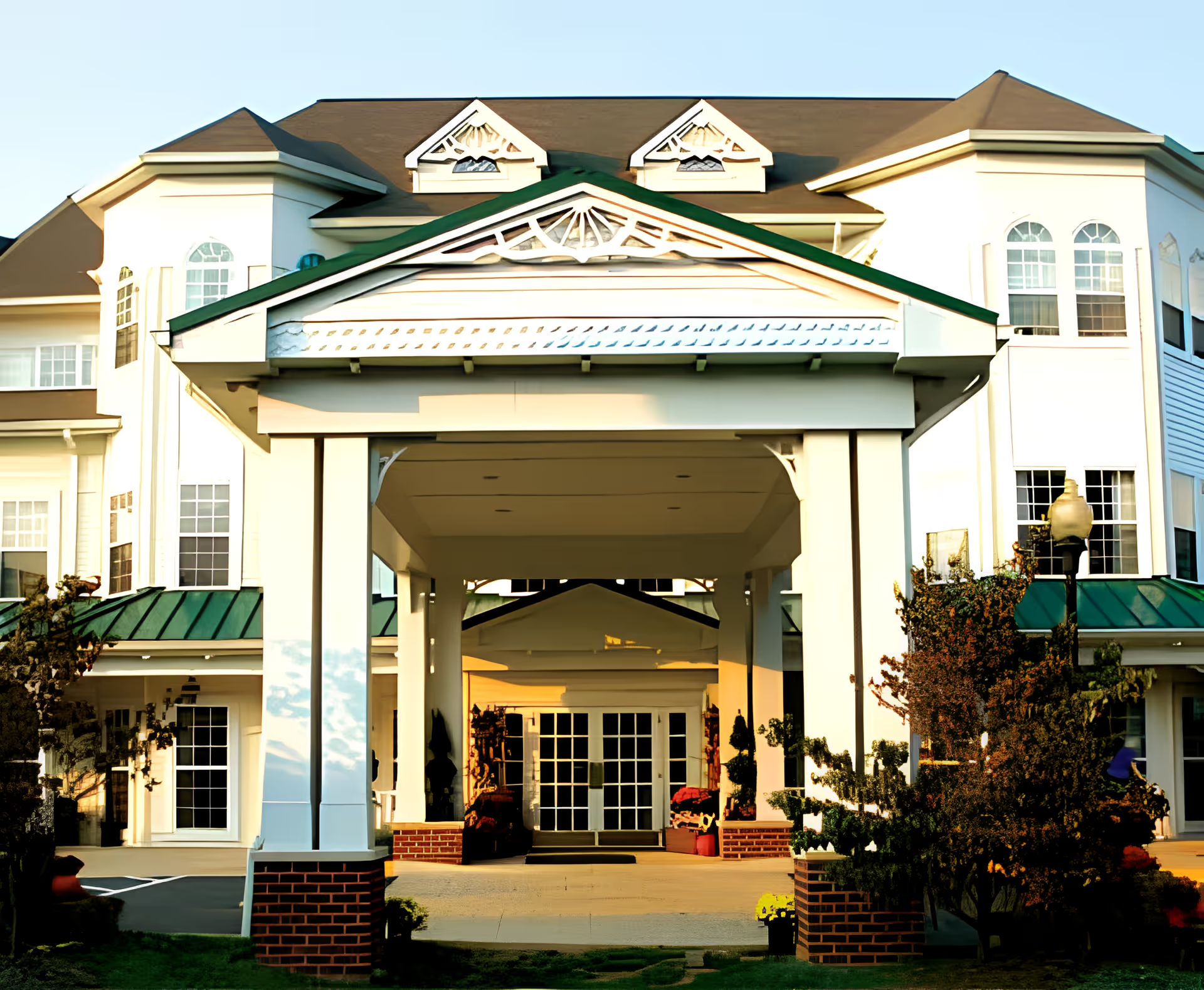
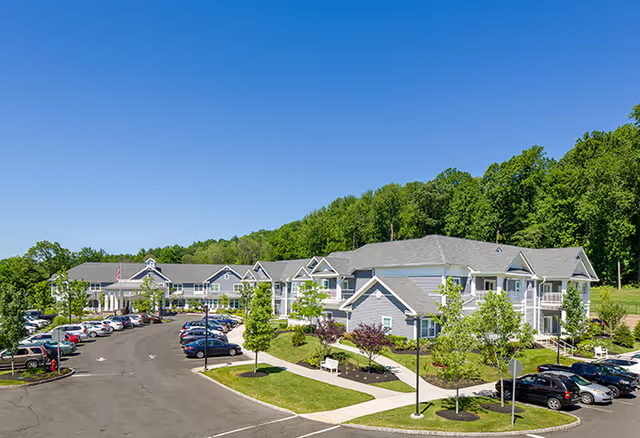
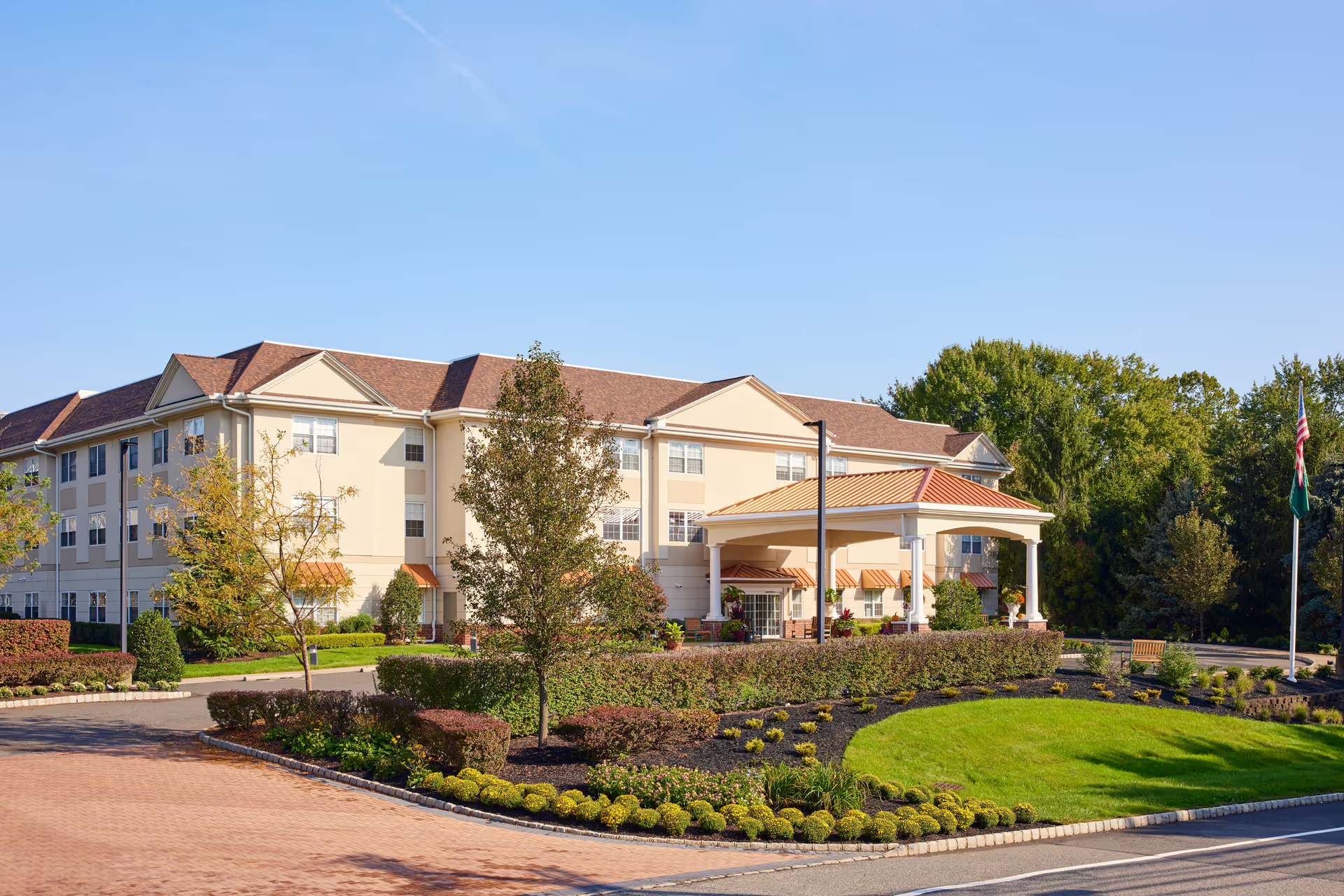
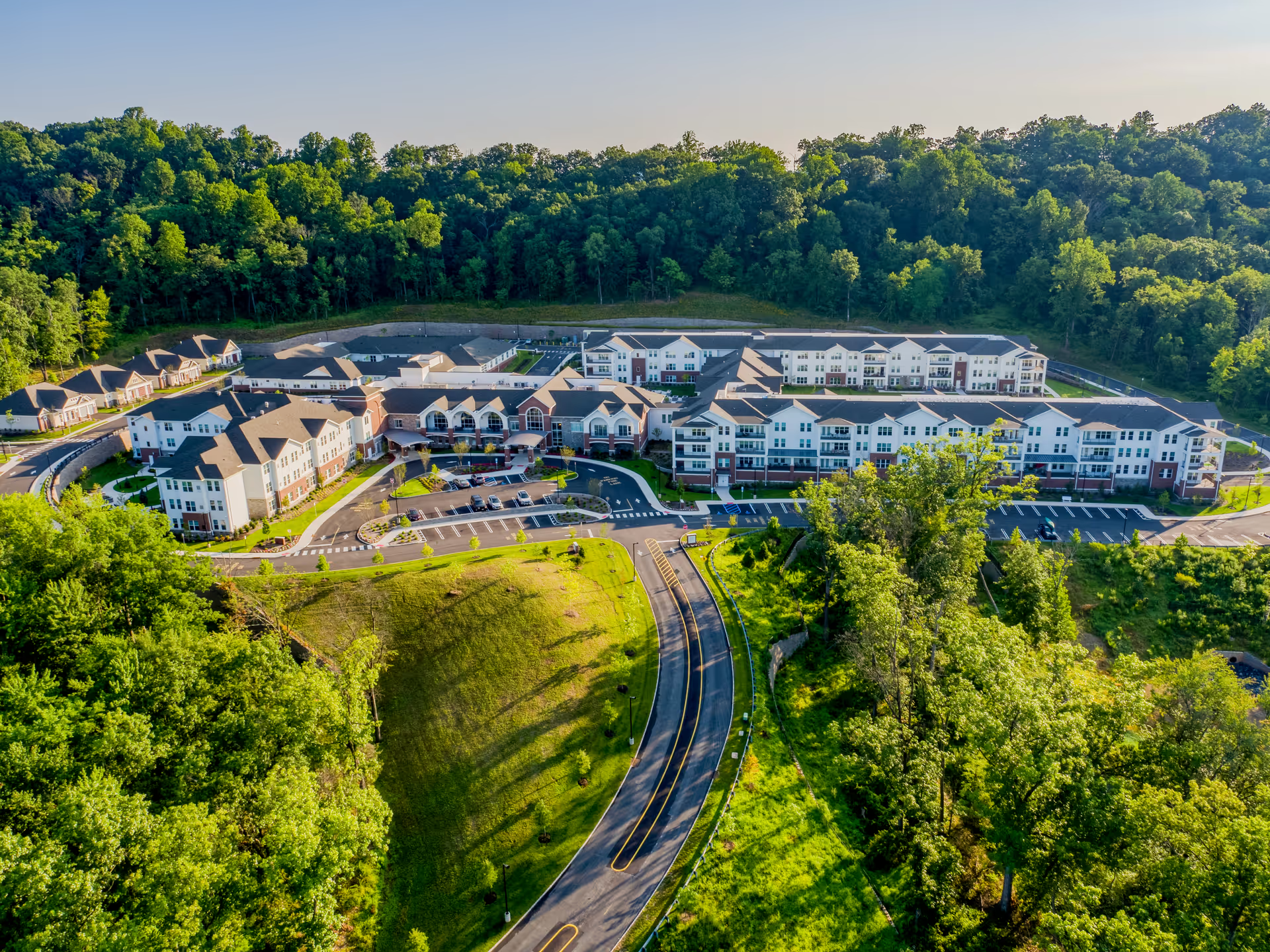
Overall sentiment in these reviews is strongly polarized: many reviewers describe Aviate at Piscataway as a beautiful, modern, hotel-like rehabilitation and senior living center with outstanding therapy services and several highly praised staff, while a significant number of others report serious lapses in clinical care, neglect, and operational failures. The facility’s physical plant and amenities receive consistently positive remarks — reviewers repeatedly call out clean, bright, private rooms, tasteful furnishings, comfortable common areas including fireplaces and patios, a bistro-style dining area, and a well-equipped therapy gym with a heated/hydrotherapy pool. For short-term rehab patients, a dominant theme is excellent PT/OT and speech therapy: therapists are described as skilled, patient, educational, and instrumental in many residents regaining independence. Multiple reviewers credited the therapy team with tangible recovery outcomes and named specific therapists and therapy leaders as standout contributors to their progress.
Staffing and direct care quality are the decisive dividing line in reviewers’ experiences. Many accounts praise compassionate nurses, attentive CNAs and engaged front-desk and guest services staff; those families report coordinated care, respectful bedside manner, timely medication administration, and positive social and dining experiences. Conversely, a large portion of reviews point to chronic understaffing, particularly on evenings and nights, leading to long call-bell wait times, delayed assistance for toileting and hygiene, and prolonged periods in soiled linens. These lapses escalate to serious safety and clinical issues in some reports — medication errors and timing problems, missed dressing changes, untreated wounds or delayed wound care, bed sores, urinary tract infections, alleged MRSA and sepsis cases, delays in oxygen/CPAP management, and even hospitalizations and deaths that families attributed to facility negligence. Several reviewers describe traumatic incidents (rough handling, physical abuse allegations, or being left on the floor) and subsequent perceived lack of follow-up or accountability.
Operational and communication weaknesses compound clinical concerns. Reviewers frequently recount inconsistent communication between nursing, therapy, administration and families: missed or confusing discharge instructions, incomplete paperwork, unreturned phone calls, and perceived prioritization of insurance/billing over patient-centered decision-making. Some families reported being blocked or retaliated against after lodging complaints, and others described an unresponsive compliance or administration team when serious incidents were reported. While some managers and directors are identified positively for accessibility and engagement, the inconsistency in leadership responsiveness is a recurring theme. The facility’s meal service receives mixed feedback — many reviewers celebrate wholesome, made-from-scratch menus, effective allergy accommodations and an appealing bistro experience, while others experienced late, incorrect, or unappetizing meals served without beverages. Housekeeping and sanitation are similarly mixed: although many praise immaculate rooms and public spaces, there are multiple specific reports of unsanitary rooms, overflowing garbage, and poor kitchen sanitation, which tie into the infection-control worries.
Patterns in the reviews suggest that quality is highly shift-, unit- and staff-dependent. The strongest positive clusters center on therapy teams (PT/OT/Speech), certain nurses and CNAs, guest services, and the facility’s amenities — these elements produce many glowing rehabilitation success stories and satisfied families. The most severe negatives track back to staffing levels and training: understaffing appears to drive delayed responses, missed medications, hygiene neglect, and safety events. Several reviewers explicitly recommend Aviate as a short-term rehab destination when therapy intensity is the primary goal and when one can verify adequate nursing staffing for the intended stay. However, reviewers strongly caution against relying on Aviate for higher-acuity or long-term custodial care unless systemic changes address the staffing, medication management, infection control, and communication gaps.
Practical implications and recommended priorities for the facility based on review themes: (1) stabilize and increase nurse and aide staffing ratios across all shifts to reduce call-bell delays and care omissions; (2) tighten medication administration processes and auditing to eliminate timing errors and misidentification; (3) reinforce infection prevention, sanitation protocols, and food-safety oversight; (4) implement reliable escalation and complaint-handling mechanisms with transparent follow-up to regain family trust; (5) improve discharge planning and pharmacy coordination to avoid missed meds and paperwork confusion; and (6) consider increased monitoring (for example cameras in public areas, while balancing privacy concerns) and consistent staff training on dignity, handling, and communication. In sum, Aviate at Piscataway shows many strengths — especially in therapy and facility amenities — but also displays recurring, serious operational and clinical shortcomings that materially affect safety and family confidence. Prospective residents and families should weigh the facility’s strong rehabilitation capabilities and environment against reported variability in nursing care and consider active oversight, clear communication of care expectations, and verification of staffing on the intended unit and shift prior to admission.