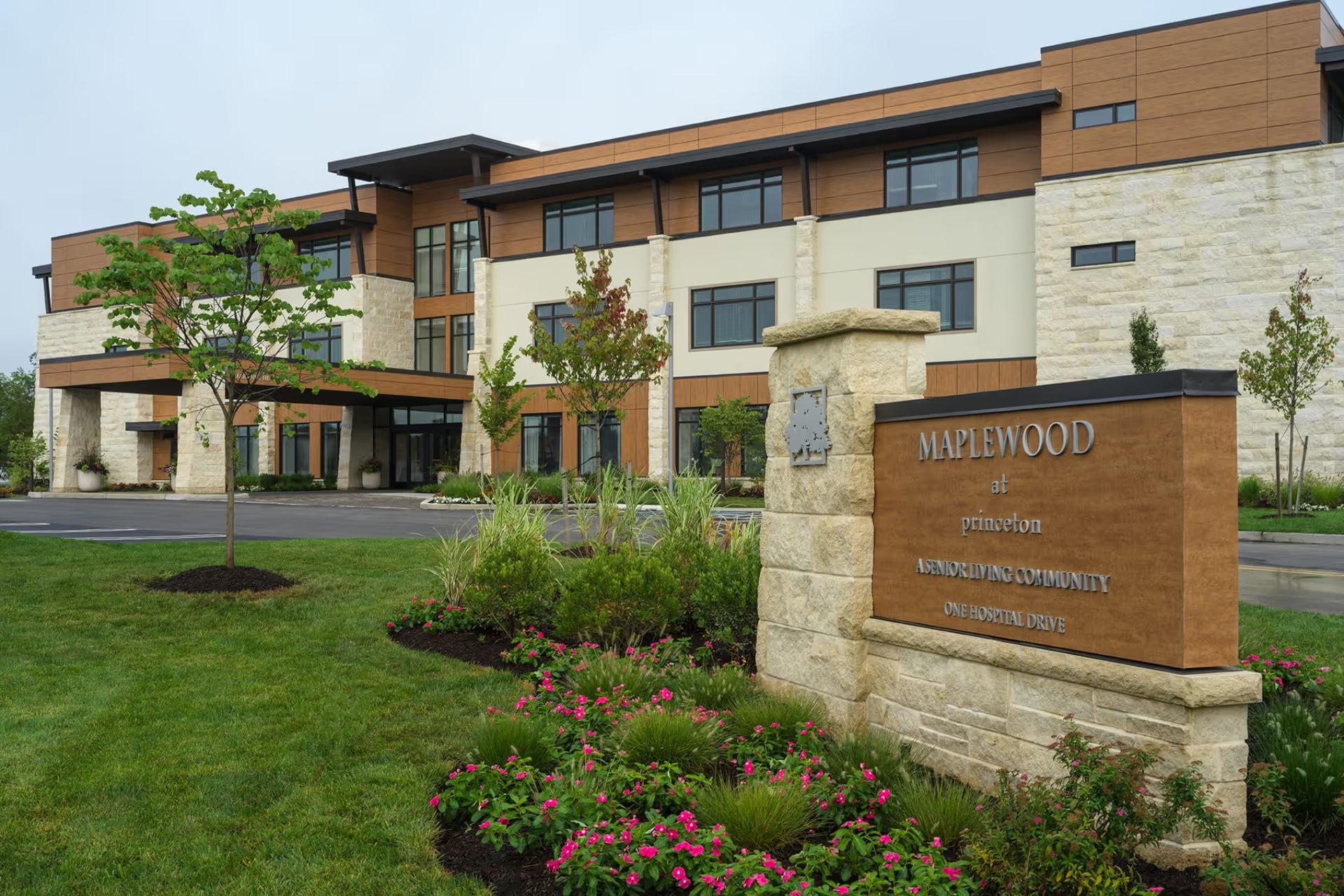
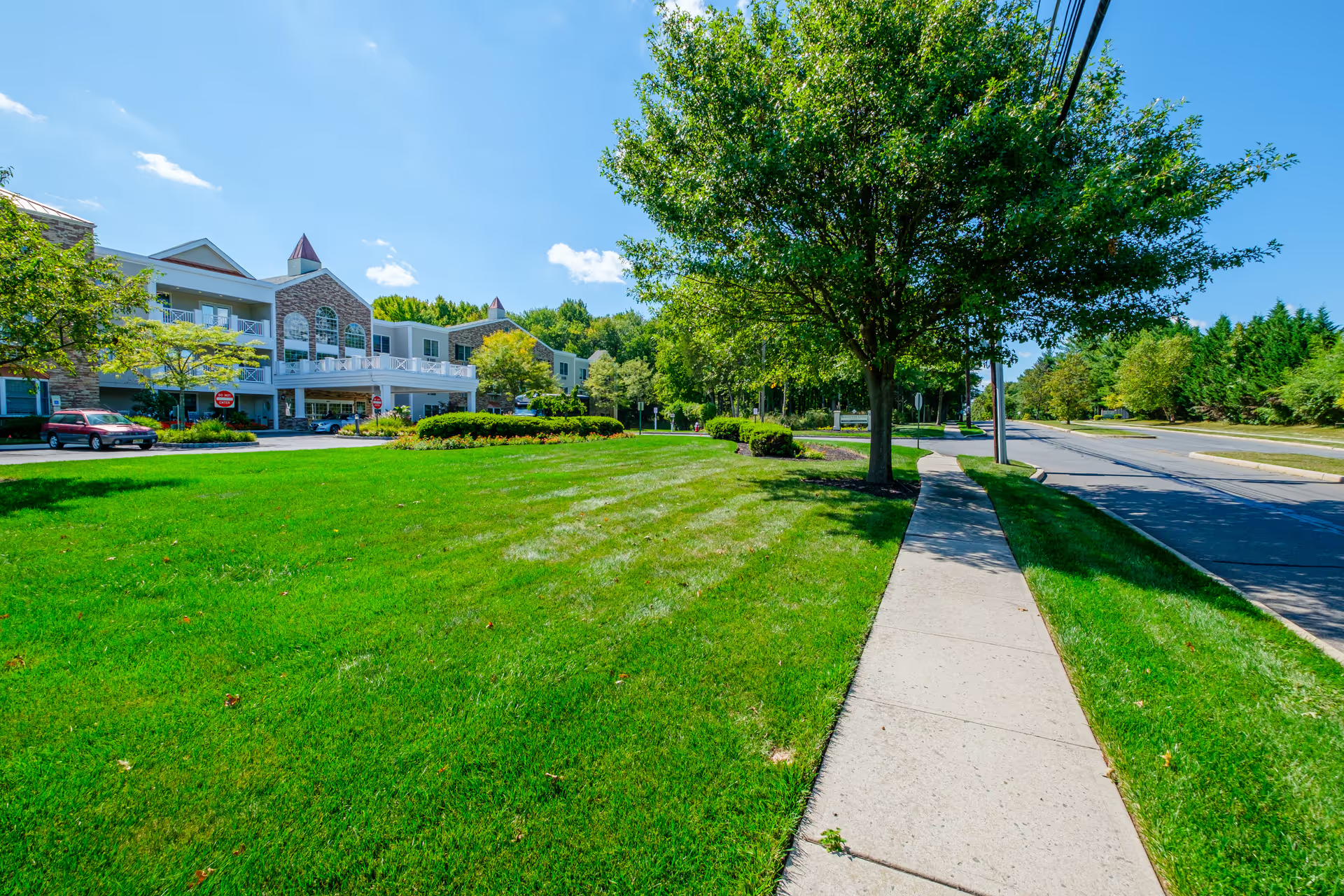
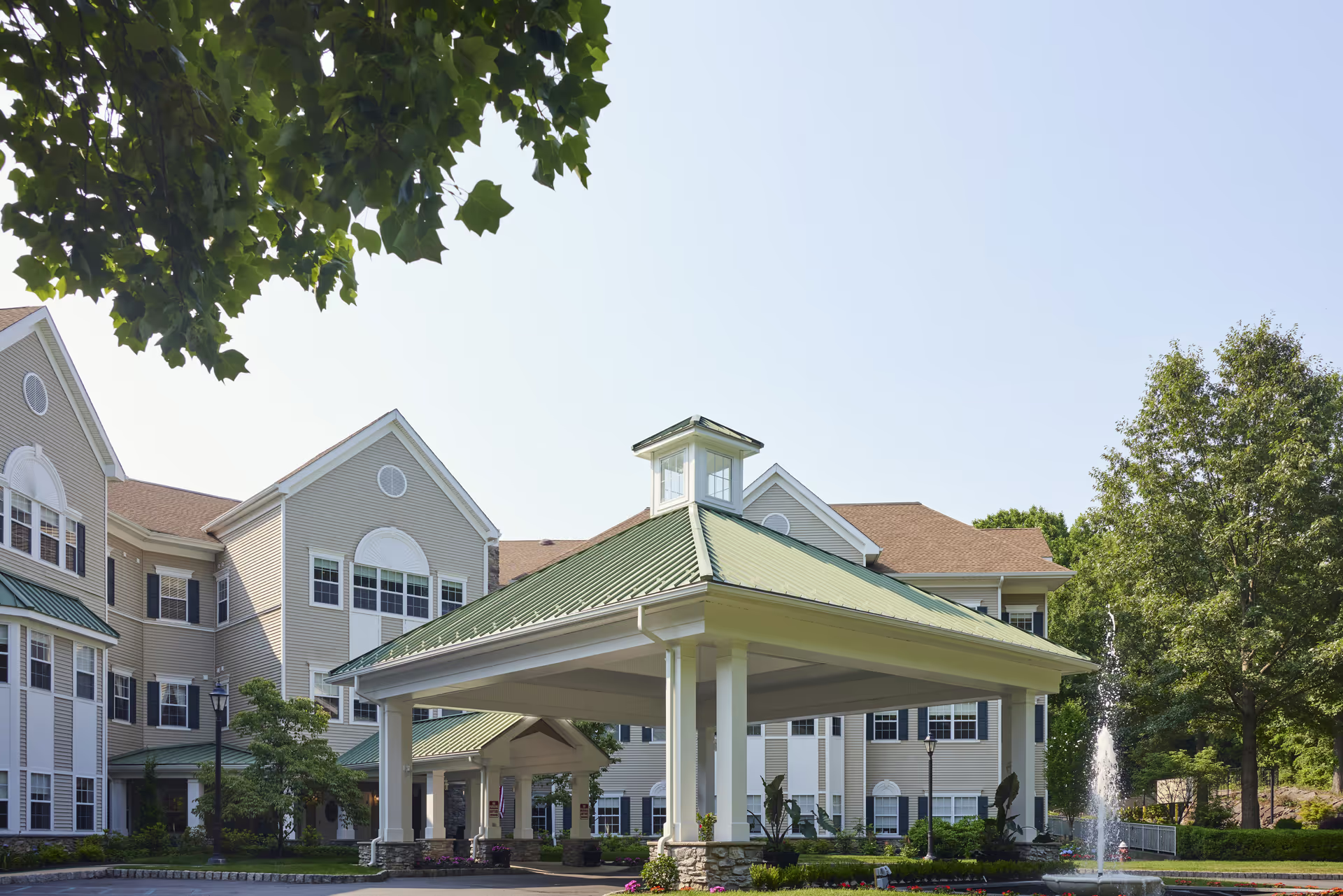
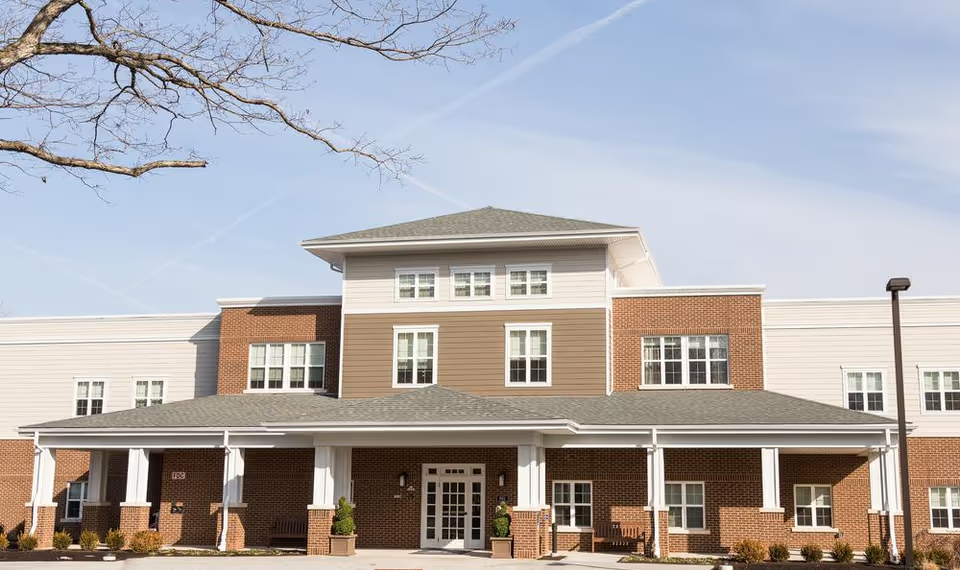
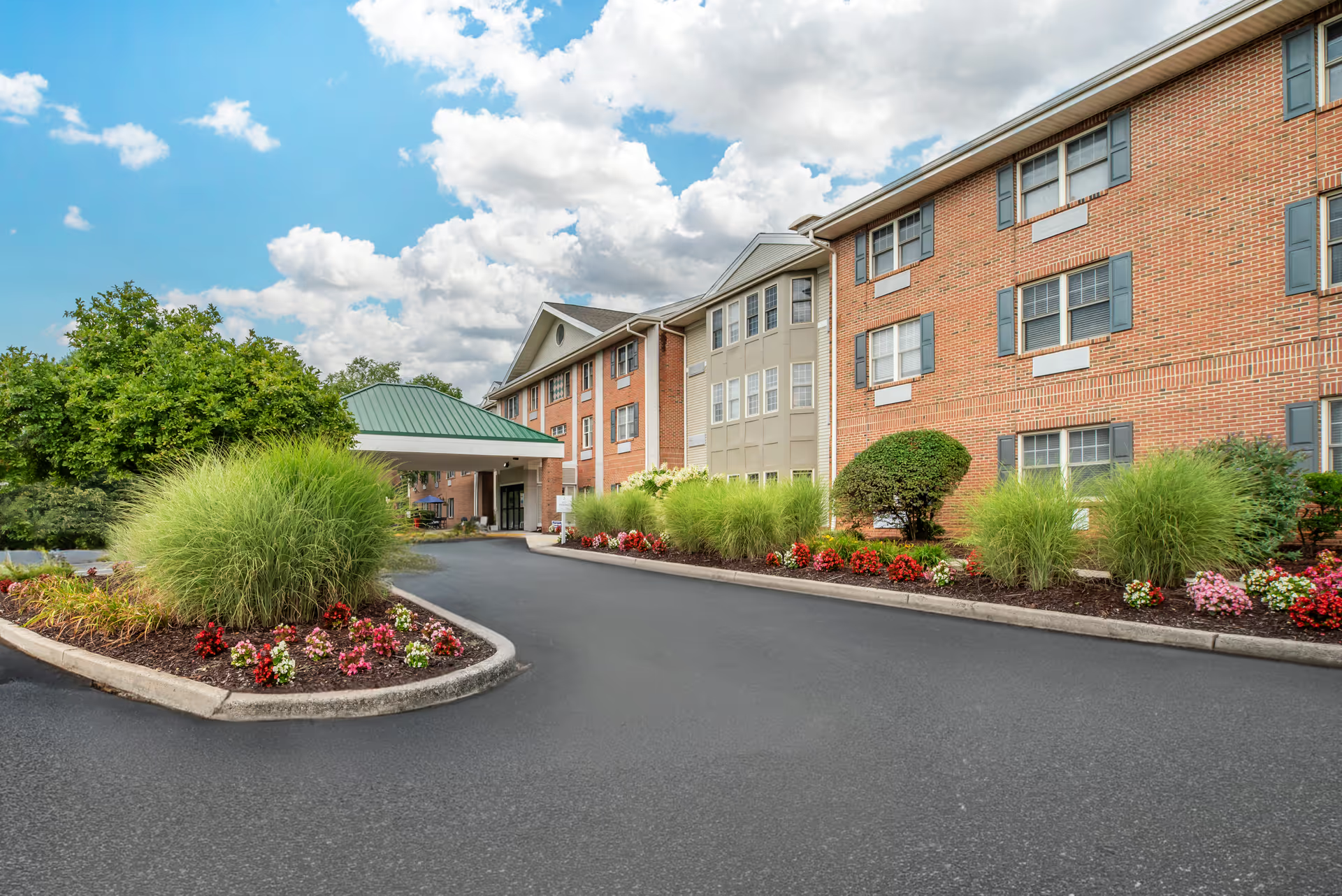
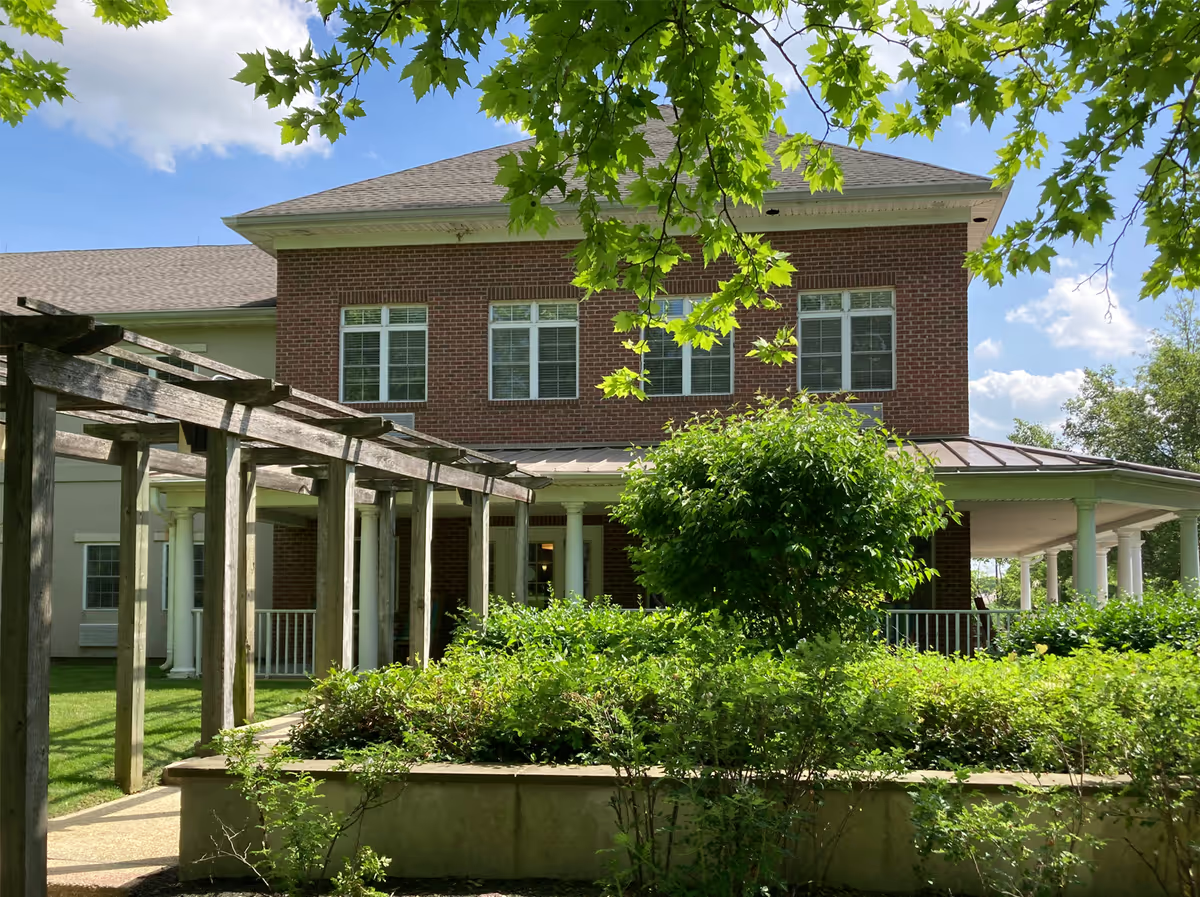
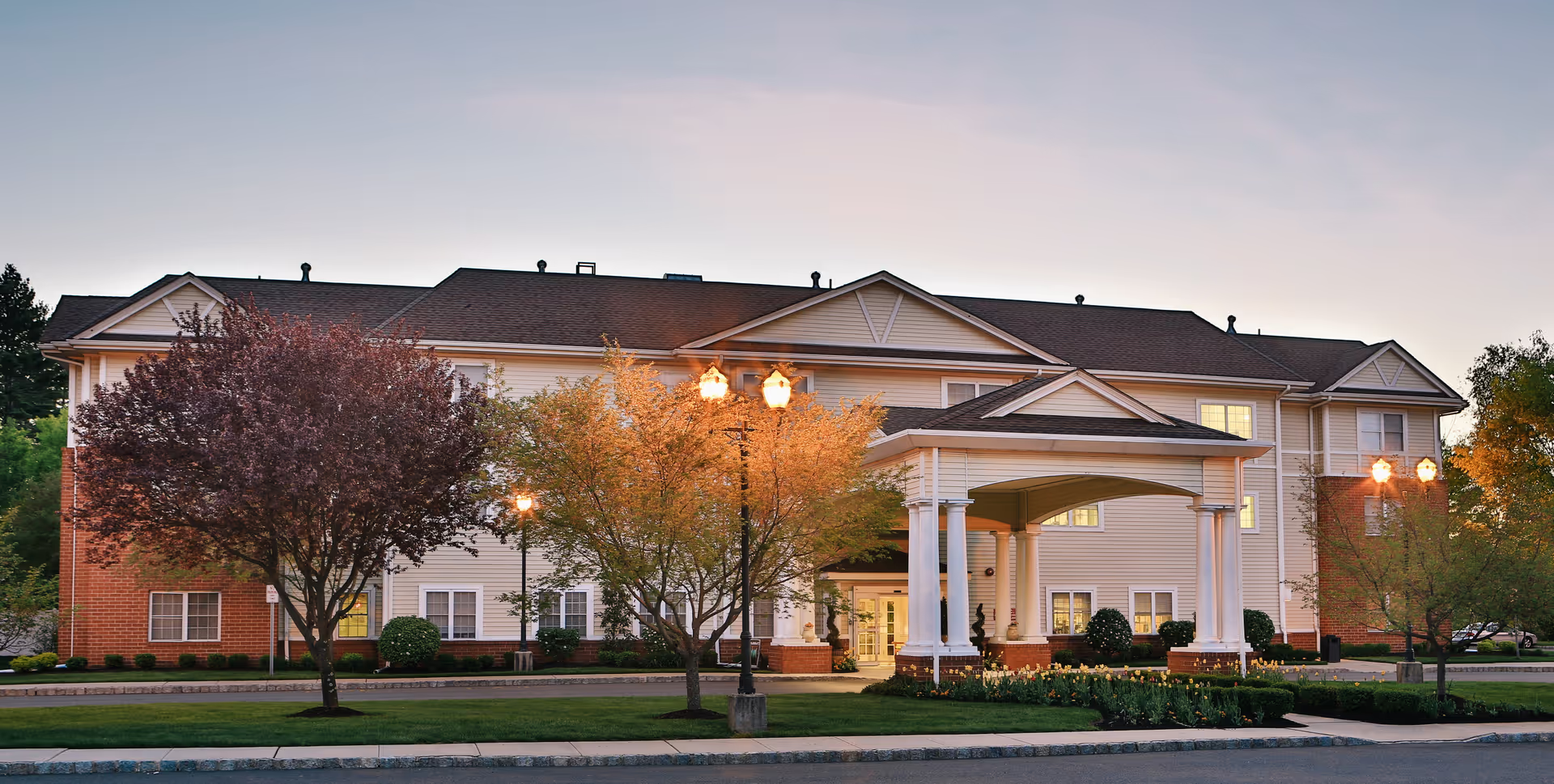
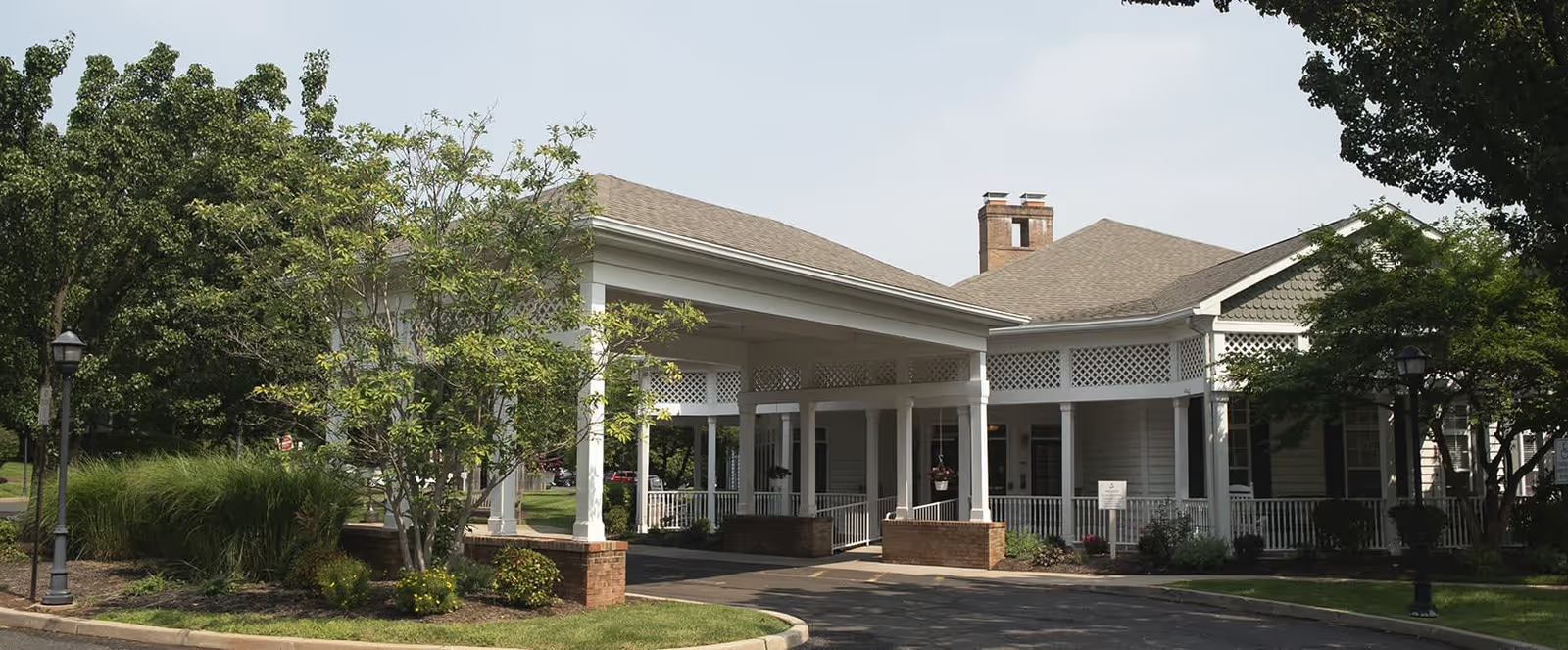
The reviews for Carnegie Assisted Living at Princeton present a mixed but detailed picture. Strengths most consistently described include warm, engaged caregiving staff and competent nursing support. Many families cite organized medication handling, visible nursing involvement, and caretakers who know residents by name. The community has undergone visible renovation: apartments are frequently described as bright and cheerful, with large windows, full-length shades, and kitchenette amenities. Common areas and the lobby are often mentioned as well maintained and welcoming.
Dining and activities are prominent strengths. The facility offers restaurant-style dining, event-focused meals (festivals, outdoor events, holiday celebrations) and a menu that some families praise as excellent; culinary pride and attractive plating are noted. At the same time, several reviews describe variability in everyday dining quality and meal service flow. Activities programming is broad and inclusive, with on-site crafts, music, field trips, intergenerational events, and documented efforts to personalize activities for residents’ preferences; activity staff are repeatedly described as friendly and proactive.
Care and operational performance show divergence across reviews. Many accounts describe attentive, supportive staff, regular housekeeping services, scheduled assisted showers, and improved operations following a management change. Conversely, a number of reviews point to inconsistent responsiveness to call buttons, irregular aide availability, and intermittent lapses in housekeeping or room readiness. Medication management is generally praised by some families, but other reviews allege missed or misplaced medications and missed doses; these contrasting descriptions suggest variability in clinical processes or execution. A few reviews include very serious individual claims, including allegations of severe clinical failures and concerns following a resident's death; these comments are distinct from the broader pattern and warrant direct follow-up with the provider and regulators as needed.
Management and communication practices are another mixed area. Several reviewers note improvements after a takeover, including cleaner rooms, more coordinated nursing care, and faster responsiveness. At the same time, recurring operational themes include high staff turnover, voicemail/contact-management problems, delayed follow-up on family concerns, and billing/contract-clarity disputes (including an advertised minimum self-pay term before Medicaid). Marketing and admissions practices drew criticism in cases where promised views or room assignments did not match reality. Privacy-process concerns (staff entering rooms without consistent knocking) and odor concerns in certain long-term care areas were also raised.
For prospective residents and families: the facility offers many of the amenities and engagement options expected in a well-appointed assisted-living community, and several families report improved quality of life under current management. However, reviewers identify variable performance in day-to-day staffing, communication, housekeeping, and some clinical processes. Visitors should confirm current staffing ratios and turnover trends, ask for specifics about medication administration and incident follow-up protocols, review contract terms about self-pay and billing, and tour both assisted-living and memory-care areas to assess cleanliness and odor management firsthand. Direct questions about recent management changes, family-communication practices, and how the community handles missed-service incidents will help clarify whether operational improvements have been sustained.