Carnegie Post Acute Care at Princeton elicits strongly polarized experiences. A consistent strength across many accounts is the facility’s rehabilitation program: physical and occupational therapy teams are frequently described as skilled, organized, and effective at helping patients regain function. Families often praised proactive social work and discharge planning that supported transitions home or into nearby assisted-living apartments. Admissions and coordination for post-acute needs are commonly characterized as efficient, and many reviewers highlighted warm, compassionate nursing and aide interactions that contributed to a family-like atmosphere on several units.
At the same time, there are recurrent operational concerns that prospective families should evaluate. Staffing levels are described as inconsistent; when busy or short-staffed, families reported delays in basic assistance, such as toileting and bathing, and long waits for call-bell responses. Reviewers also described sanitation and incontinence-care concerns and uneven housekeeping attention in resident rooms and shared kitchens. These issues appear to vary by unit and time of day, suggesting variability in day-to-day operational reliability.
Dining and food-service quality is another area of mixed feedback. Some residents and families found the menu acceptable and alternatives available on request, while others described cold or poorly prepared meals and limited accommodation of dietary preferences. Meal-service continuity and temperature control appear to be operational pain points. Administrative areas such as billing, Medicaid coordination, and insurance approvals were also noted as problematic by multiple families, with delays and disputes that affected discharge planning and coverage.
Clinical safety and medication management surfaced as a notable concern in a subset of accounts. These include descriptions of missed or delayed medications, pharmacy coordination challenges, and more serious allegations involving medication irregularities and missing personal items. Separate accounts point to variability in emergency response and clinical-incident handling, including delays calling emergency services in at least one reported event. These are serious issues to review with facility leadership and to verify through current quality and regulatory records.
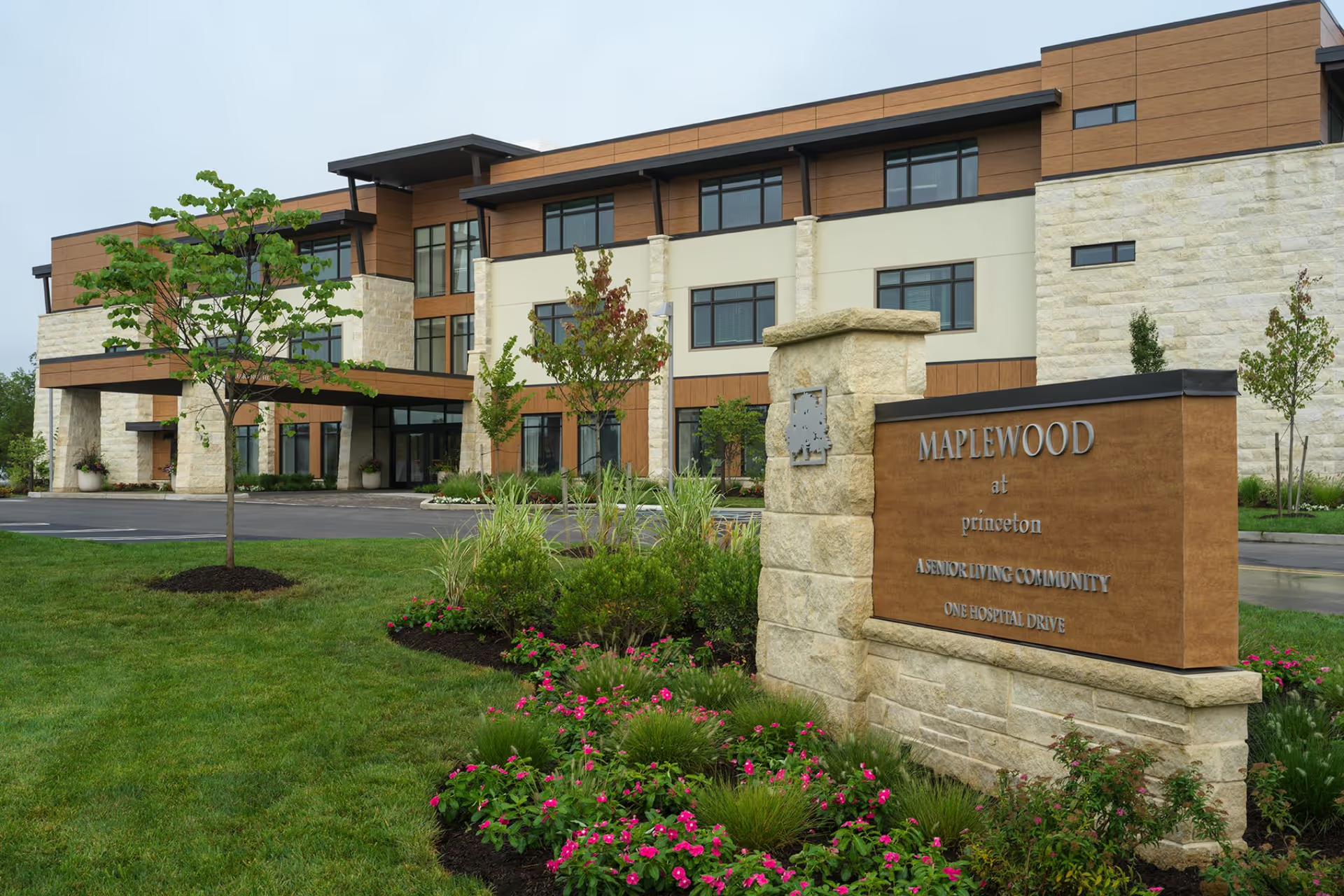
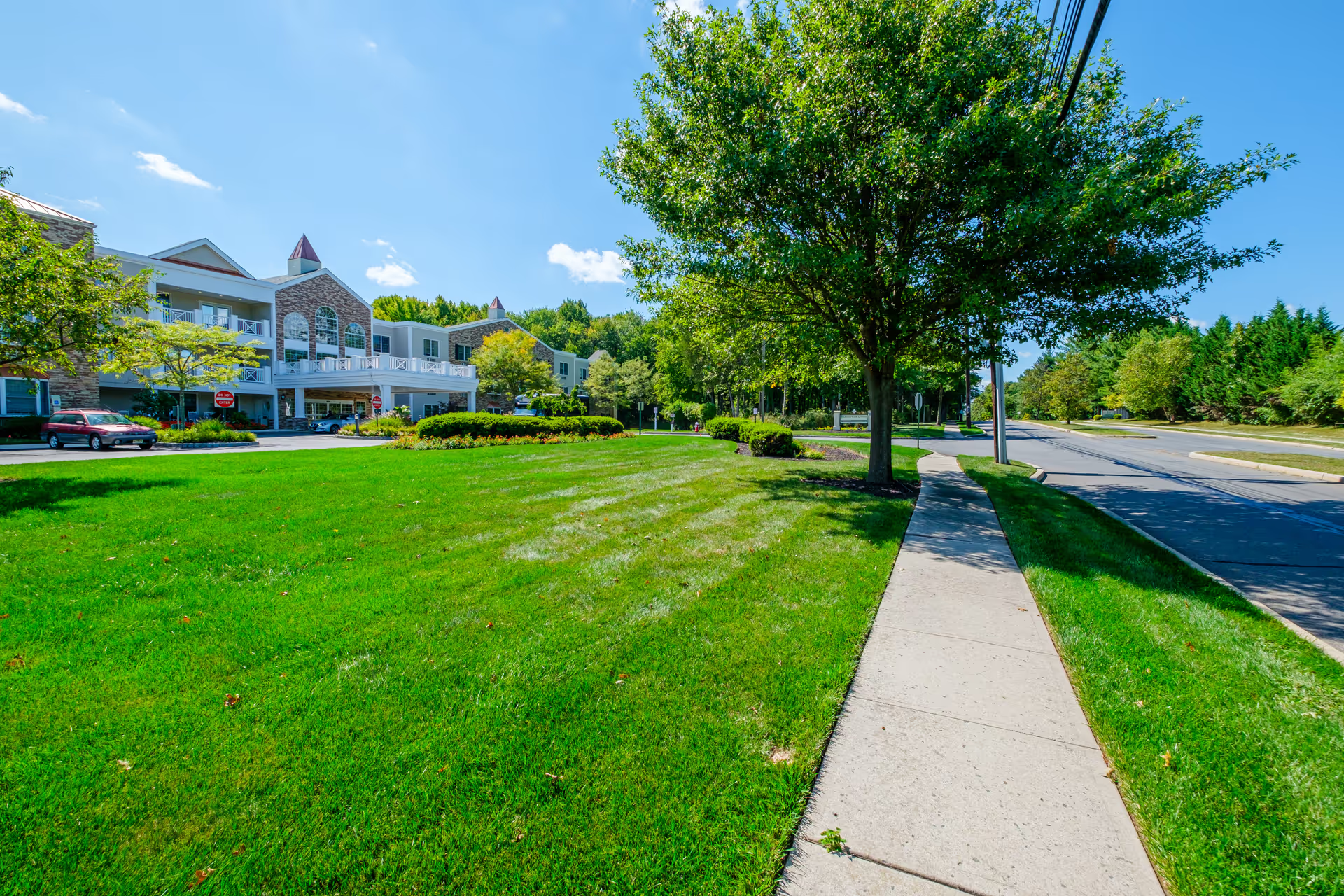
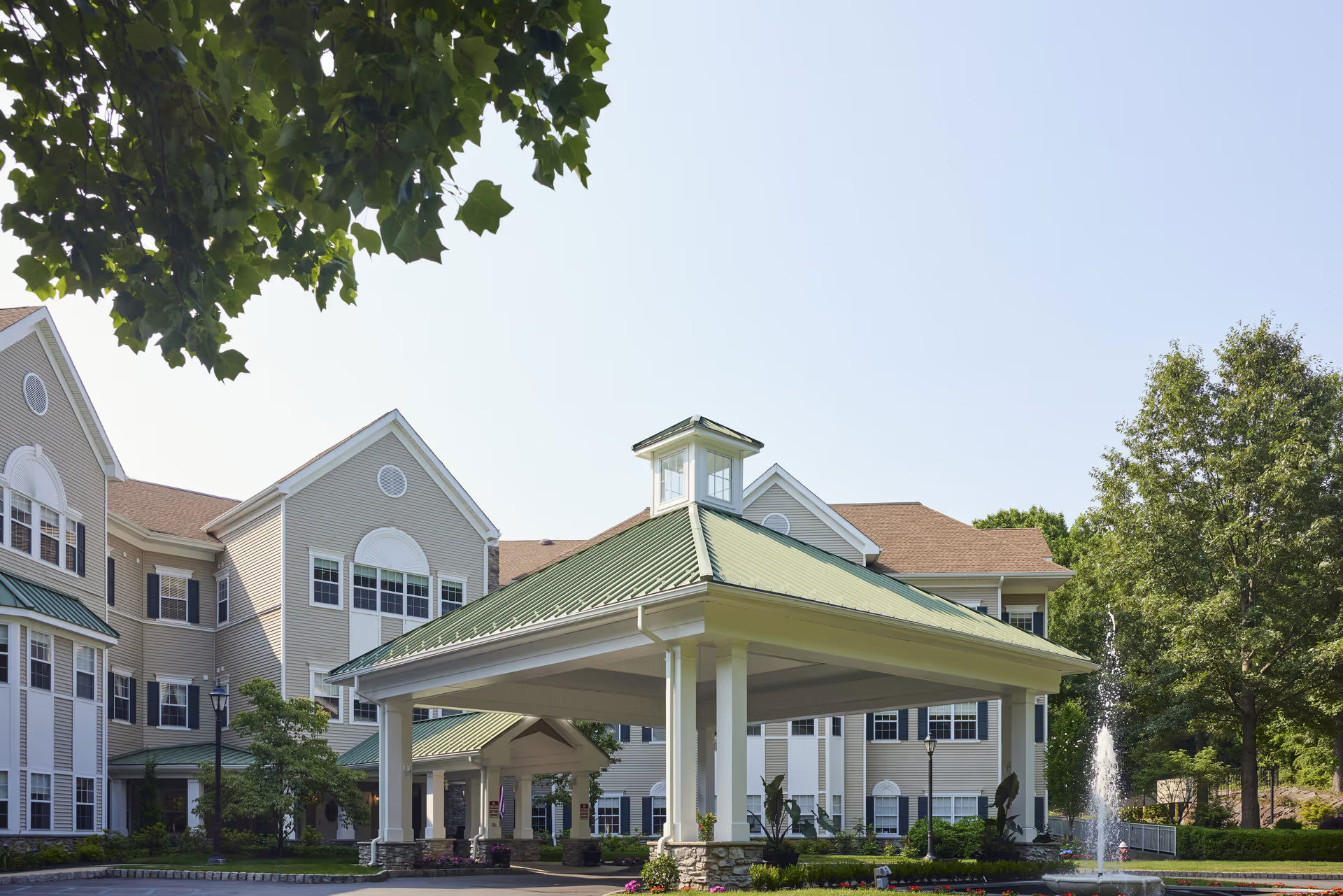
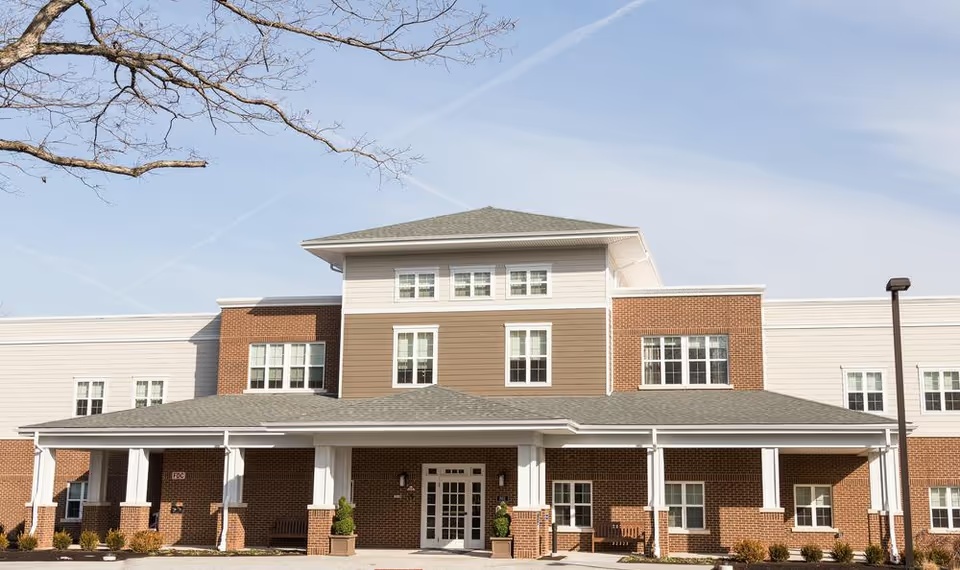
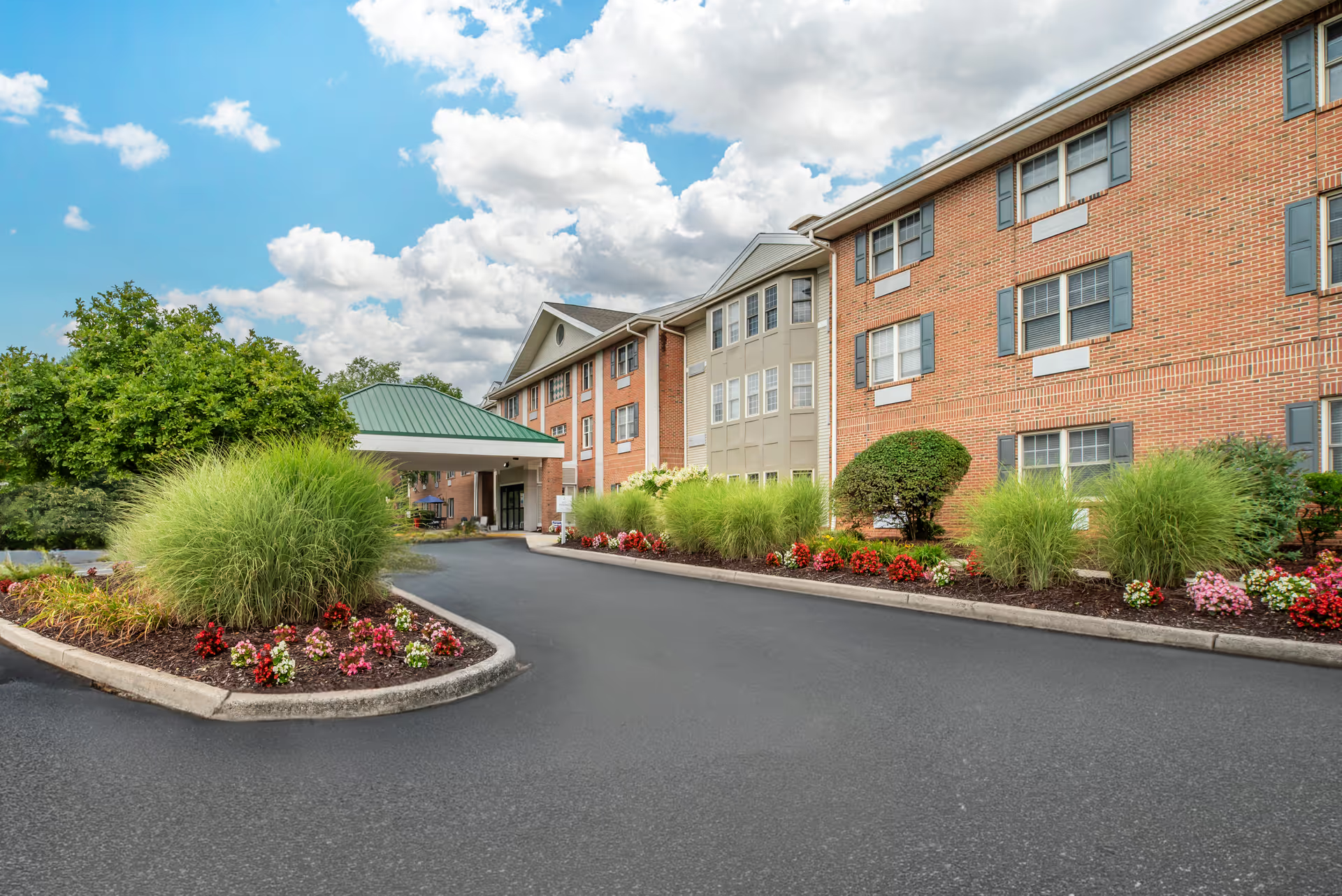
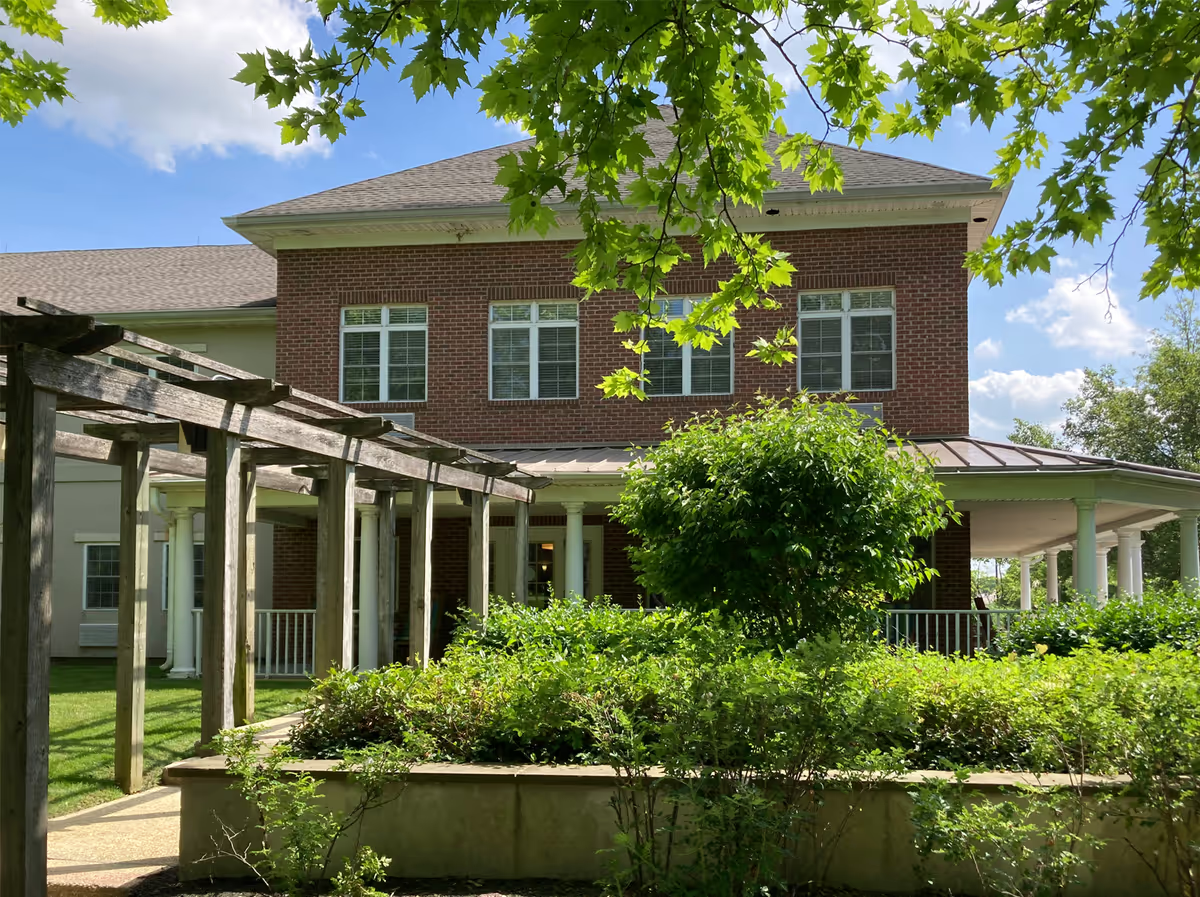
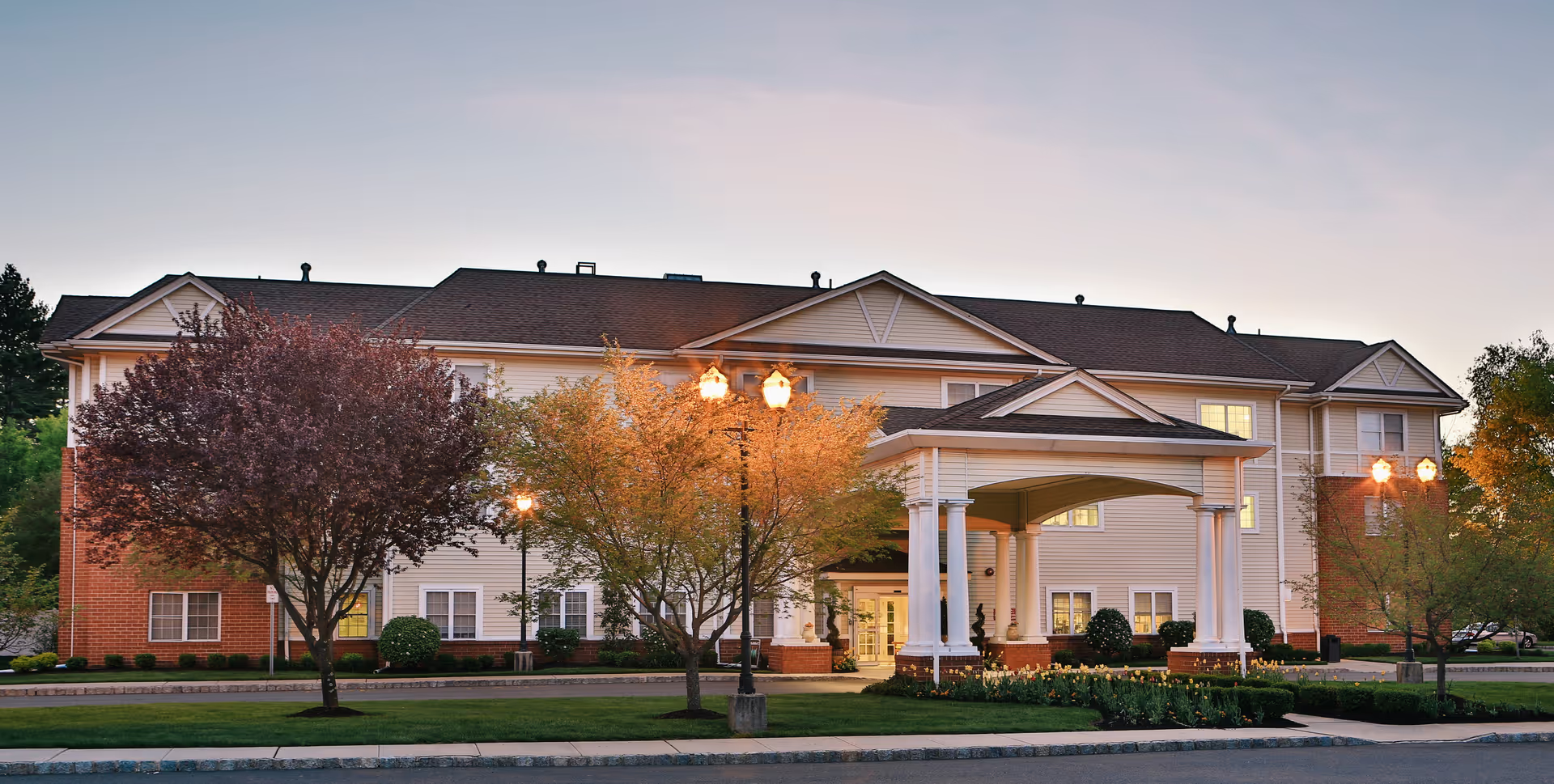
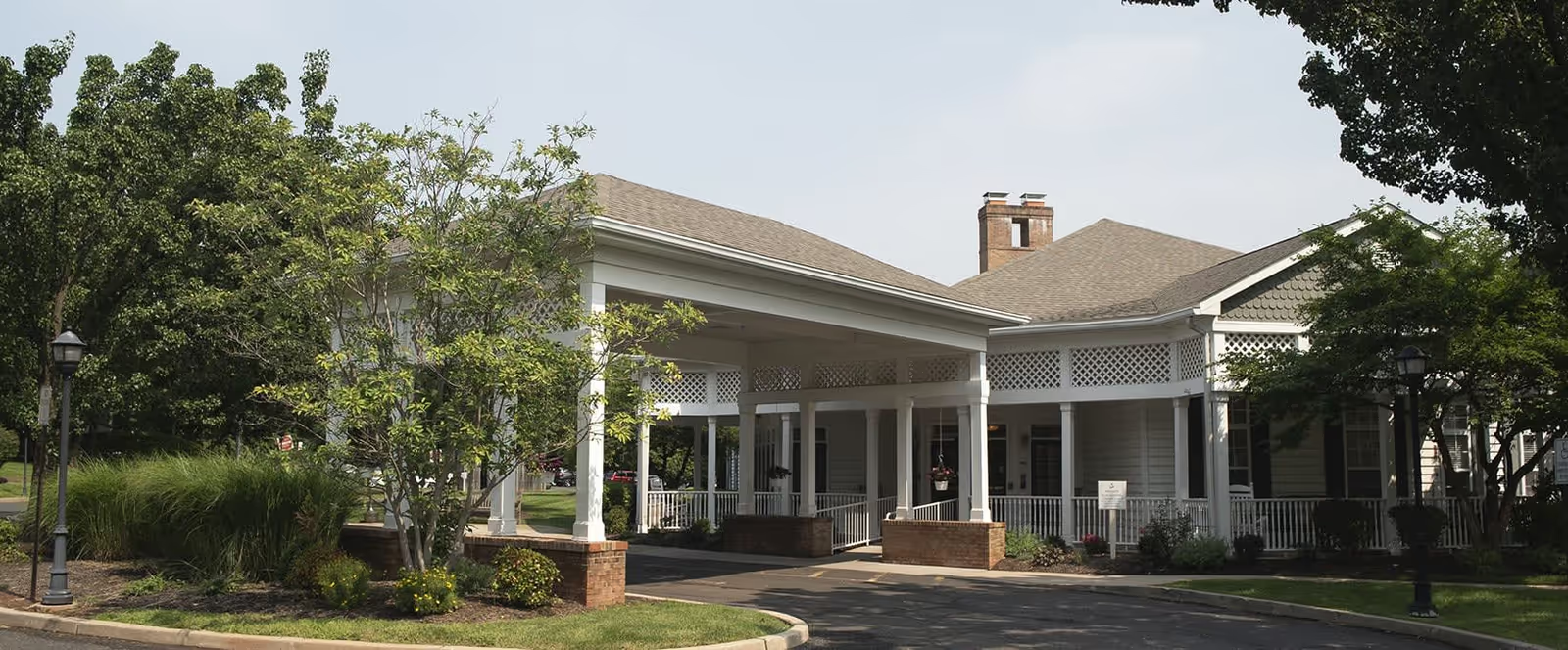
Facility condition and management trends are mixed. Several reviewers praised renovated units, a pleasant entrance and activity spaces, and attentive maintenance; others described older, less updated areas and inconsistent maintenance responsiveness. Multiple comments indicate that recent ownership or management changes have led to improvements for some families, while other reviewers still encounter operational gaps. Staffing mix (regular staff versus agency personnel) was mentioned as a factor in variability of experience and conduct.
Overall pattern: Carnegie Post Acute Care has a strong rehabilitation reputation and many examples of compassionate, effective caregiving and social support, but also recurring operational weaknesses—most notably inconsistent staffing, sanitation and housekeeping gaps, meal-service variability, administrative/billing coordination problems, and some serious medication- and security-related allegations. Prospective residents and families would benefit from an in-person visit to specific units, questions about current staffing ratios and agency usage, review of medication-management and emergency-response protocols, recent inspection or complaint history, and clarity on billing/insurance coordination before admission.