Reviewers describe a facility with a clear strength in short-term rehabilitation services but mixed performance for longer-term custodial care. The inpatient rehab program—particularly physical, occupational and speech therapy—is frequently praised for competent clinicians and positive functional outcomes. Several accounts describe nurses and therapists who were instrumental in discharge planning and getting residents back home safely. That said, there is notable variability in therapy availability and outcomes: while some families report excellent progress, others cite limited therapy intensity or unmet therapy needs.
Staffing and day-to-day care are the primary areas of concern. A recurring theme is chronic understaffing and reliance on a thinner licensed-staff mix, which reviewers link to overworked employees, missed or delayed nursing visits, and slower responses to call bells. Reports characterize staff performance as uneven—examples range from attentive, communicative nurses and helpful aides to instances of inattentive conduct and poor bedside manner. These patterns have practical effects: delays in personal care, inconsistent monitoring of intake and weight, and gaps in clinical follow-up are reported often enough to be considered operational issues rather than isolated events.
Dining and nutrition-related services are another weak point. Multiple reviewers describe unappealing meals, incorrect diets being served, and insufficient meal accommodations for special dietary needs. Weight loss and inadequate food intake were raised as concerns in some cases. Conversely, the facility does offer vegetarian options and included amenities like TV and phone in rooms, which families found helpful.
Activities, admissions, and certain administrative functions receive positive mention. The facility runs a range of programs and social activities, and admissions/reception staff are frequently described as welcoming and helpful. A number of reviewers also note instances of responsive management and prompt problem resolution, although this appears inconsistent across experiences.
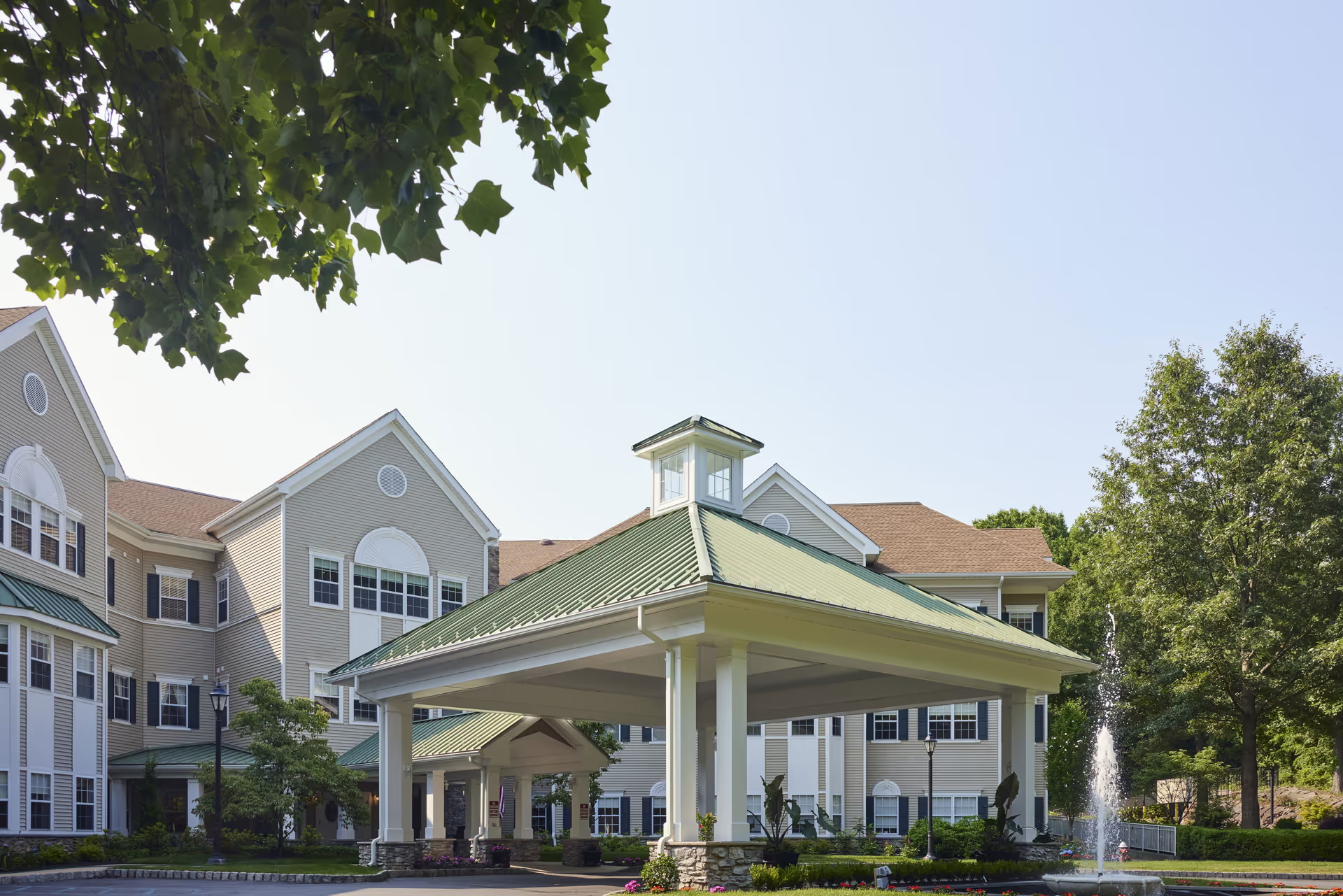
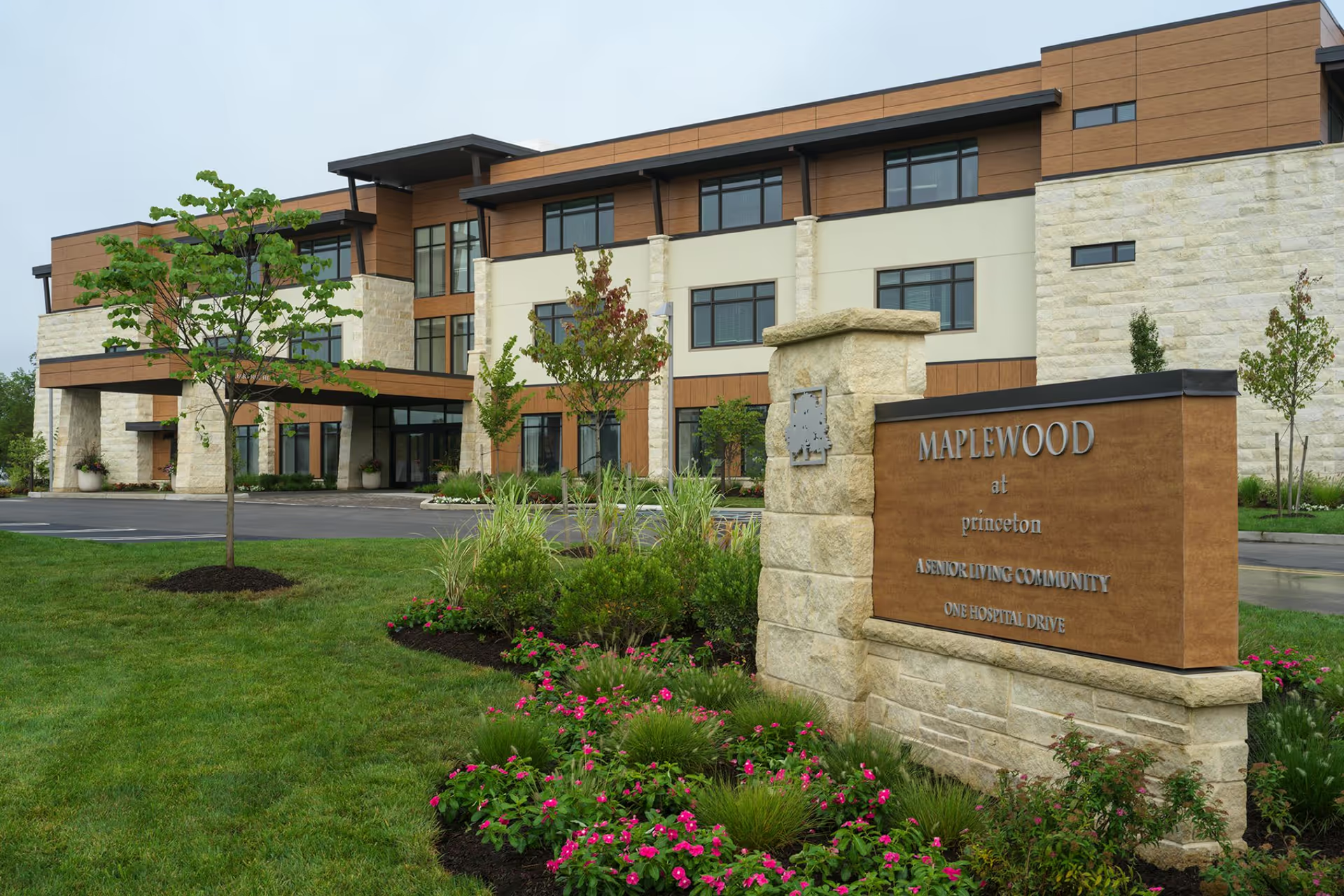
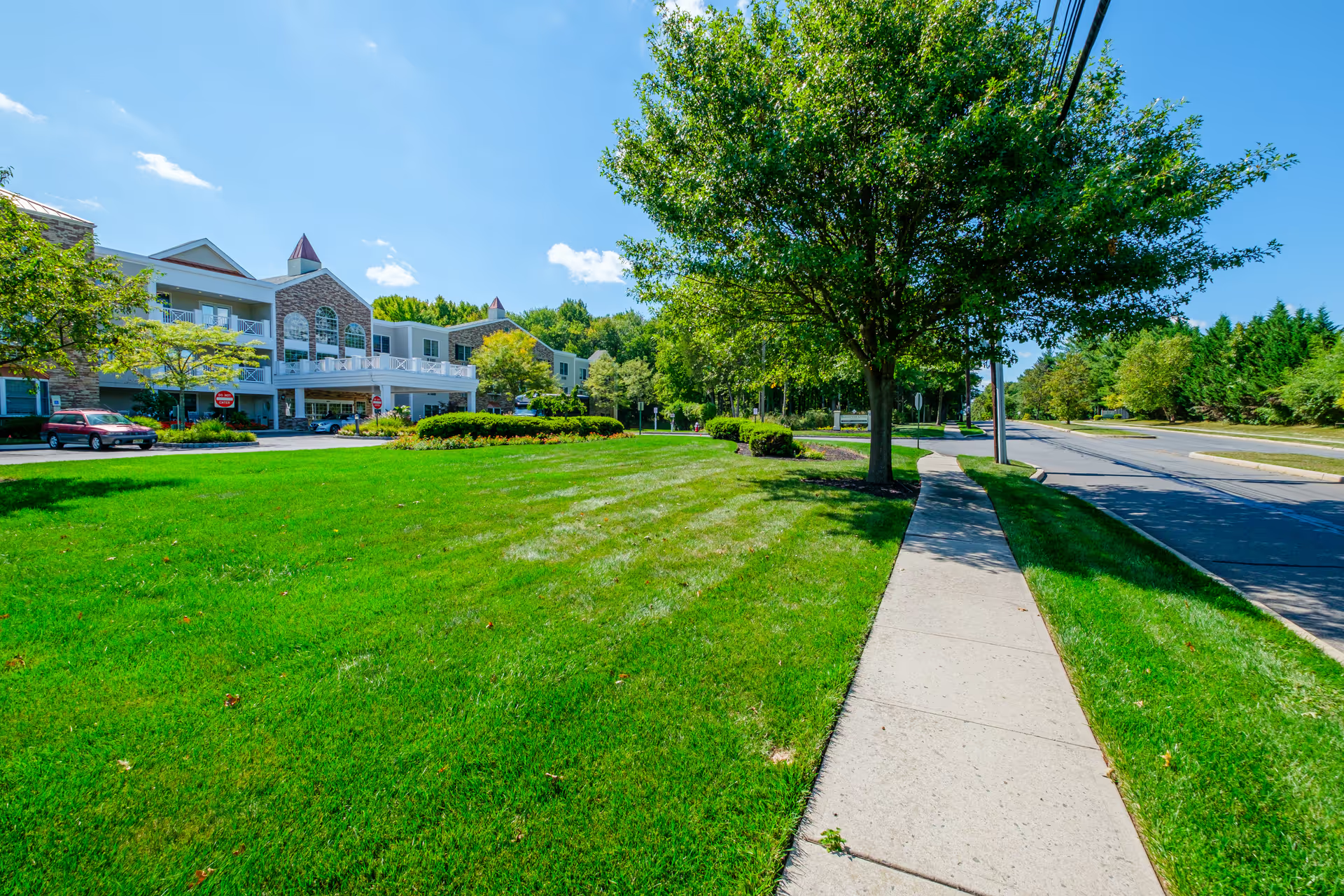
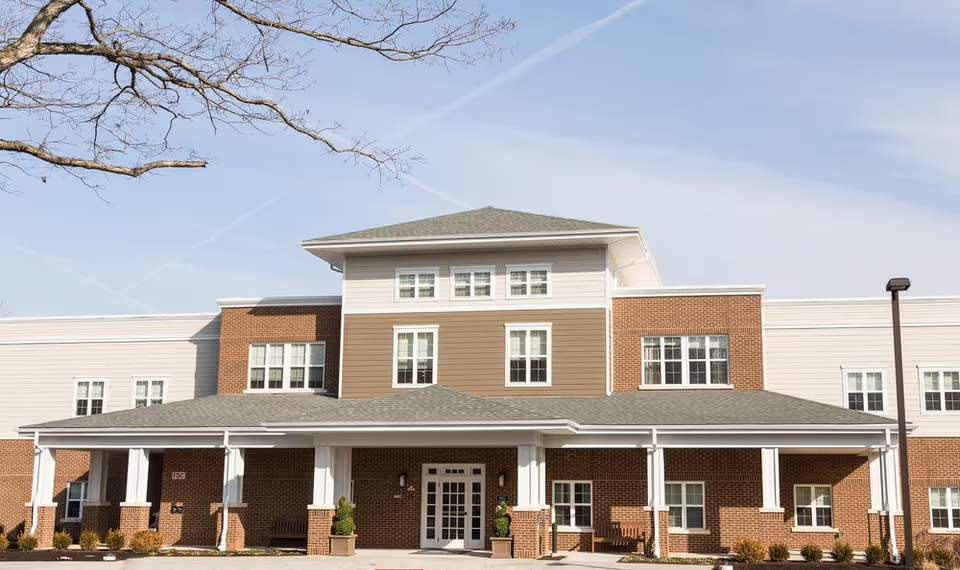
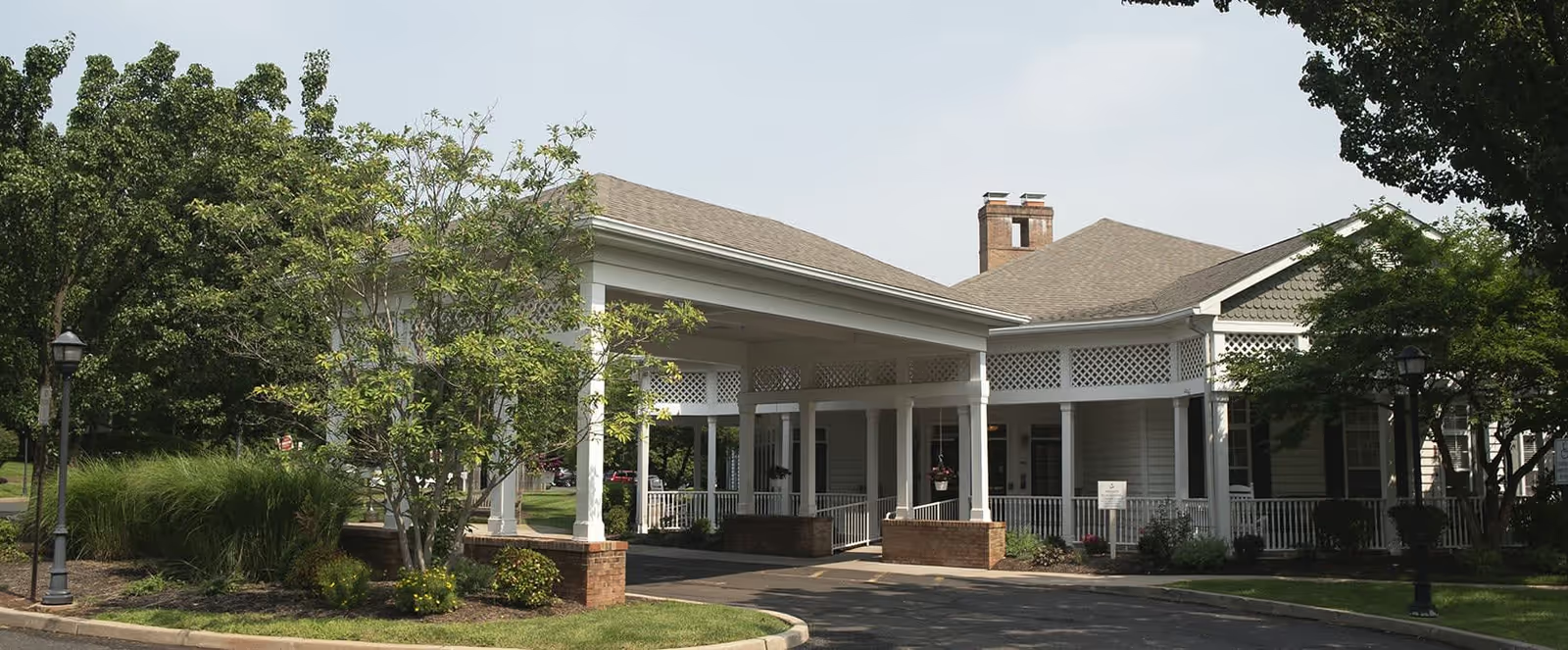
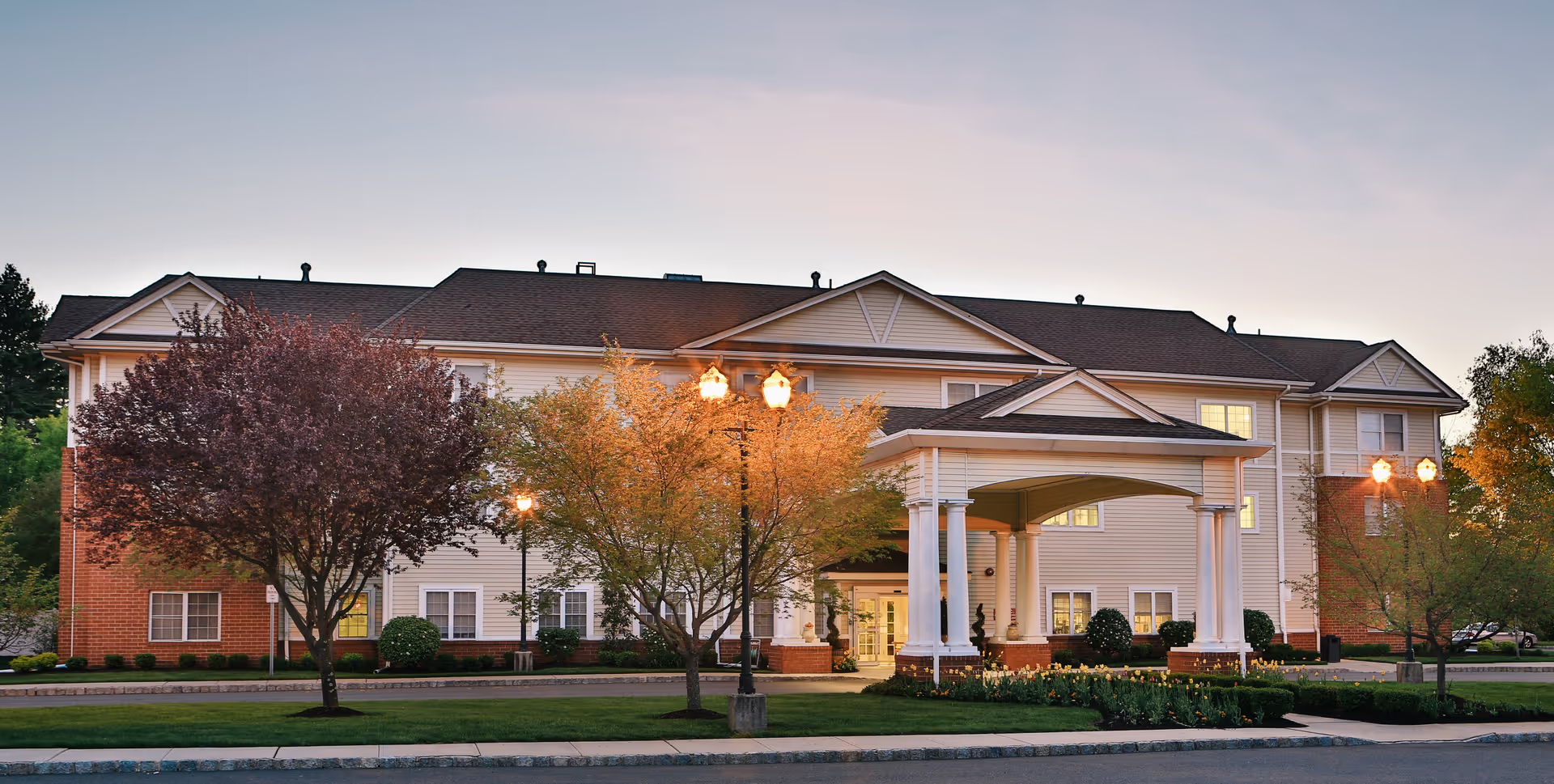
Facility conditions are described in mixed terms. Many families find the environment relatively clean and free of unpleasant odors, and rooms/bathrooms are generally functional. However, others cite sanitation and pest-control issues in parts of the building, air-conditioning leaks, dusty floors, and poor lighting in resident rooms. These environmental inconsistencies contribute to an overall perception that maintenance and housekeeping standards vary by area and time.
Management and governance present a divided picture. Some families commend clear communication from administrators and effective resolution of problems; others characterize leadership as ineffective, with staff shortages attributed to poor management or low pay. There are also mentions of regulatory involvement and requests for families to document care concerns, and one serious theme involves allegations of resident property misplacement and theft.
Taken together, the pattern suggests Princeton Care Center can provide high-quality, therapy-focused short-term rehabilitation when staffing and clinical teams are fully engaged. For long-term placement, families should weigh the facility’s strengths (rehab capability, active programming, some responsive administration) against recurring operational weaknesses (staffing instability, inconsistent caregiving, dietary and sanitation issues, and communication gaps). Reviewers frequently advise that residents who cannot self-advocate or whose care needs require continuous, predictable staffing may face higher risk of unmet needs here. Prospective residents and families may wish to verify current staffing ratios, infection-control measures, dietary accommodations, and recent regulatory findings before making a placement decision.