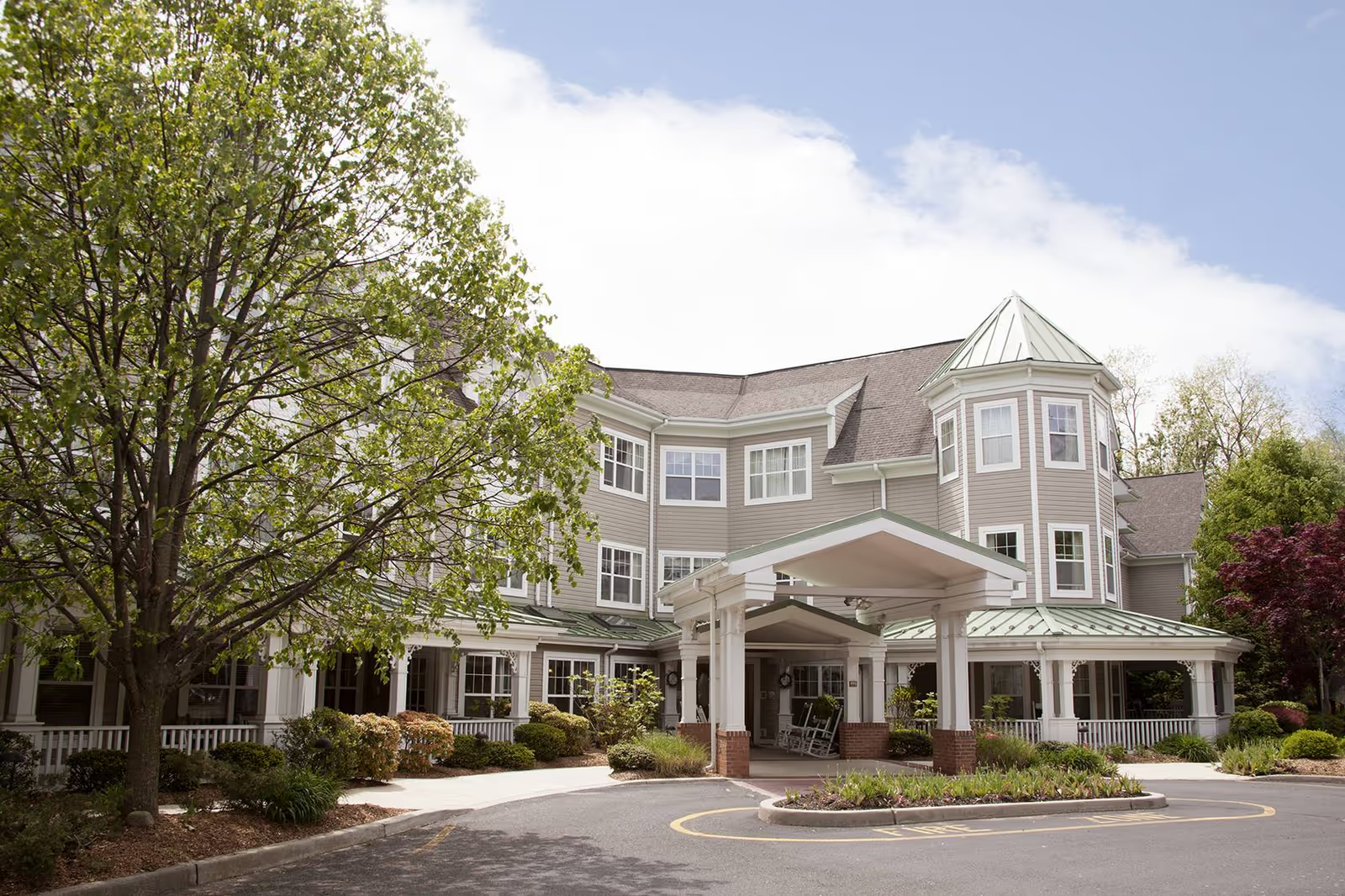
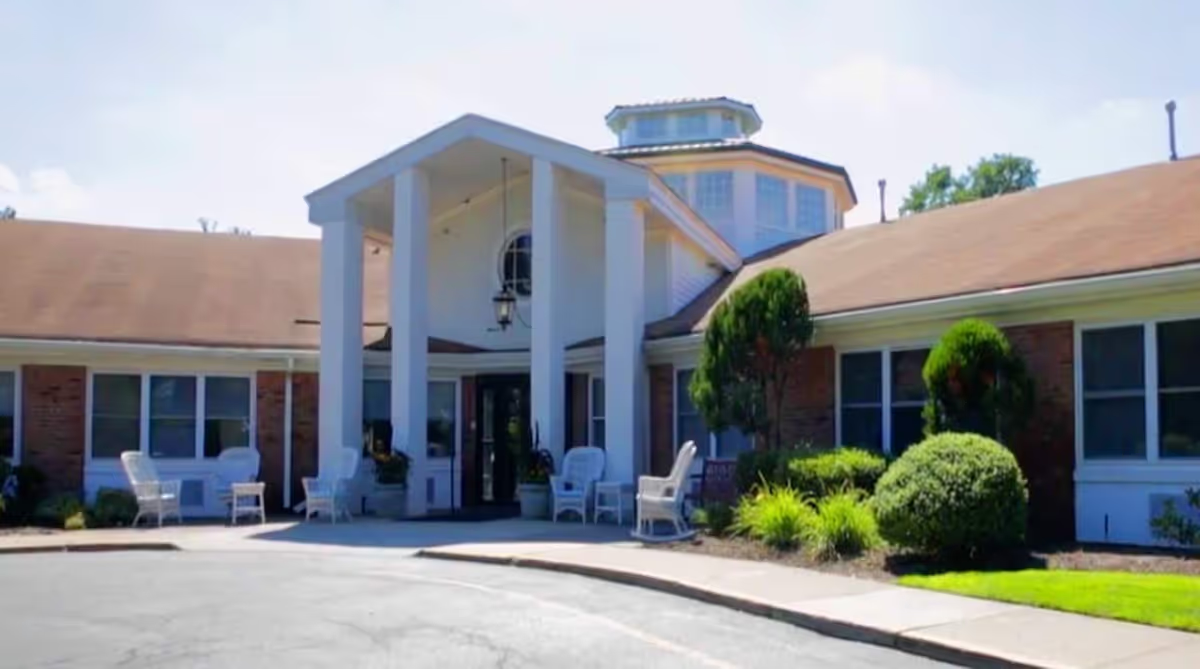
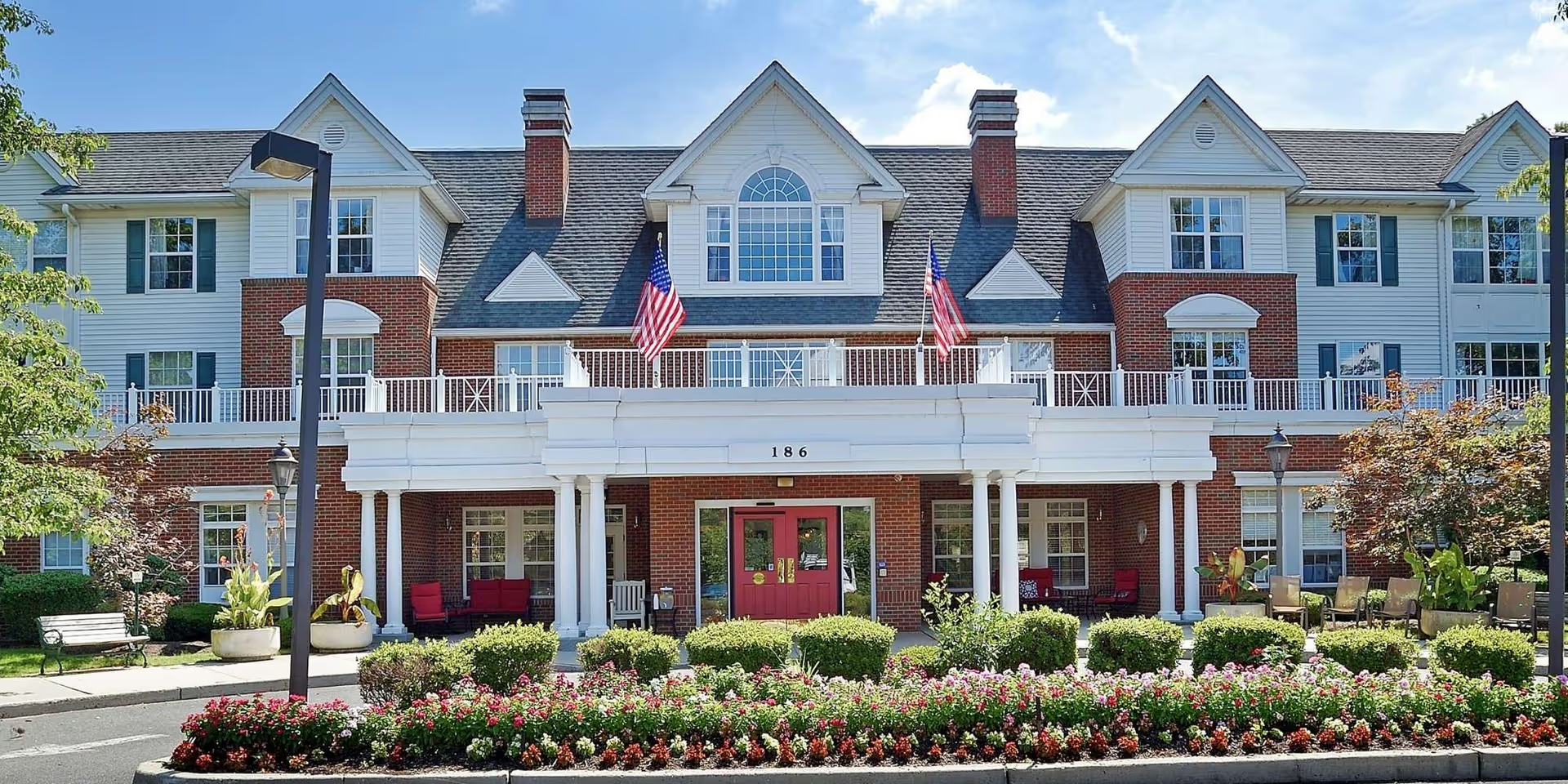
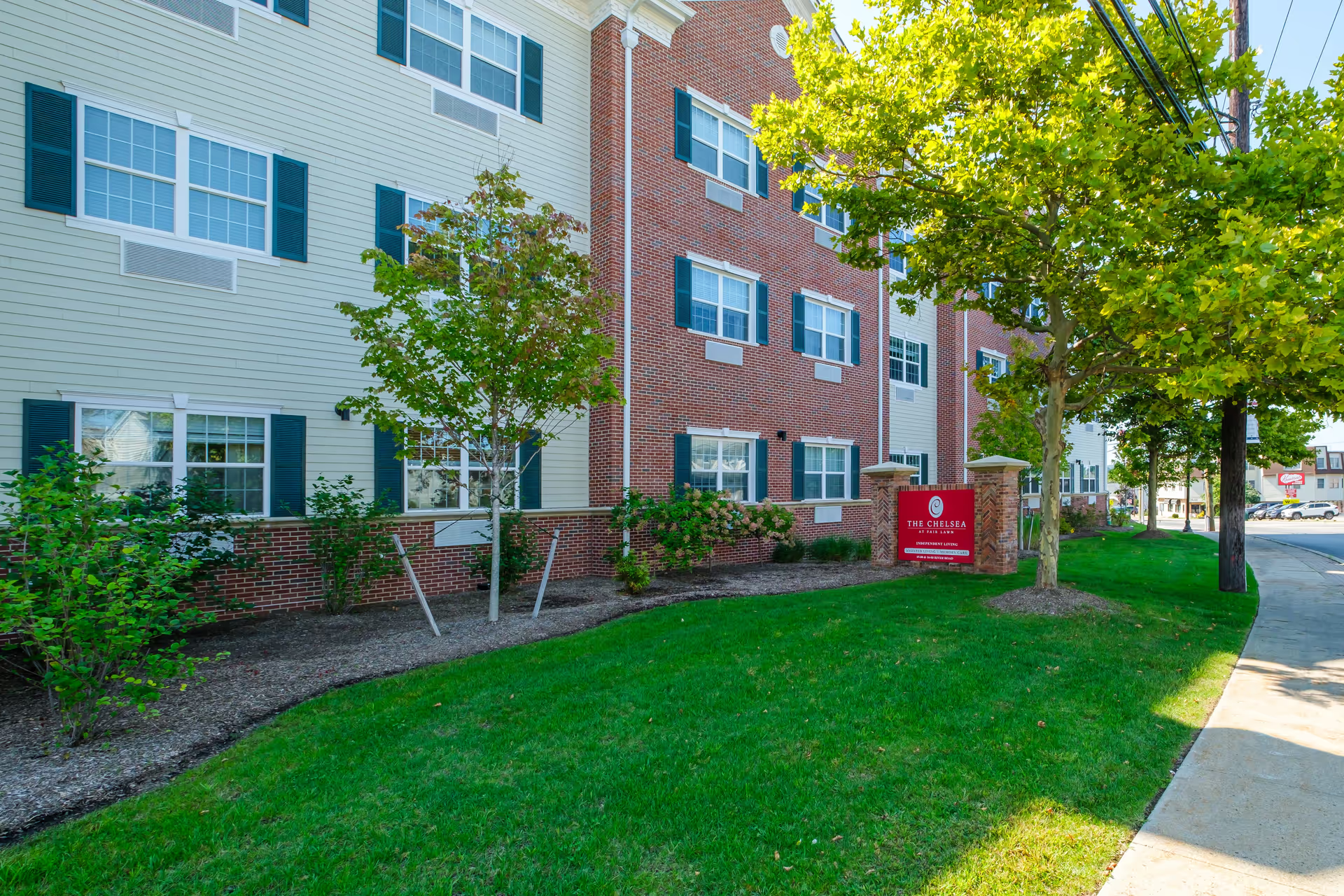
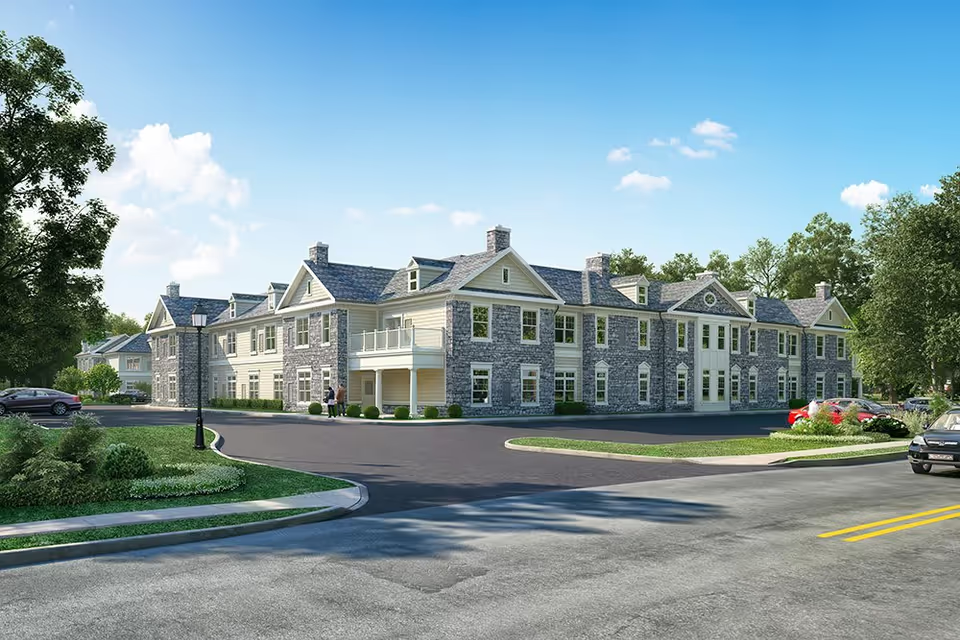
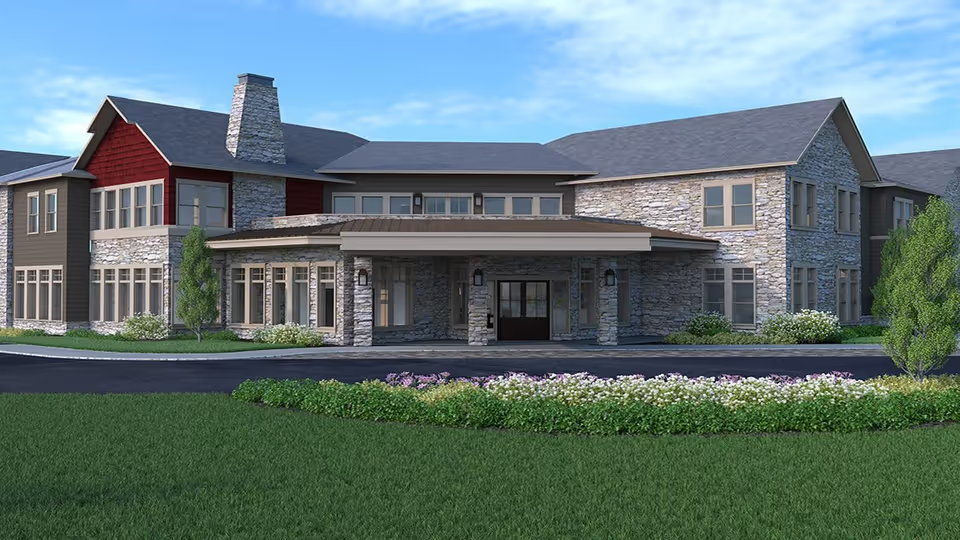
Family of Caring at Ridgewood presents a mixed but largely positive profile. Many families praised the facility for compassionate bedside care, a welcoming, home‑like environment, and a clean, updated building with pleasant outdoor areas. The rehabilitation programs (physical, occupational, and speech therapy) consistently receive strong endorsement for helping residents regain strength and transition home. Several reviewers highlighted effective discharge planning, active social‑work involvement, and personalized care plans that support recovery and return to the community.
Clinical strengths include an organized therapy department, accessible onsite medical and wound‑care capability, and frequent nurse and administrator communication in many cases. Administrative staff and leadership (several reviewers named specific administrators positively) are often described as responsive and family‑oriented; social services and admissions staff are commonly cited as helpful in navigating care and discharge logistics.
At the same time, a pattern of operational concerns emerges across reviews. Staffing consistency and shift coverage are uneven, with multiple accounts of slow call‑response times and delayed assistance. Relatedly, reviewers cited variability in medication administration practices and gaps in clinical incident response and infection prevention; a few serious clinical incidents and end‑of‑life care concerns were described, prompting calls for review and stronger clinical oversight. There are also recurring notes about inconsistent roommate placement practices, which can affect sleep and infection‑control comfort, and variability in food quality—while some families praised the dining, others found portions or preparation inconsistent.
Communication and management practices show divergence: many families reported prompt, accessible administration and clear interdisciplinary coordination, while others experienced poor shift‑to‑shift handoffs, business‑office or billing communication lapses, and reduced responsiveness following ownership or staffing changes. Supply and equipment availability was mentioned as a limiting factor in some shifts, and several reviewers flagged limited activity programming on certain units or times.
For prospective residents and families: the facility demonstrates clear strengths in rehabilitative care, bedside compassion, and facility upkeep, which have supported successful recoveries for many. Important due diligence areas include staffing patterns on the unit(s) of interest, call‑response metrics, infection‑control policies, medication‑administration protocols, roommate assignment practices, and the current status of administration/billing processes. Asking for recent quality metrics, staffing ratios, and examples of how the facility addresses adverse clinical events can help clarify whether the operational concerns identified in some reviews have been addressed.