Overall impression: Autumn Lake Healthcare at Salem County receives frequent praise for its caregiving culture and rehabilitative strengths. Reviewers consistently describe warm, caring staff who provide personalized attention and a family‑oriented atmosphere. The facility’s therapy department and skilled‑nursing services are repeatedly cited as effective in restoring function and facilitating successful transitions home. Many accounts highlight individual staff members and leadership (including admissions and therapy) whose bedside manner and follow‑through contributed to positive care experiences.
Care and staff: The dominant theme is compassionate, engaged staff who make residents feel respected and involved in care plans. Skilled nursing and rehabilitation services are regarded as a core strength — therapists and nurses are often credited with measurable progress. At the same time, reviewers note operational limitations that affect clinical reliability: inconsistent staffing coverage (notably on weekends and when contracted personnel are used) and episodic delays in responding to call bells or administering medications. These patterns translate into family concerns about responsiveness, discharge follow‑up, and overall safety processes (including fall‑prevention and transfer practices).
Dining and activities: Activity programming is a clear positive; music, seasonal themes, and mentally engaging options are regularly mentioned as contributing to resident quality of life. Dining assessments are mixed: some reviewers praise food and dietary staff, while others describe variability in meal appeal and consistency. Prospective residents should expect an active social calendar, but consider asking for current sample menus and dining routines during a tour.
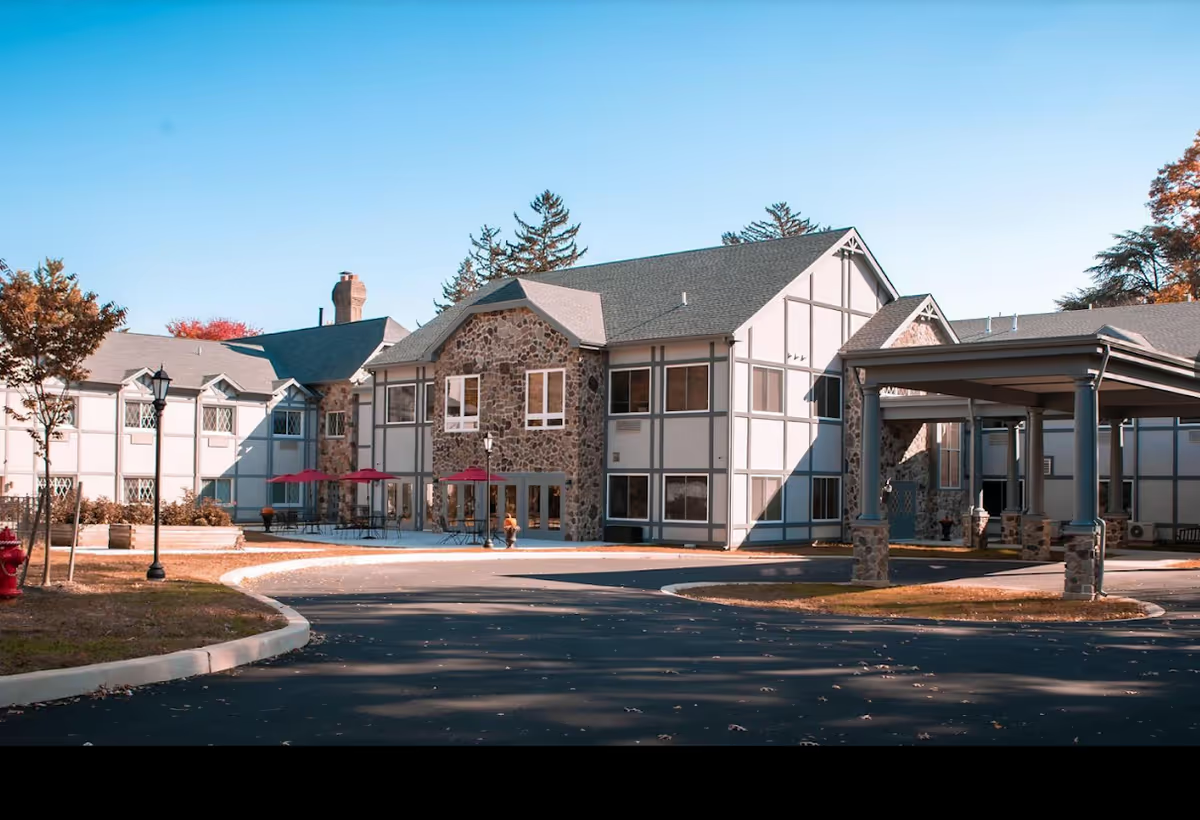
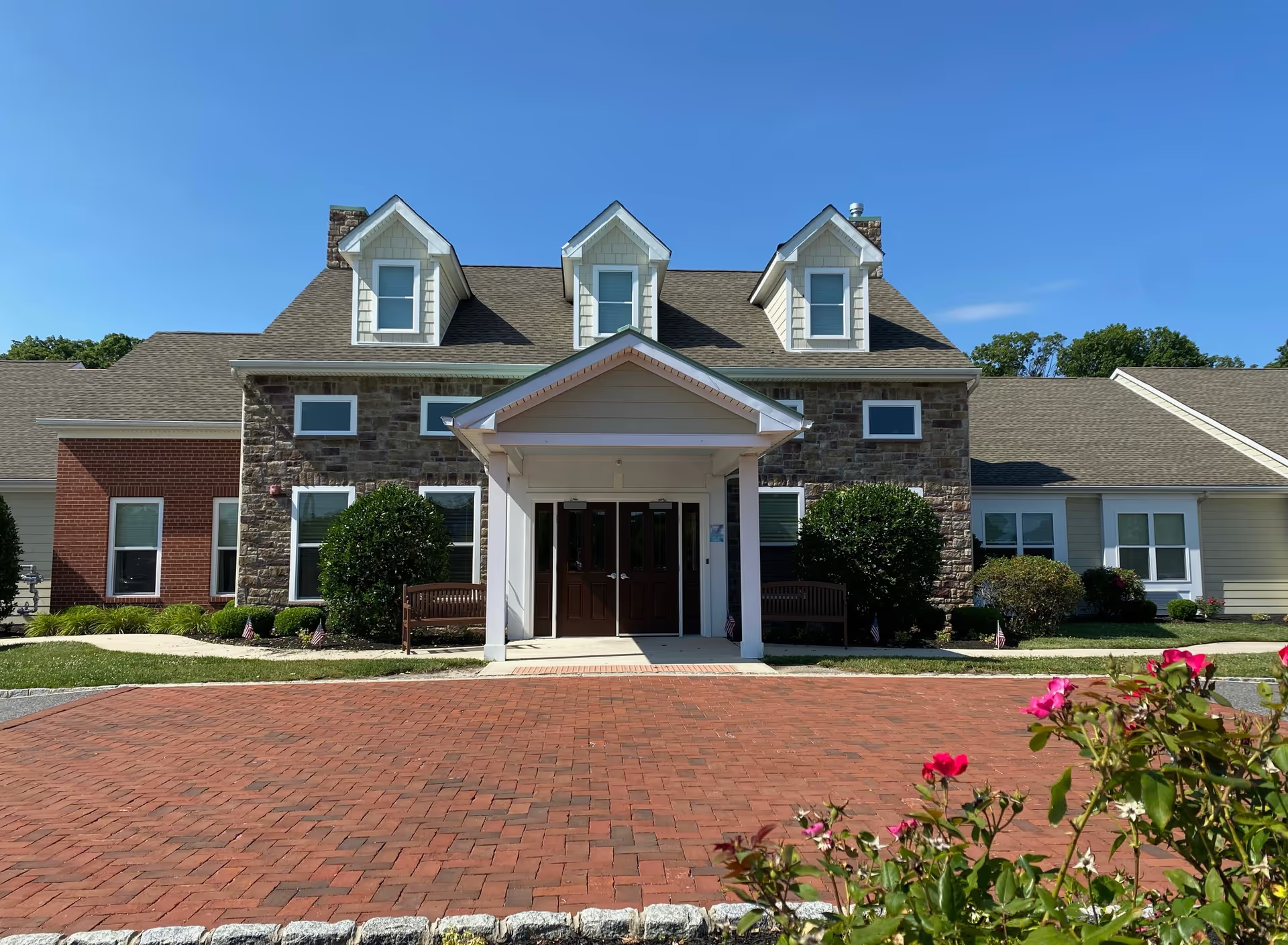
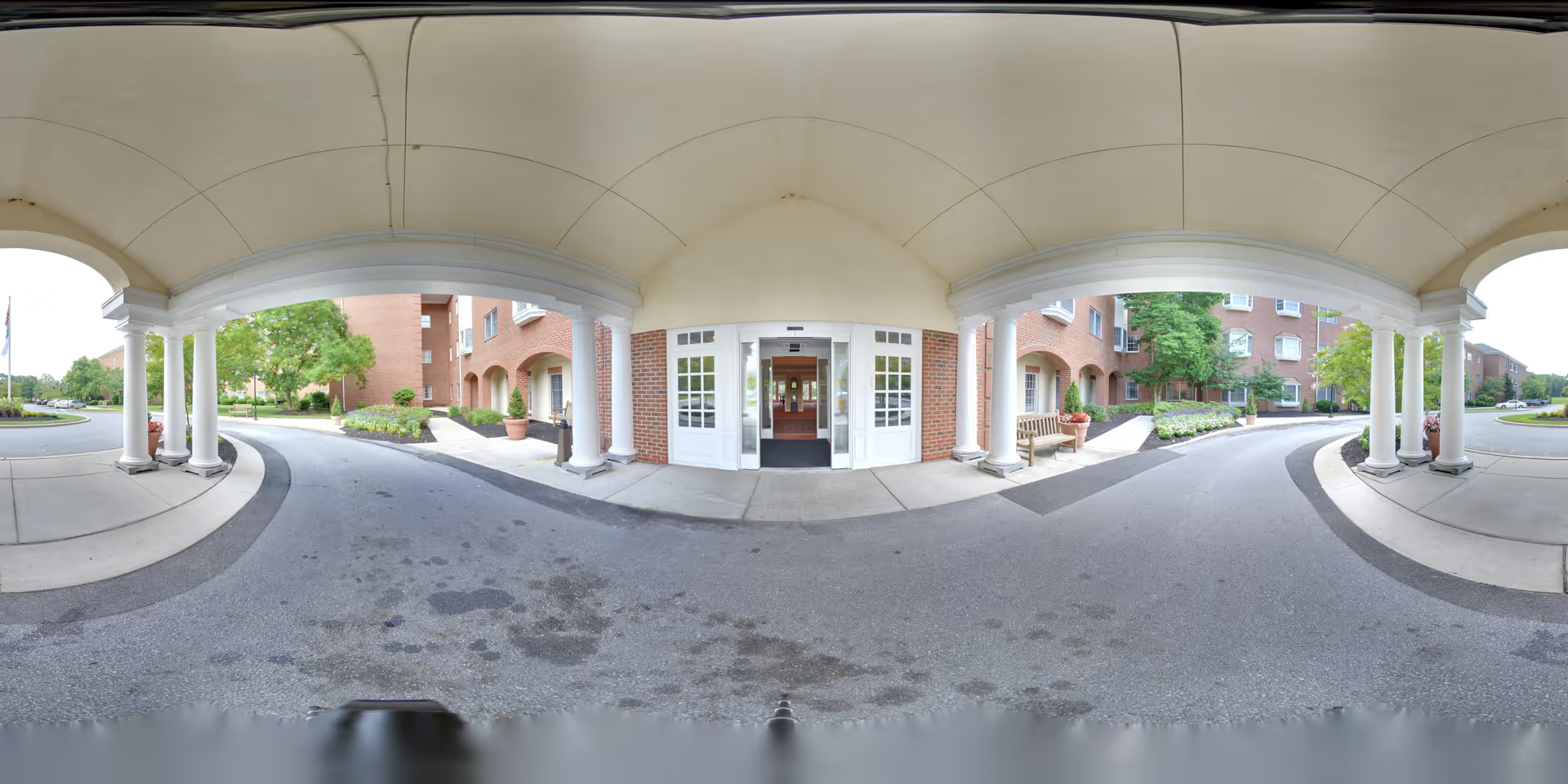
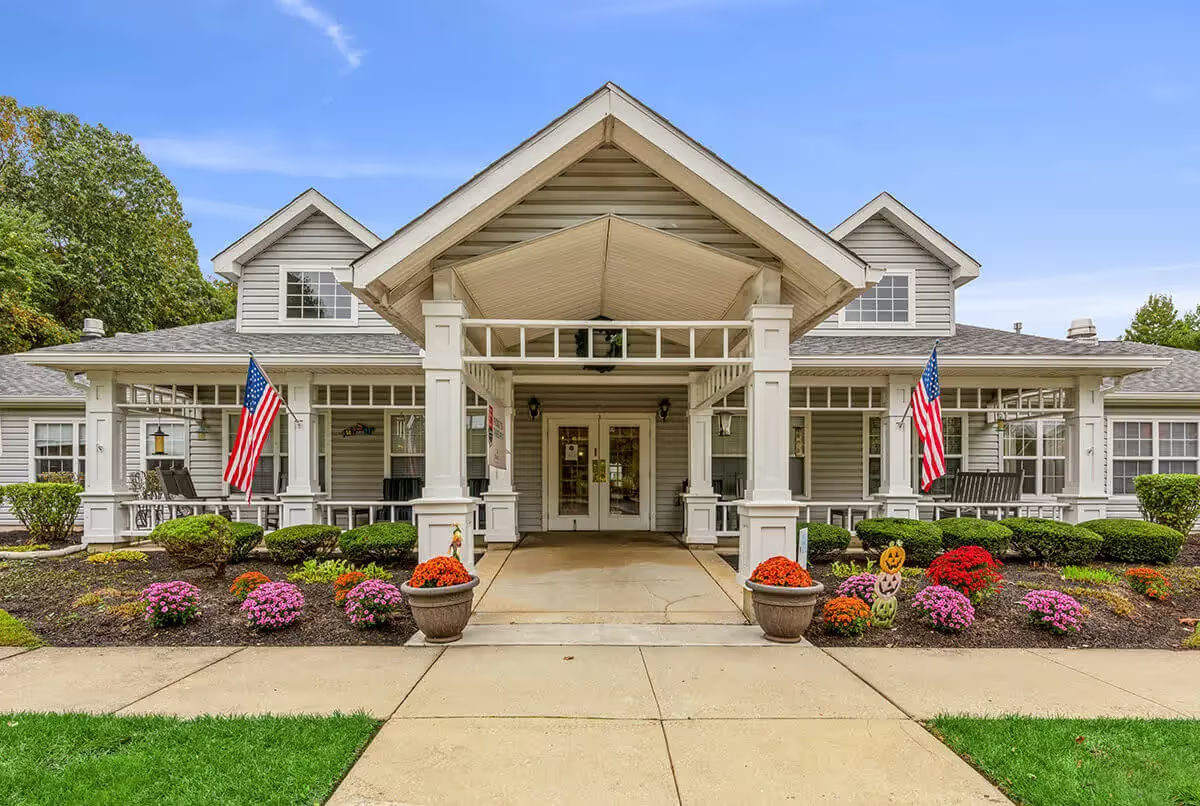
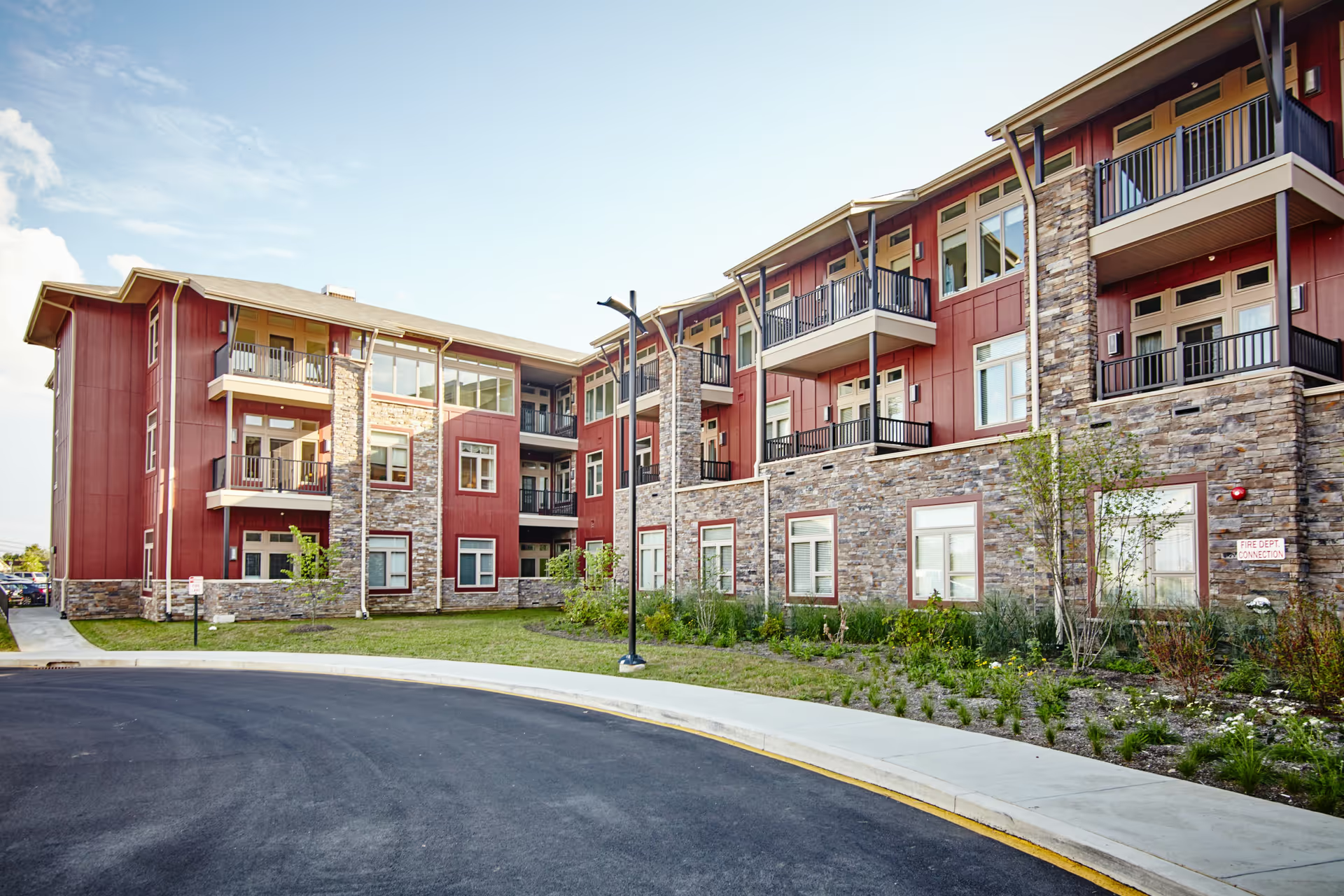
Facilities and environmental concerns: Many reviewers report clean, inviting common areas, renovated rooms, and pleasant outdoor spaces such as a gazebo. However, this is counterbalanced by reports of uneven room conditions across the campus — some areas are updated and well maintained while others show visible wear. There are also intermittent sanitation or odor concerns in parts of the facility and occasional comments about laundry and linen management lapses. Wi‑Fi reliability and front‑desk phone responsiveness were raised as practical day‑to‑day issues that may affect visitors and families.
Management and communication: Leadership involvement and responsiveness receive positive mentions, particularly admissions and therapy management. At the same time, families cite gaps in consistent communication — delayed discharge coordination, difficulty reaching a social worker, and front‑desk phone delays. These communication gaps are linked to frustration during transitions of care and follow‑up after discharge. Some reviewers also referenced corporate‑level issues affecting local operations; prospective families may benefit from clarifying escalation channels and point persons for care concerns.
Notable patterns and recommendations: Strengths center on individualized, compassionate care and a robust therapy program that supports rehabilitation goals. Operational weaknesses are primarily in consistency — staffing patterns, responsiveness to clinical calls, meal quality, room condition variability, and supply/laundry processes. For families considering this facility, recommended steps include: touring multiple rooms to assess room condition, asking about weekend staffing levels and use of contracted staff, clarifying call‑bell and medication‑response protocols, confirming discharge communication workflows, and inquiring about current dining offerings and Wi‑Fi reliability. These targeted questions can help align expectations with the facility’s strong clinical and relational assets while identifying areas that may require additional oversight.