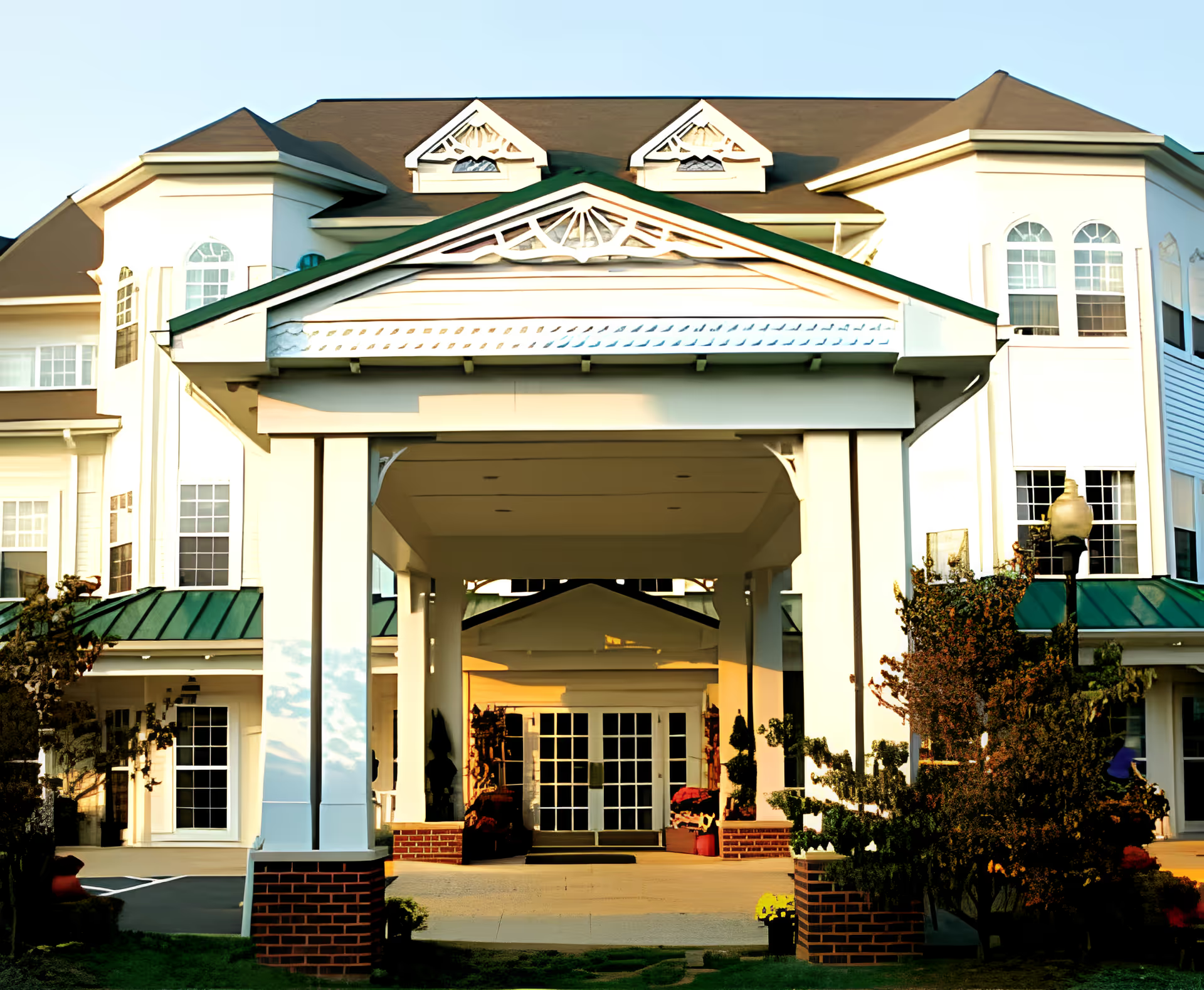
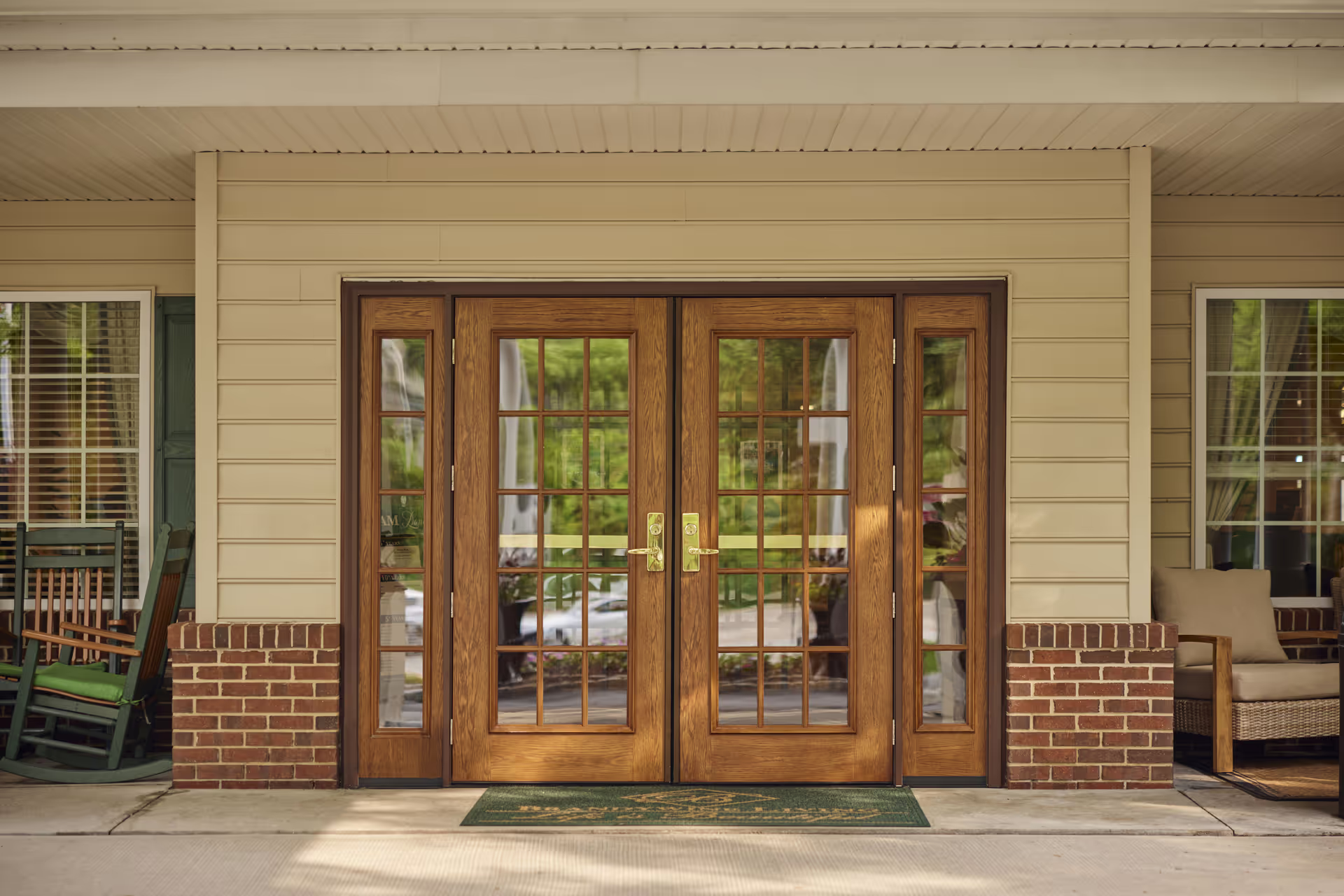
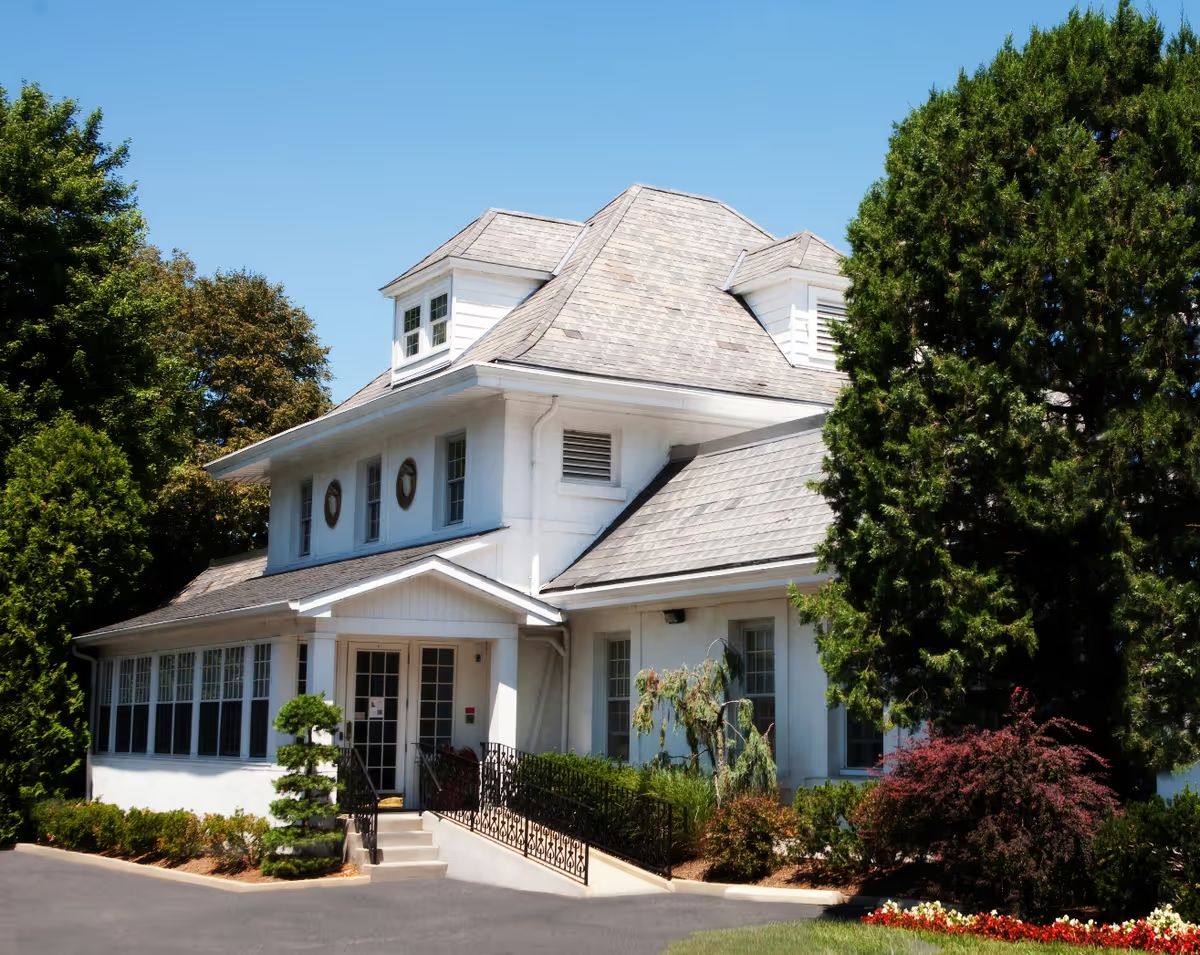
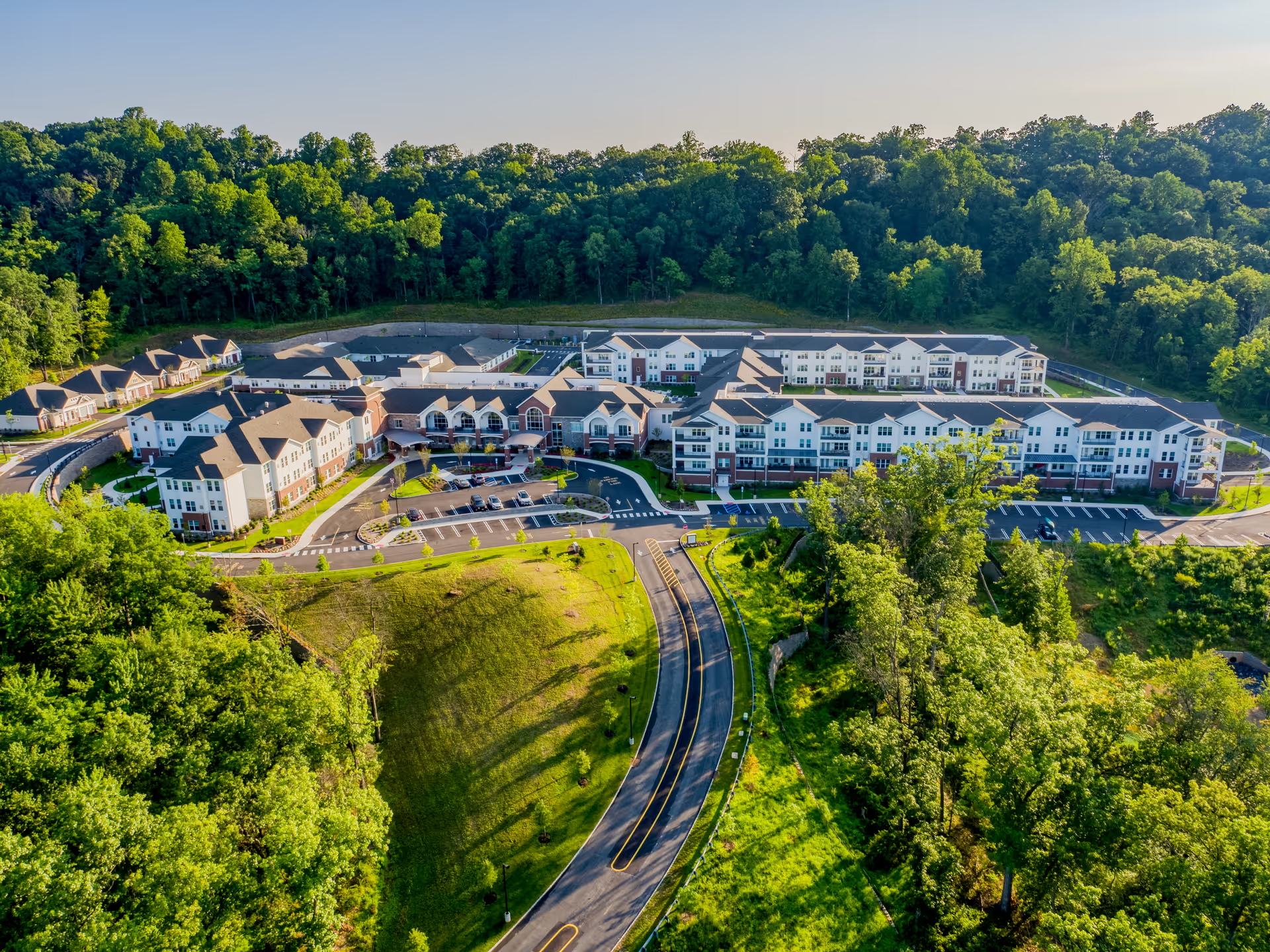
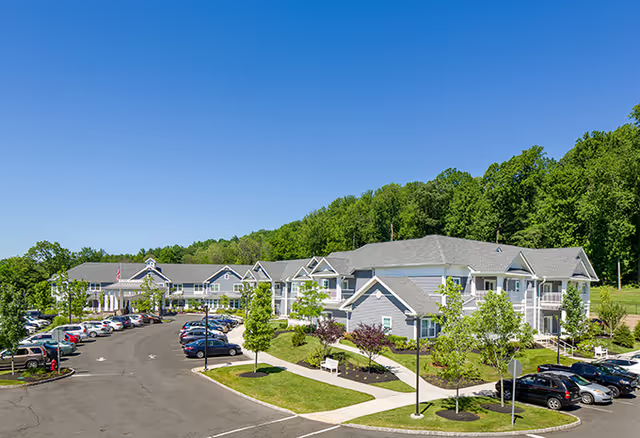
Somerset Woods Rehabilitation & Nursing Center elicits a broad range of experiences. Its most consistent strength is the rehabilitative program: families and patients frequently praise physical, occupational and speech therapy staff, who are described as professional, proactive and effective in advancing recovery goals. Many reviewers also highlight compassionate, attentive nurses and aides who provide hands‑on care, and a social services team that communicates proactively. The building itself is repeatedly described as new, clean and well maintained, with pleasant communal areas and private rooms that contribute to a comfortable environment.
At the same time, the facility demonstrates notable variability in day‑to‑day operations. Staffing levels and shift coverage emerge as central operational stressors: reviewers report understaffing, especially on weekends and night shifts, and consequent slow call‑bell responses and delays in assistance. Those staffing gaps are linked to inconsistent personal‑care routines (bathing, dressing, diaper/brief changes and toileting assistance) and to variable housekeeping performance — many families report generally clean common spaces while also citing intermittent lapses in room cleaning, floor maintenance, and some localized odor concerns.
Dining and dietary services are another mixed area. Comments range from praise for balanced, flavorful meals to frequent complaints about cold, overcooked or visually unappealing food and slow substitution for special diets. Several reviewers noted that special dietary orders or texture modifications were not always implemented reliably, and that meal delivery timing or temperature can be inconsistent. When dietary staff and social services coordinate well, families report improved outcomes; when communication breaks down, meal service becomes a recurring frustration.
Staff behavior and communication show broad heterogeneity. Numerous accounts describe staff who are kind, personable and communicative; however, other reports indicate curt or impatient interactions, gaps in follow‑through, and inconsistencies between day and night shift staff. Temporary staffing and agency coverage are cited as contributing to medication ordering confusion and documentation gaps. The social work/administrative contact is often praised for responsiveness, but some families find admissions, orientation, and higher‑level management follow‑up to be inconsistent.
Safety and operational concerns appear as patterns rather than universal findings. Reviewers raised issues about transfer practices, bed‑rail and alarm handling, and response times after falls or night‑time needs; these suggest opportunities to standardize protocols and improve training and oversight. There are also serious, though less frequent, complaints about patient property loss or alleged theft that families should be aware of and discuss during admissions and care‑planning meetings.
Overall, Somerset Woods presents as a facility with strong clinical rehabilitation capabilities and many compassionate staff members, set in a well‑maintained environment. The dominant themes for improvement are operational consistency: staffing stability, reliable personal‑care routines, dependable meal service, and strengthened continuity across shifts and temporary staff. Prospective residents and families who prioritize intensive therapy and a modern facility are likely to find much to value here; those who require assurance of consistently rapid nursing response, strict meal/dietary reliability, or very tight housekeeping protocols should ask targeted questions about staffing patterns, weekend/night coverage, and incident‑reporting processes during their tour and admission planning.