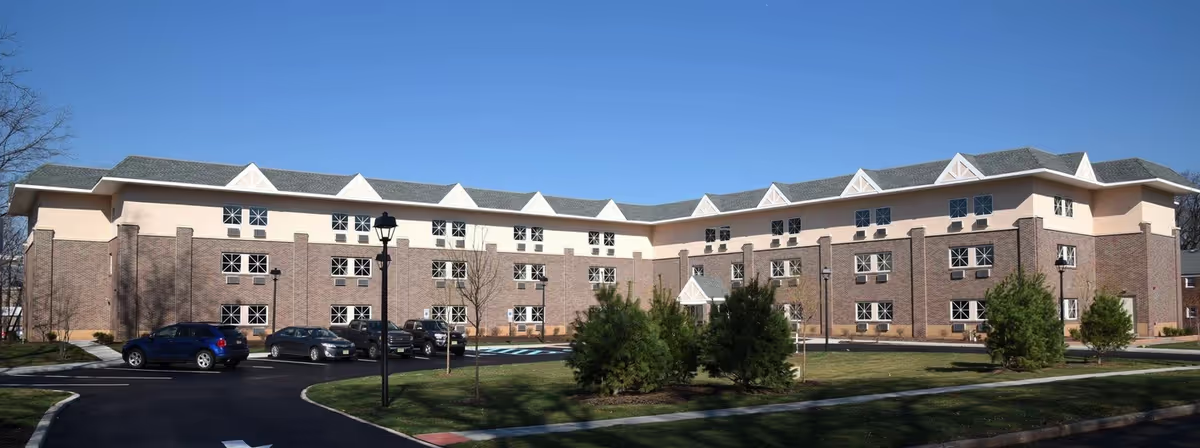
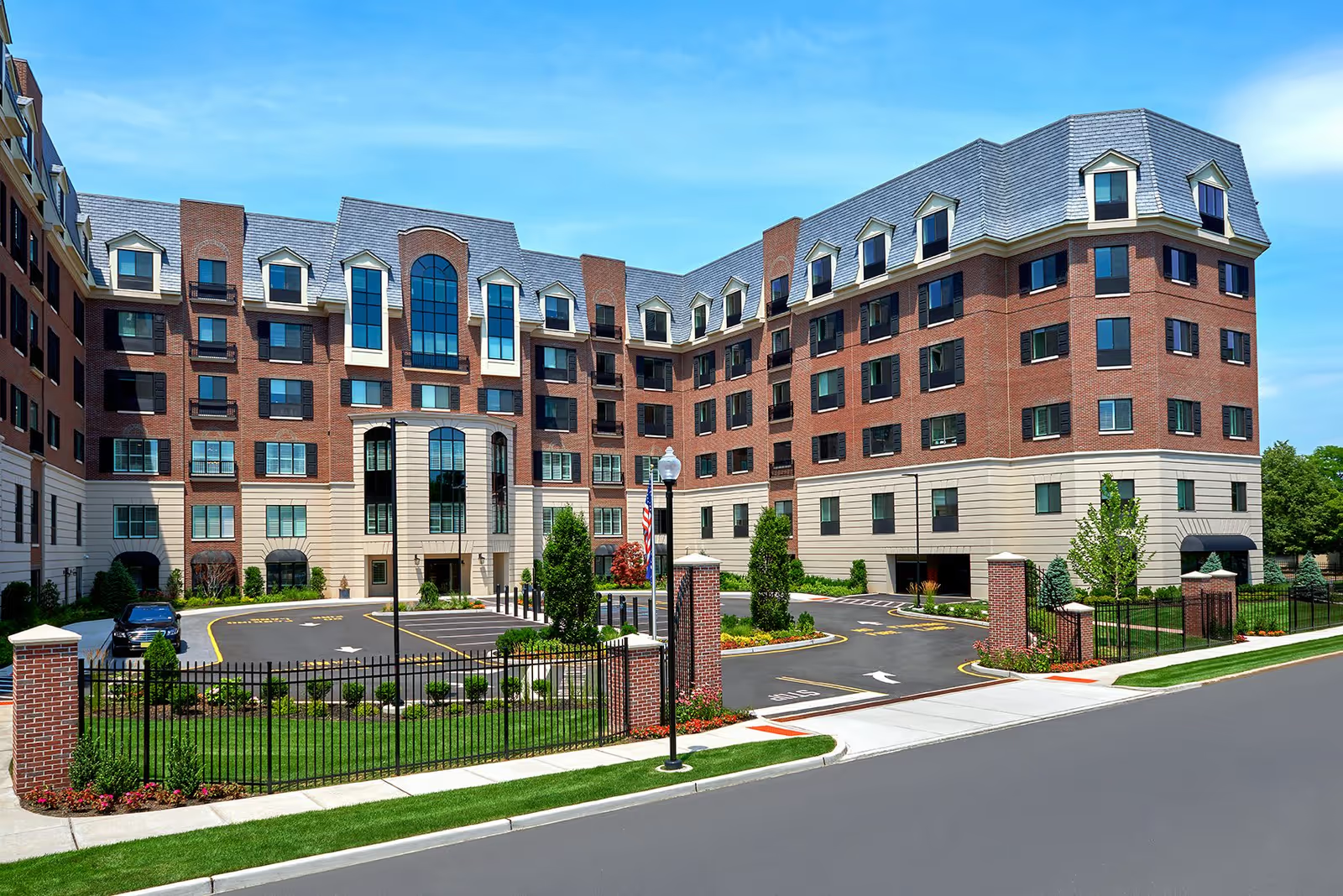
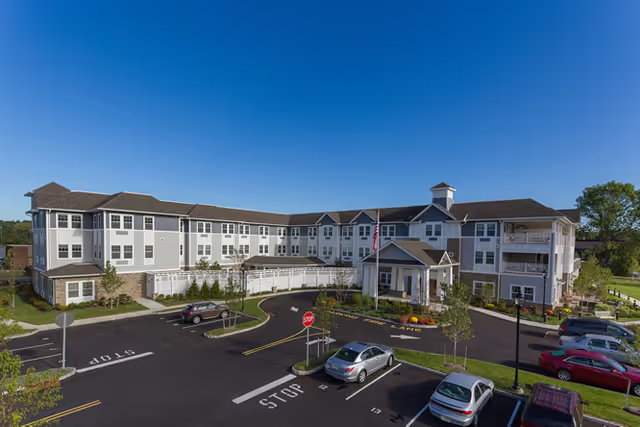
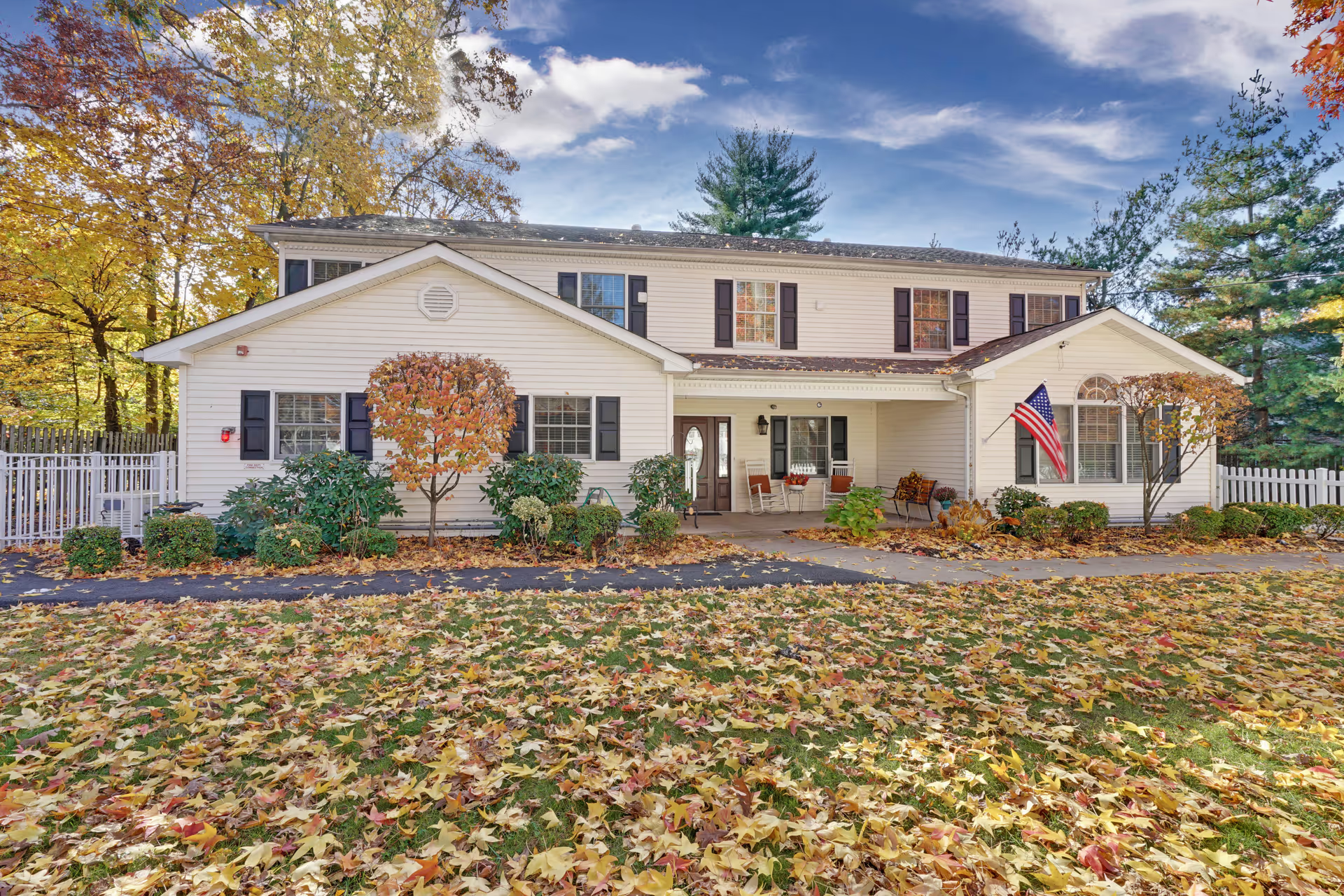
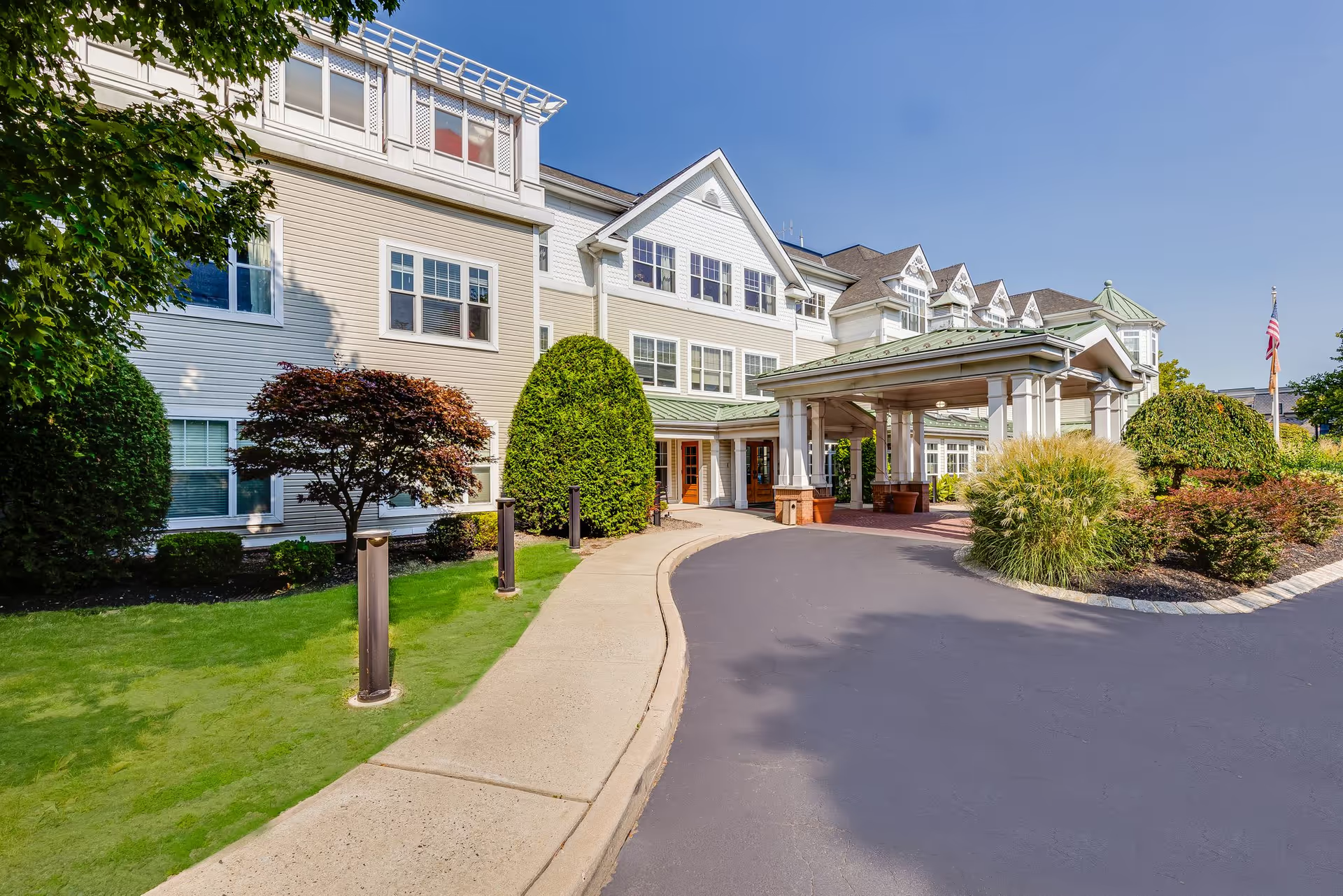
CareOne at Teaneck elicits strongly polarized impressions. Many families and former residents describe an environment that excels at short-term rehabilitation: the facility is frequently characterized as renovated, hotel-like, and clean, with strong ventilation and pleasant common spaces. Physical and occupational therapy teams receive repeated praise for technical skill, motivation, and measurable functional gains. The facility’s kosher dining program — often labeled restaurant-quality and plentiful — and its on-site synagogue and religious programming are repeatedly highlighted as major strengths for residents seeking Jewish religious accommodation and culturally appropriate meals.
Nursing and direct-care staff draw mixed commentary. Numerous reviews praise compassionate, attentive nurses and aides and single out individual staff and care coordinators for exemplary service. At the same time, there is a recurring pattern of variability across shifts: overnight and weekend staffing levels, call-bell response times, and bedside attentiveness are noted as inconsistent. Reviewers raise operational concerns that translate into clinical risk areas — medication-management inconsistencies and timing errors, delayed clinician visits, and communication gaps between shifts and with family members. Several accounts describe issues with transfers, mobility assistance, oxygen management, and falls, suggesting opportunities to strengthen transfer‑safety protocols and bedside handoff processes. On-site hospice care is limited; hospice services may be arranged externally rather than maintained as an integrated in-house program.
Dining and activities are prominent positives but have limitations. The kosher kitchen and accommodating dietary staff receive frequent commendation for menu variety and responsiveness to special diets. Conversely, reviewers mention inconsistent meal temperature and availability, and holiday or weekend service patterns (e.g., reduced hot-meal options on certain days) that can affect continuity. Recreational programming is robust and varied — from religious services and Shabbat minyanim to bingo, karaoke, pet therapy and holiday events — and is reported to contribute positively to social engagement and morale.
Facility amenities and management are also described unevenly. The physical plant, therapy gym (including specialty equipment such as an anti‑gravity treadmill), landscaped grounds, and renovated rooms are often cited as strengths. Administrative experiences range from highly responsive admissions and hands‑on directors to critiques of billing disputes, delayed medical records, and limited responsiveness during adverse events. Infection-control and pandemic-era practices were areas of specific concern in some accounts, with criticism focused on cohorting and outbreak management. Sanitation and incontinence-care issues are reported in parts of the facility, indicating inconsistent housekeeping and direct-care follow-through in certain units.
Taken together, the pattern across reviews suggests CareOne at Teaneck can deliver high-quality rehabilitation, strong therapy services, meaningful religious and cultural supports, and very good dining for many residents — but operational variability creates risk for other residents, especially during nights, weekends, and transitions of care. Prospective residents and families who prioritize therapy, kosher dining, and religious programming may find the facility well suited to their needs; those whose primary concerns are continuous overnight nursing coverage, strict medication-timing controls, or tightly managed discharge and billing processes should seek detailed, current assurances from management. Suggested pre-admission steps include in-person visits across multiple times of day (including nights/weekends), direct questions about overnight staffing and weekend meal plans, review of medication‑administration protocols, and clarification of discharge planning and billing procedures.