Overall impression: Riverside Health and Rehabilitation Center is characterized by strong clinical and rehabilitative strengths alongside operational inconsistencies. Many accounts highlight compassionate direct-care staff, a team-oriented therapy department, and programs that produce measurable functional improvement for residents — particularly in short-term rehab and pulmonary recovery. Families frequently describe positive interpersonal interactions, respect for resident dignity, and an environment where social activities and peer engagement support well-being.
Care quality and staff: The facility receives consistent praise for nursing staff, CNAs, and therapists who are described as caring, attentive, and effective at restoring mobility and independence. Physical therapy and related clinicians are repeatedly credited with helping residents return home in improved condition. Admissions and leadership personnel are often seen as welcoming and hands-on; several administrators and directors were singled out as accommodating and engaged in individual care transitions. These strengths appear to support both short-stay rehabilitation success and long-term resident satisfaction.
Dining and activities: Activity programming and social opportunities are a clear strength. Reviewers note a variety of engaging activities, approachable activities staff, and a generally warm communal atmosphere that helps residents form friendships. Dining commentary is limited but leans positive, with some families describing meals as pleasant and residents enjoying food in the dining setting.
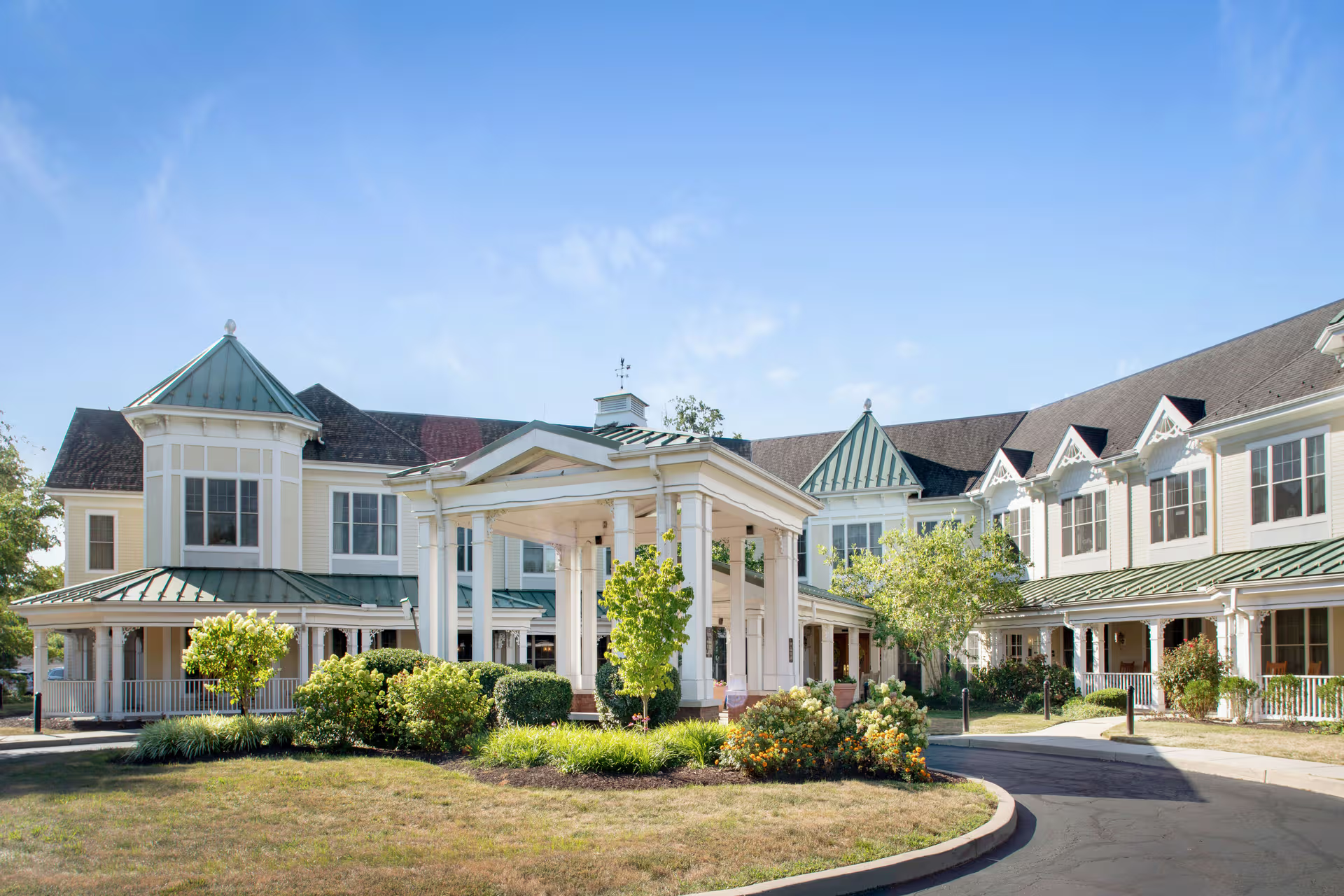
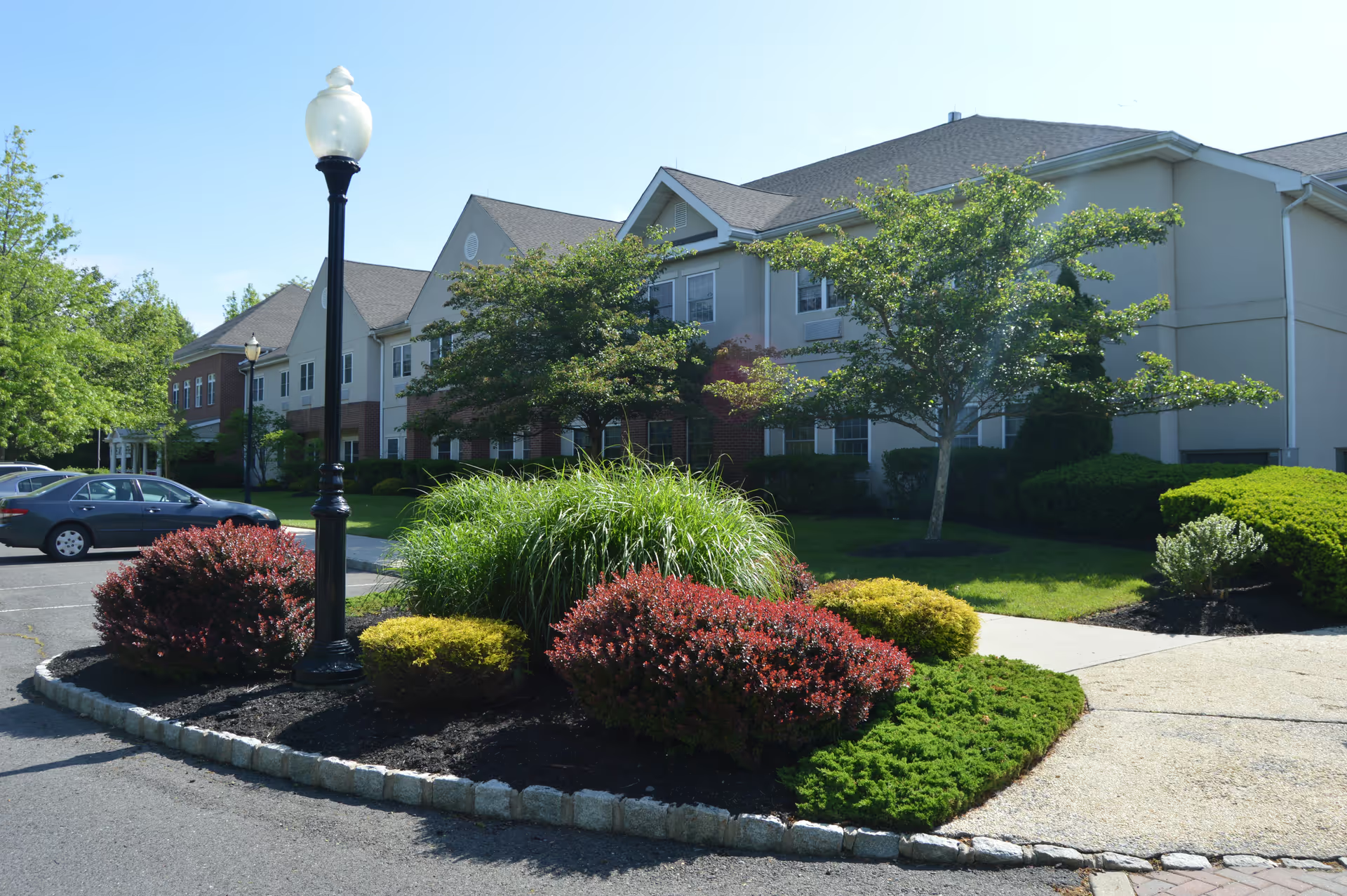
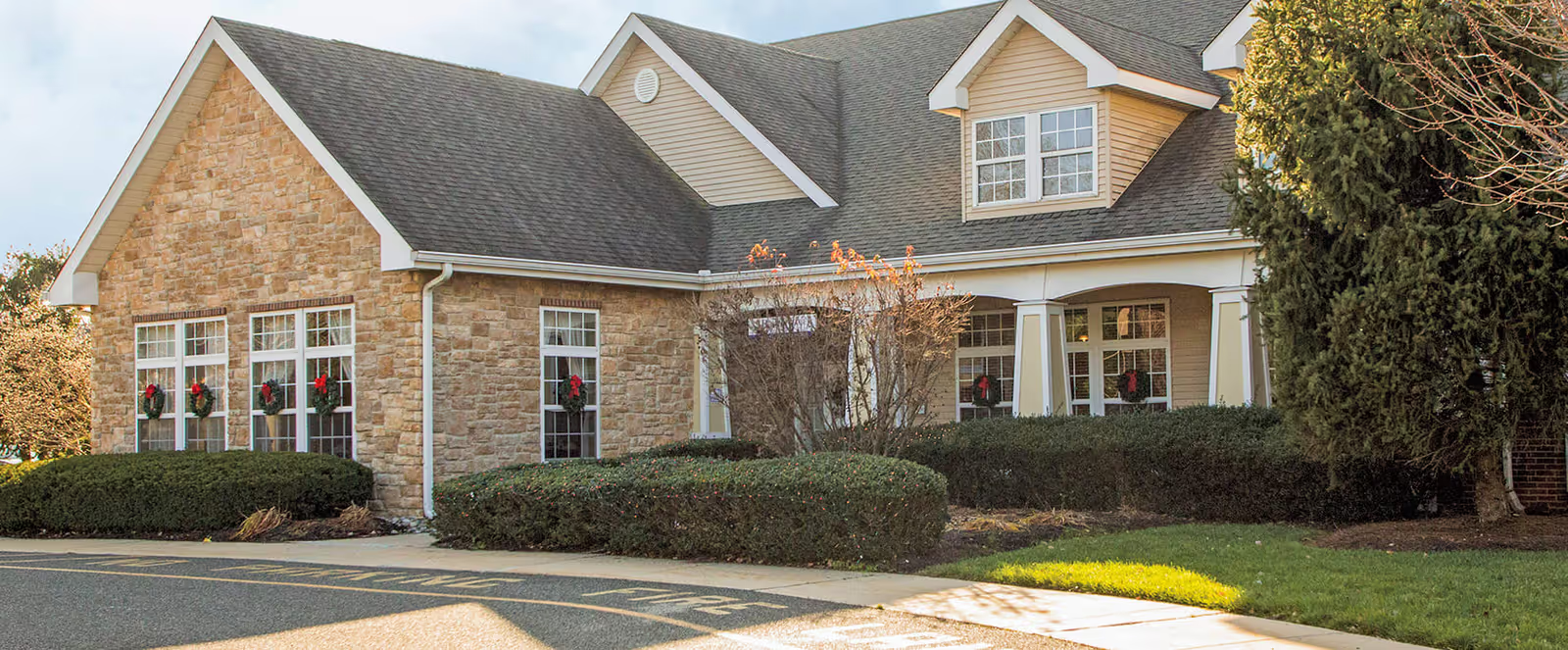
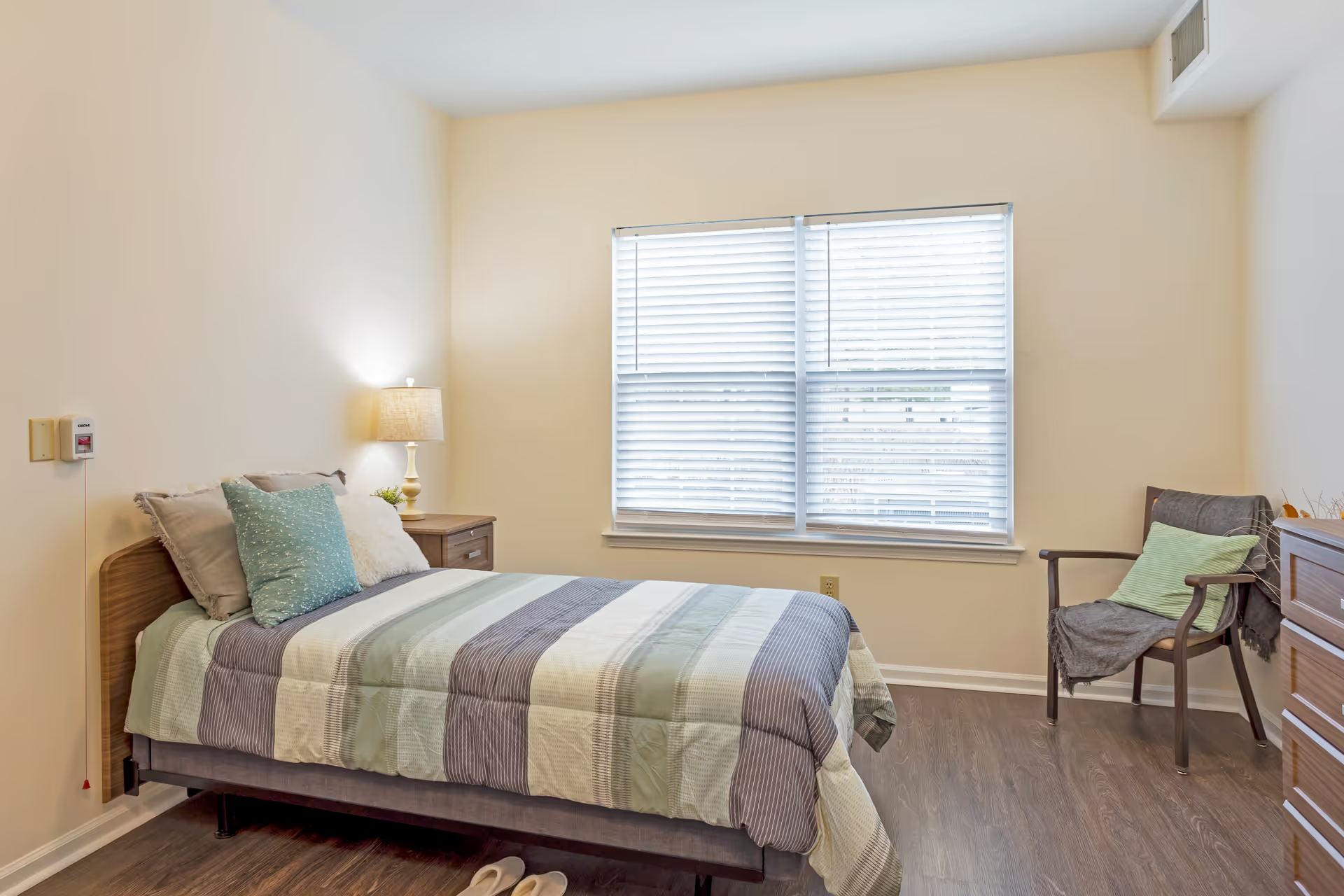
Facilities and maintenance: Observations about the physical plant are mixed. Many reviewers describe clean, bright common areas and spacious rooms, but there are isolated sanitation and pest-control concerns described for particular locations. Climate control has been inconsistent at times — with reports of areas becoming uncomfortably warm before HVAC adjustments were made. Maintenance responsiveness also varies in reviewers' experience: some note prompt attention to routine cleaning and repairs, while others report long delays for basic service requests.
Management, communication, and operational patterns: Administrative staff and front-office personnel are generally regarded as helpful and compassionate, and the admissions process is often described as easing family transitions. However, several operational weaknesses surface across accounts: uneven follow-through from management on outstanding issues, inconsistent communication (including phone responsiveness at the nursing station), and gaps in personal-property tracking and resolution processes. These operational gaps appear to be the primary sources of family frustration when they occur.
What to watch for on a tour: Prospective residents and families should assess climate control in the specific unit being considered, ask about pest-control and sanitation protocols, and inquire how maintenance requests are prioritized and tracked. It is reasonable to discuss property-labeling and inventory procedures for personal belongings, and to clarify expected communication pathways for updates from nursing staff. Given the facility’s strengths in therapy and social programming, those services are likely to be assets for rehabilitation-focused stays; balancing those strengths against the noted operational inconsistencies will help families make an informed choice.