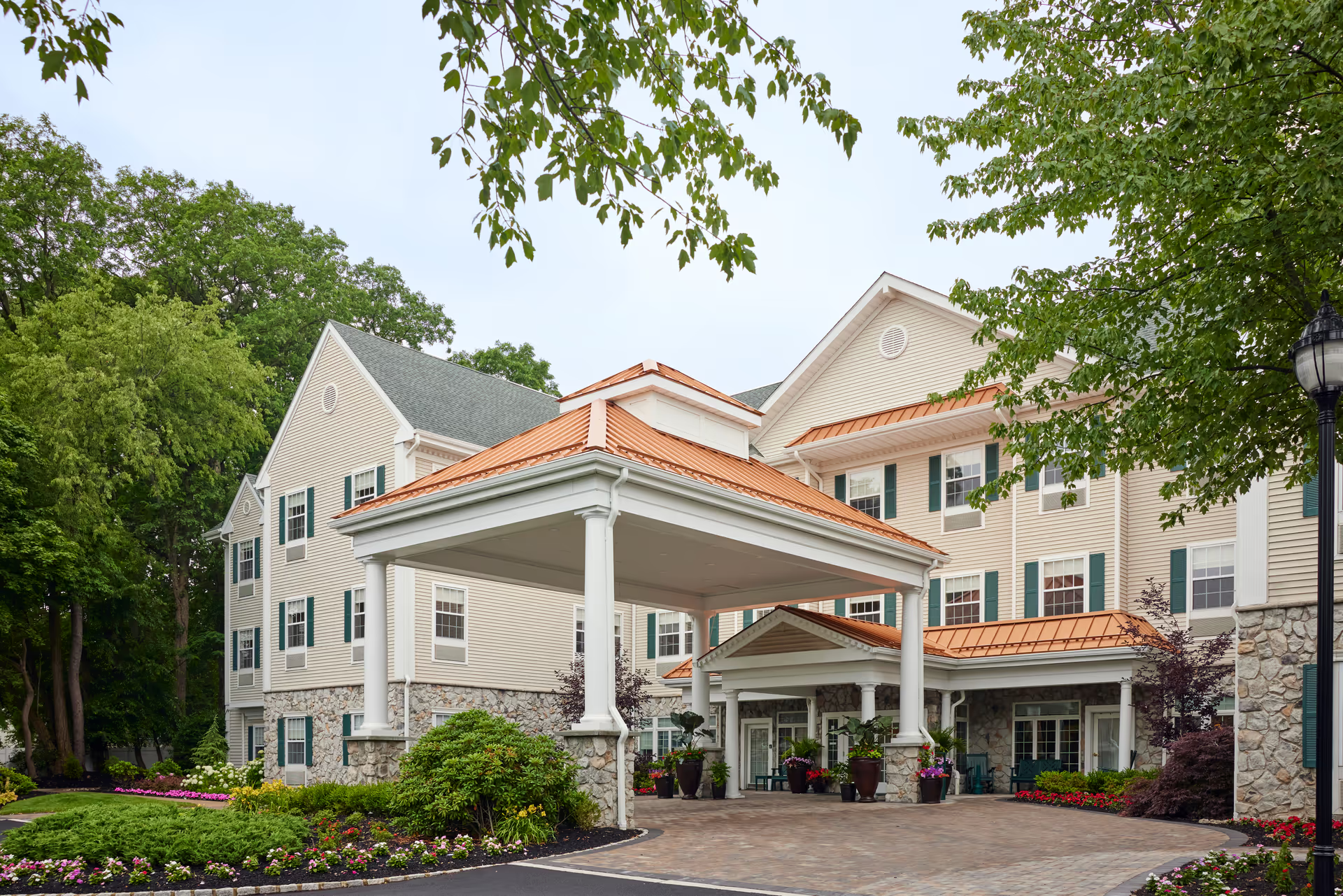
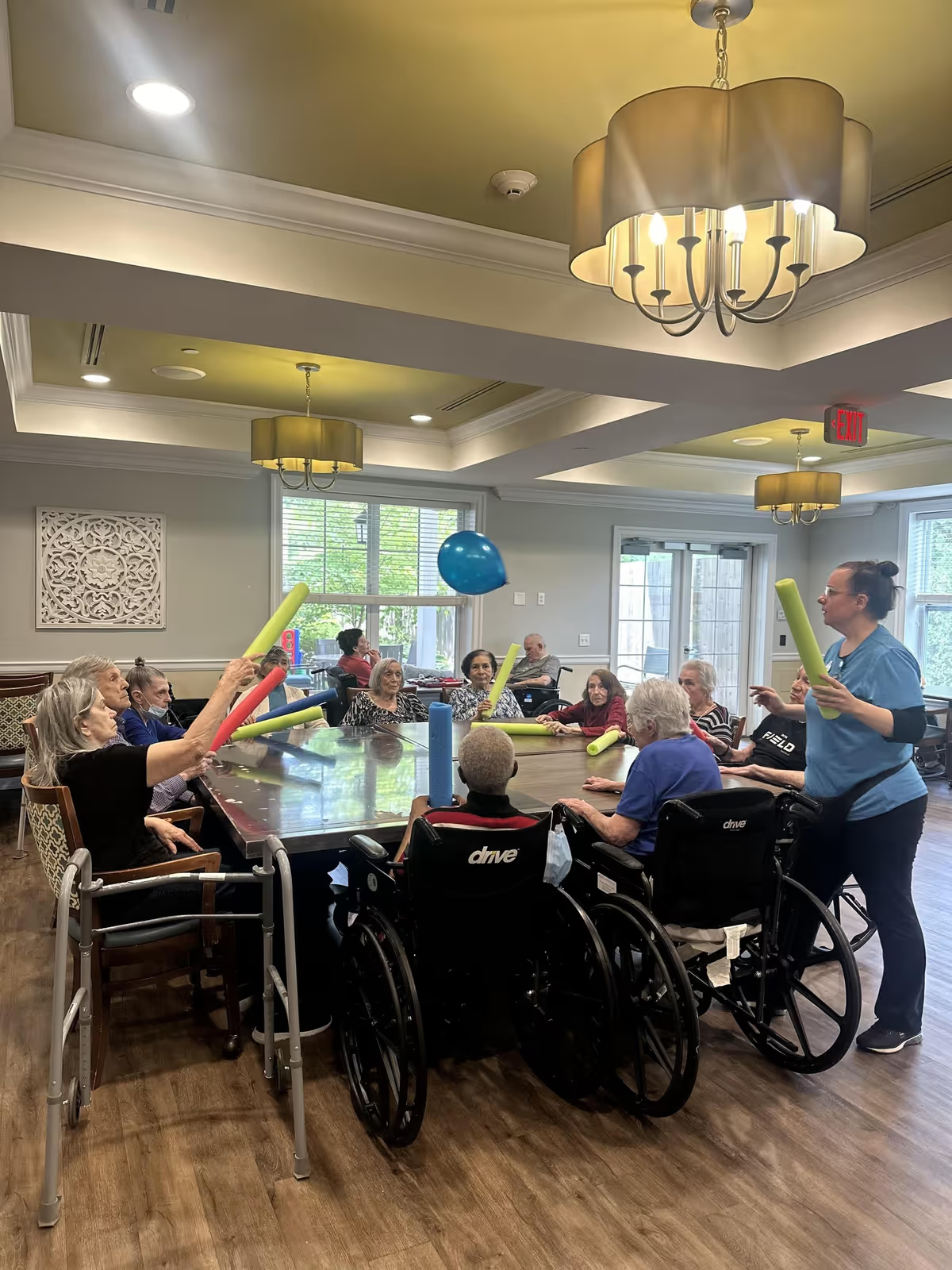
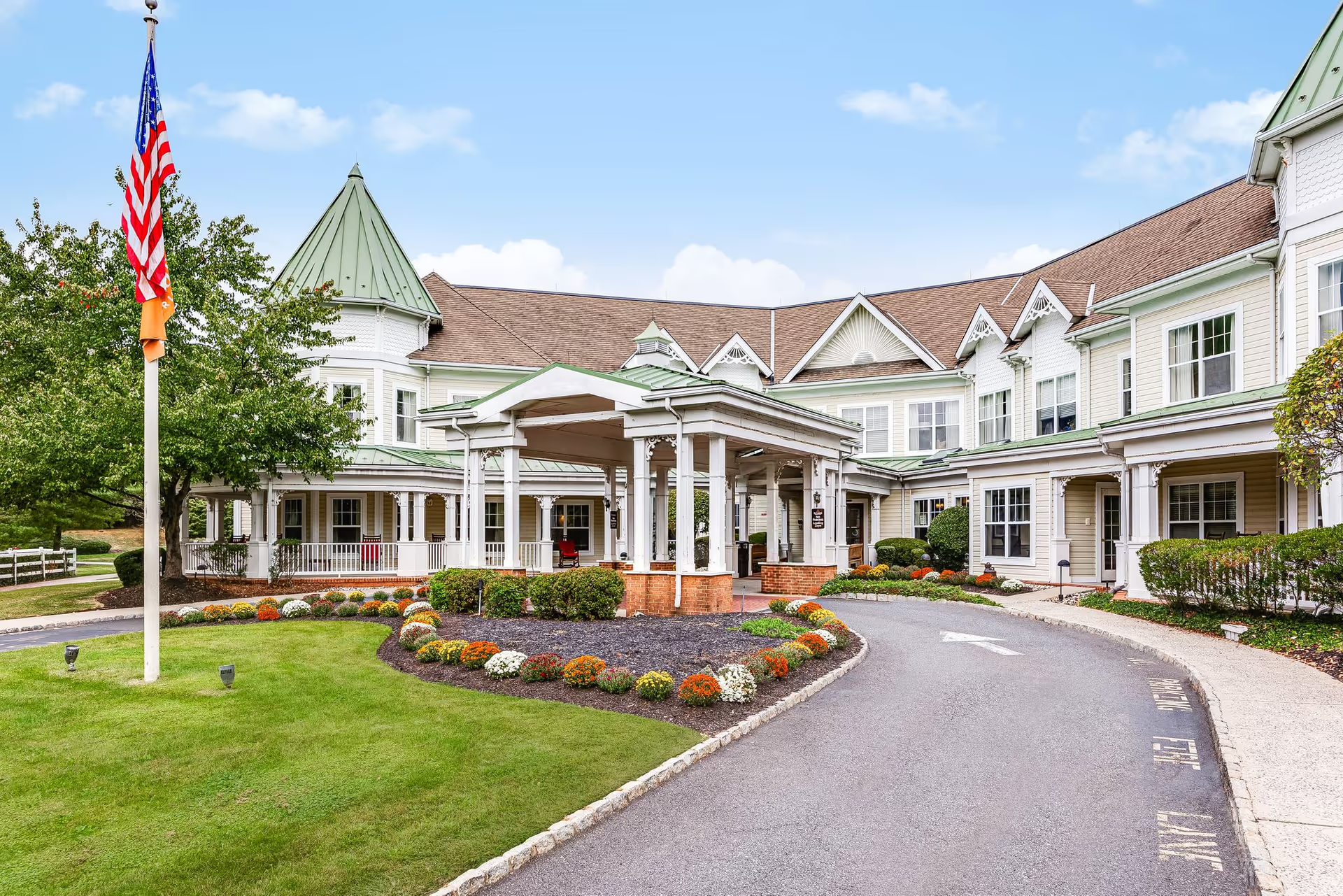
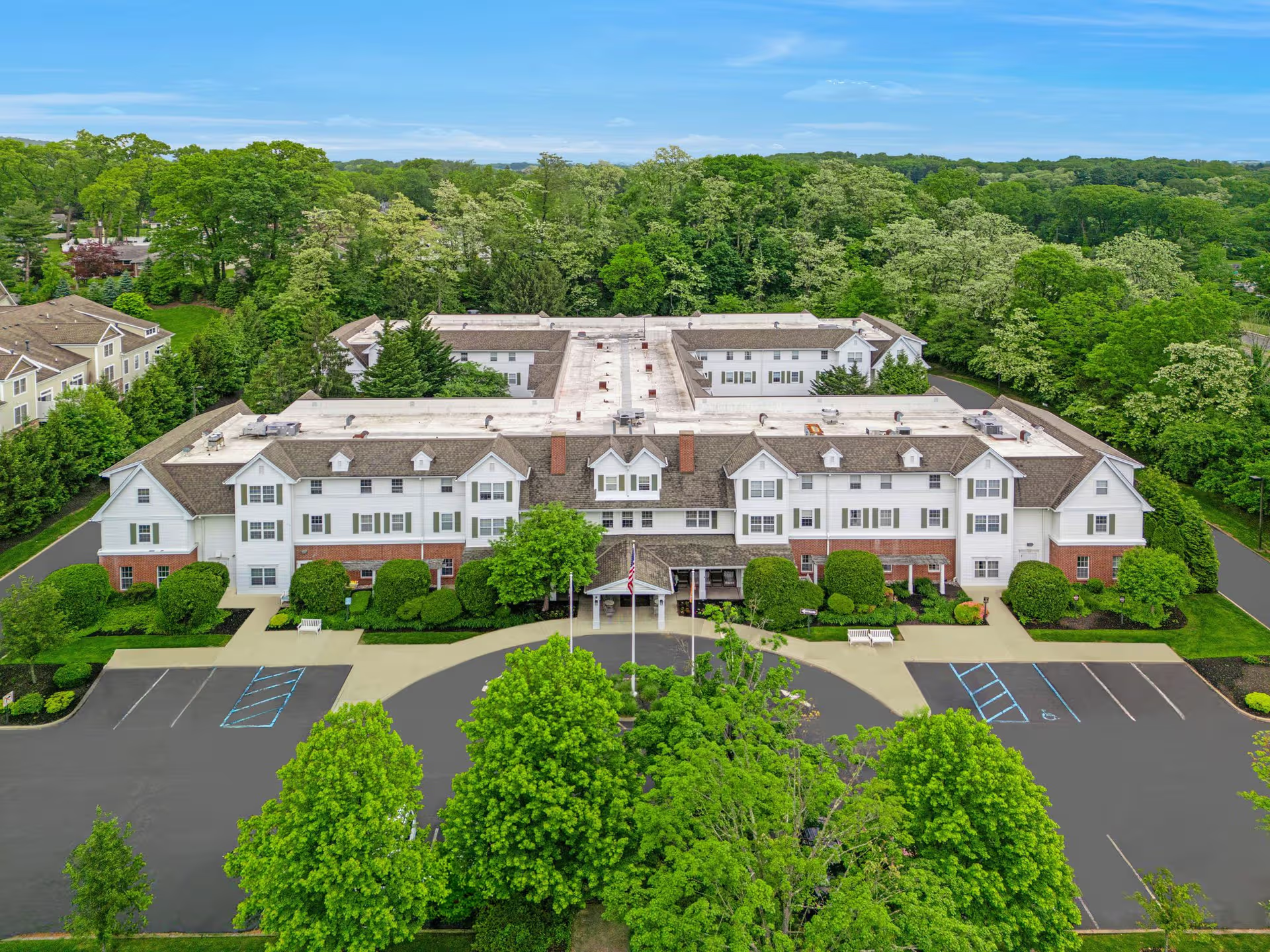
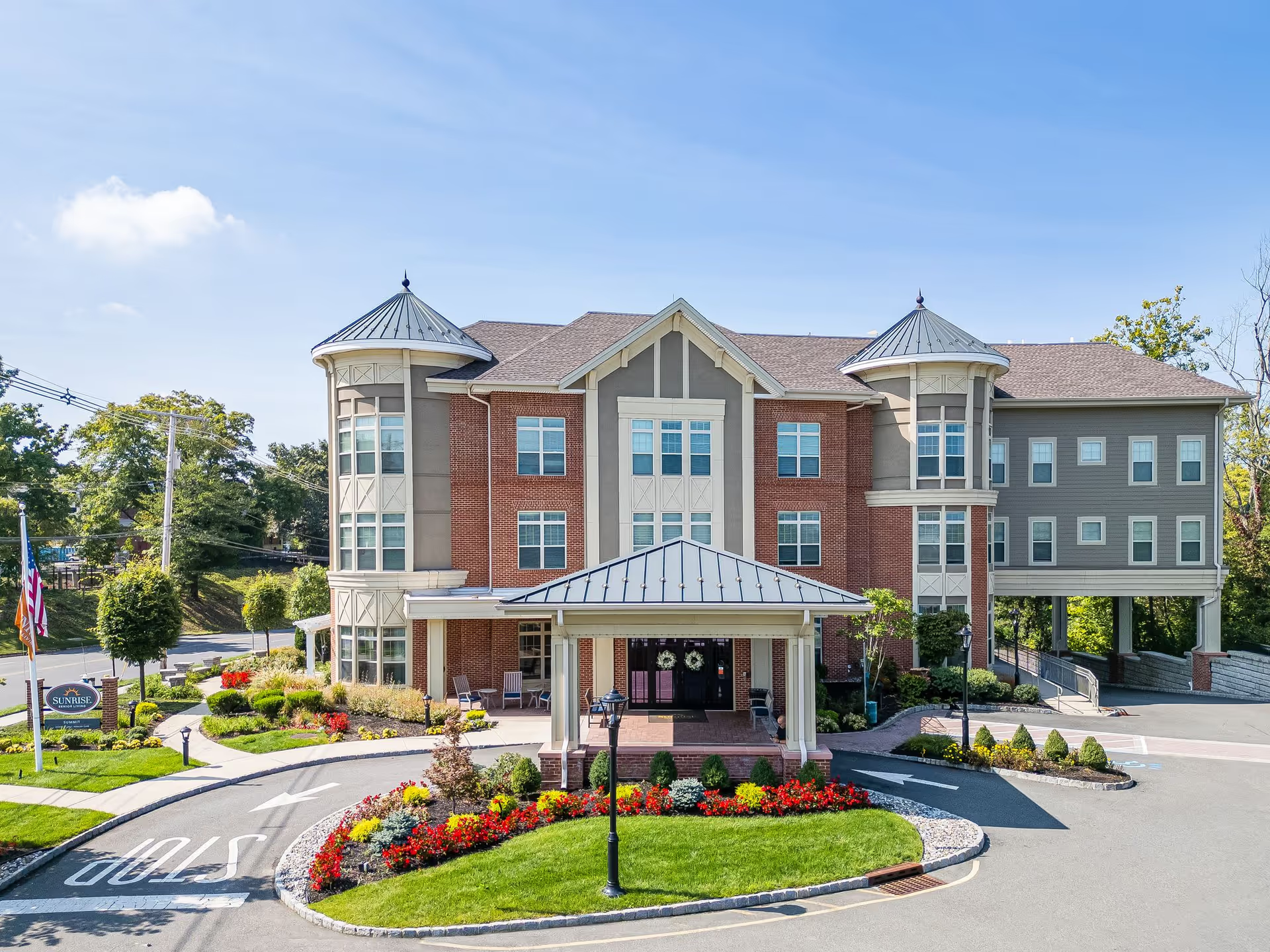
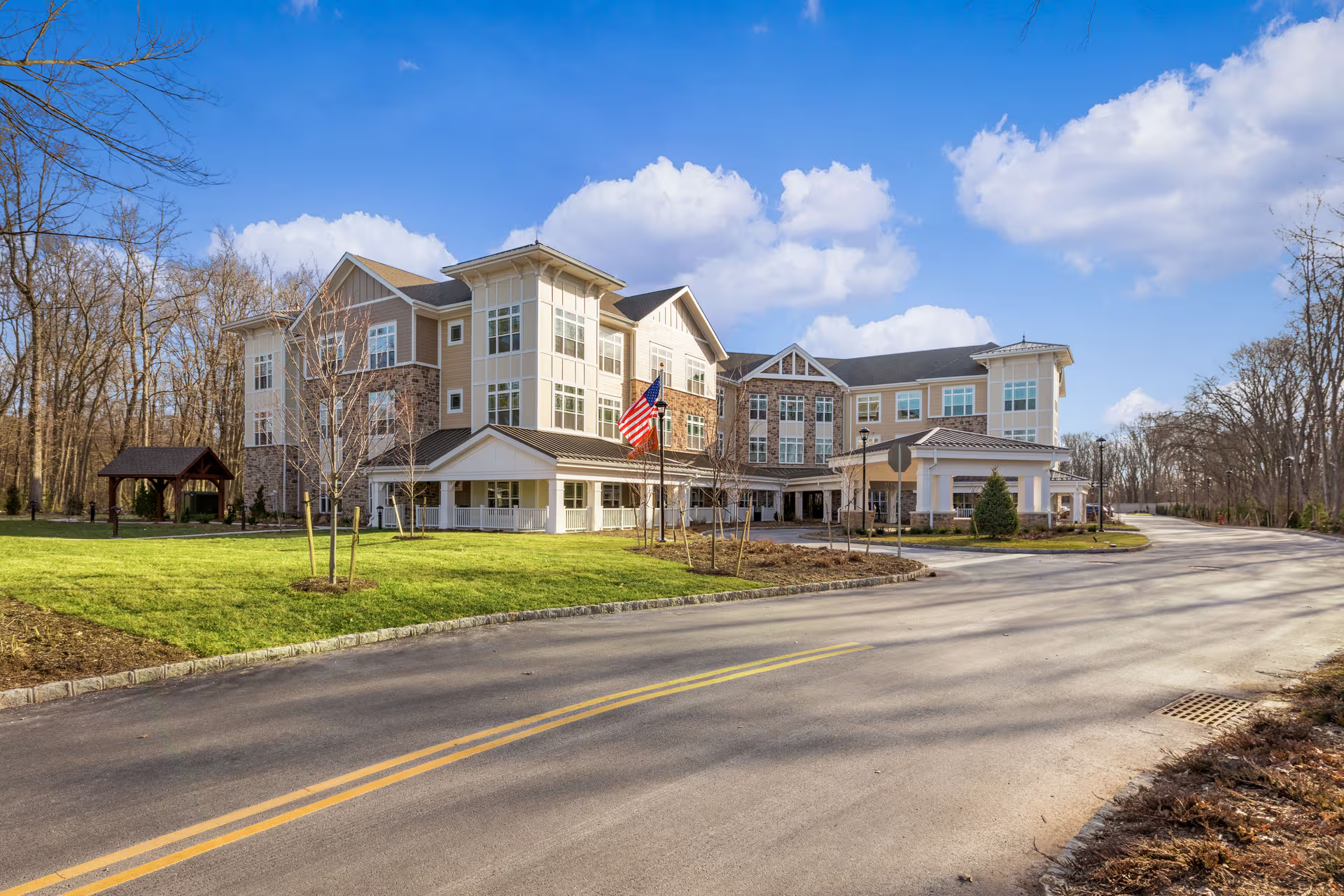
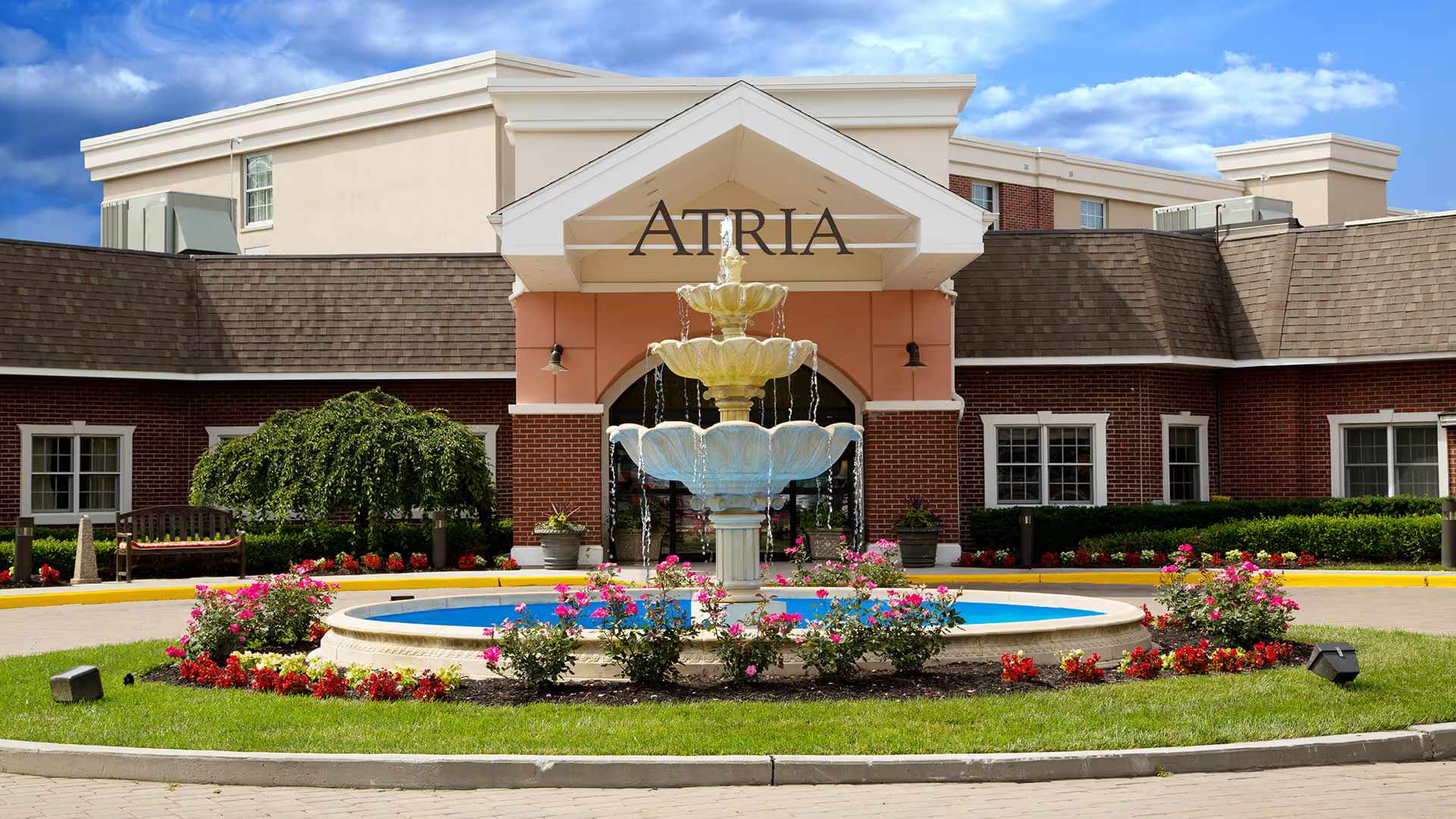
The reviews for South Mountain present a mixed but detailed picture. Many families and visitors praised the facility's rehabilitation services, citing effective PT/OT programs, individualized treatment plans, and frequent positive therapy outcomes. A large number of comments also highlight compassionate, attentive nursing and aide staff who create a family-like environment and provide comforting interactions. The facility's physical environment receives many commendations: updated interiors, bright dining spaces, a pleasant exterior with landscaping and outdoor seating, and on-site amenities like a hair salon. Recreational programming and frequent entertainers, including spiritual services, are additional strengths noted by respondents.
At the same time, several recurring operational concerns emerged. Medication administration and management appear inconsistent in practice: reviewers described delays in pain medication, instances of unavailable common over-the-counter meds, and other medication-handling problems. These issues suggest the need for more reliable medication processes and stronger oversight. Related clinical-safety themes include examples of care coordination breakdowns (for instance, therapy and wound-care scheduling conflicts) and documentation gaps that occasionally led to missed or double-booked sessions.
Dining and nutrition are another polarizing area. While the dining environment is often described as bright and updated, many reviewers criticized the food quality, temperature, and the facility's adherence to physician-prescribed dietary restrictions. Examples include servings that did not match diet orders and repetitive or unappealing menu items. Kitchen processes and meal-ticket management were called out as areas needing more consistent attention.
Cleanliness and housekeeping feedback is mixed. Numerous reviewers praised clean common areas, rooms, and a generally odor-free interior; however, some accounts raised sanitation and incontinence-care concerns in specific clinical spaces and described delayed housekeeping responses. Night and weekend staffing levels, and variability in staff responsiveness during those times, were also noted as operational vulnerabilities that can affect room checks and timely assistance.
Management and administrative themes are varied. Admissions and many front-desk staff are characterized as welcoming and helpful, and several reviewers named specific staff who were particularly effective. Conversely, others described inconsistent communication from case managers, slow return calls, and questions about billing or pharmacy practices, including co-pays and external pharmacy use. There are also isolated, serious assertions—such as allegations of theft and selective posting of negative feedback—that families should take into consideration and, if relevant, follow up with the facility or regulators for verification.
Overall, South Mountain displays clear strengths in rehabilitation, many aspects of caregiving, recreational programming, and a well-maintained physical environment. At the same time, the facility shows operational gaps around medication processes, dining consistency, sanitation in some clinical areas, staffing stability during off shifts, and administrative communication. Prospective residents and families who are considering South Mountain may benefit from targeted questions during tours: inquire specifically about medication administration protocols, dietary accommodation procedures, night/weekend staffing ratios, sanitation and housekeeping schedules, therapy scheduling coordination, and billing/pharmacy arrangements. Regular family visitation and proactive communication with the interdisciplinary team can help monitor and reinforce care plans while the facility addresses these recurring operational issues.