Overall impression: The feedback for Complete Care at Kresson View is strongly polarized. A substantial portion of reviewers praise the facility for compassionate bedside care, effective rehabilitation, a clean environment, and a highly engaged activities program. At the same time, there are recurring operational concerns that have led to serious dissatisfaction for other families and residents. Prospective families are likely to encounter widely different experiences depending on unit, shift, and timing.
Care and nursing: Many reviewers describe nurses and aides who are attentive, empathetic, and proactive — delivering bedside support, timely medications, and respectful interactions. Those positive accounts are contrasted by recurring complaints about staffing shortages, long waits for assistance, and inconsistent personal-care practices. Specific operational weaknesses include delays in attending to continence needs and inconsistent bathing schedules. There are also repeated concerns about medication management, including both delayed access to pain medication and timing inconsistencies; these are best investigated directly with clinical leadership when evaluating placement.
Dining and nutrition: Opinions about food quality are mixed. Several families reported nutritious, well-portioned meals and improved dining socialization, while others cited frequent cold or unpalatable meals and weight-loss concerns tied to meal intake. Meal-service reliability and portion/meal-tray handling emerged as an area of variability across shifts.
Rehabilitation and therapies: Physical and occupational therapy receive substantial praise from many reviewers — with specific staff and therapists credited for measurable progress and good outcomes. However, other accounts describe missed or skipped therapy sessions, lack of individualized rehab plans, and inconsistent therapy scheduling. In short, therapy quality appears capable and effective when staffing and scheduling are consistent, but outcomes vary with operational stability.
Activities and social engagement: The activities department is a clear strength for many residents, with frequent programming, social events, and an engaged activities leadership. That said, some residents with limited mobility or higher-acuity needs reported fewer suitable activity options, indicating a gap between programming availability and accessibility for less-mobile residents.
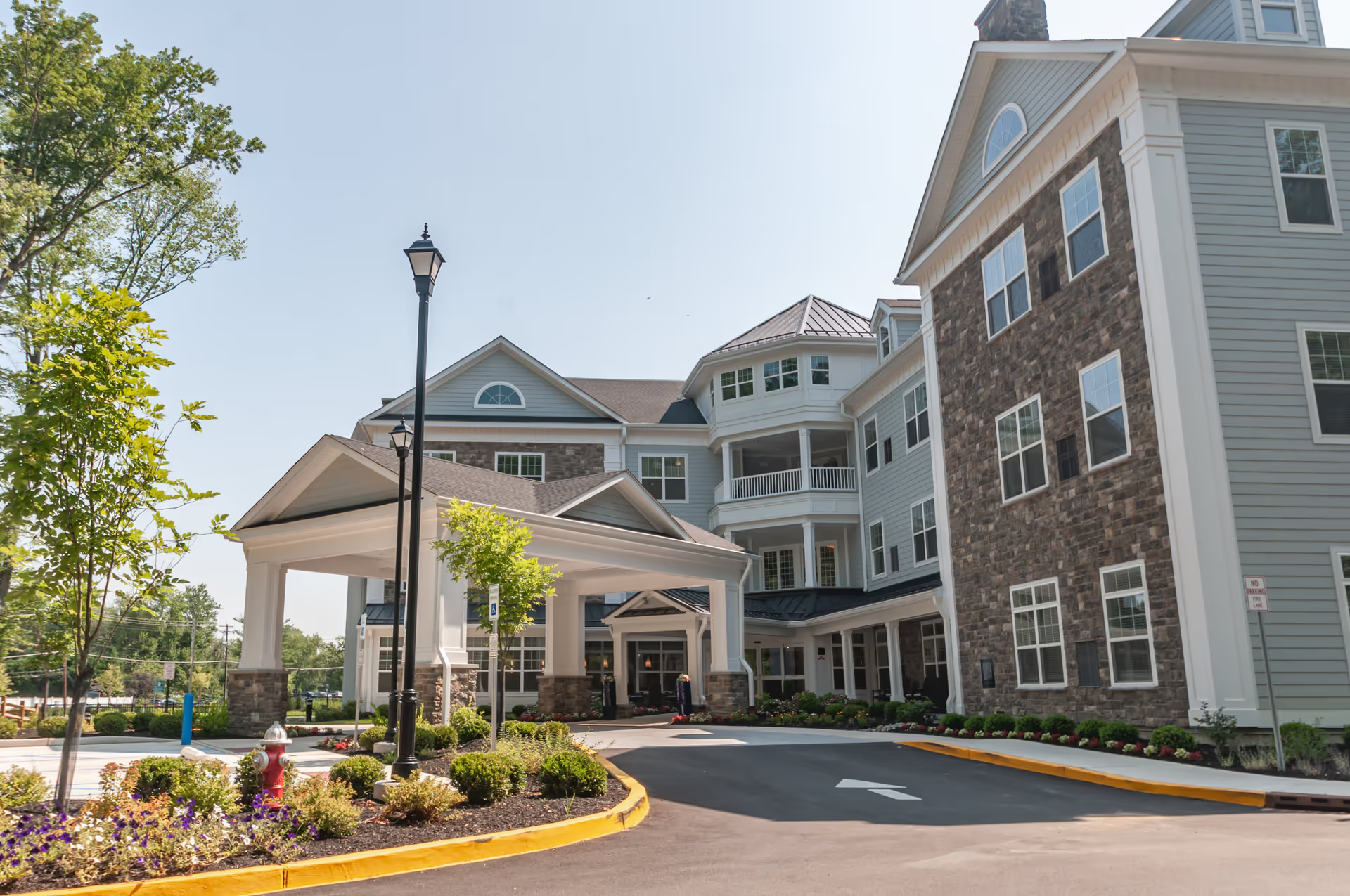
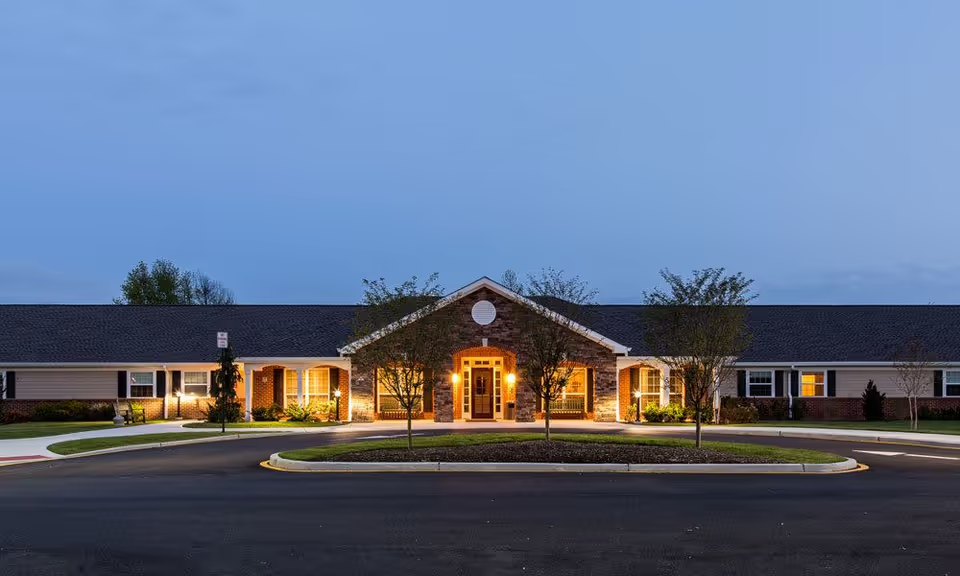
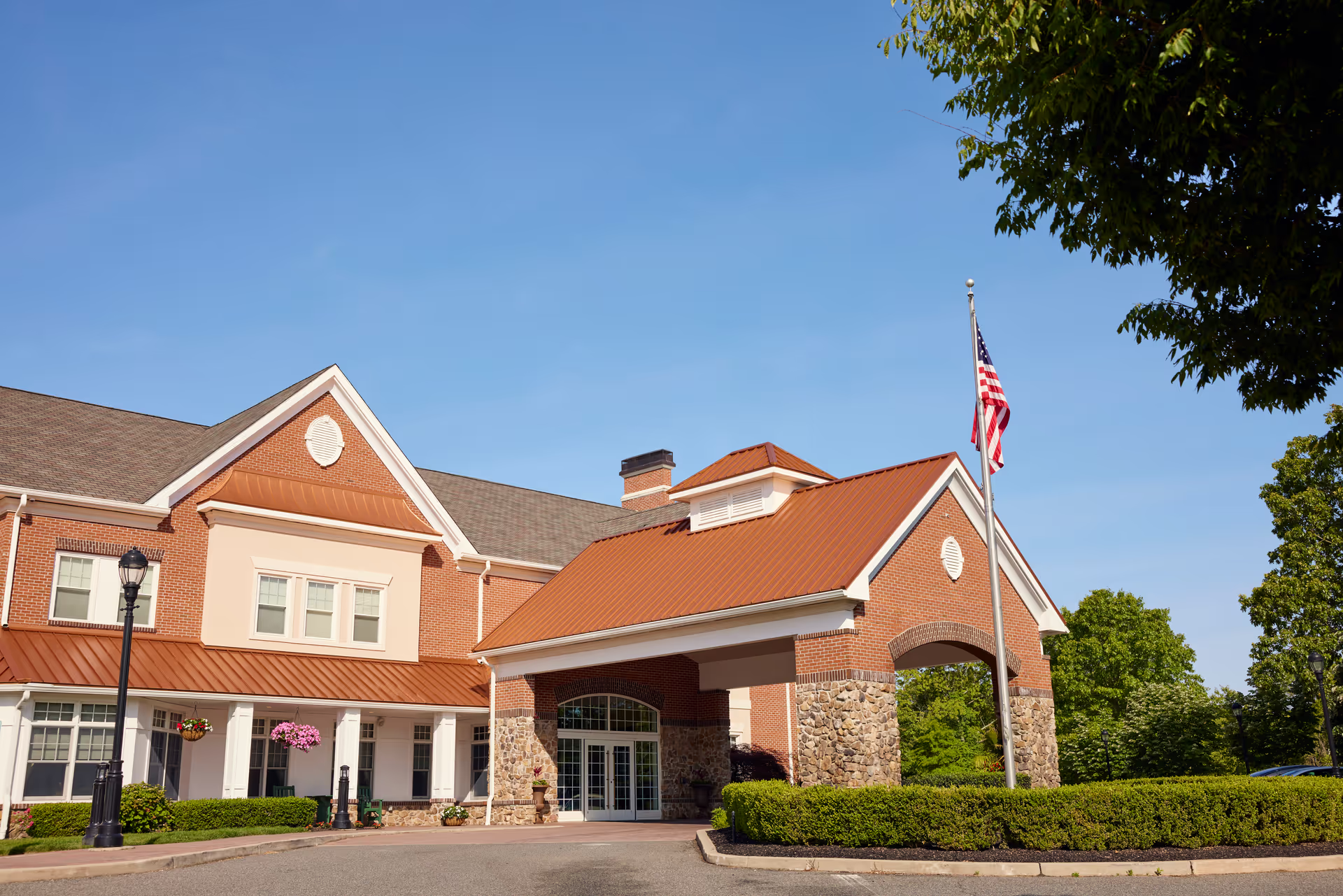
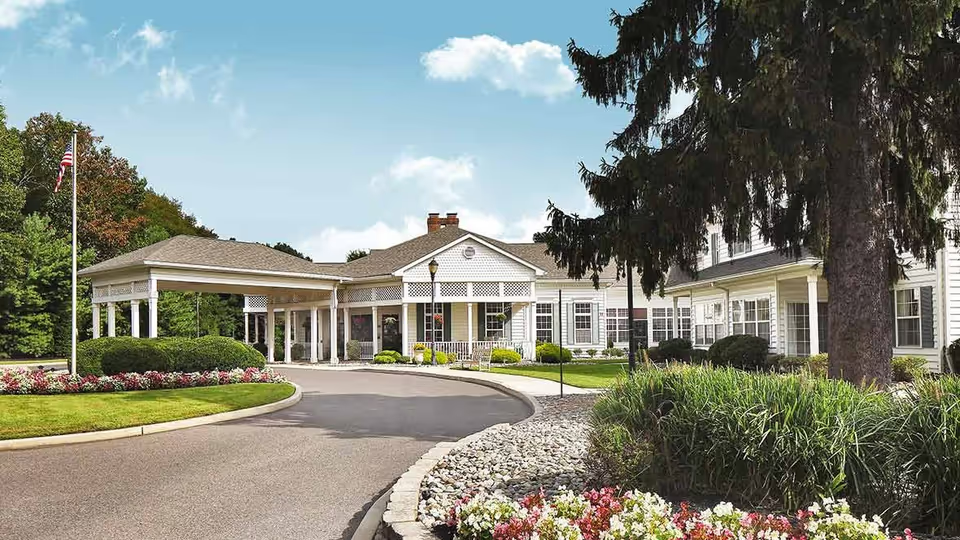
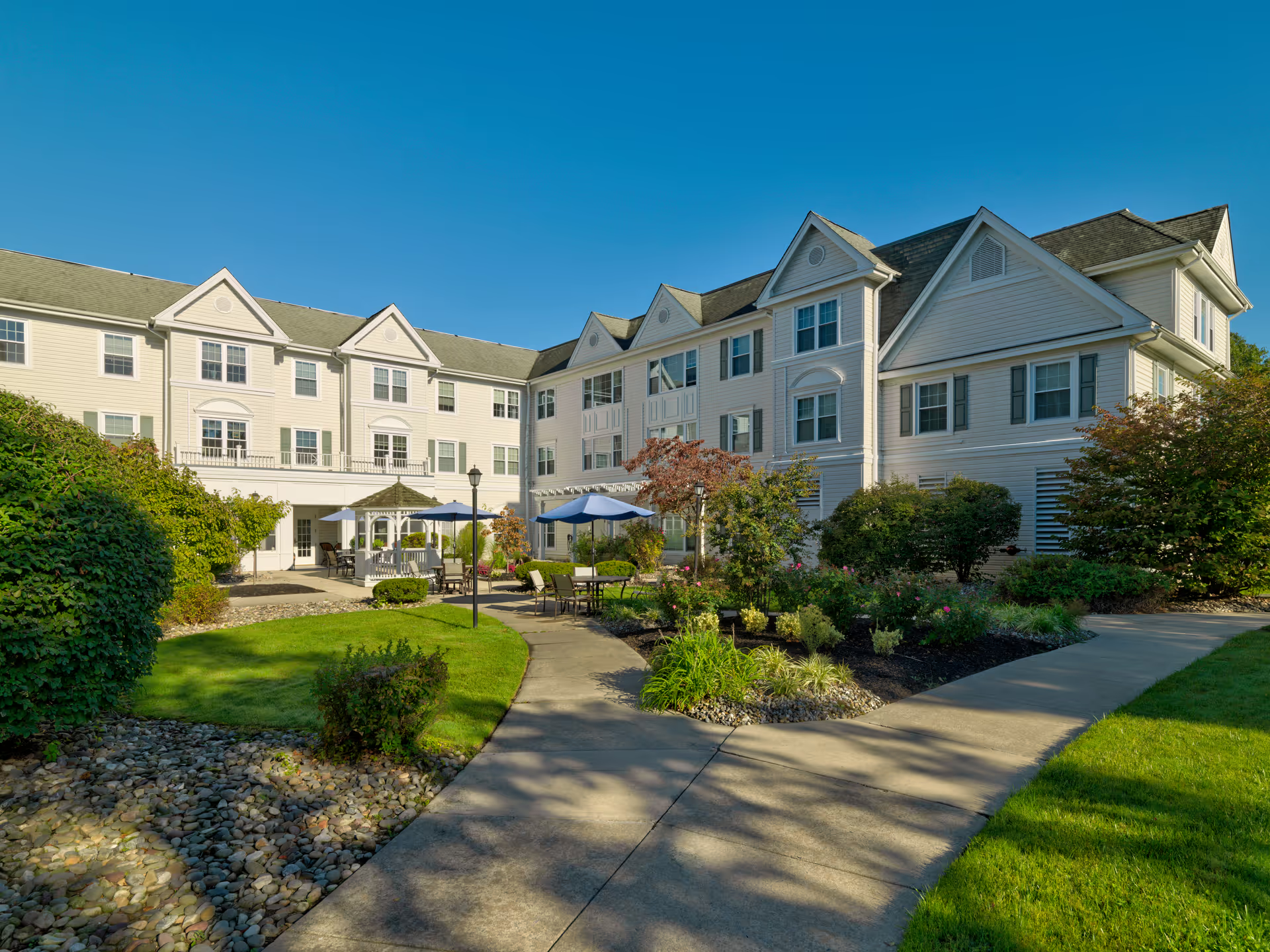
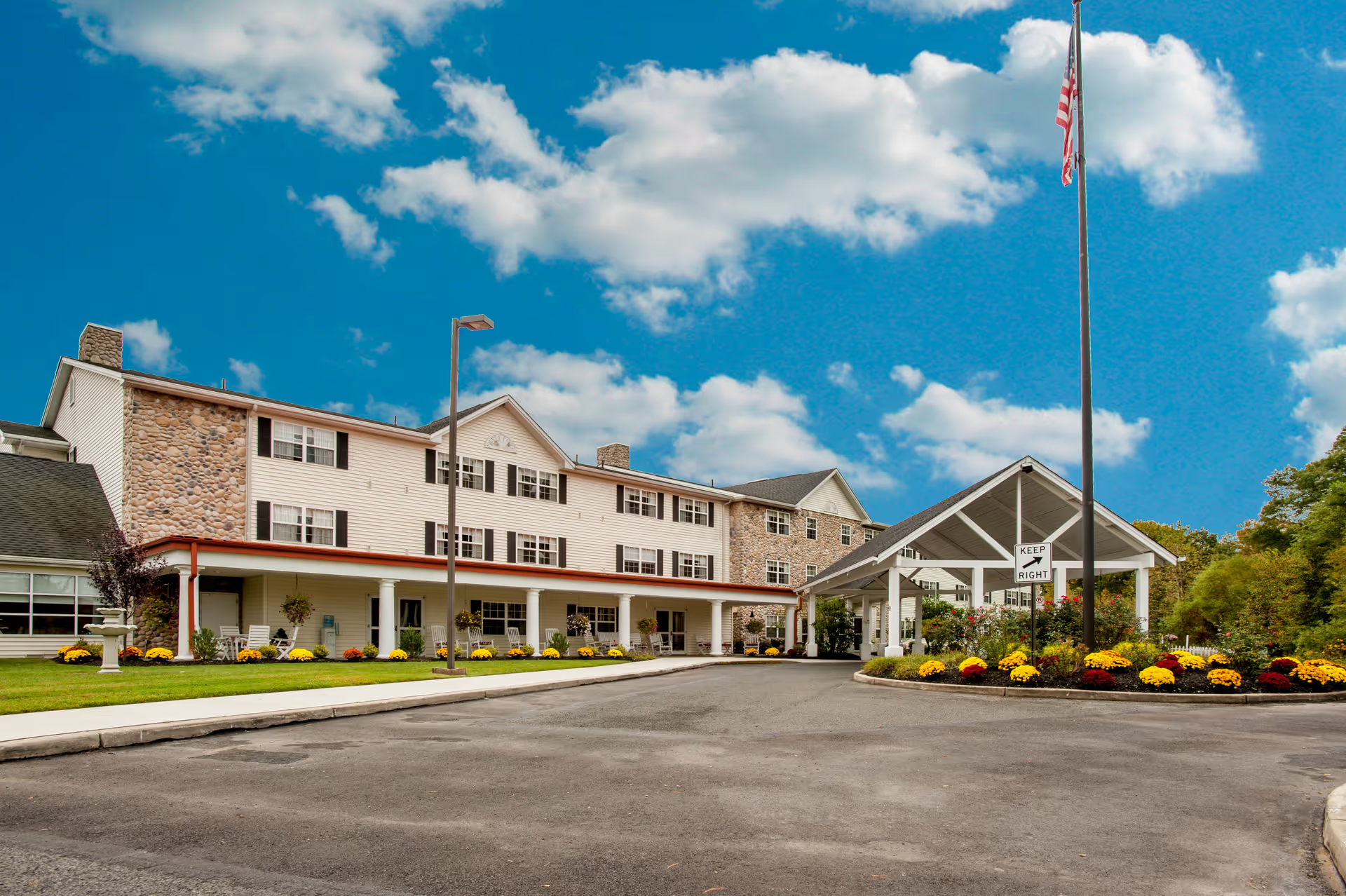
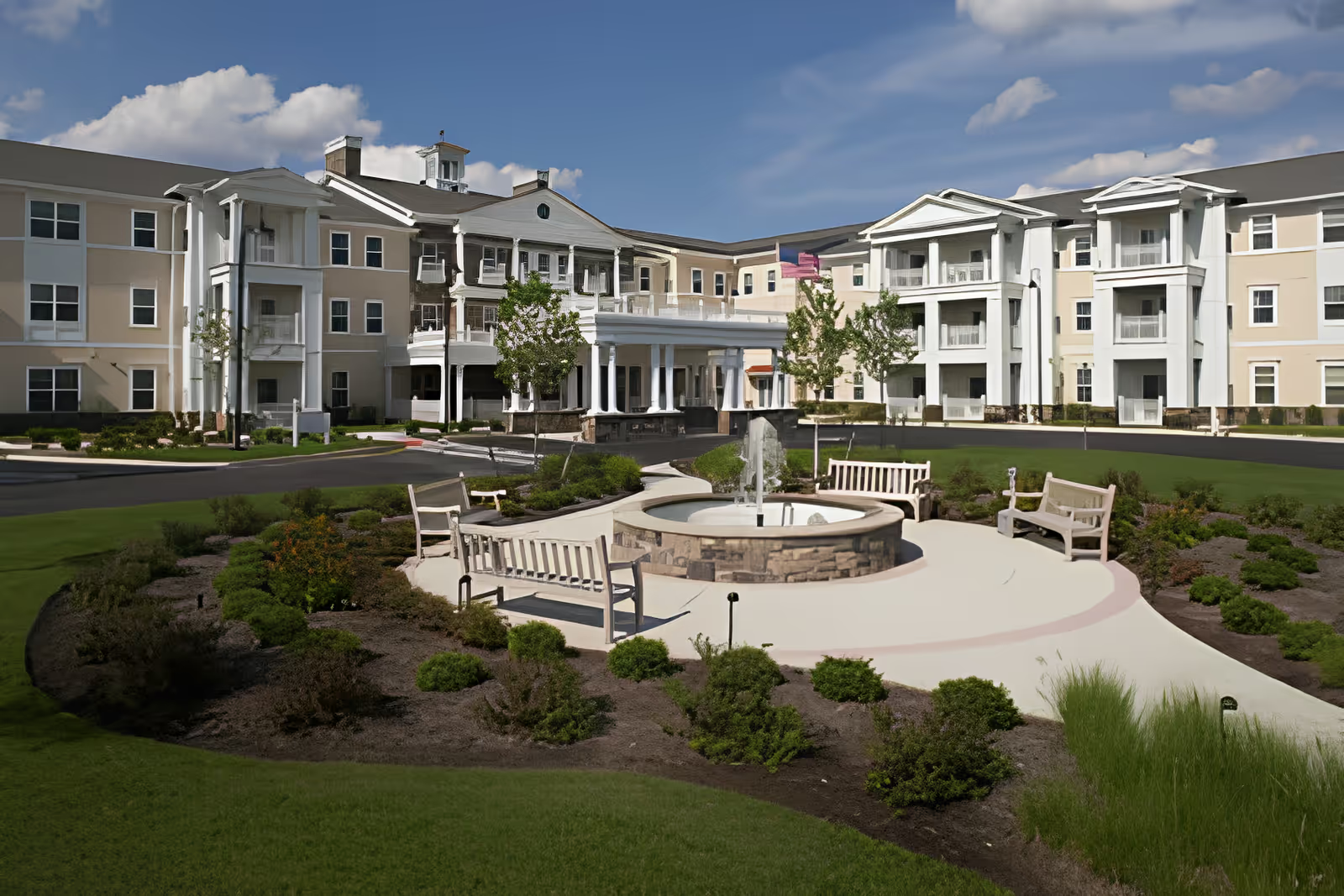
Facilities and maintenance: Many reviewers compliment the cleanliness and upkeep of rooms and common areas; others raise sanitation and odor concerns in particular units, as well as pest-control concerns. There are also reports of aging equipment, heating problems, and other maintenance issues that can affect comfort and safety. Physical space constraints and smaller room sizes were noted by several families.
Management, communication, and safety: Management responsiveness is described as variable. Positive accounts reference an open-door administration, helpful social workers, and thorough admissions coordination. Conversely, many families describe poor communication, last-minute changes, difficulty reaching staff by phone, and inadequate follow-up. More serious allegations include missing personal items and questionable billing practices; these are described as allegations and should be explored directly during a tour and via contract/billing review. There are also concerns about inconsistent infection-control practices and visitation policy enforcement during infectious events.
Notable patterns and guidance: A clear pattern across feedback is unit- and shift-level variability — some units/teams are repeatedly praised while others are repeatedly criticized. Staffing levels, turnover, and leadership oversight appear to drive much of this variability. For prospective residents and families, recommended due diligence includes: observing staff-to-resident interactions on multiple shifts, asking about current staffing ratios and staff turnover, reviewing medication and incontinence-care protocols, confirming therapy scheduling and individualized care plans, inquiring about property-control and billing safeguards, and evaluating dining and activity offerings for the resident’s specific needs. Tour observations and direct questions to clinical and administrative leadership will help determine whether the facility’s strengths align with an individual resident’s priorities.