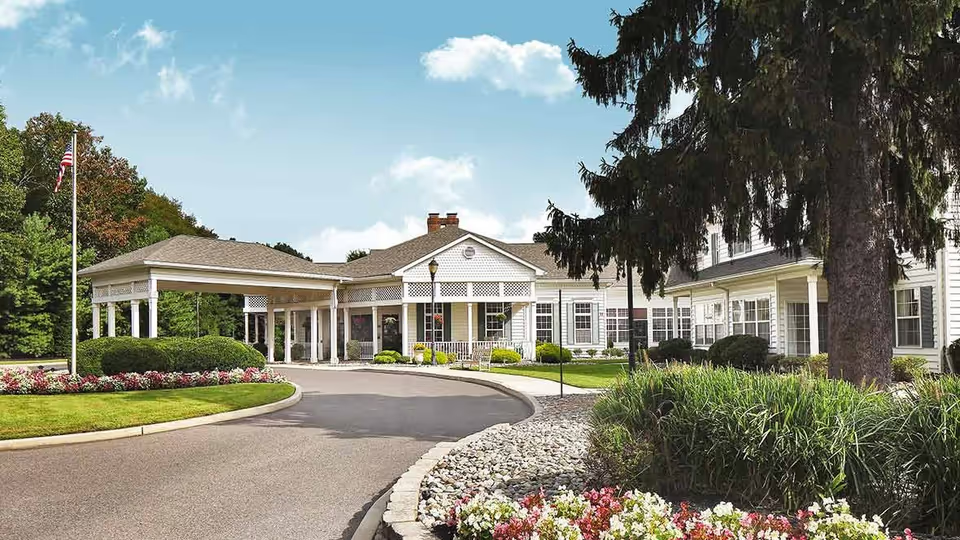
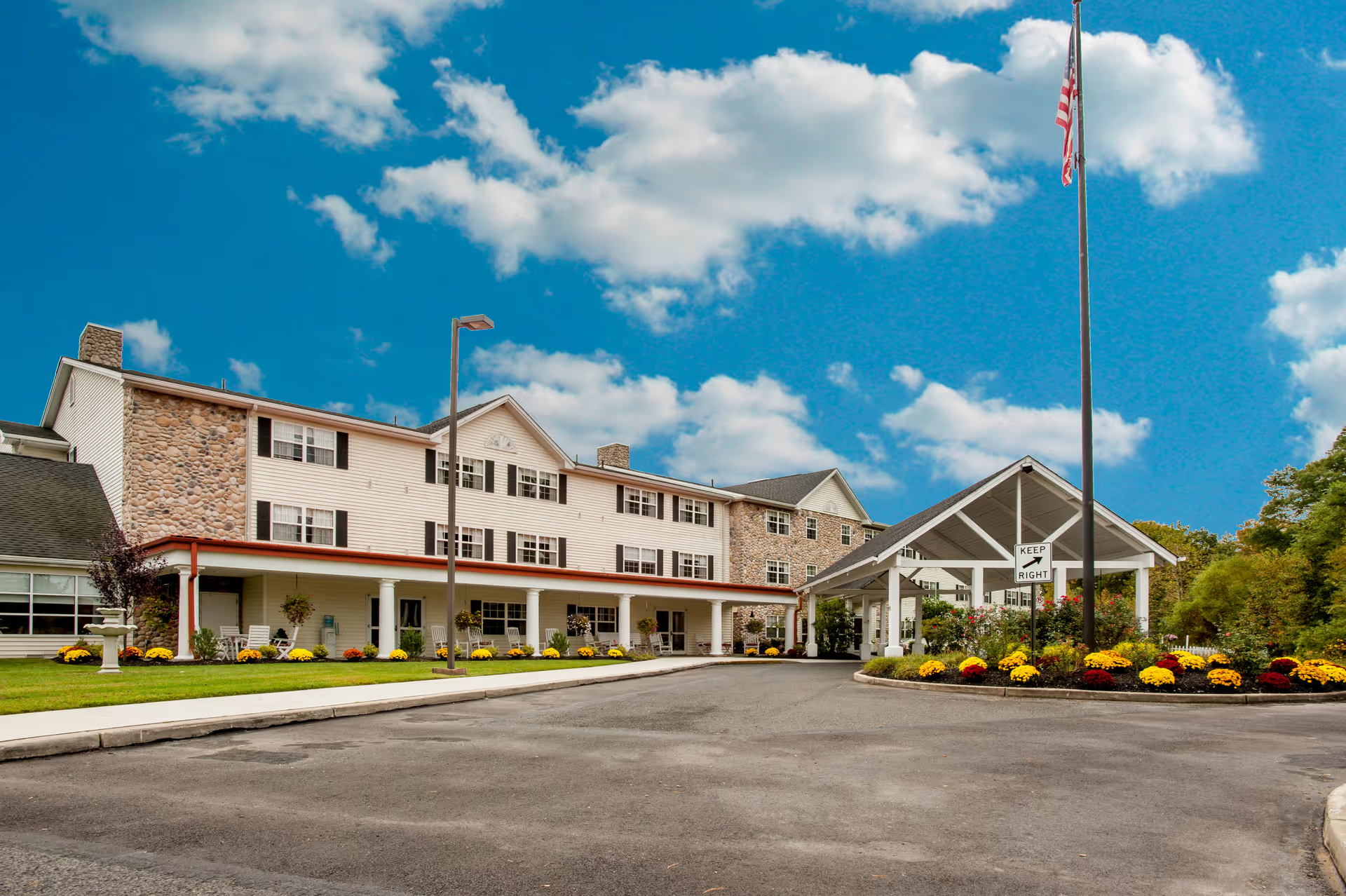
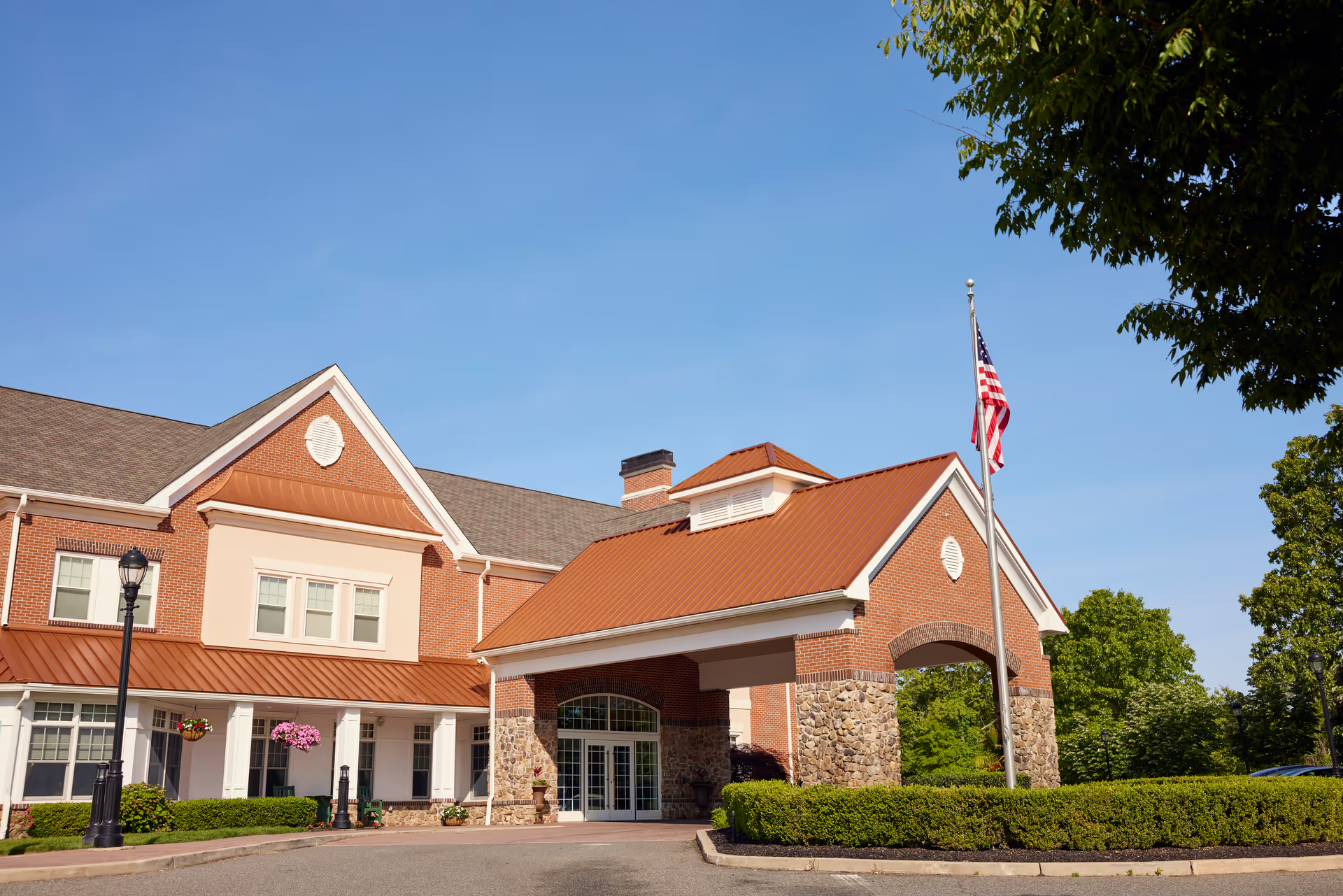
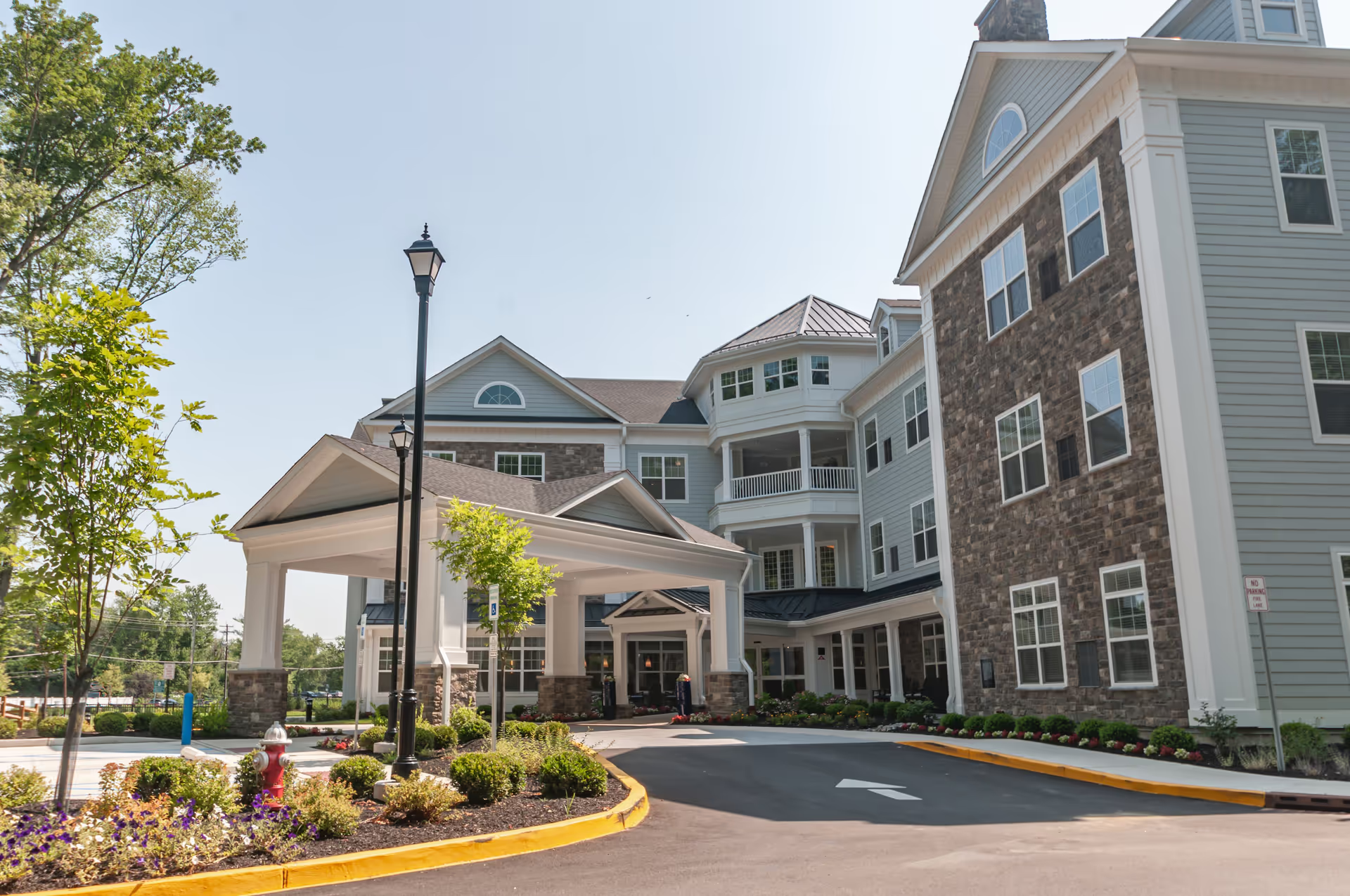
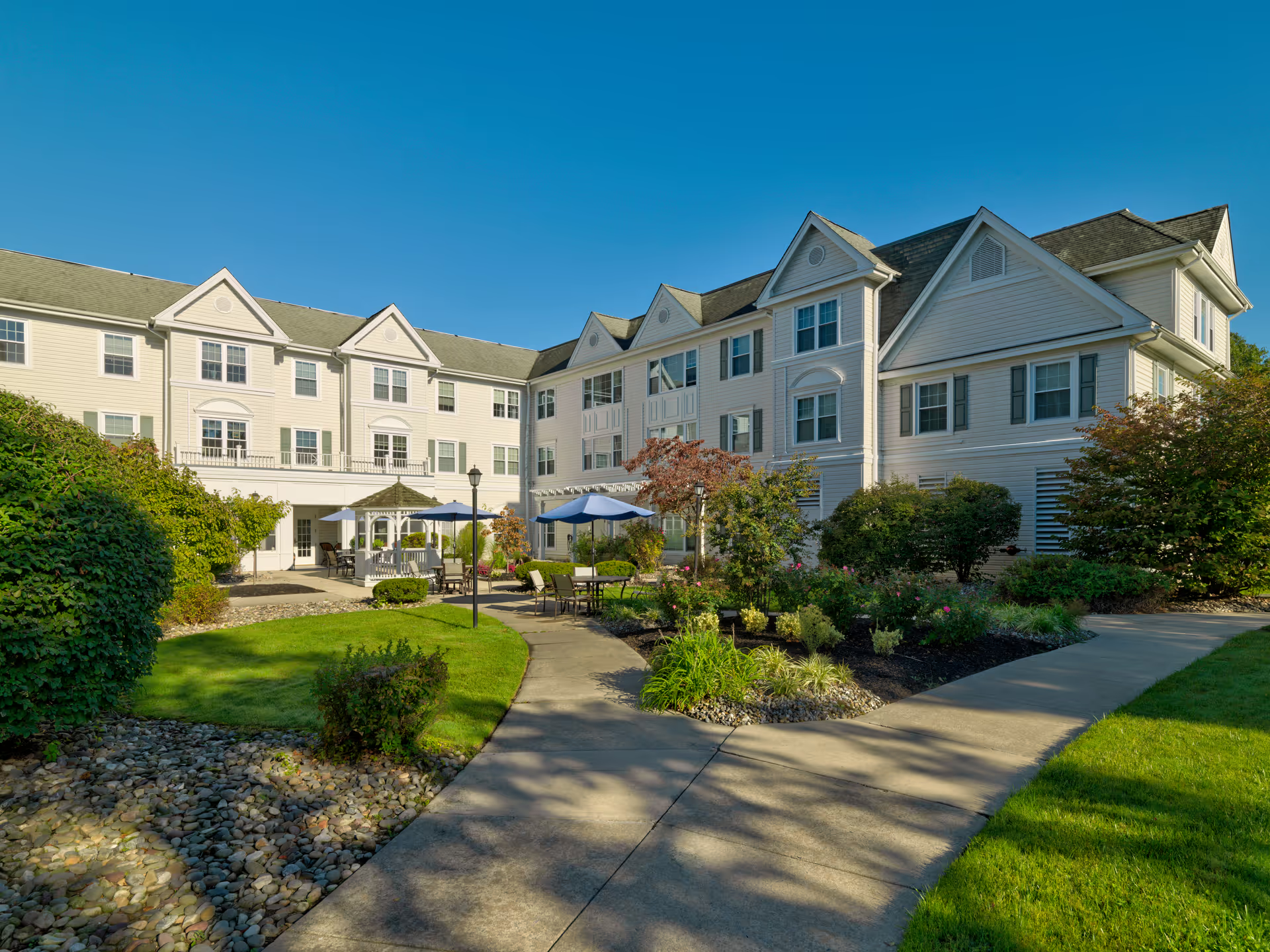
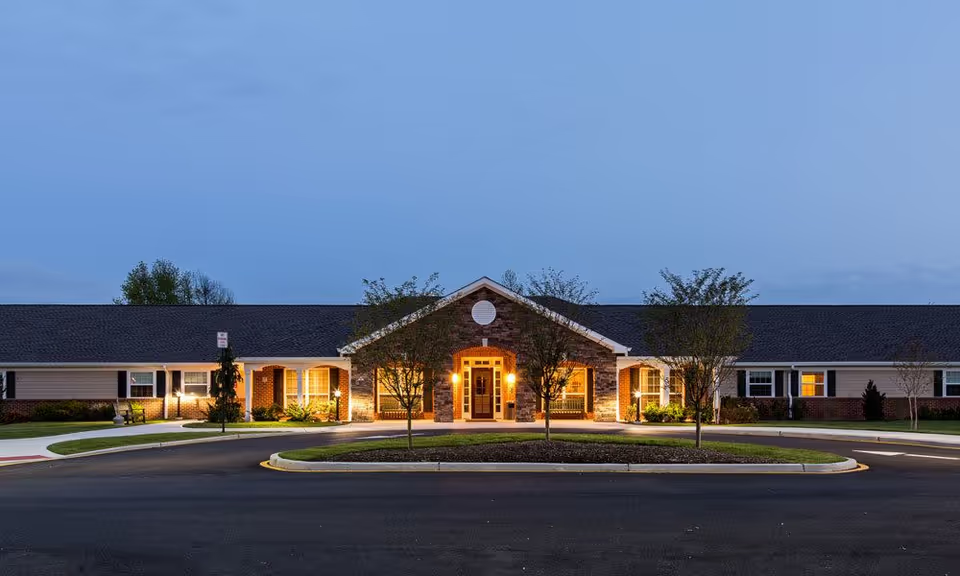
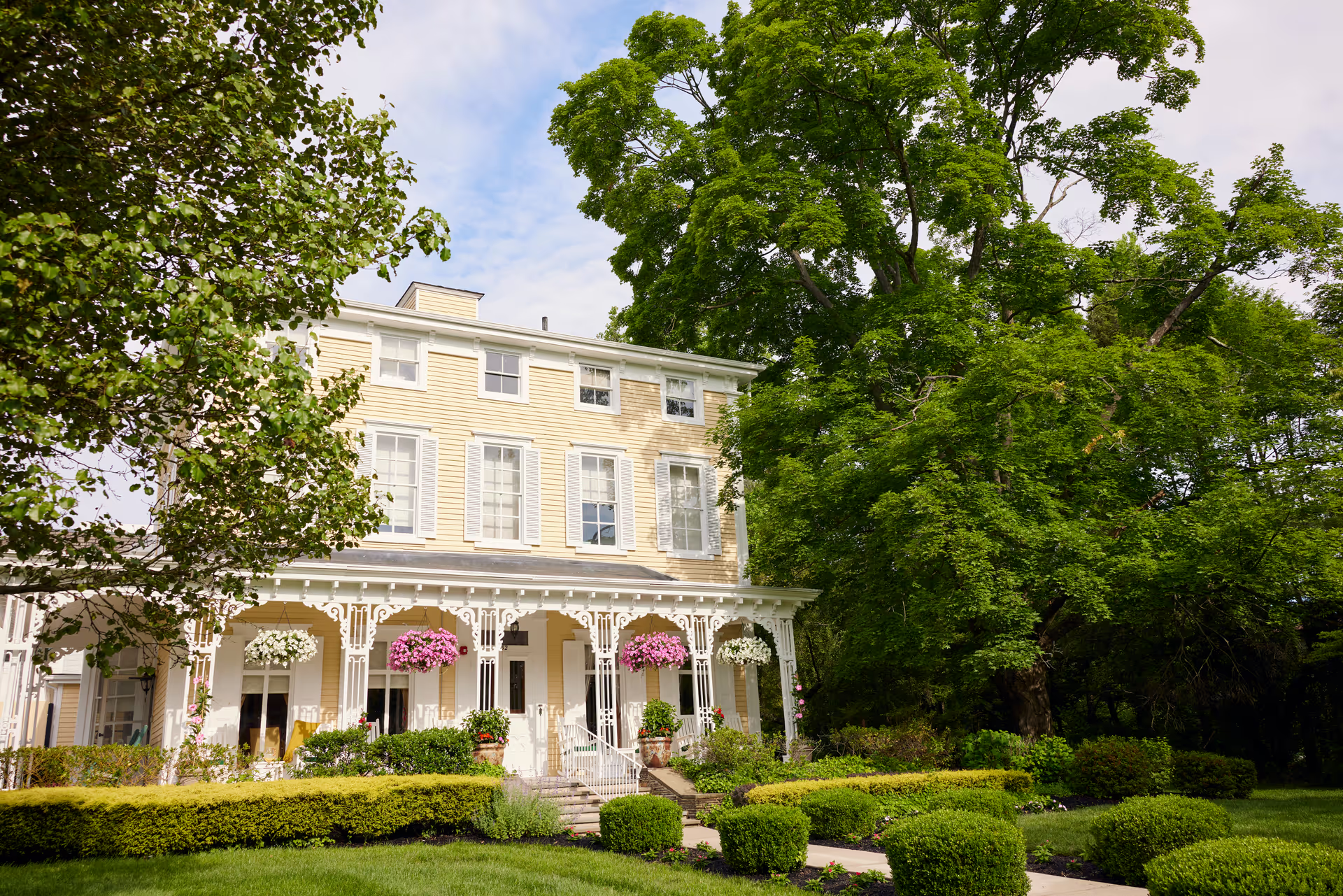
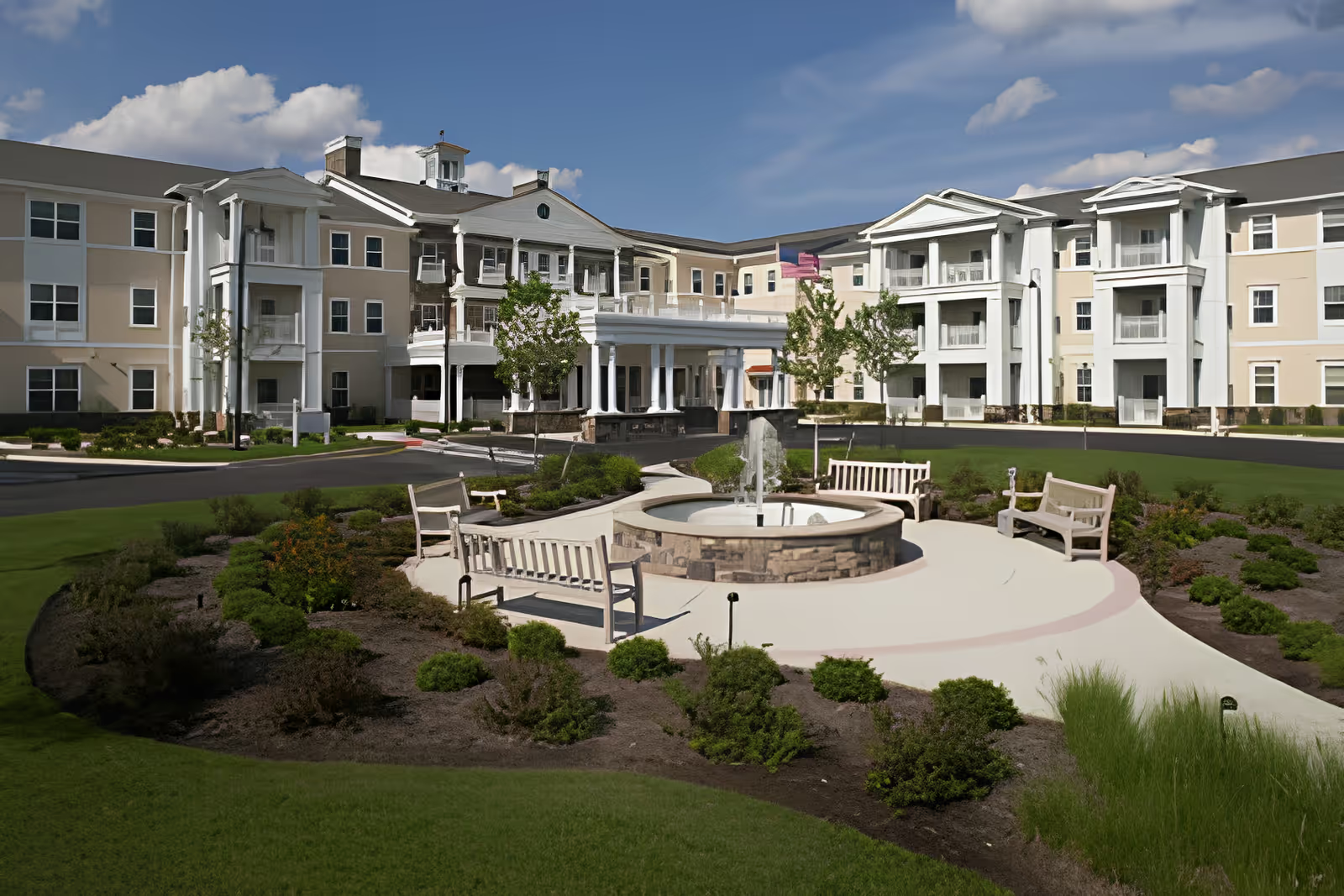
Overall impression: Lions Gate presents a mixed picture. The community offers substantial physical amenities and an active lifestyle environment: a pool, fitness spaces, library, bistro/dining rooms, a synagogue, and large apartments with full kitchens and laundry. Many families praised the campus aesthetics, renovated common areas, and accessibility to local medical providers and shopping. Social programming is broad, with card groups, lectures, concerts, film nights, and frequent holiday events that several residents find engaging.
Care quality and clinical services: Clinical experiences vary considerably across units and stays. Some accounts describe high-quality rehabilitation services and attentive nursing and therapy teams that deliver meaningful progress after surgery. Conversely, other accounts identify extended response times to call lights, medication-timing issues, and concerns about transfer safety and incontinence-care timeliness. Dementia-specific care is another area of inconsistency: reviewers noted good individualized care in some dementia units but also described staff without sufficient Alzheimer’s-focused training and gaps in staffing coverage. Assess prospective residents by asking about current staff-to-resident ratios, LPN/RN coverage on dementia units, and examples of transfer-safety training.
Staff and management: Staff interpersonal skills are frequently cited as a strength—many reviewers found nursing aides, therapists, and activity staff to be friendly and attentive. However, recurring themes include high turnover, understaffing (particularly at night and on weekends), inconsistent front-desk and administrative responsiveness, and occasional concerns about staff conduct or communication tone. Families highlighted scheduling and follow-up shortcomings, including missed calls and canceled appointments. Prospective families should evaluate management responsiveness during tours and request recent staffing metrics and turnover data.
Dining and nutrition: Dining receives polarized feedback. The facility provides kosher options and the ability to accommodate vegetarian/organic diets, and some diners praised new chefs and attractive dining rooms. At the same time, many reviewers described inconsistent meal quality, limited dinner selections at times, and periods of dietary-staff turnover that affected service continuity. Ask for sample menus, recent dining audits, and how dietary changes are communicated to residents and families.
Activities and community life: Activity offerings are a clear strength—there are multiple clubs, exercise classes, lectures, concerts, and transportation for shopping and appointments. These opportunities contribute to social engagement for many residents. A recurring caveat is that activity programming can fluctuate when activity-director positions change; confirm current weekly calendars and staffing consistency.
Facilities and maintenance: The physical plant and grounds are often praised: attractive landscaping, renovated apartments, and accessible communal spaces. Nevertheless, some reviews describe maintenance-response delays, occasional water-damage incidents, and long internal distances between buildings that can present mobility challenges. Families with mobility needs should verify availability of motorized transport or carts, ask about bariatric equipment availability, and walk the route between buildings during a visit.
Management, fees, and transparency: Cost is a consistent consideration—Lions Gate is viewed as relatively expensive by many reviewers, with questions about entrance fees and monthly-charge breakdowns. Several families reported difficulty obtaining clear, itemized billing explanations. There are also intermittent allegations of financial or personnel misconduct; these are individual but serious and worth discussing directly with administration and reviewing any public regulatory records.
Patterns and decision guidance: The dominant pattern is variability: positive and robust services exist, but quality is uneven across time, shifts, and units. For prospective families, recommended due diligence includes: observing mealtimes and staff responsiveness during a tour, requesting current staffing ratios and turnover information, asking about dementia-care protocols and LPN/RN schedules, verifying maintenance and mobility-support resources, reviewing sample billing statements, and checking regulatory or licensure records. These steps can help determine whether the community’s strengths align with a given resident’s clinical and social needs.