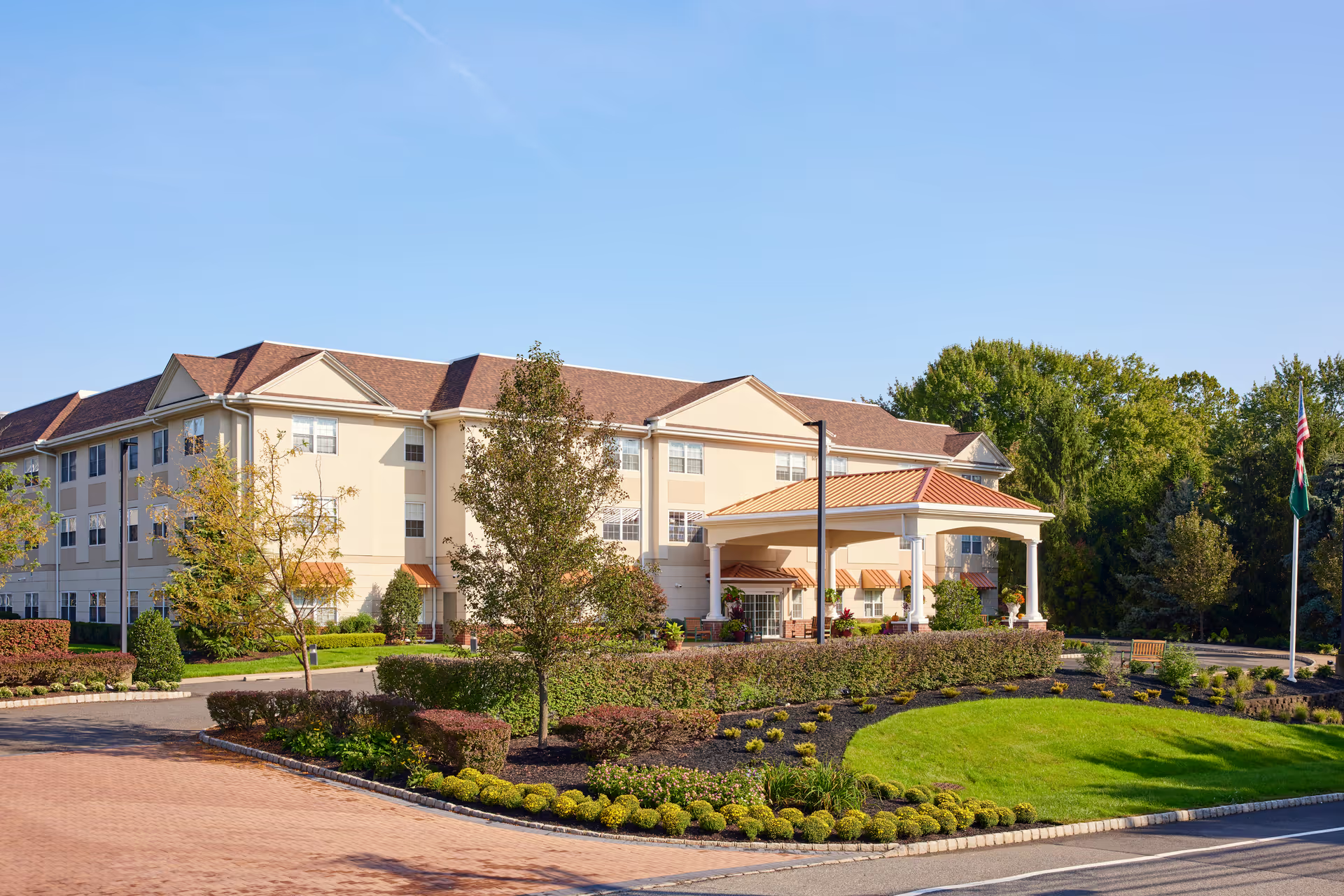
The review set for Complete Care at Westfield is highly polarized: a substantial portion of comments praise the therapy services, certain nurses and aides, and specific administrative staff for rapid problem resolution, while another substantial portion raises operational concerns about staffing, responsiveness, and cleanliness.
Care quality and clinical services: Physical and occupational therapy receive consistent positive remarks for helping residents regain mobility and achieve discharge goals. Several reviewers described strong wound-care outcomes and clinically effective rehabilitation. At the same time, there are numerous accounts of inconsistent nursing and aide responsiveness, including delays in delivering medications and in answering call bells. These delays have been linked in some reviews to adverse clinical events or hospital transfers. The pattern suggests variability in clinical performance across shifts and units rather than uniform practice.
Staffing and conduct: Reviews indicate a mixed staffing picture. Many staff members are described as compassionate, skilled, and attentive; others are described as undertrained, inattentive, or having poor communication tone. Reviewers note frequent use of agency staff and staffing shortages on certain days or units, which appears to correlate with longer response times, missed care tasks, and inconsistent bedside practices. There are also multiple notes about inconsistent behavior toward families and about front-desk responsiveness.
Dining and resident needs: Meals and dietary management elicit divergent feedback. Several families praised food quality and appropriate diet modifications aligned with clinical needs. Conversely, others described missed dietary accommodations, late or inconsistent meal service, and problems with beverage and toileting assistance timing. This suggests variability in meal-service continuity and individualized dietary follow-through.
Activities and memory care: The recreation department and activity calendar receive regular positive remarks for engagement, crafts, social events, and memory-care programming. Memory-care staff are often singled out as warm and supportive, and the secured memory-care environment is viewed positively by many families. However, some comments note limited programming and underfunding in memory-care areas, pointing to uneven engagement across units.
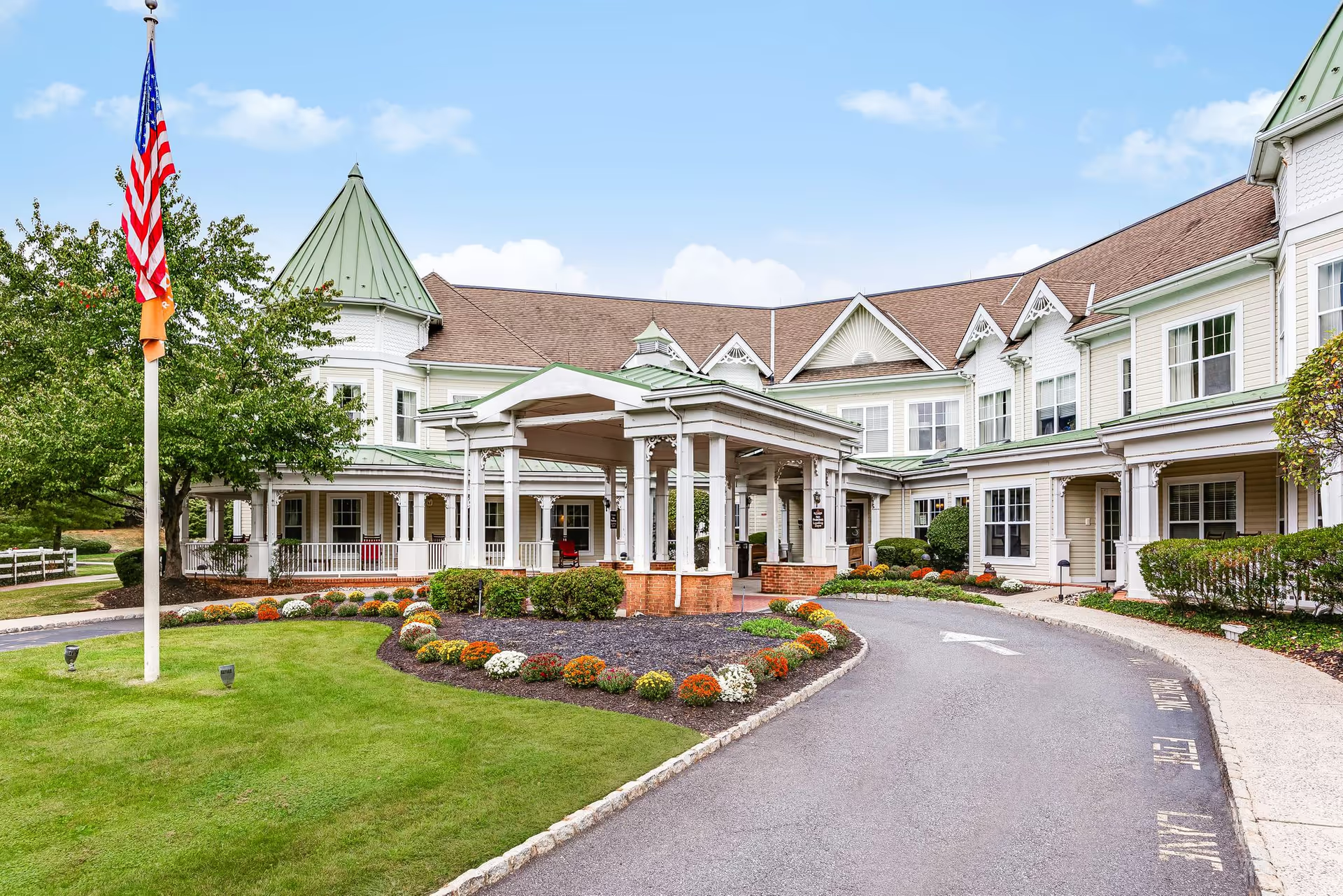
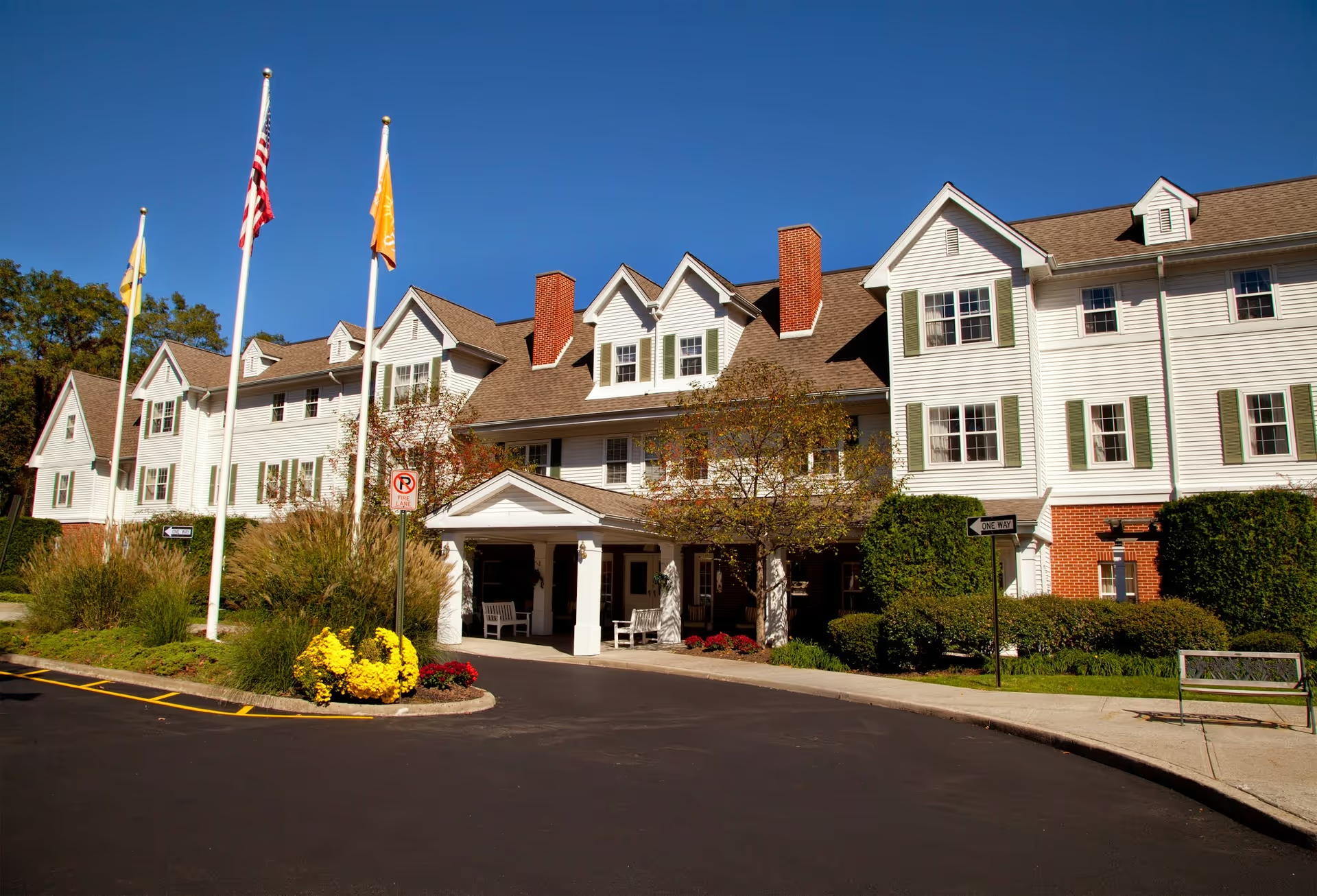
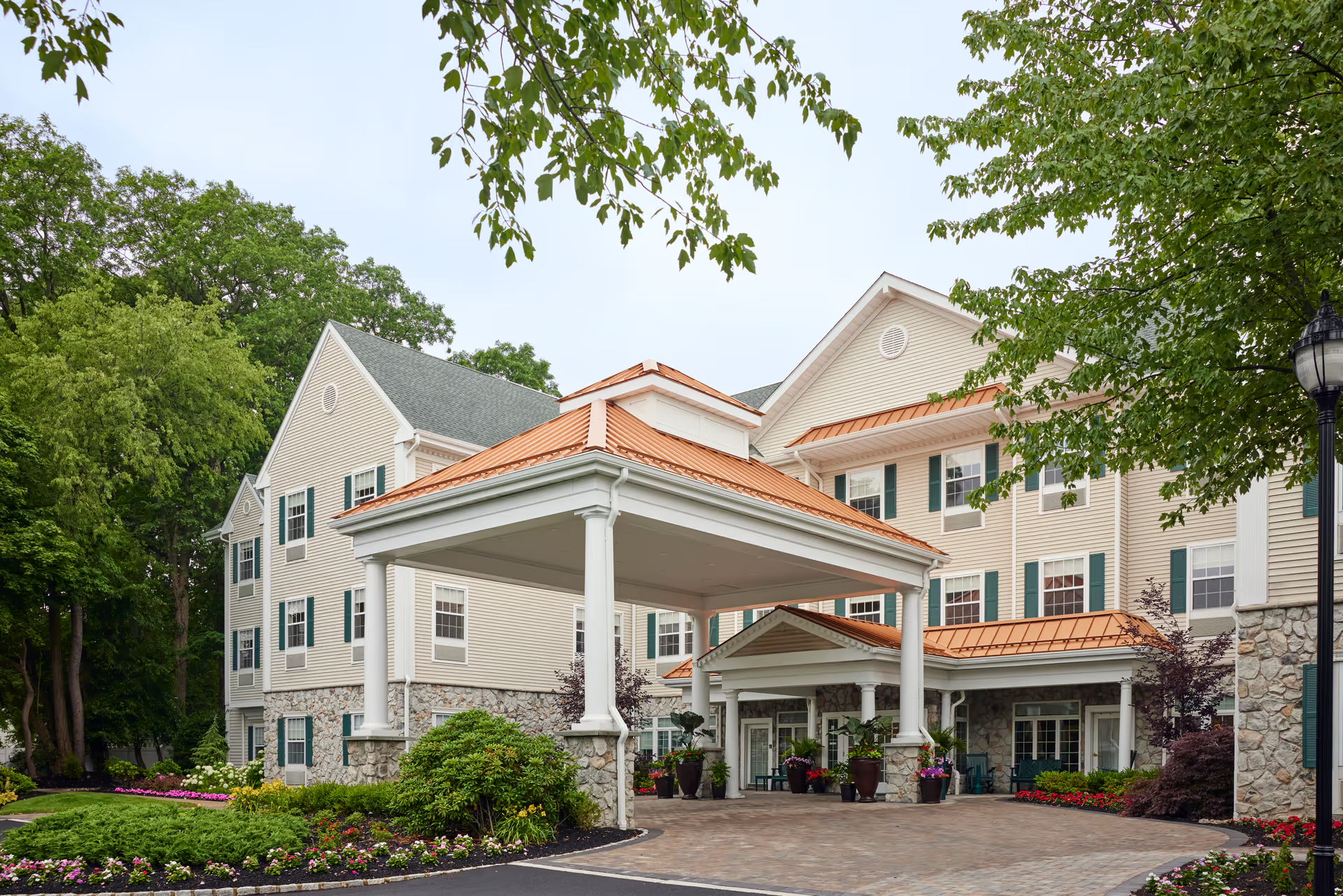
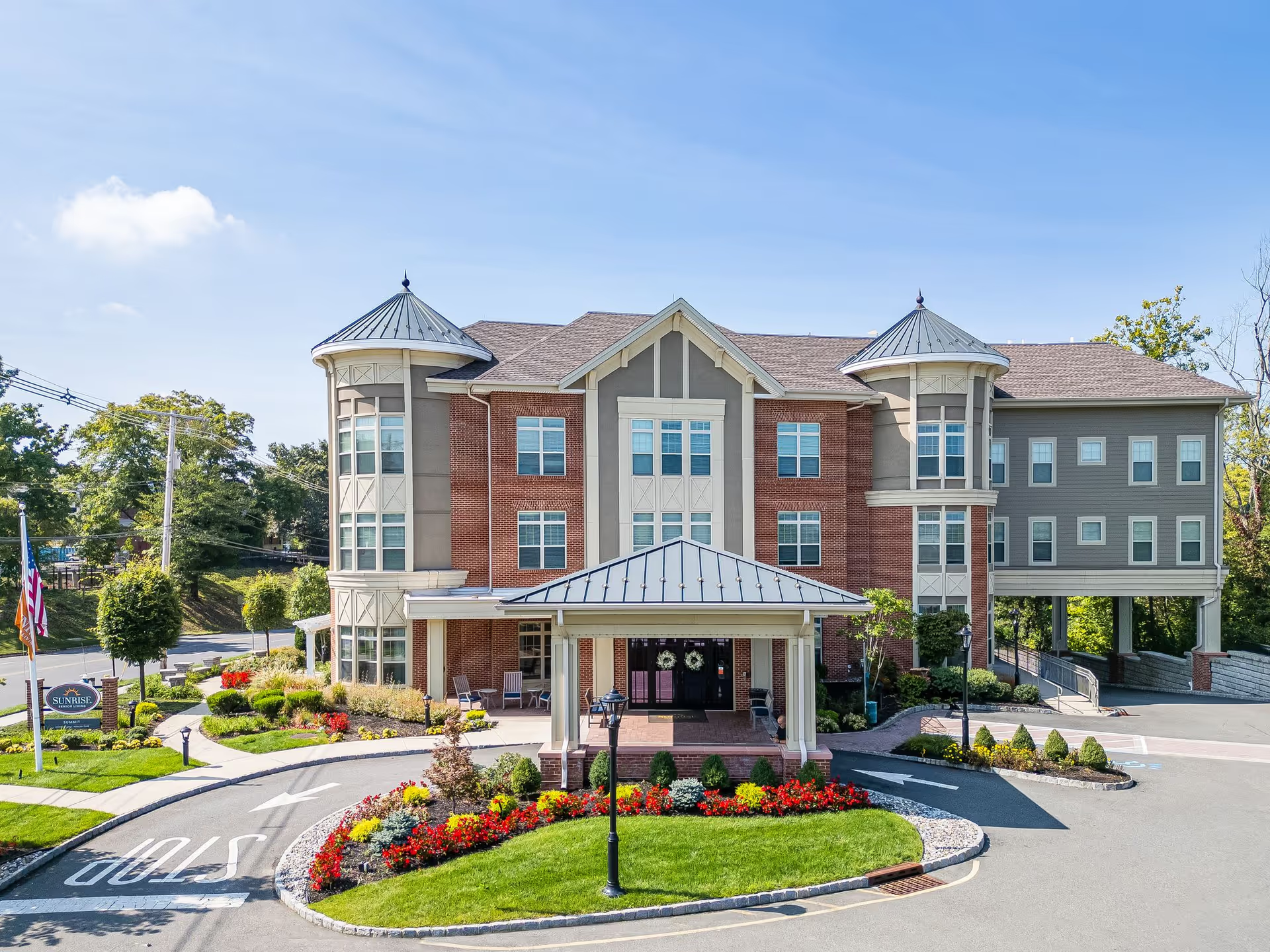
Facilities and maintenance: Many reviewers describe the facility as modern, well-maintained, and clean; others raise sanitation and odor concerns, paint/finish deterioration, and specific maintenance issues such as broken call buttons, missing safety rails, or worn equipment. These mixed observations point to variability in environmental upkeep by unit or over time rather than a uniform facility condition.
Management and governance: Several accounts highlight administrators and directors who proactively resolve issues, communicate clearly, and follow up with families. Conversely, reviews also describe confusing admissions practices, rapid staff turnover in administrative roles, unclear eligibility explanations for memory care, and perceived opacity in complaint handling. A small number of reviews reference allegations of theft, legal action, or regulatory scrutiny; these are serious concerns for which families should request documentation or inspection reports.
Notable patterns and guidance for prospective families: The dominant themes are variability and inconsistency—excellent therapy and strong individual caregivers coexist with episodic lapses in responsiveness, housekeeping, and communication. When evaluating the facility, prospective residents and families may find it useful to ask for current staffing ratios by unit and shift, call-bell response-time data, recent state inspection reports, medication-administration protocols, grievance procedures, and examples of how the facility addresses agency-staff integration and training. On tours, observe cleanliness in common areas and the specific unit you are considering, ask which staff will be regularly assigned to the resident, and request contacts for recent family references who experienced both short-term rehab and longer-term stays.
Overall, Complete Care at Westfield demonstrates clear strengths in rehabilitation and certain clinical teams, alongside recurring operational weaknesses tied to staffing consistency, responsiveness, and environmental maintenance. Families who prioritize strong therapy programs and who can verify unit-level staffing and incident-communication practices may have positive outcomes; those concerned about variable bedside responsiveness should seek corroborating information before placement.