Overview: Reviews describe a community with notable strengths alongside operational inconsistencies. The facility's newer construction and dementia-aware design are consistently praised: bright, calming décor, well-considered landscaping, clear upstairs–downstairs symmetry, and rooms that families can personalize. Many families report professional, compassionate nursing and therapy care, strong rehabilitation outcomes, and attentive housekeeping. Dining and social programming receive positive mention for variety and special events, and admissions and marketing staff are frequently described as helpful.
Care and staff: Clinical care impressions are mixed but polarized. Numerous accounts describe professional, nurturing nurses and therapists who provide effective medication management, proactive rehabilitation, and family-oriented communication. Those accounts highlight staff who go beyond expectations and maintain resident dignity. Conversely, other accounts point to operational weaknesses: inconsistent staffing levels, variable training and turnover, and delays in responding to resident needs. These operational issues appear to be the main driver of negative experiences and include concerns about follow-through on personal-care and wound/infection-prevention oversight.
Dining and activities: Dining is often cited as a strength: a broad, accommodating menu, daily cooked-to-order items (for example omelets), and positive special-event meals. At the same time, some families reported errors in dietary execution and sought improved meal consistency. Activity programming receives favorable remarks when present—events such as themed nights, dancing, and culturally themed meals were enjoyed—yet there are also comments requesting more frequent and varied group activities and greater engagement for less-mobile residents.
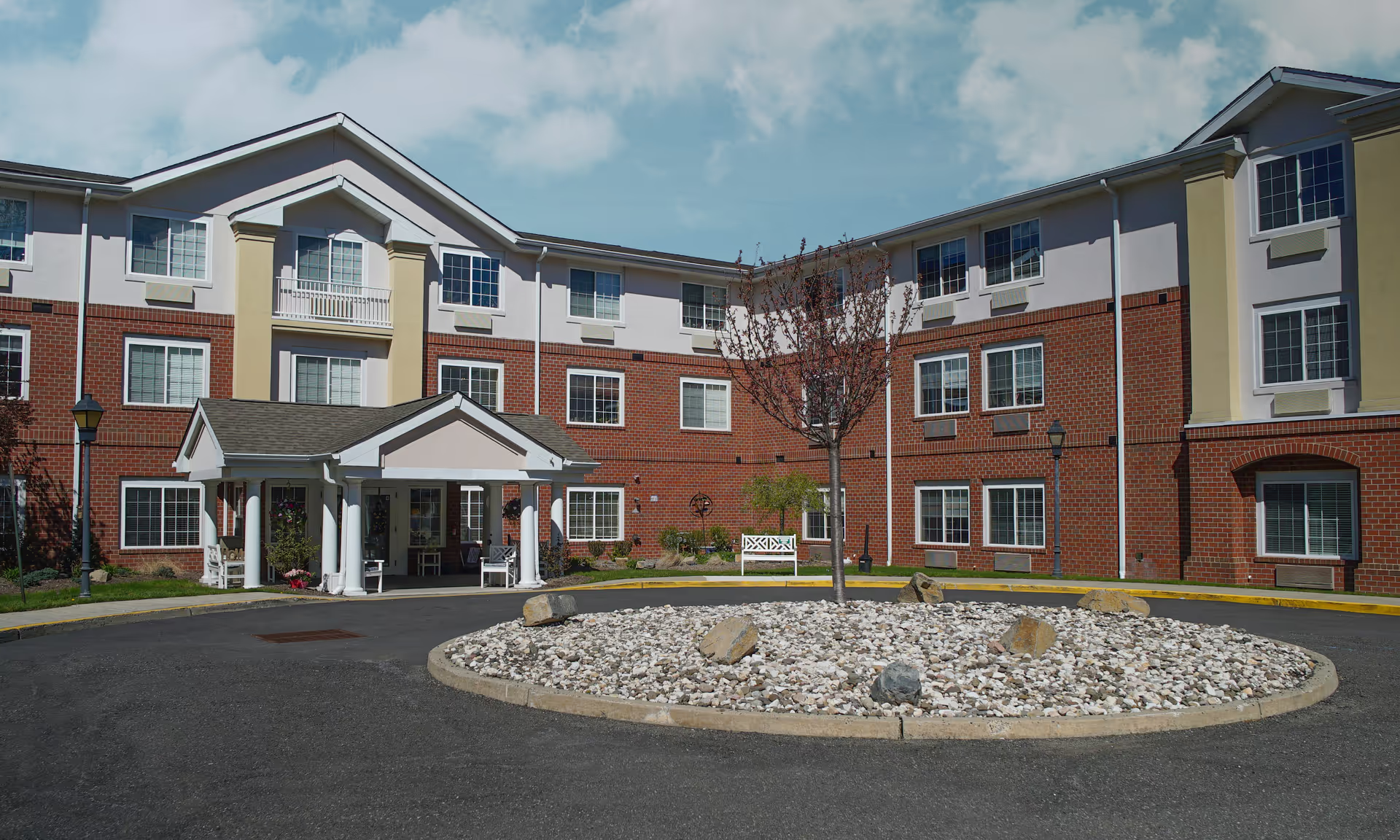
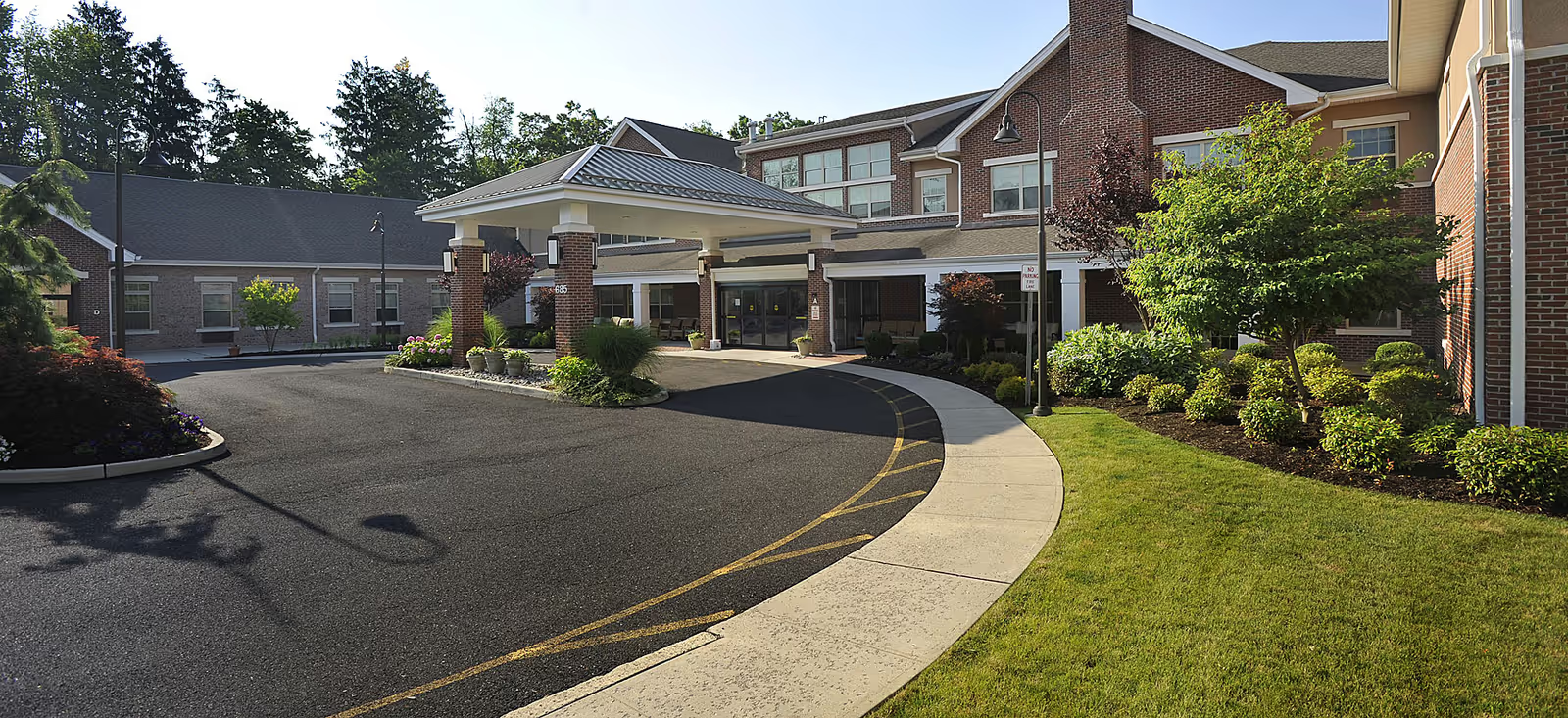
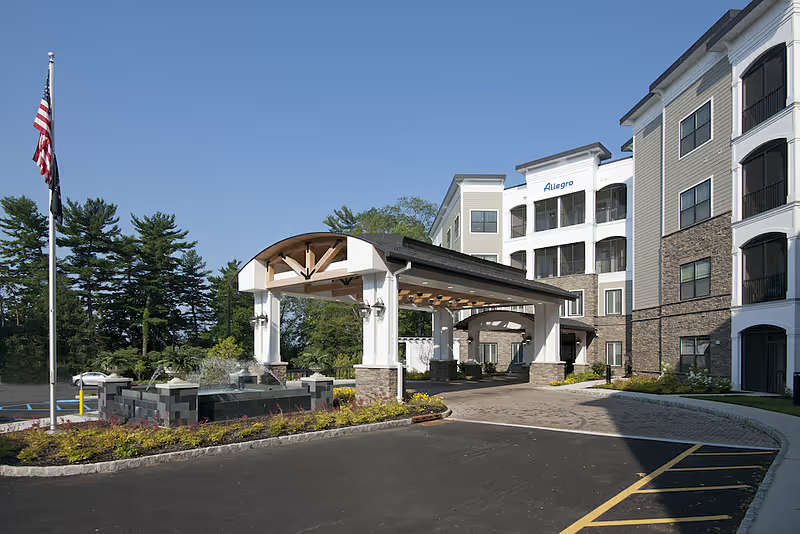
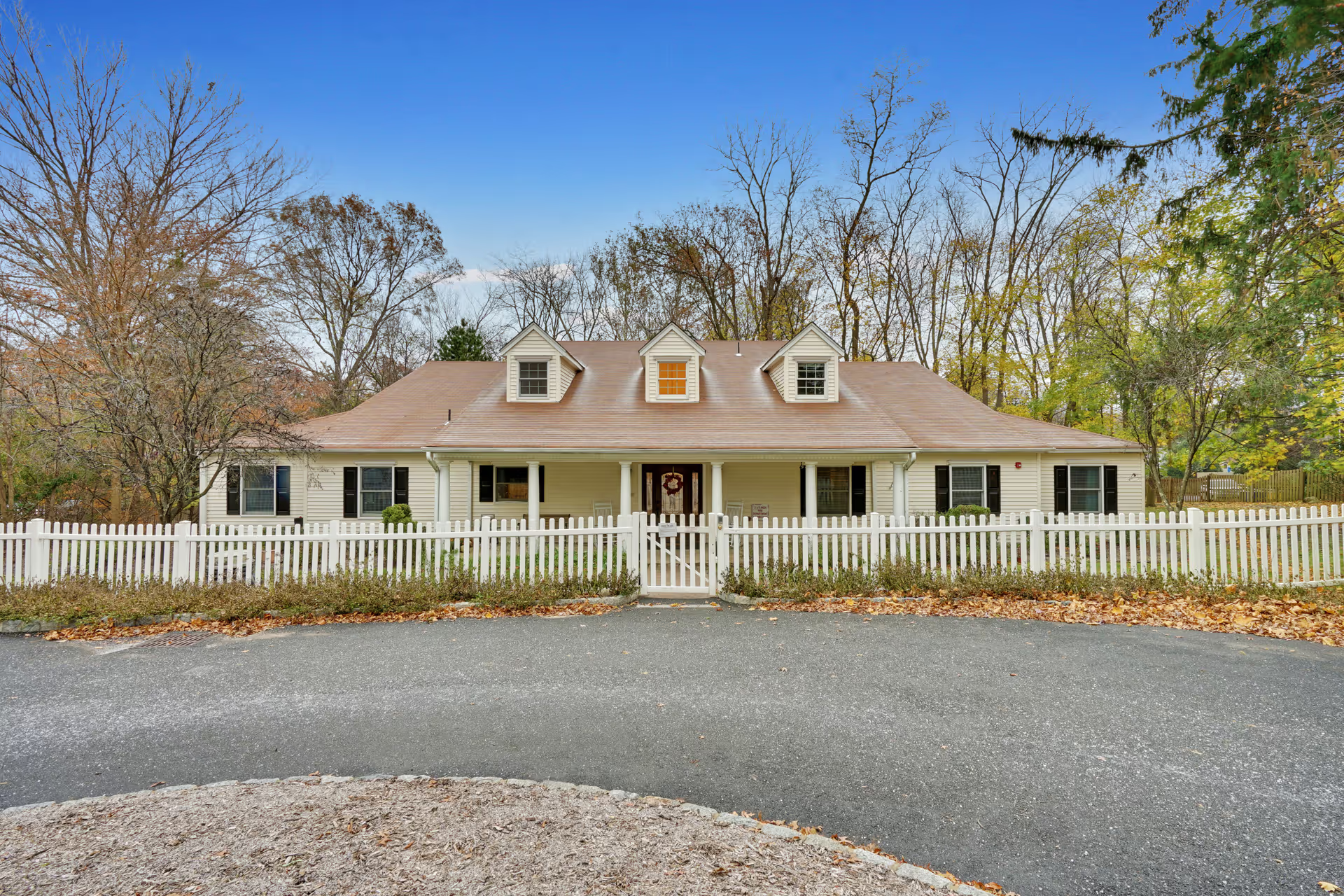
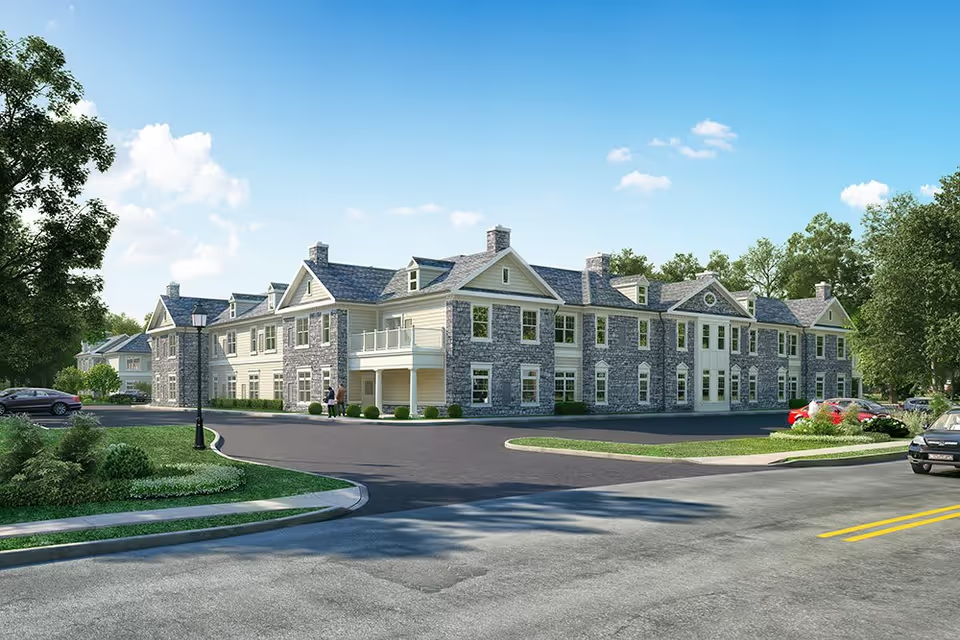
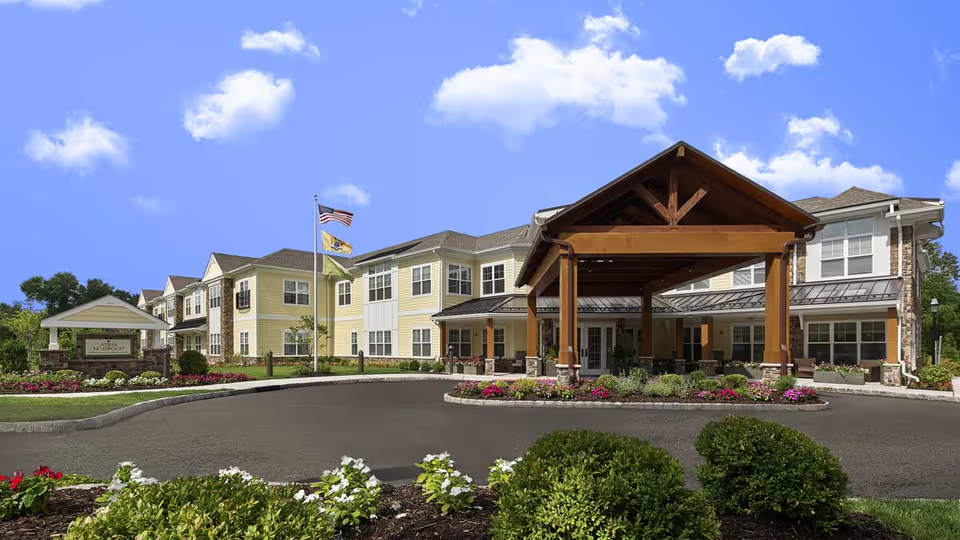
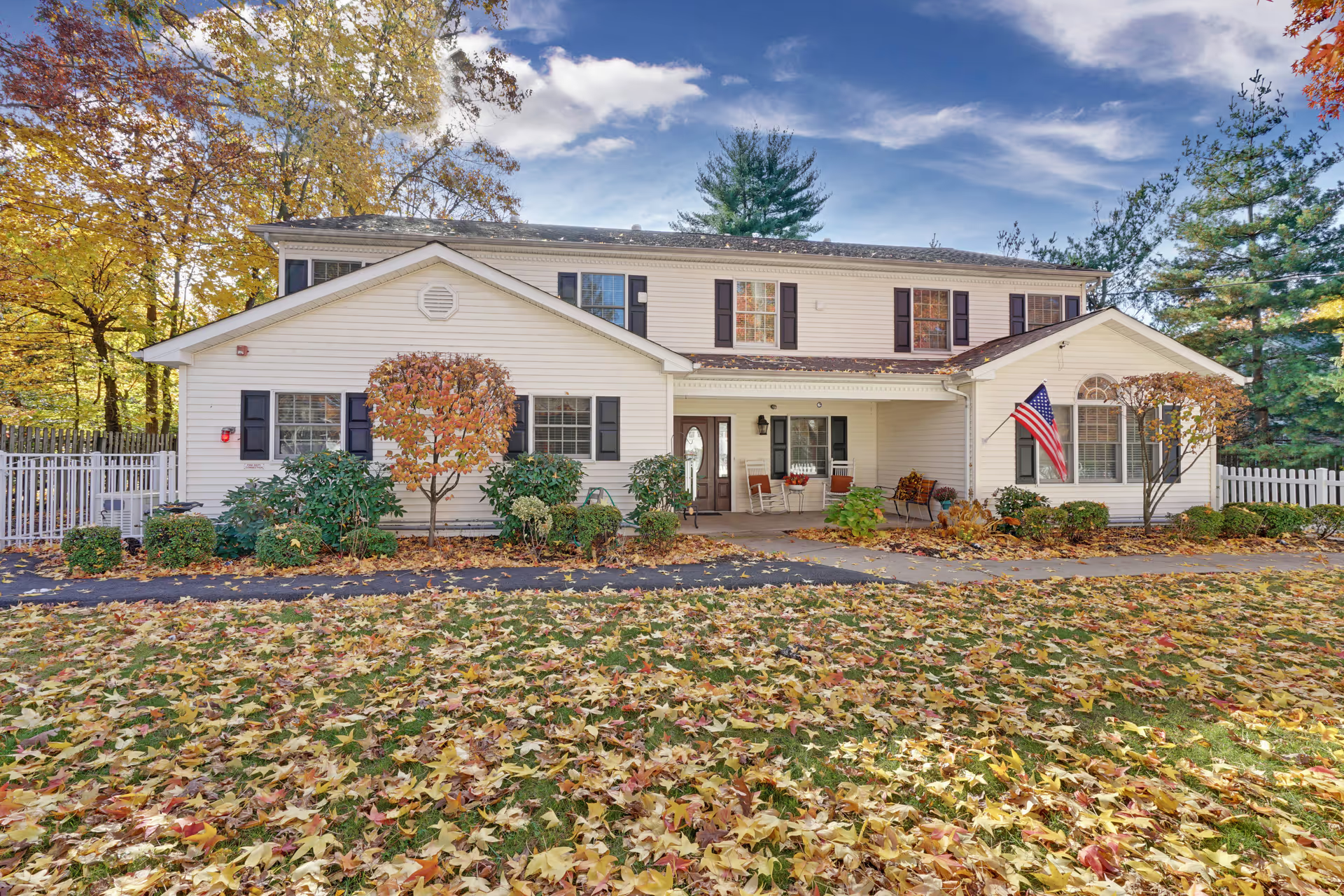
Facilities and cleanliness: The newer wing and public spaces are frequently described as clean, well-maintained, and welcoming, with dementia-friendly details and comfortable activity and dining areas. Several reviews note that portions of the campus are older or feel more institutional, creating variation in room quality and atmosphere depending on placement. While many families praise daily room cleaning and overall sanitation, others raised operational concerns related to personal-care monitoring and infection-prevention follow-up.
Management and notable patterns: Perceptions of management vary. Some reviews describe proactive, communicative leadership and helpful supervisors who resolve issues; others describe slow or inadequate follow-up from administrative offices and concerns about executive-level responsiveness. There is at least one mention of a past regulatory citation related to staffing levels, and a small number of serious concerns (including issues raised after a resident's death) that prompted questions about incident response and family communication. Taken together, the pattern is one of strong frontline caregiving in many cases, but with facility-level gaps in staffing consistency, training, and administrative follow-through that affect reliability.
What prospective families should note: This community offers many positive features—modern dementia-aware design, strong therapy services, attentive cleaning, and caring staff in many instances—but experiences are uneven. Visitors should tour both newer and older areas, ask about current nurse-to-resident ratios and turnover, request recent regulatory history and corrective actions, review infection-prevention and wound-care protocols, sample menus, and inquire about the activity schedule and staffing for memory-care residents. These specific questions can help clarify whether the facility’s strengths align with a particular resident’s needs and tolerance for variability in operations.