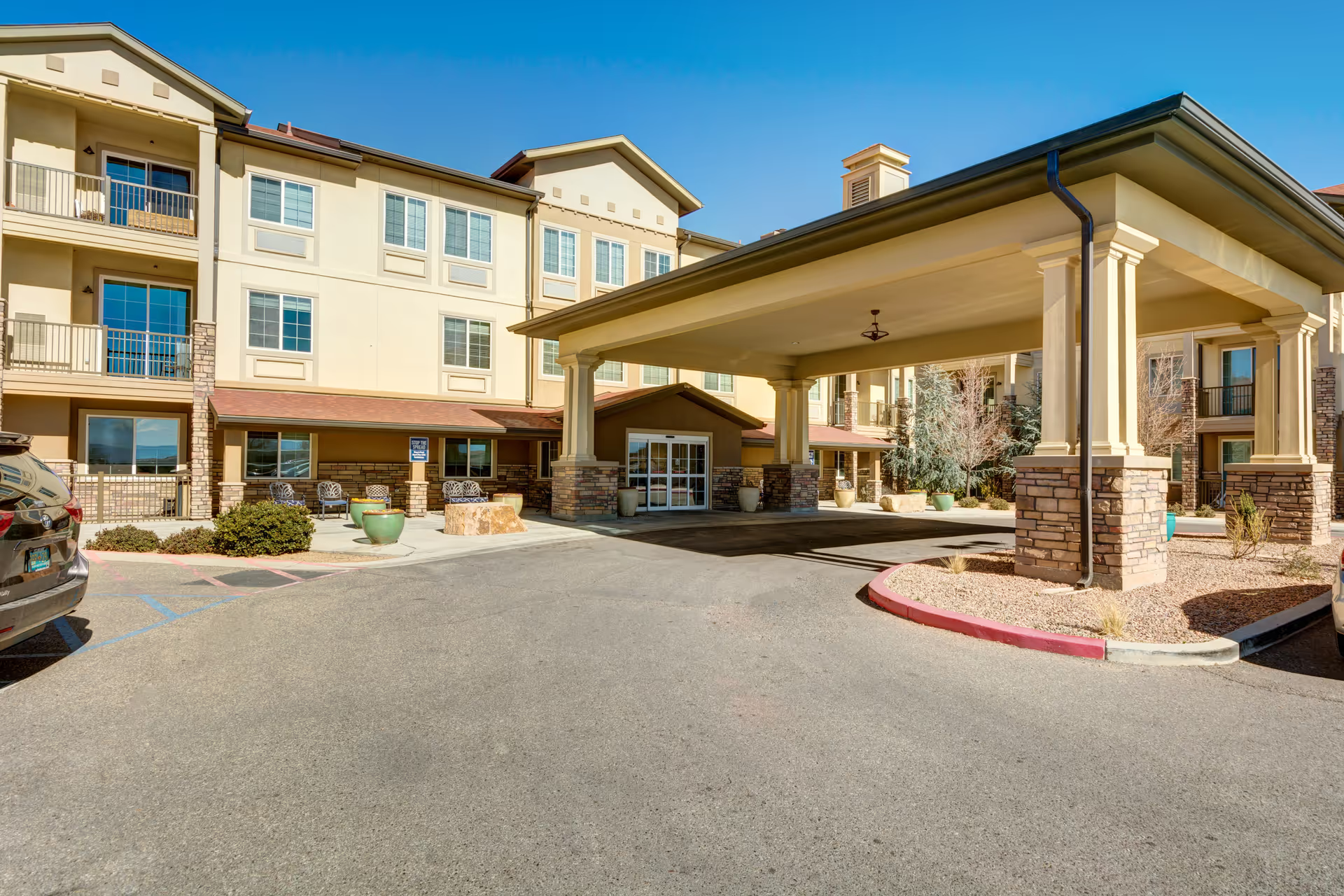
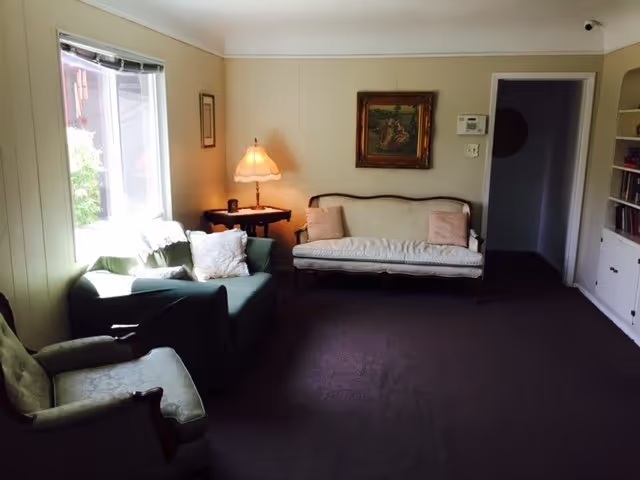
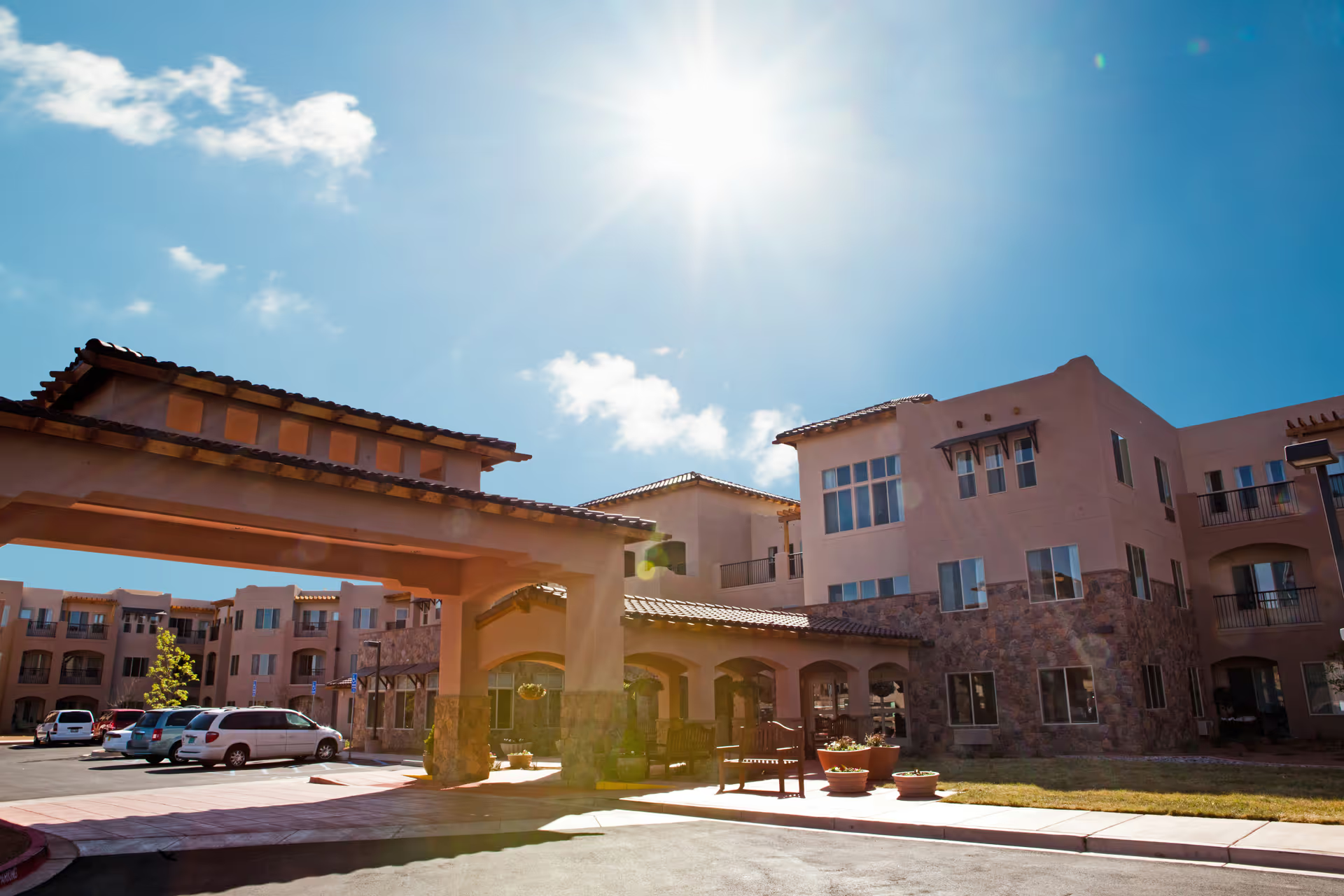
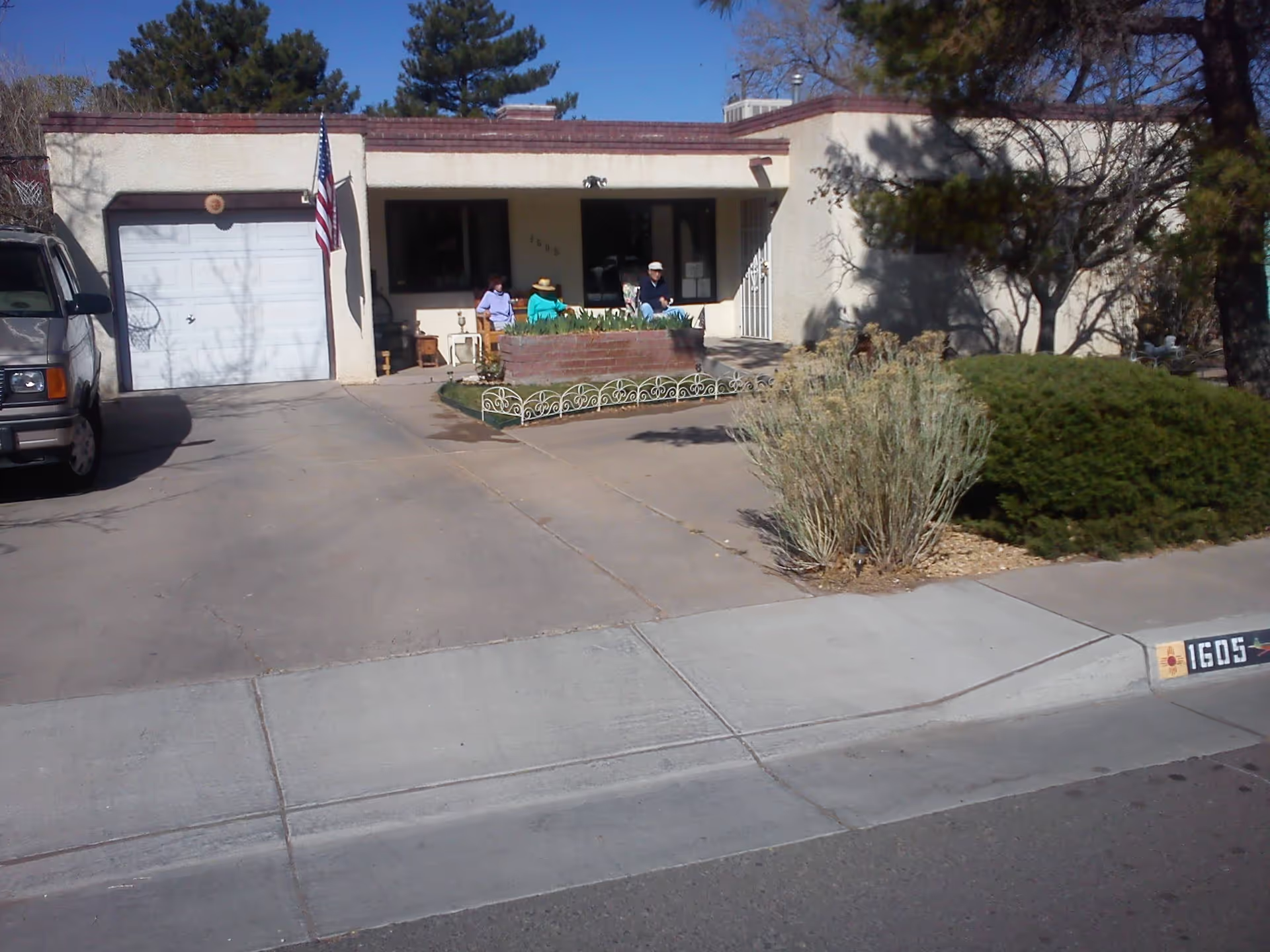
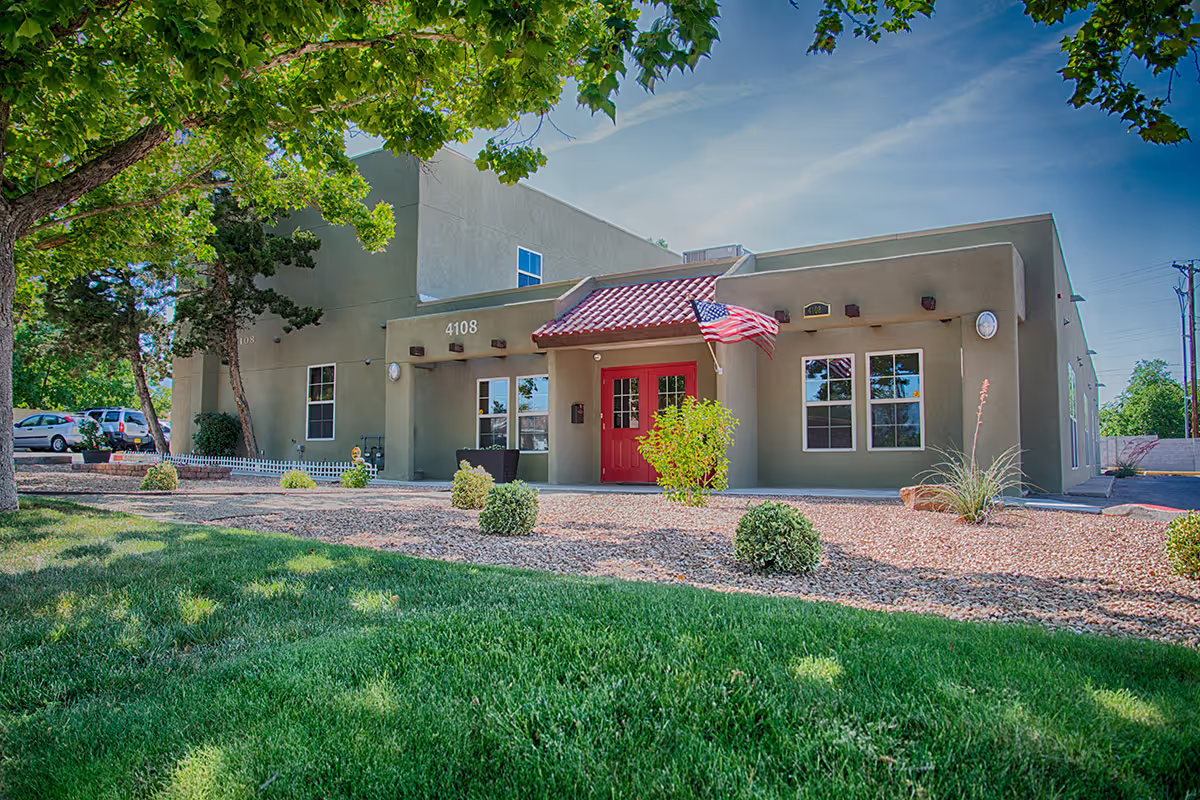
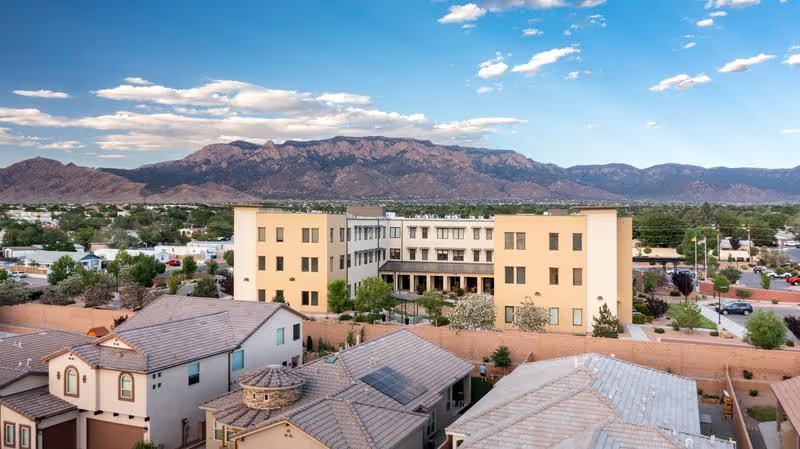
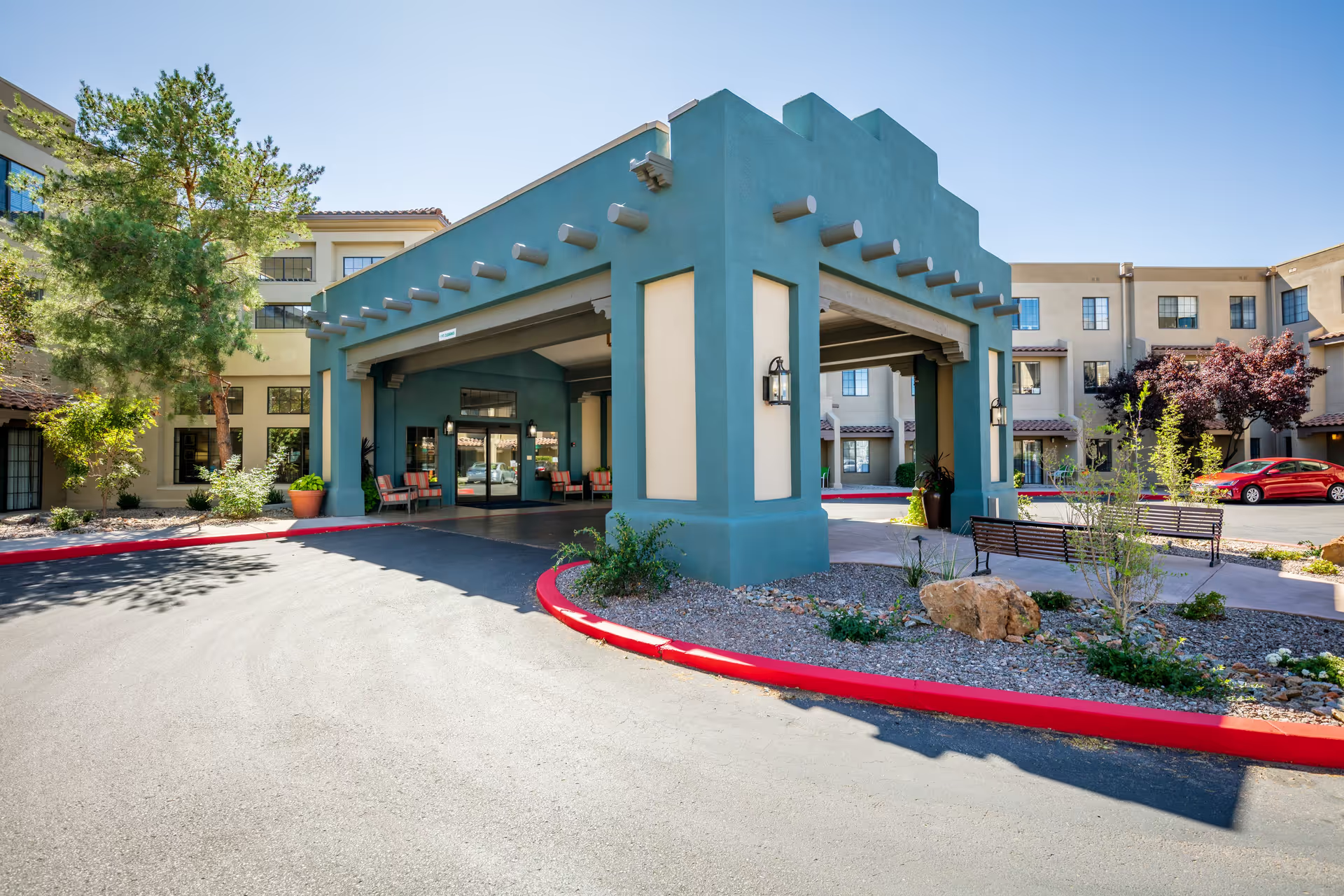
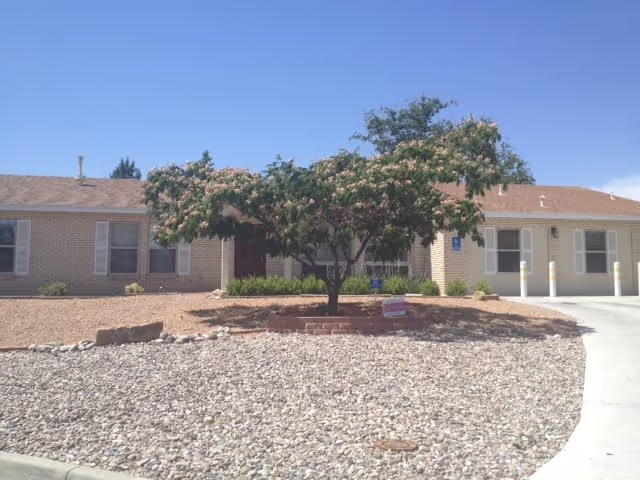
Ravenna Assisted Living elicits a mixed set of impressions. Many families describe a small, home-like community with compassionate, attentive caregivers who know residents by name, an active activities calendar (arts, crafts, physical therapy and social programs), outdoor access, and on-site amenities such as a salon. The facility is frequently described as clean and well kept, with a calm atmosphere and programming that supports social engagement and dementia-capable needs. Owners and long-tenured staff are credited by numerous families for being responsive and personally involved in resident transitions and daily operations.
At the same time, a recurrent operational pattern affects perceived quality of care. There are persistent concerns about responsiveness to call buttons and pagers, especially during night shifts, and reports of variable staffing levels and turnover that can leave residents without timely assistance. Multiple accounts indicate gaps in medication management and clinical oversight, and some families describe limited or inconsistent physician presence. These operational weaknesses have, in some cases, been associated with serious clinical events and hospital transfers; those accounts raise questions about incident response, medication administration protocols, and communication during clinical escalations.
Dining and activities receive mixed evaluations. Several families appreciate individualized meal accommodations and engaged activity staff, while others report inconsistent meal quality and reductions in programming after staff changes. Facility amenities such as courtyard spaces, salon services, and small-group activities are strengths, but some residents and families note that private rooms are small and that availability near preferred exits is limited.
Maintenance and facility operations show both strengths and lapses. Many reviewers praise the cleanliness and upkeep, yet there are repeated notes about slow repairs, utility disruptions (for example, hot water outages and occasional power issues), and intermittent odor or sanitation concerns in common areas. Administrative interactions are similarly mixed: some families describe proactive, problem-solving owners and clear communication; others experienced defensive responses or delayed follow-through when raising concerns. Billing transparency and extra-charge practices are also flagged as an area to clarify prior to move-in.
For prospective residents and families: the facility offers a strong, personalized environment with many examples of compassionate care and active programming, but there are documented operational risks to evaluate in person. Prioritize direct questions about nurse and physician coverage hours, call-response times and monitoring, medication-administration protocols, night staffing ratios, assistive-equipment availability, maintenance escalation procedures, and billing/included-service details. Visiting during different shifts and speaking with current families can help verify whether the facility's strengths are consistent and whether the operational concerns have been addressed to your satisfaction.