Reviews for Hudson Park Rehabilitation and Nursing Center show a marked divergence in family and resident experience. A recurring pattern is strong appreciation for specific staff members, therapy services, and certain aspects of admissions and activities, contrasted with repeated operational and clinical concerns. This mixed profile means prospective residents and families may have highly different experiences depending on unit, shift, and timing.
Care quality and clinical oversight present as inconsistent. Several accounts cite delayed responses to clinical needs, irregular medication administration, and gaps in follow-up after changes in condition. Reviewers also raised concerns about wound management and pressure-injury prevention, as well as transfers to acute care that families felt were avoidable. In contrast, the facility’s rehabilitation services — physical, occupational, and speech therapy — receive frequent praise for effectiveness in helping residents regain function.
Staffing and staff conduct are recurring themes. Many reviewers praised individual aides, nurses, and therapists for compassion and dedication; night-shift performance is noted positively by some families. At the same time, there are consistent reports of understaffing, high turnover, and variable staff attitudes that appear to affect continuity of care. These workforce issues are linked in reviews to longer response times, inconsistent personal-care routines (bathing and toileting schedules), and a need for family advocacy to secure timely attention.
Dining and activities are similarly variable. The facility offers structured daily activities, memory-focused programming, and a welcoming communal environment that some residents enjoy. Meal quality is described inconsistently: some families report comforting, homestyle options and adequate nutrition, while others describe poor meal presentation and interruptions in dining service. Activity programming and social engagement are generally viewed as a relative strength.
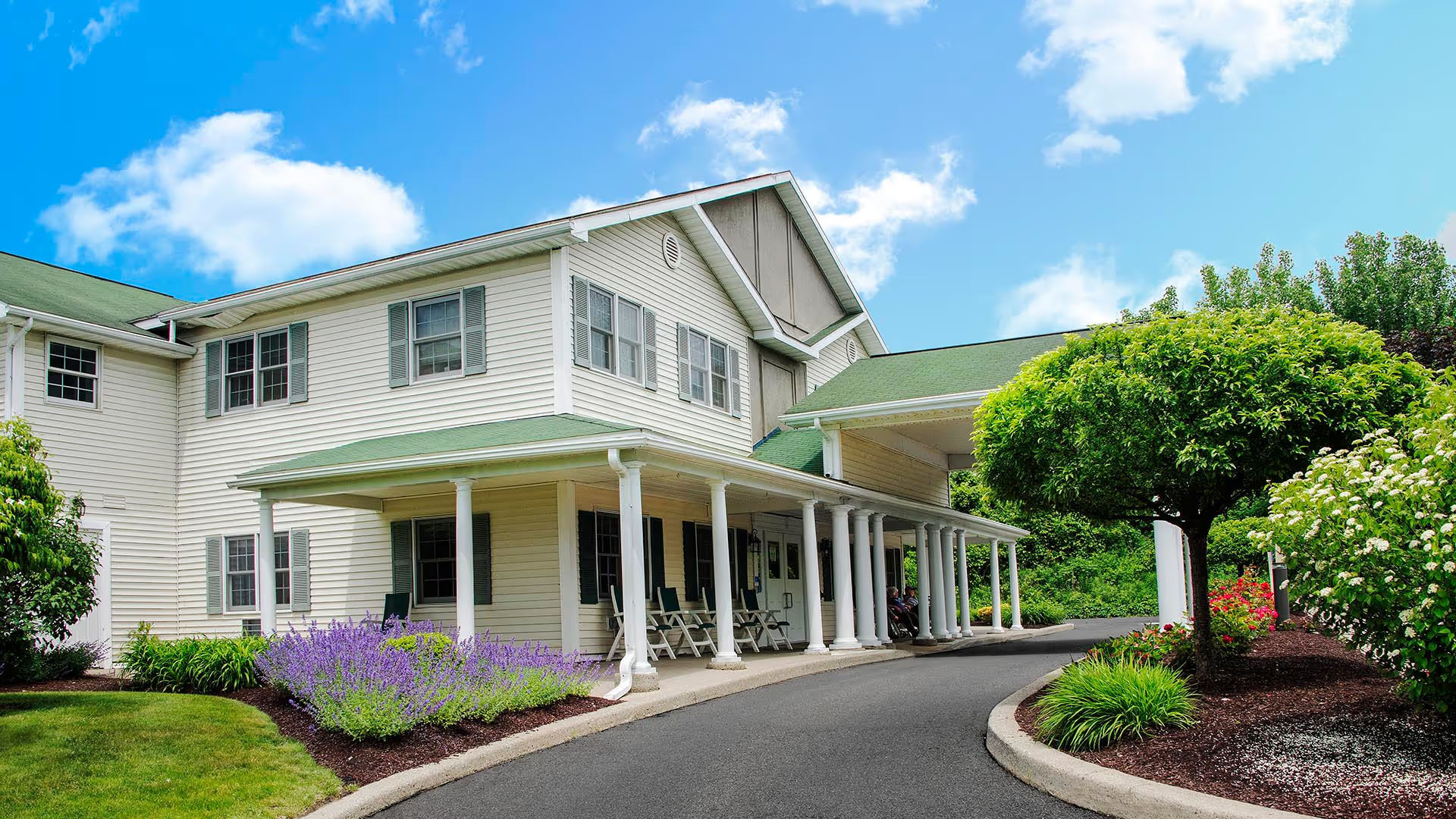
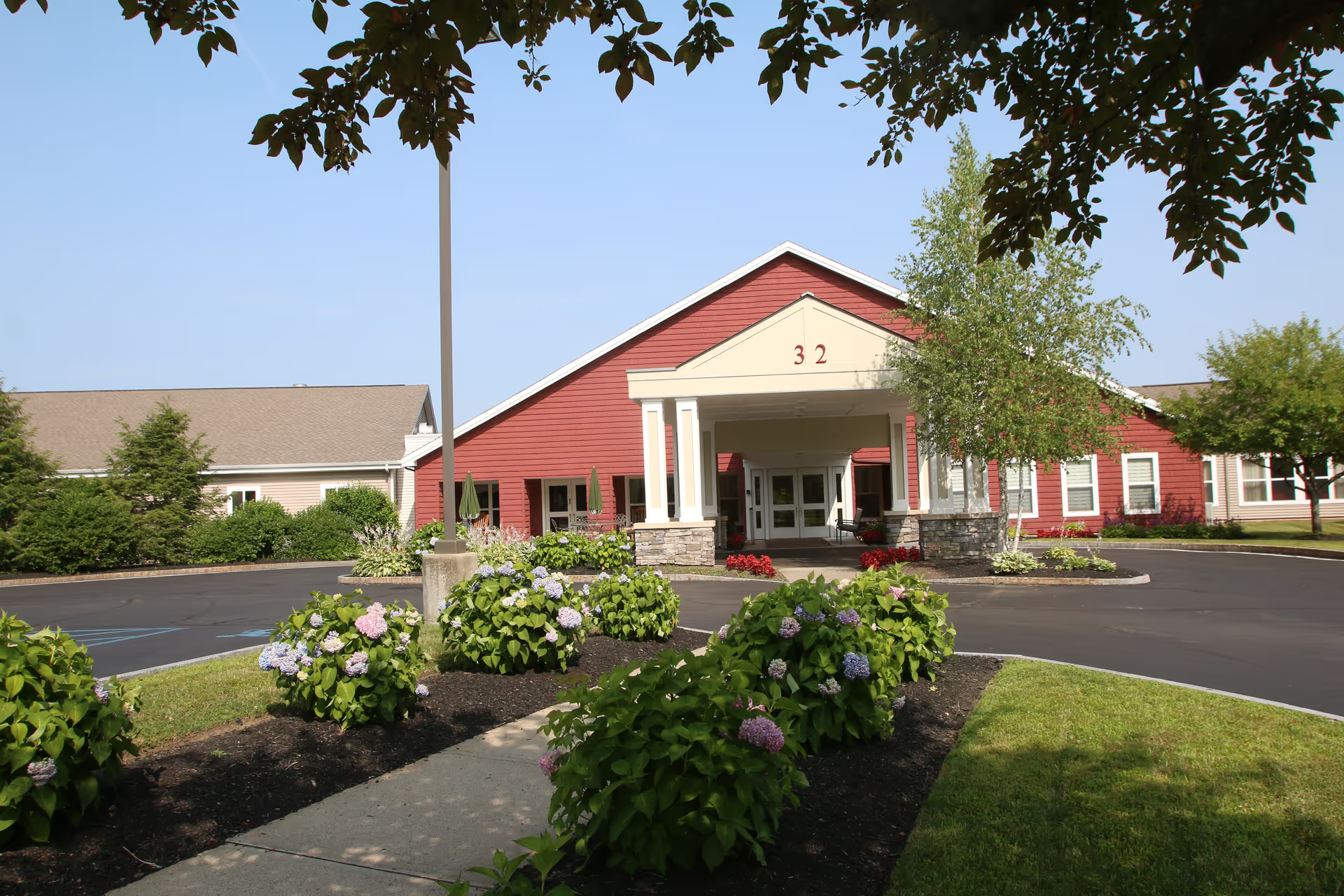
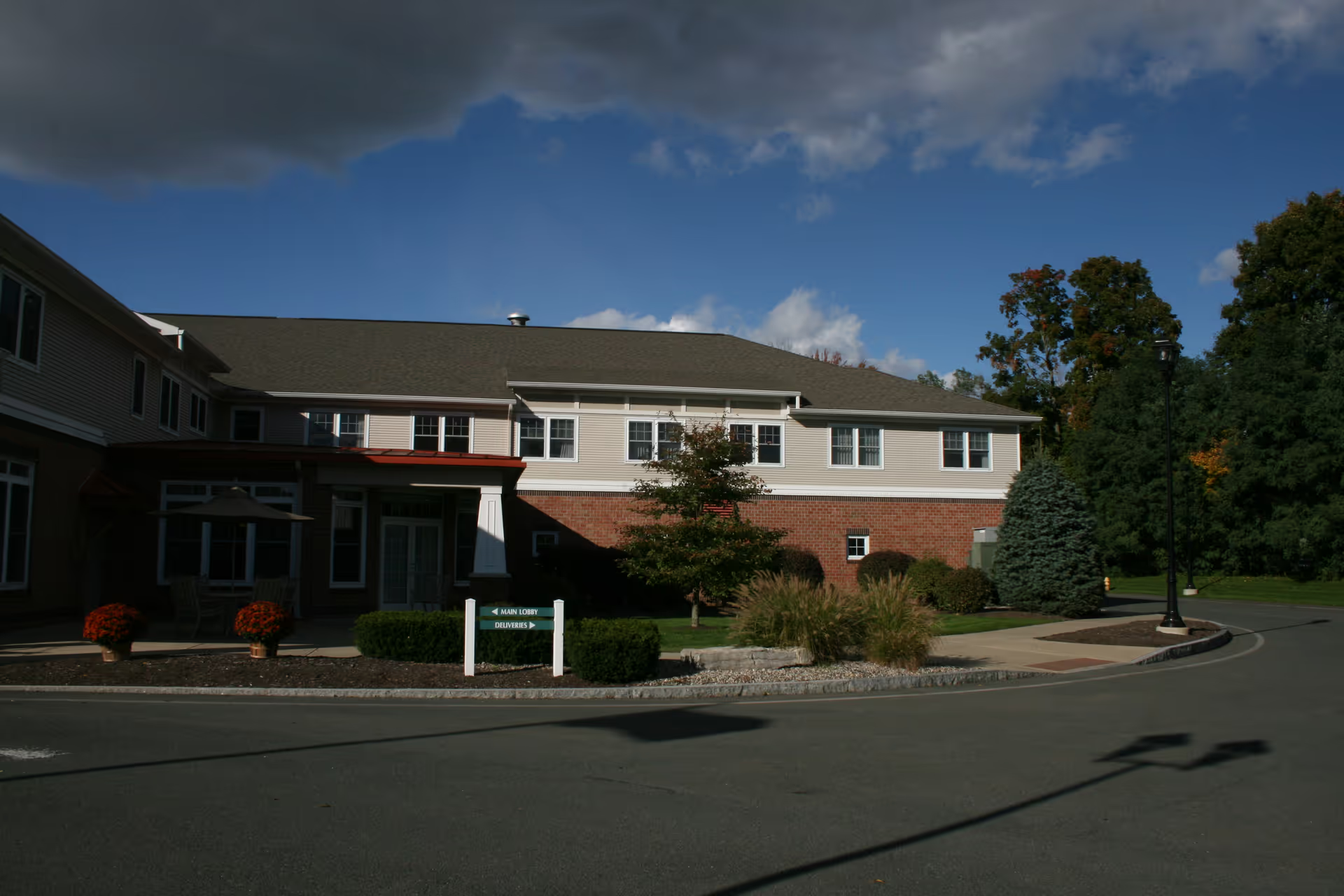
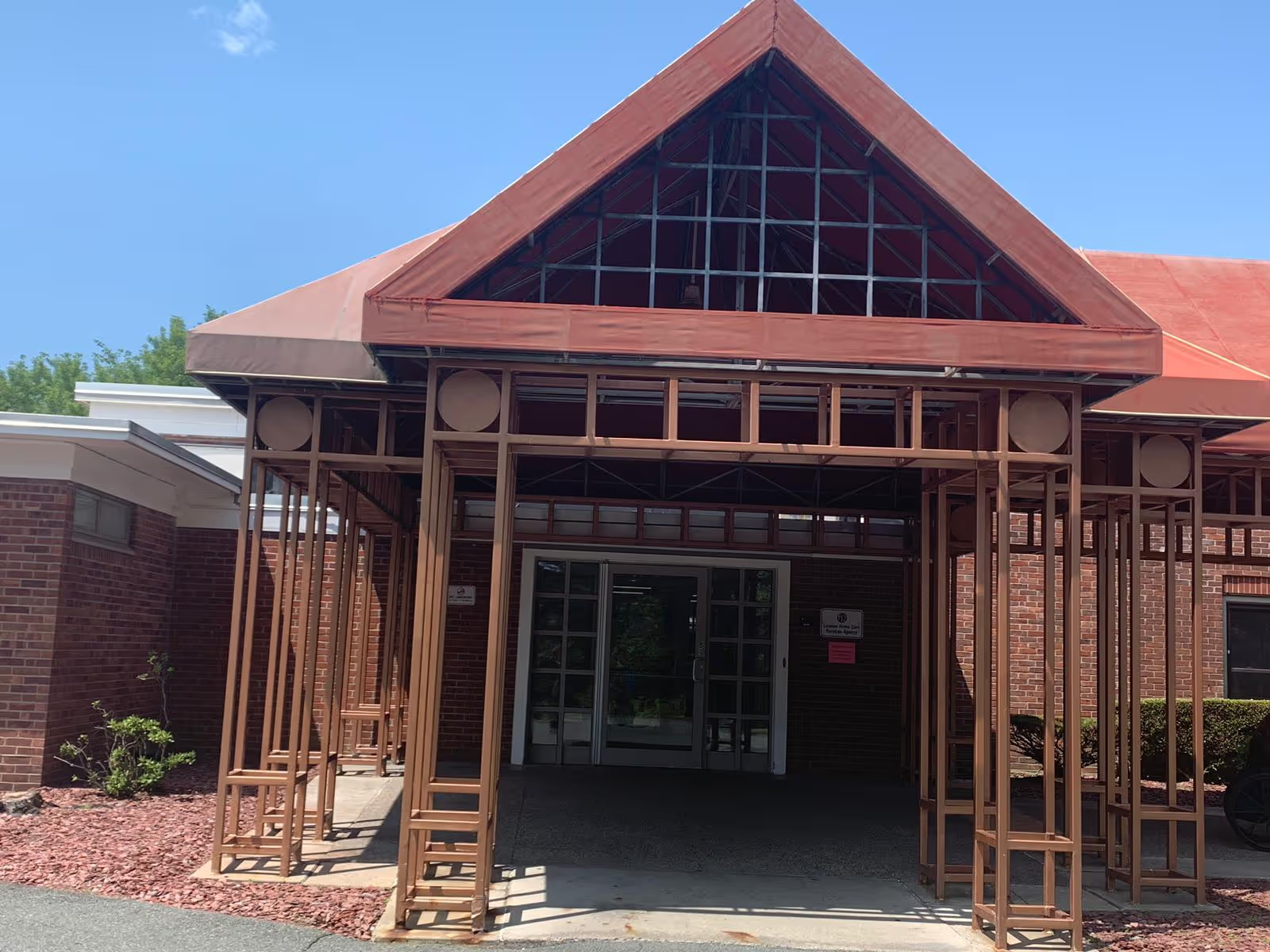
Facility condition, housekeeping, and maintenance recur as operational concerns. Reviewers note sanitation and odor-related issues in certain rooms and common areas, inconsistent housekeeping, and pest-control concerns. Infrastructure problems such as limited elevator availability, worn mattresses or air-relief devices, and intermittent maintenance problems were also described. Additionally, multiple accounts point to gaps in belongings accountability and laundry processes; there are allegations of missing items that families found difficult to resolve with staff or management.
Management, communication, and regulatory follow-through are prominent in the feedback. Families report inconsistent notification about clinical incidents, hospital transfers, and infection-status updates, and describe frustration with complaint resolution. A small number of reviewers referenced serious allegations related to medication dosing and missing personal items; these accounts were a significant source of concern and prompted calls for clearer oversight. Conversely, several reviewers praised the admissions team, social workers, and specific administrators for being approachable and informative during intake.
Overall, Hudson Park appears to offer strong rehabilitative programming and several committed staff members, but operational weaknesses — especially inconsistent clinical responsiveness, understaffing, sanitation and maintenance issues, lapses in family communication, and asset accountability gaps — temper those strengths. Families considering this facility should ask targeted questions about staffing ratios by shift, incident-notification protocols, on-site clinical coverage and pharmacy access, protocols for pressure-injury prevention and wound care, housekeeping and pest-control schedules, and inventory/laundry procedures to assess whether the facility’s current practices align with their expectations.