Experiences at this nursing and rehabilitation center are mixed, with a clear pattern of strengths in clinical rehabilitation and uneven performance in routine caregiving and operations. The facility receives repeated praise for its rehabilitation services: therapists and rehabilitation-focused programs were frequently described as skilled, adaptive, and effective in helping residents recover mobility. Several accounts also highlight competent RNs and LPNs, punctual therapeutic interventions, and helpful training in adaptive equipment and fall-prevention strategies. In some units staff responsiveness and bedside manner are described as compassionate and attentive, and certain individual employees were singled out for positive interactions.
Conversely, a recurring operational concern is staffing instability. Reviewers describe high aide turnover and a reliance on temporary agency staff, which correlates with inconsistent caregiver responsiveness—weekends were commonly identified as a particular weakness. These staffing patterns appear to contribute to delays or omissions in basic care assistance (including bathing, toileting support, and dressing), inconsistent administration of medications and pain management, and variable meal-assistance quality for residents with special needs such as modified diets or denture-dependent eating. Families noted that they often need to be vigilant about care and follow-up.
Management and communication patterns are another prominent theme. Multiple accounts describe difficulty escalating concerns, slow complaint resolution, and long phone-response times. Some families and former employees reported that raising issues with nurse supervisors or administration yielded little change. There are also isolated but serious operational concerns related to property and documentation control, including problematic handling of proxy paperwork and allegations of missing personal items; these issues suggest gaps in security and administrative processes that would merit formal review.
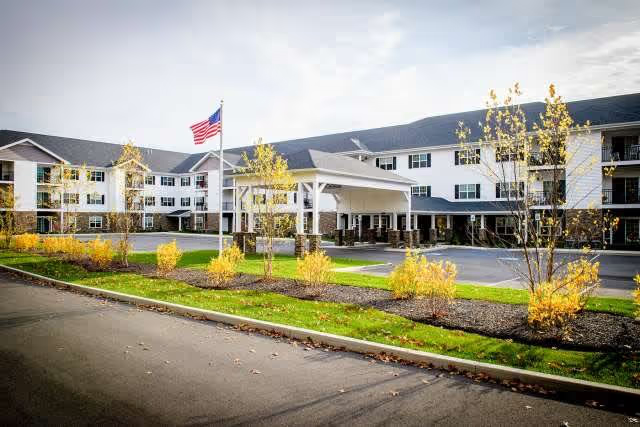
Facility-condition and infection-control issues appear intermittently. Several reviewers described an aging physical plant with limited central climate control and hot rooms, which can affect comfort and recovery. There were also accounts of COVID-related room-placement decisions and infection concerns that families found troubling; infection-control practices and cohorting decisions were described as inconsistent in some cases. Cleanliness of rooms and communal areas was praised in many reports, but sanitation and incontinence-care practices were noted as inconsistent in others, indicating variation by unit or shift.
Dining and activities are generally viewed positively where assistance is adequate: food quality and communal atmosphere, including calming music, received favorable comments. However, practical assistance at mealtimes (for residents who require help with dentures, feeding, or dietary restrictions) is an area of operational weakness. Staffing shortages and inconsistent CNA support appear to be the main drivers of these meal-assistance gaps.
Overall, the facility appears capable of providing high-quality rehabilitation and clinical nursing care in settings where staffing is stable and experienced personnel are present. The primary risk factors for prospective residents and families are the variability in caregiver availability and consistency, weekend and agency-staff coverage, and management follow-through on complaints and documentation. Families considering this center should weigh the strong therapy capabilities and positive staff experiences in some units against the documented variability in day-to-day caregiving, climate comfort, and administrative controls; active family engagement and clear expectations about staffing and communication channels are advisable. There were also isolated allegations of property/document mishandling that warrant attention and, if applicable, verification through facility leadership or regulatory channels.