Overall impression: Reviews of The Bristal Assisted Living at Bethpage present a mixed but coherent picture. Many families and residents emphasize strong relational care, a well-appointed physical environment, and robust programming; concurrently, a subset of accounts raises serious operational concerns that merit direct inquiry by prospective residents and their families.
Care and staff: The clearest strength across reviews is staff behavior and clinical support. Reviewers frequently highlight compassionate, professional caregiving, accessible front-desk personnel, and attentive leadership. The wellness team — including PT and OT — and the nursing station receive positive mentions for rehabilitation and clinical coordination. Several reviewers credit staff with helping residents settle, regain strength after rehab, and maintain dignity and engagement. At the same time, there are recurring notes of variability in staff training and reliability across shifts and units; this variability is linked in reviews to missed or delayed tasks and inconsistent bedside practices.
Dining and activities: Dining is commonly described as a strength: meals are characterized as nutritious, well-presented, and hotel-style, with additional bistro options. However, some comments note inconsistencies in meal delivery, assistance at mealtimes, and food temperature management. Activity programming is consistently praised — an active calendar, varied social hours, arts and events, and a sense of community are described as major contributors to resident quality of life, especially in memory-care programming.
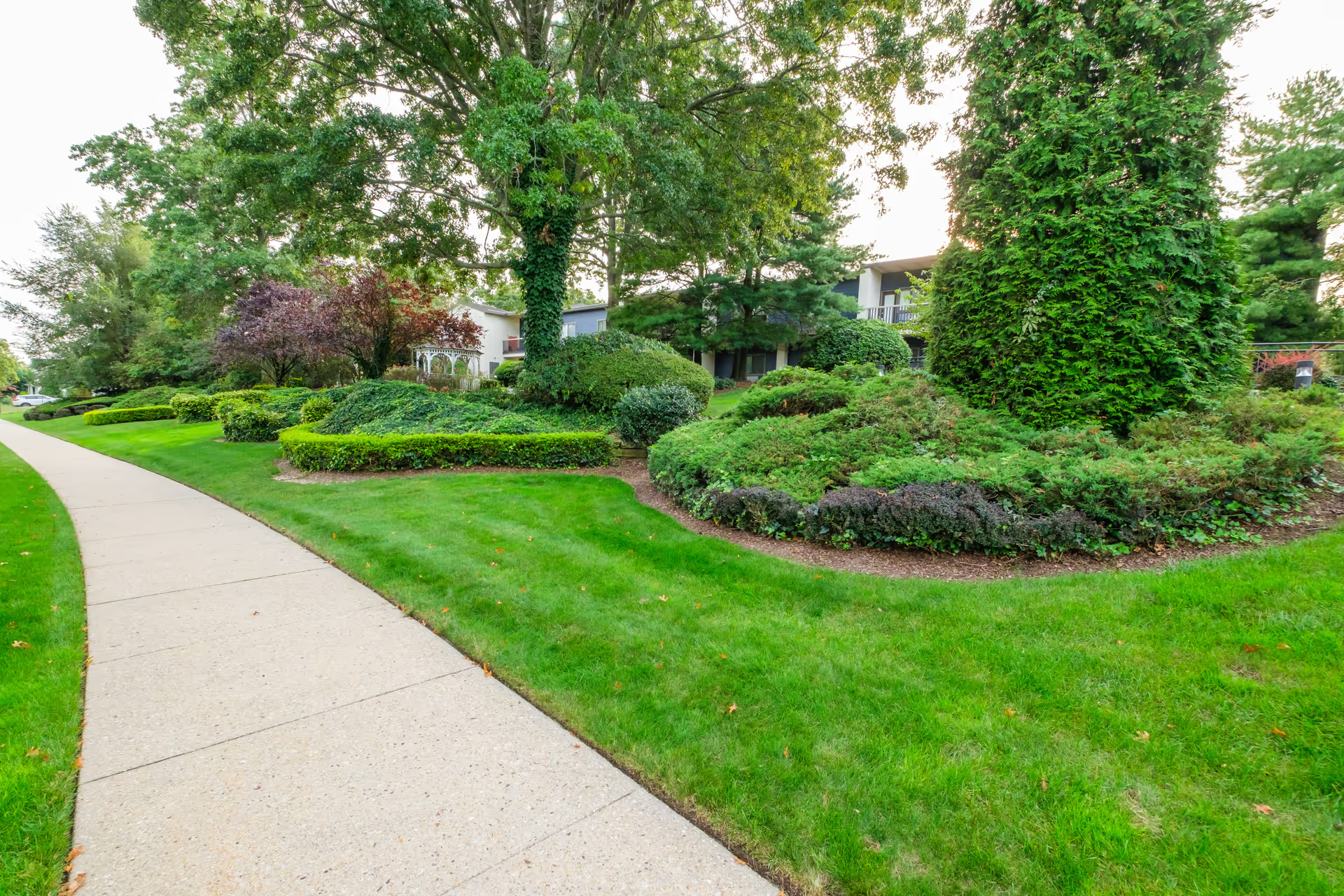
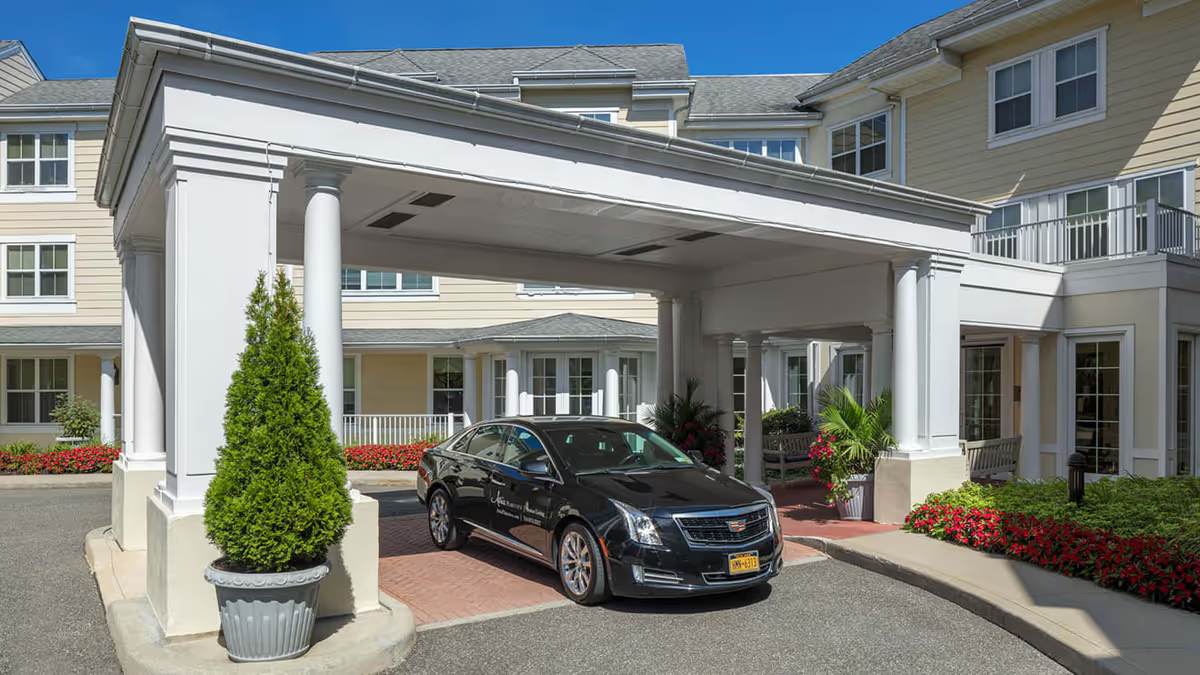
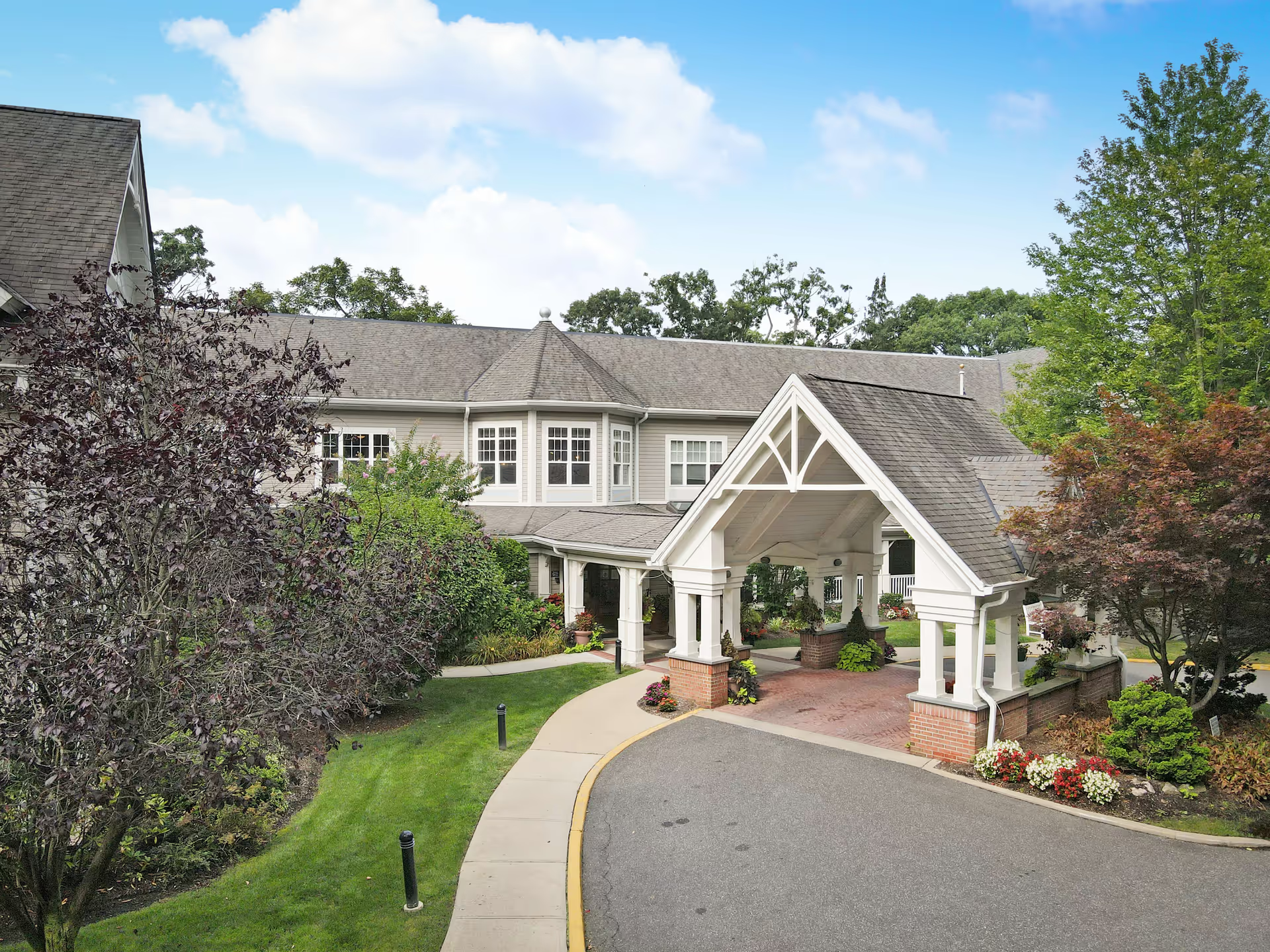
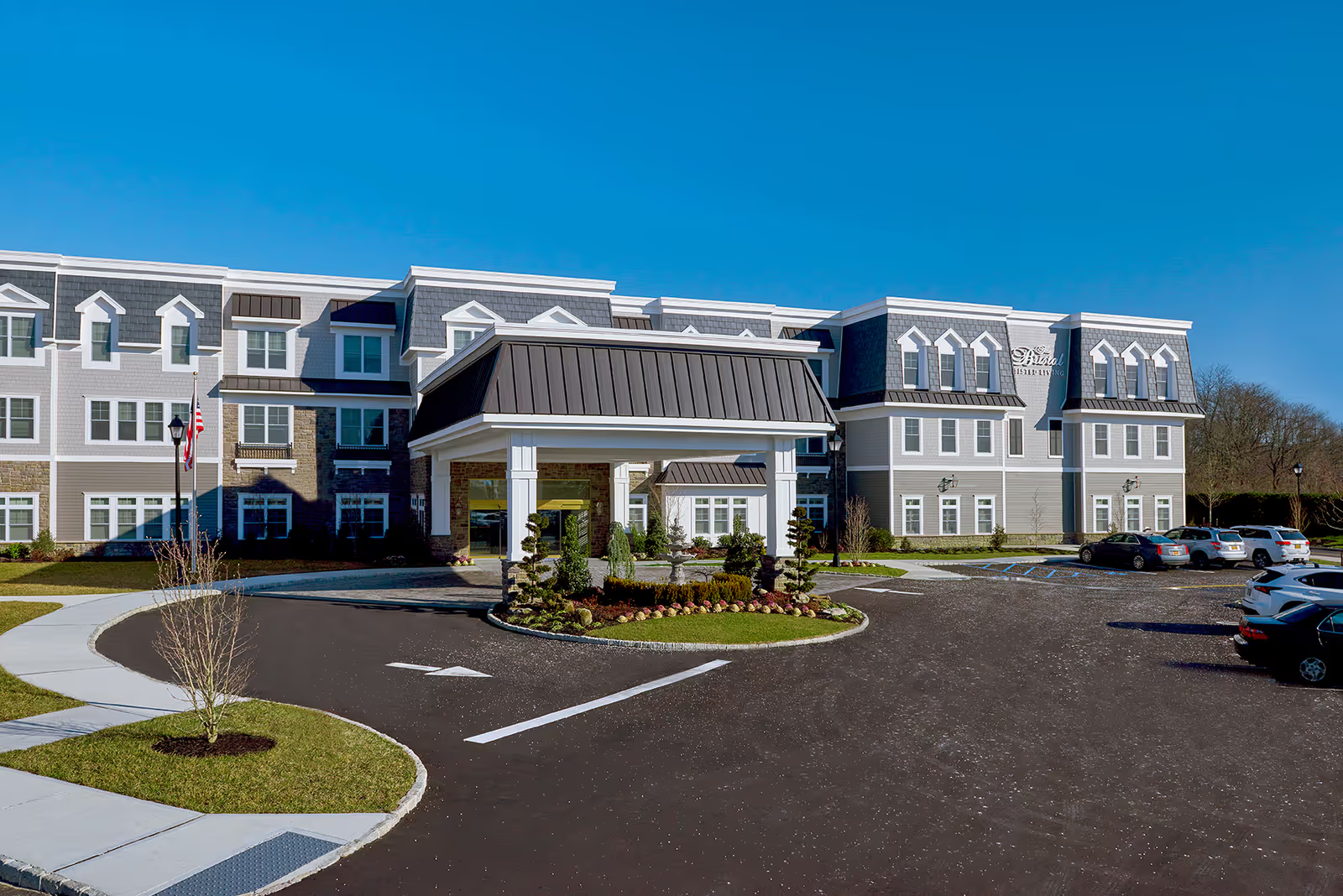
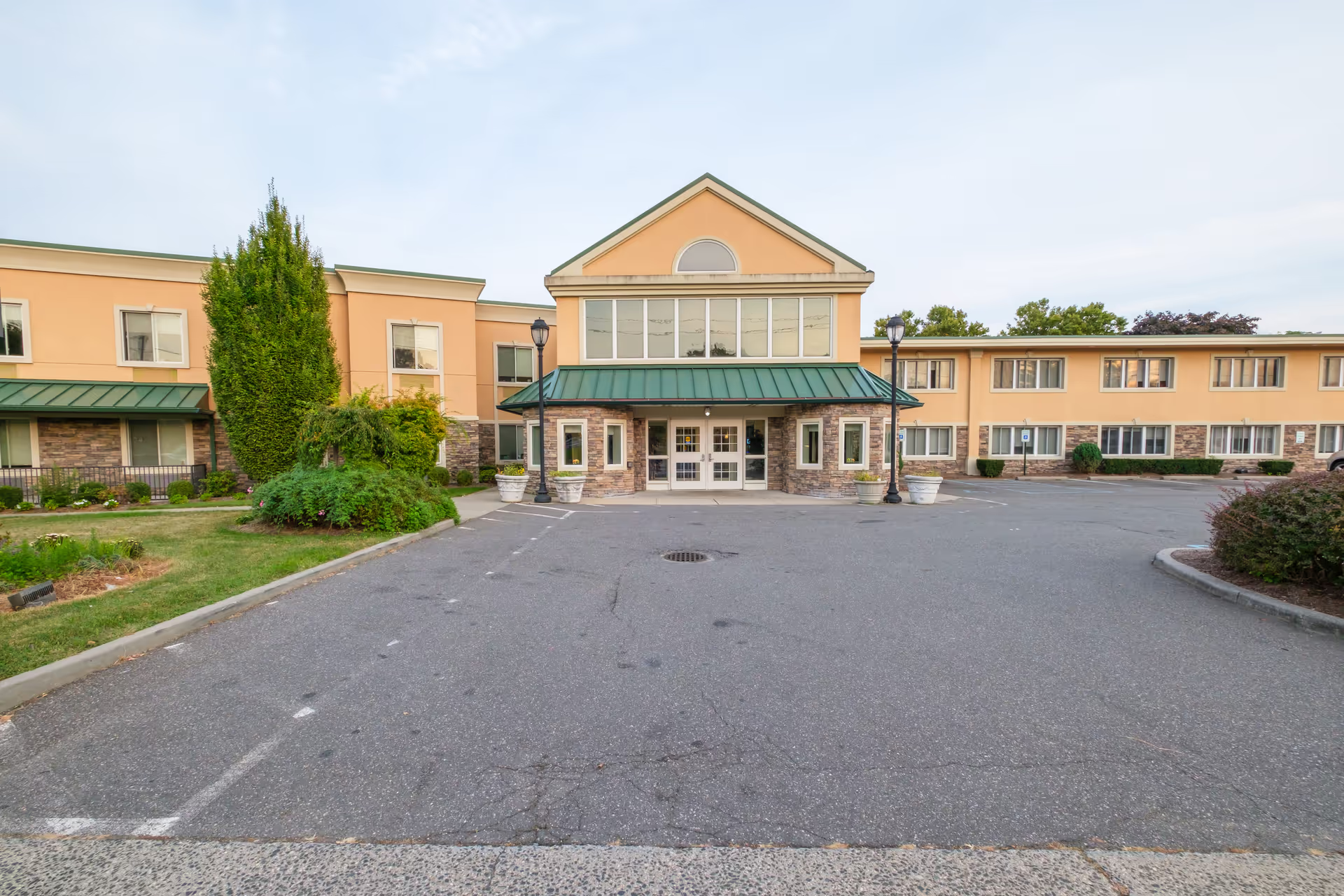
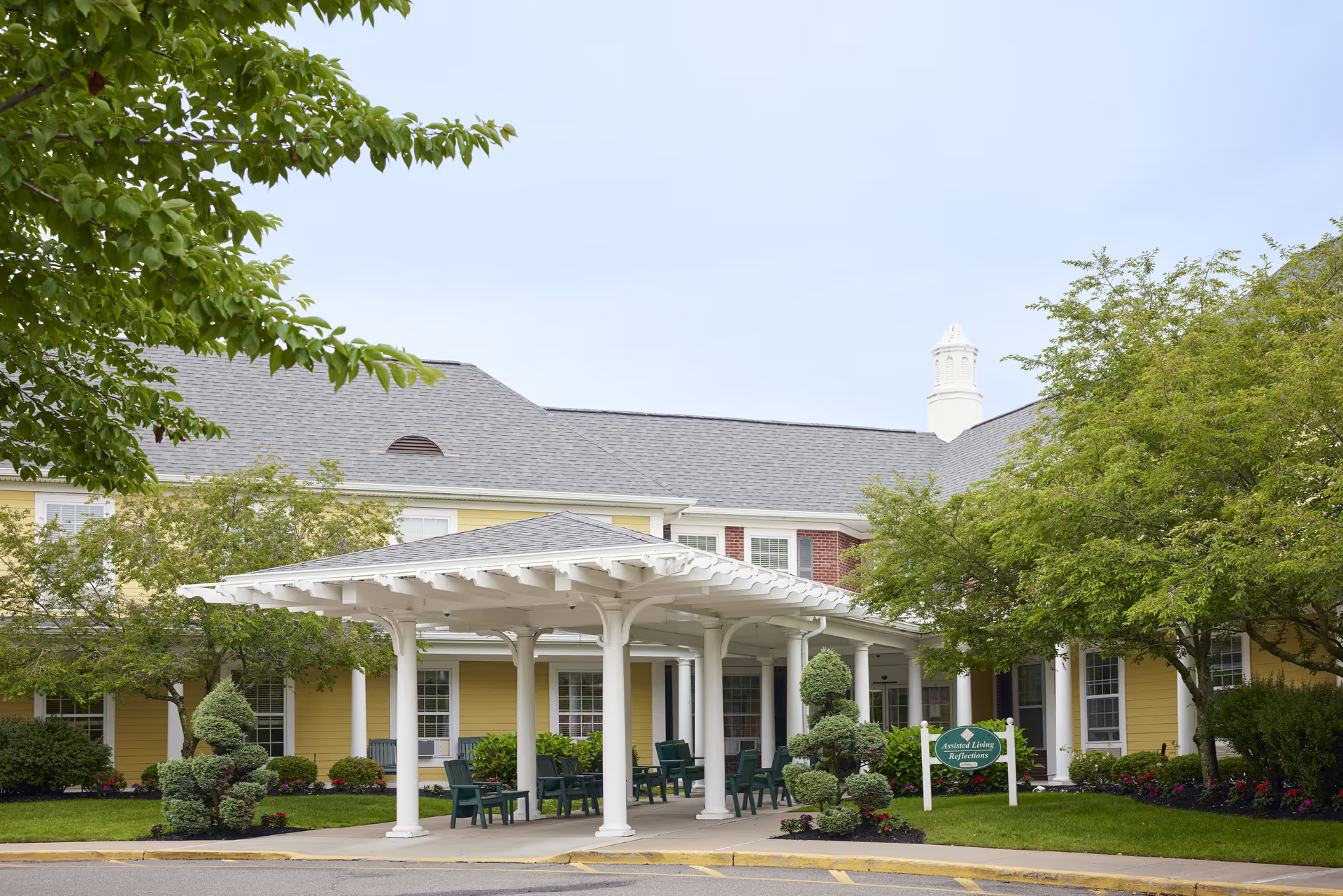
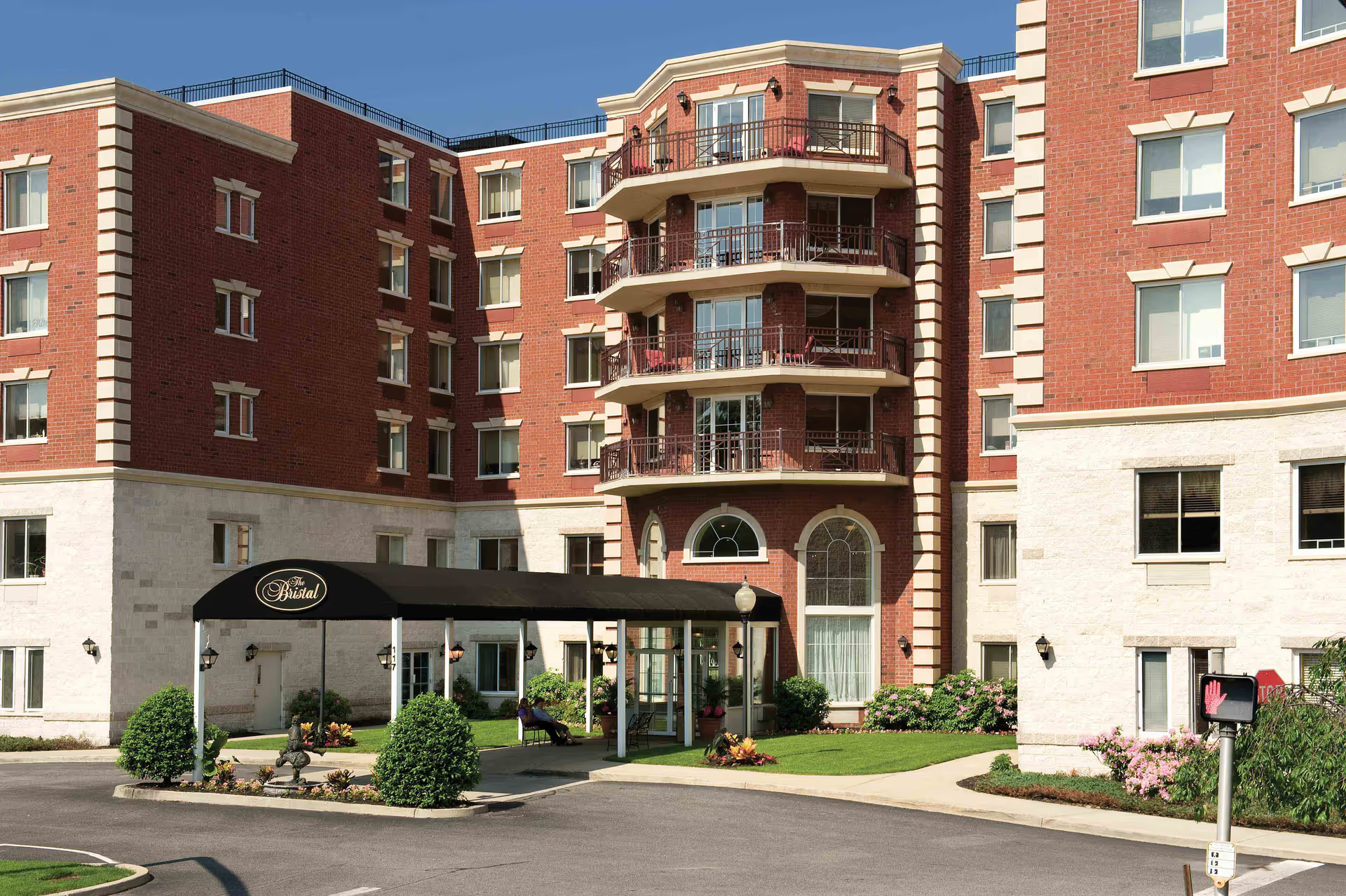
Facilities and safety: The physical environment is generally presented as upscale, bright, and well-maintained, with amenities such as a pool, gardens, and thoughtfully decorated common areas. Reviewers also cite effective housekeeping services and generally clean apartments. Nevertheless, several operational safety issues are raised: reviewers allege environmental design limitations (for example, flooring and sensor placement) that affect mobility risk, and there are multiple mentions of falls and concerns about fall-prevention practices. Medication storage and administration processes are another area of concern, including notes about unsecured medications and administration errors; these suggest gaps in medication-control systems.
Management and operations: Many accounts praise management for responsiveness and clear communication, particularly during move-ins and care transitions. Conversely, others describe operational inconsistency, including communication breakdowns, administrative disorganization, and uneven follow-through on family requests. Property-security and personal-item controls are also noted as a weakness, and a small number of serious allegations — including theft and concerns about staff conduct — appear in the record and should be treated as individual but significant items for follow-up.
Notable patterns and guidance: The aggregate pattern is one of strong relational and programmatic strengths paired with operational vulnerabilities that can materially affect resident safety and personal property. Prospective families should weigh the evident advantages in staffing culture, amenities, and activities against the documented operational gaps. Practical next steps include asking for written policies on medication administration and storage, fall-prevention protocols, staff training and turnover rates, procedures for handling personal property, incident reporting practices, and recent inspection or compliance history. In-person visits that observe mealtime assistance, medication carts, staff interactions across shifts, and unit-level cleanliness will help clarify how consistently praised strengths are realized and whether the operational concerns have been addressed.