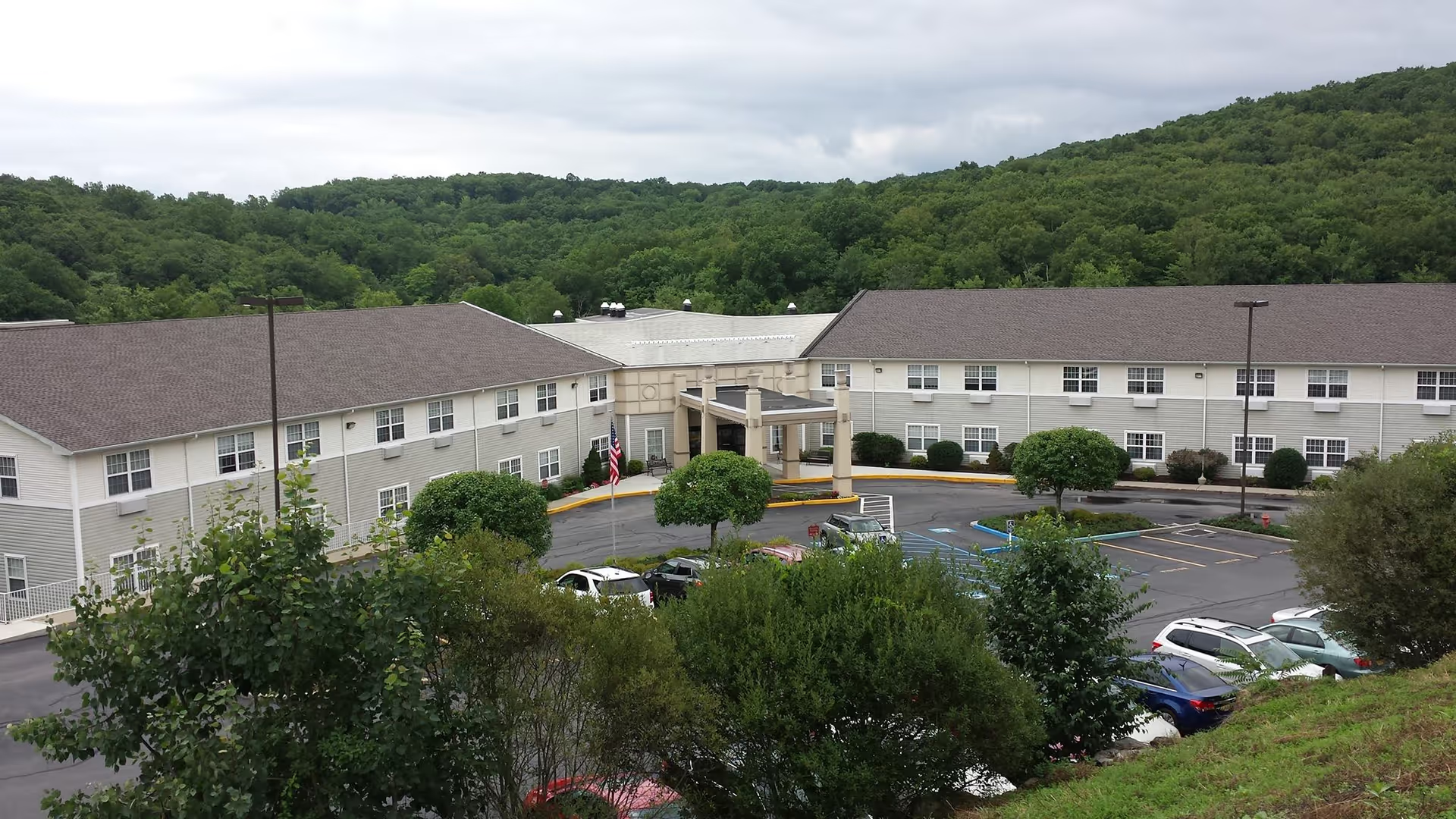
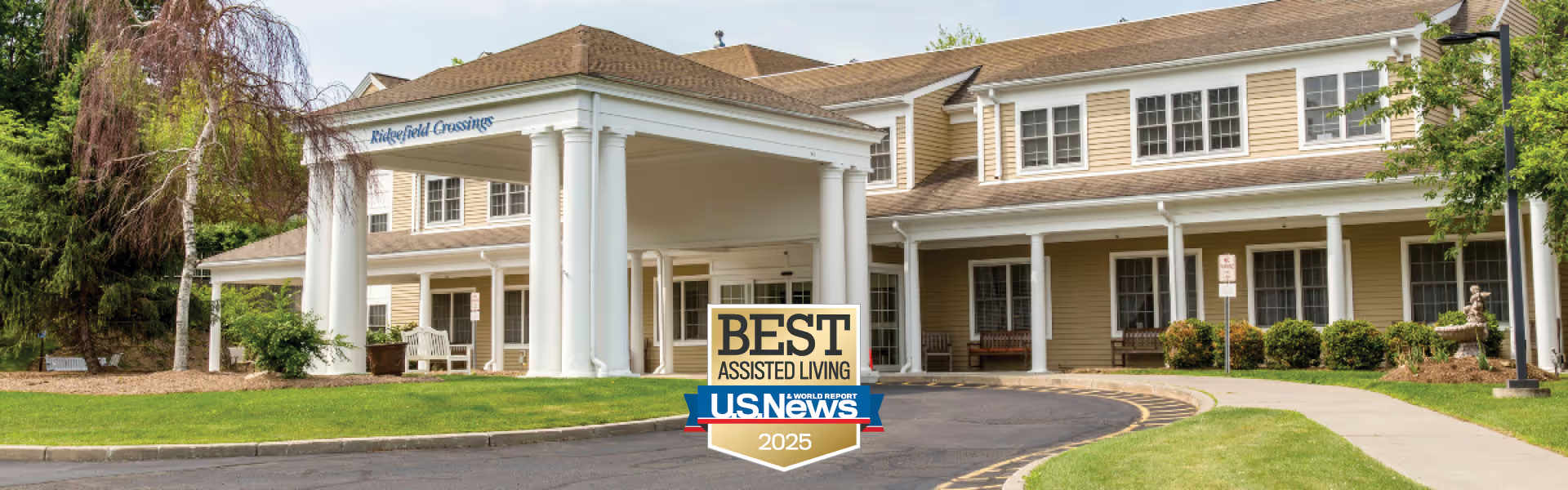
The reviews describe a facility with clear strengths in rehabilitation, therapy services, and many aspects of daily caregiving, alongside operational weaknesses that repeatedly affect family confidence. Putnam Ridge is frequently praised for its physical and occupational therapy programs, dedicated therapists, a well-appointed gym, and measurable mobility gains for residents. Families also highlight compassionate nursing and aide interactions, strong social-work support, reliable dialysis care, and a generally clean, attractive campus with pleasant outdoor spaces and views.
Clinical quality descriptions are mixed. Several families reported highly skilled, attentive nurses and aides who provided life-saving interventions and close end-of-life comfort, while other accounts describe inconsistent nursing oversight, gaps in clinical assessment on admission, and documentation or wound-care follow-through that did not meet expectations. Medication administration and routine clinical tasks were called out as areas with delays or inconsistency; these operational shortfalls, where they occur, have clinical implications and merit specific inquiry during a tour.
Dining and nutrition are another mixed area. The facility has an engaged dietician/nutritionist and some families praised individualized meal planning and improved food service; however, inconsistent meal temperature and variable food quality were recurring concerns. Operational aspects of dining are also shadowed by facility layout notes — reviewers pointed to the kitchen’s proximity to non-dining operations, and some expressed related sanitation or odor concerns in portions of the building.
Activity programming and the environment attract positive comments about engagement opportunities and a family-like atmosphere. Many residents participate in bingo, arts, and music, and staff-led activities are often described as abundant and meaningful. That said, a subset of accounts characterizes the long-term area as less stimulating and more institutional, indicating variable consistency in programming and resident engagement depending on unit and staffing levels.
Management and operational patterns are uneven. Some reviews commend strong management, consistent staff retention in certain departments, and transparent communication. Conversely, others note administrative unresponsiveness, phone/system issues, laundry and personal-property management problems, and inconsistent admission orientation practices. Staffing shortages and scheduling instability underpin many of the negative operational reports and appear to be a root contributor to variability in care, response times, and activity delivery.
Notable patterns for prospective residents and families to evaluate in person include staffing levels and shift coverage (especially on nursing units), clinical assessment and documentation practices on admission, infection-control and sanitation protocols for dining and common areas, secure-unit access controls, meal-service timing and temperature controls, and the facility’s approach to family communication and discharge planning. Overall, Putnam Ridge demonstrates considerable capacity for high-quality rehab and compassionate caregiving but shows persistent operational inconsistencies that should be assessed directly during a visit and by asking targeted questions of administration.