The reviews present a strongly mixed picture of Fordham Nursing and Rehabilitation Center. A clear and recurring strength is the facility's rehabilitation program: many families and former patients praised physical and occupational therapists for skillful, goal-directed care that led to measurable functional gains and successful discharges home. Specific therapy disciplines (PT/OT and speech) and numerous named clinicians received consistent positive feedback, and several reviews emphasized rapid improvement and strong coordination around therapy goals. Social work and family communication were also frequently cited as sources of reassurance and helpful information during stays.
Clinical care and nursing practice show substantial variability. Positive accounts describe attentive daytime nurses, responsive charge nurses, competent CNAs, and prompt clinician responses. However, other accounts indicate inconsistent staffing levels, especially on evenings and weekends, leading to delays in response to calls for help and gaps in routine checks. Reviewers described problems that point to systemic weaknesses in medication processes and clinical monitoring—examples include missed or delayed medications, inconsistent glucose monitoring for patients with diabetes, and care coordination lapses that contributed to rehospitalization in some cases. These describe operational patterns rather than isolated events and suggest areas where clinical protocols and oversight could be strengthened.
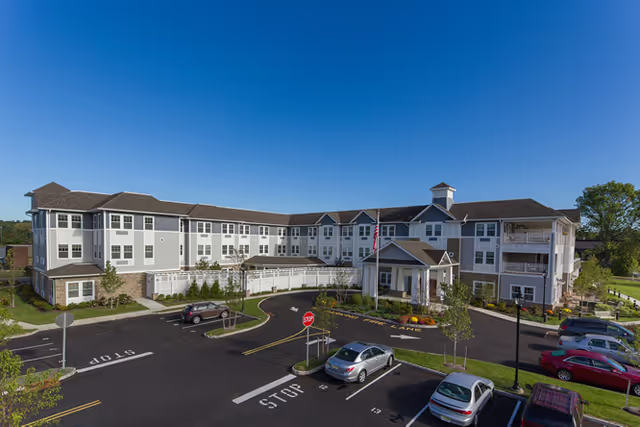
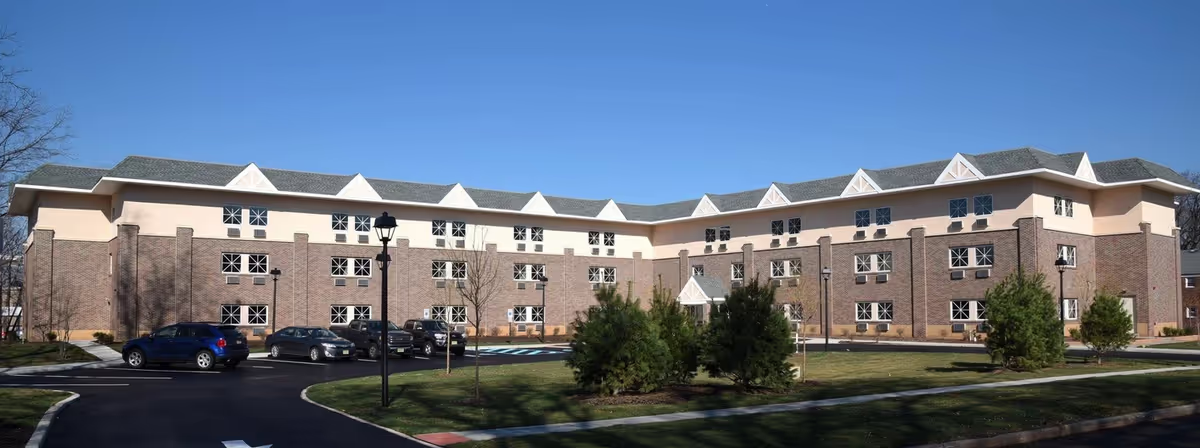
Sanitation and environment feedback is likewise mixed. Many reviewers praised recently renovated areas, clean rooms, and a pleasant, well-maintained atmosphere in portions of the building. Conversely, other reviewers raised sanitation concerns, including housekeeping inconsistencies and pest-control concerns in some units or common areas. There were also comments about odor concerns and incontinence-care delays; these indicate uneven standards of housekeeping and incontinence management across shifts or units rather than a uniform facility condition.
Dining and meals elicited divided opinions. Some families found food service adequate and appreciated the cafeteria improvements, while others described inconsistent meal quality and delivery problems. Meal-service reliability and resident access to food appear to fluctuate, which may relate to staffing constraints or kitchen processes. Activity programming is a clear positive for many residents: regular, room-based and group activities (bingo, music, cards) and active activity coordination were noted as beneficial to resident engagement and morale.
Safety, transport, and discharge planning were areas of concern in multiple accounts. Reviews referenced transportation procedures and discharge coordination gaps, including instances where safe-transport practices and pre-discharge planning seemed insufficient. Such descriptions point toward opportunities to standardize transfer protocols, seatbelt/transfer safety, and confirmation of post-discharge arrangements. Some reviews also raised concerns about care in higher-acuity or dementia populations, highlighting the need for improved staffing, training, and behavioral-support resources in those units.
Management and culture appear inconsistent from shift to shift and across departments. Many reviewers complimented specific, compassionate employees and praised the front-desk/security teams and maintenance staff. Others described problematic staff conduct, poor communication tone, and instances where staff responsiveness was lacking. A small number of reviews referenced serious alleged incidents that prompted police or regulatory attention; while these appear to be isolated, they warrant further inquiry by prospective families. Renovation and improvement efforts were noted and appreciated in several accounts, indicating active facility investment.
In summary, Fordham demonstrates clear strengths in rehabilitation outcomes, individual clinician skill, and pockets of high-quality, family-centered care. At the same time, persistent operational issues—staffing variability, medication and monitoring gaps, sanitation and pest-control inconsistencies, dining reliability, and transport/discharge procedures—emerge as recurring themes. Prospective residents and families should weigh the facility's strong therapy capabilities and specific staff strengths against these operational risks, ask about current staffing levels and quality-improvement measures, and consider an in-person tour focusing on cleanliness, medication/pharmacy processes, and discharge/transport protocols before placement.