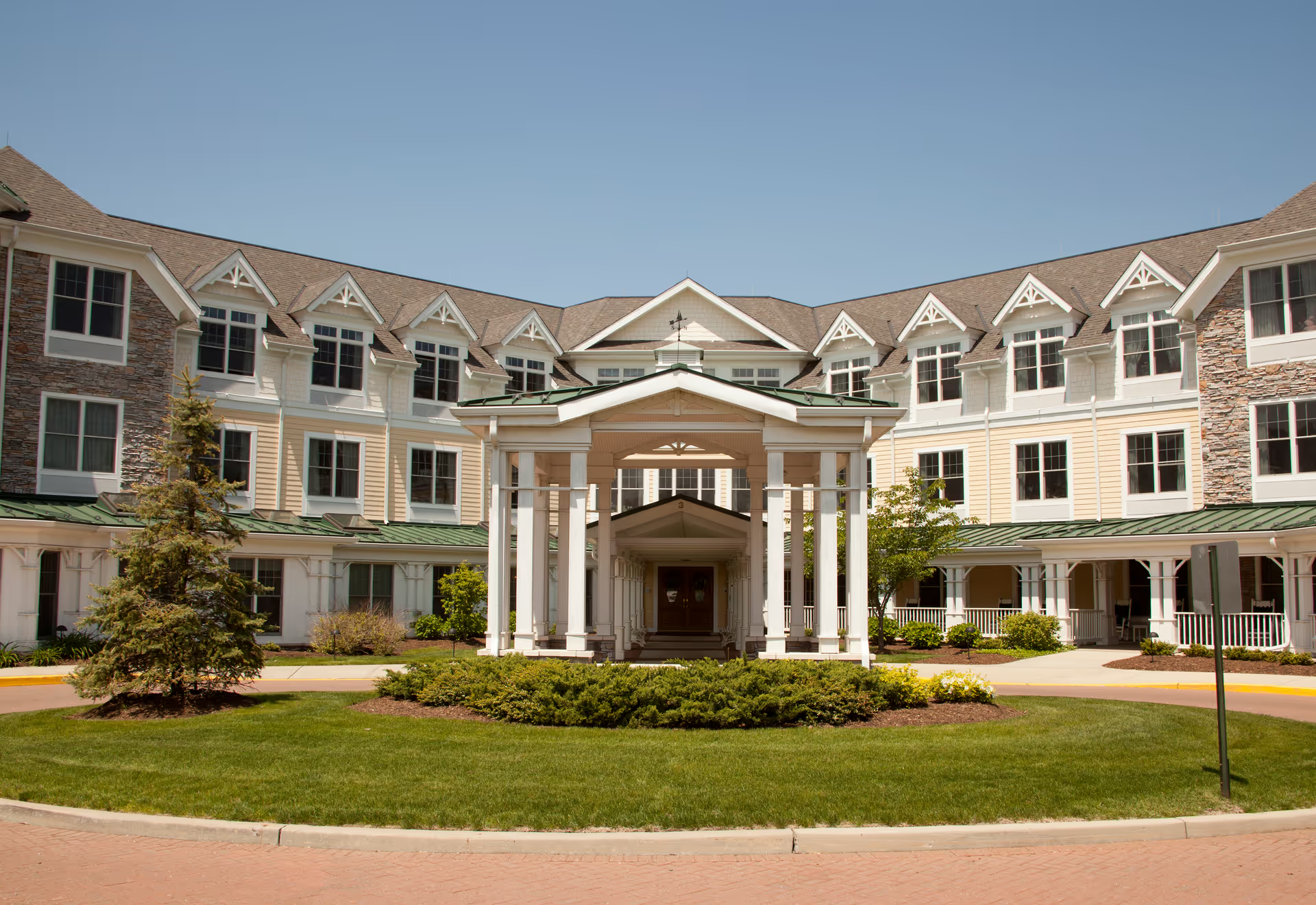
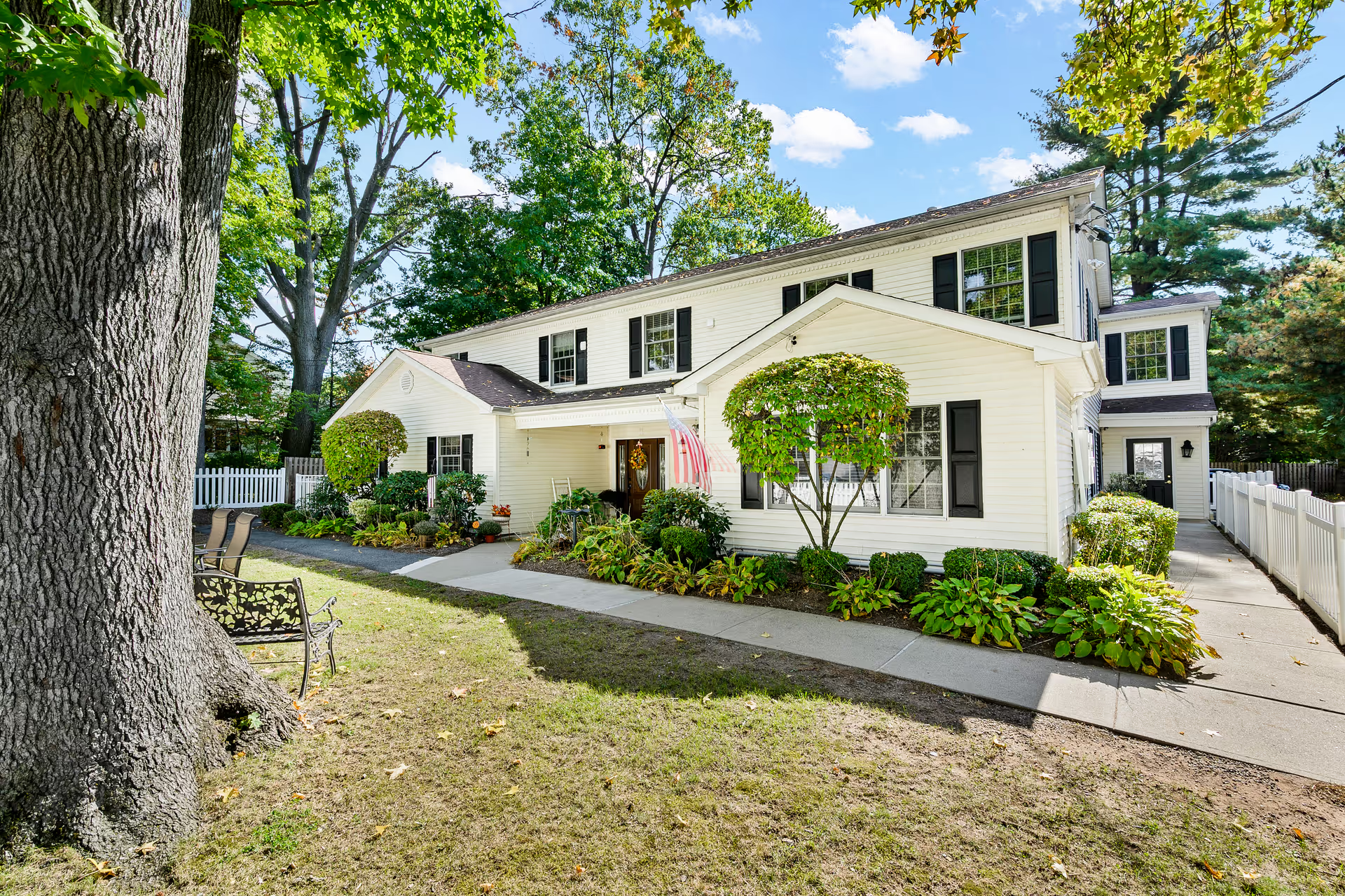
Reviews of Hudson Pointe at Riverdale Center for Nursing and Rehabilitation present a markedly mixed picture. Many families describe clear strengths: individual nurses, aides and therapists who provide compassionate, attentive care and effective rehabilitation services; an engaging activities program with music, movies and social events; convenient visiting hours with complimentary family meals; and an efficient admissions and front-desk experience. The facility also has elements that reviewers found reassuring, such as medication monitoring systems, a smaller-scale atmosphere that some families found personal, active renovation efforts, and secure check-in procedures.
At the same time, a consistent pattern in the feedback points to operational weaknesses that affect quality of care. Staffing emerged as a central issue: reviewers described variability in staff competence and tone, frequent short-staffing or shift-coverage gaps (including overnight coverage concerns), and inconsistent responsiveness to clinical changes. These staffing problems are tied in several accounts to delays in escalation of care for infections, fever, low oxygen or changes in condition, and to inconsistent follow-through on therapy plans and timely transfers to higher-level care when needed.
Sanitation, maintenance and safety were frequent themes. While some public areas and dining rooms were described as clean and well kept, other areas and private rooms were described as having cleanliness issues, odor concerns, and signs of deferred maintenance such as cracked tiles, damaged fixtures, exposed ceiling panels/wiring and broken furniture. Reviewers also raised pest-control concerns and noted safety hazards that included cluttered hallways and inconsistent use of fall-prevention measures. Several comments described incontinence-care delays, inconsistent bathing schedules, and lapses in personal-care routines, which families identified as quality-of-care concerns.
Dining and activities are another area of contrast. Multiple reviewers praised the food, family meal provisions, and the active programming; others found meal temperature and menu appeal inconsistent. Similarly, therapy and rehabilitation were reported as effective for many residents, but some families described interrupted or discontinued therapy and missed specialty appointments, indicating variability in service continuity.
Management, communication and administrative responsiveness showed substantial variability across accounts. Positive reports highlight helpful social work and discharge coordination, a responsive admissions director and improvements under new leadership. Negative accounts describe poor interdepartmental communication, voicemail and callback failures, disagreement or unhelpful interactions with social workers, difficulty arranging transfers, and at least one allegation of financial or insurance misuse. Taken together, these indicate inconsistent leadership follow-through and communication practices.
Notable patterns: the facility elicits strongly polarized experiences—some families express satisfaction with clinical outcomes, cleanliness, and compassionate staff, while others report systemic operational issues that materially affected resident wellbeing. Given this mixed profile, prospective residents and families should tour the site in person, observe staffing on different shifts (including nights), ask about specific policies for wound and infection management, incontinence care, staffing ratios, fall prevention and safety inspections, pest-control and maintenance schedules, therapy availability and continuity, and the facility’s process for handling clinical escalations and family communication. Asking for recent quality metrics, inspection reports, and references from current families may help clarify whether the positive practices or the concerning patterns are more consistent at the time of placement.