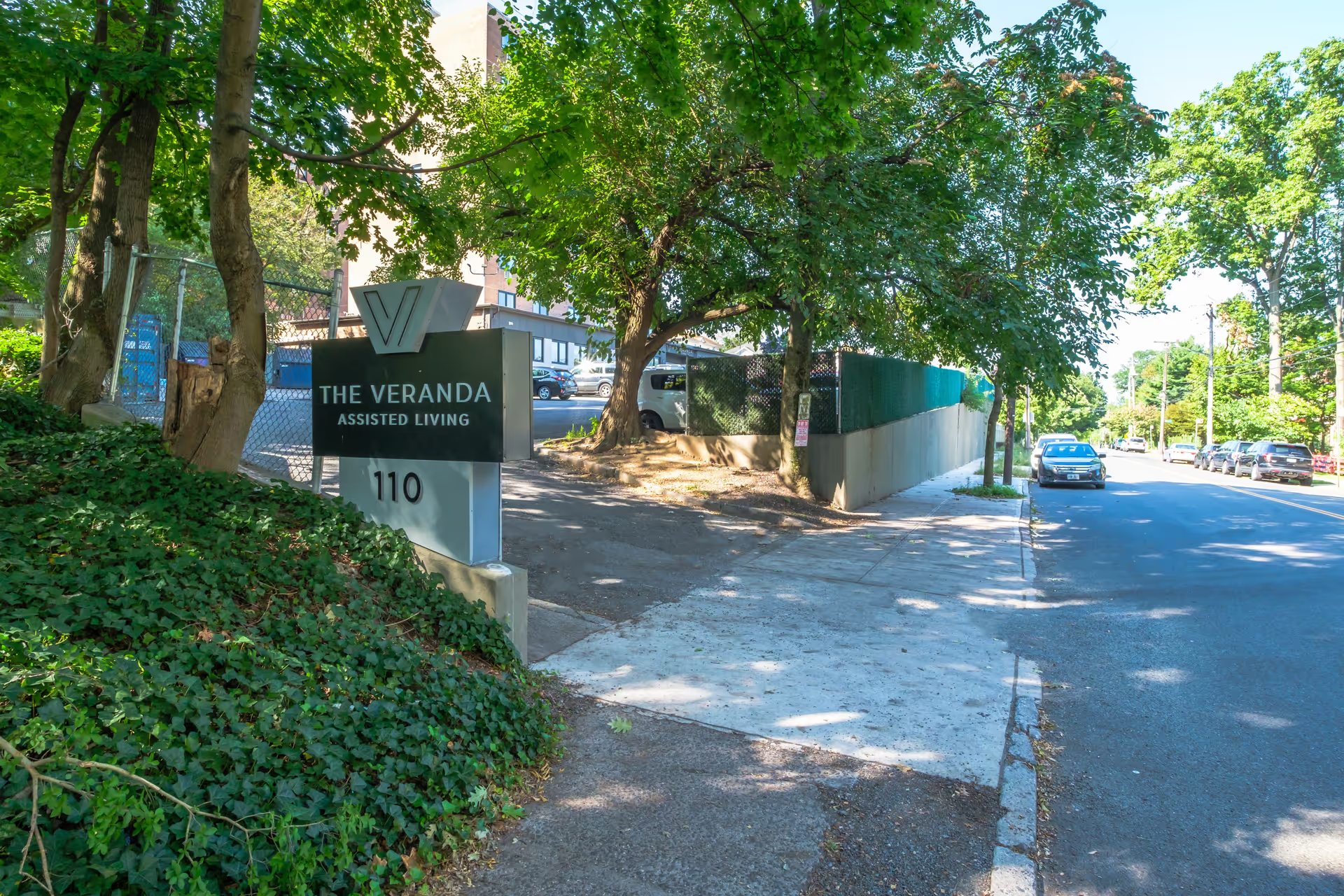
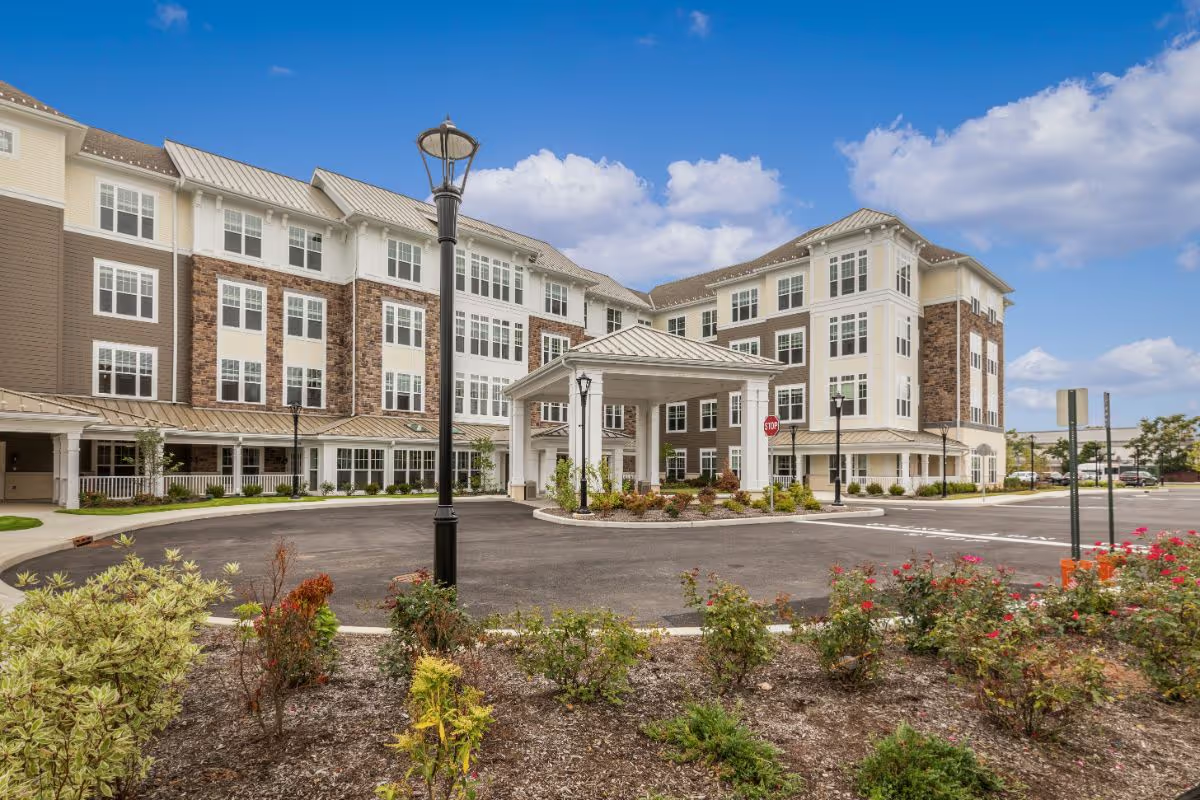
Overall impression: Reviews describe a facility with a clear set of strengths—clean, hotel‑like residences, a secure building footprint, on‑site amenities and social spaces, and a strong cohort of staff who many families characterize as warm, knowledgeable and personally attentive. The community’s focus on kosher dining and religious accommodations is repeatedly noted as a fit for those seeking culturally specific services. For many residents the environment is described as homelike, with staff who know residents by name and engaging social opportunities such as bingo, puzzles and courtyard time.
Care quality and clinical oversight: There is a notable split in accounts about clinical and safety practices. Positive accounts emphasize compassionate, competent caregiving, 24/7 clinical availability, and staff who go above and beyond. However, other accounts indicate operational gaps: inconsistent staffing levels (especially at night), delays in responding to calls, and concerns about medication management and clinical monitoring. These operational gaps appear to be associated with adverse events in individual cases and create variability in family experience. Prospective families should verify staffing ratios, clinical supervision, and incident‑reporting practices during a tour.
Staff and management: Many reviewers praise individual caregivers, nursing staff and administrators for warmth, clear communication, and responsiveness. At the same time, a portion of feedback describes variability in professionalism—rude or unhelpful front‑desk interactions, missed administrative meetings, or difficulty obtaining documentation and health information. This pattern suggests that while leadership and some teams are perceived as effective, consistency in staff conduct and administrative follow‑through is an area of concern.
Dining and activities: Dining receives mixed but specific comments: kosher offerings and meal quality are strong selling points for some families, while others describe limited menu variety or meals that do not meet individual dietary needs. Assistance with eating is also flagged as inconsistent. Activities programming includes routine social options and memory‑care–oriented sessions; yet some residents and families find programming limited or insufficiently engaging for residents who do not primarily need cognitive‑decline–focused activities.
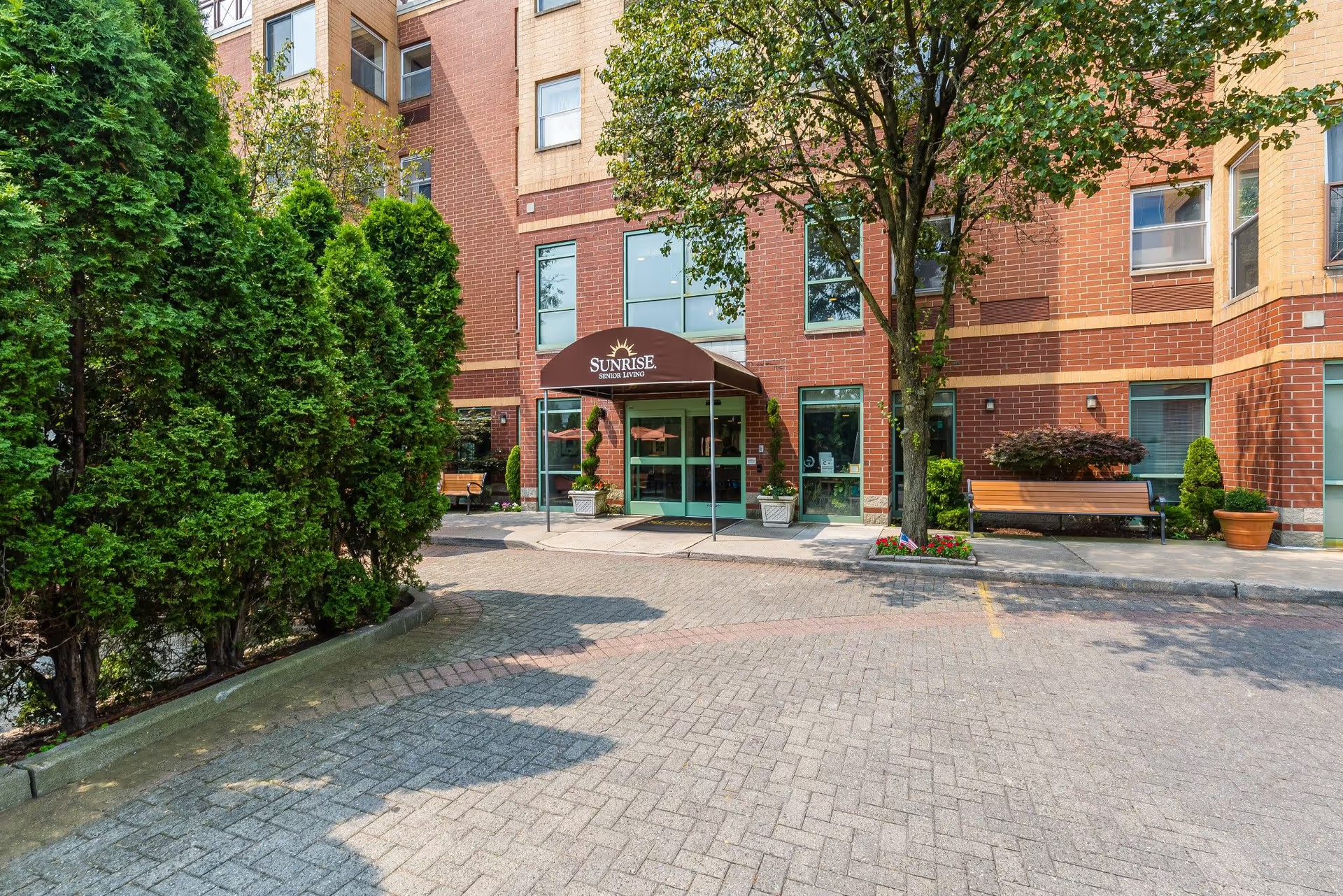
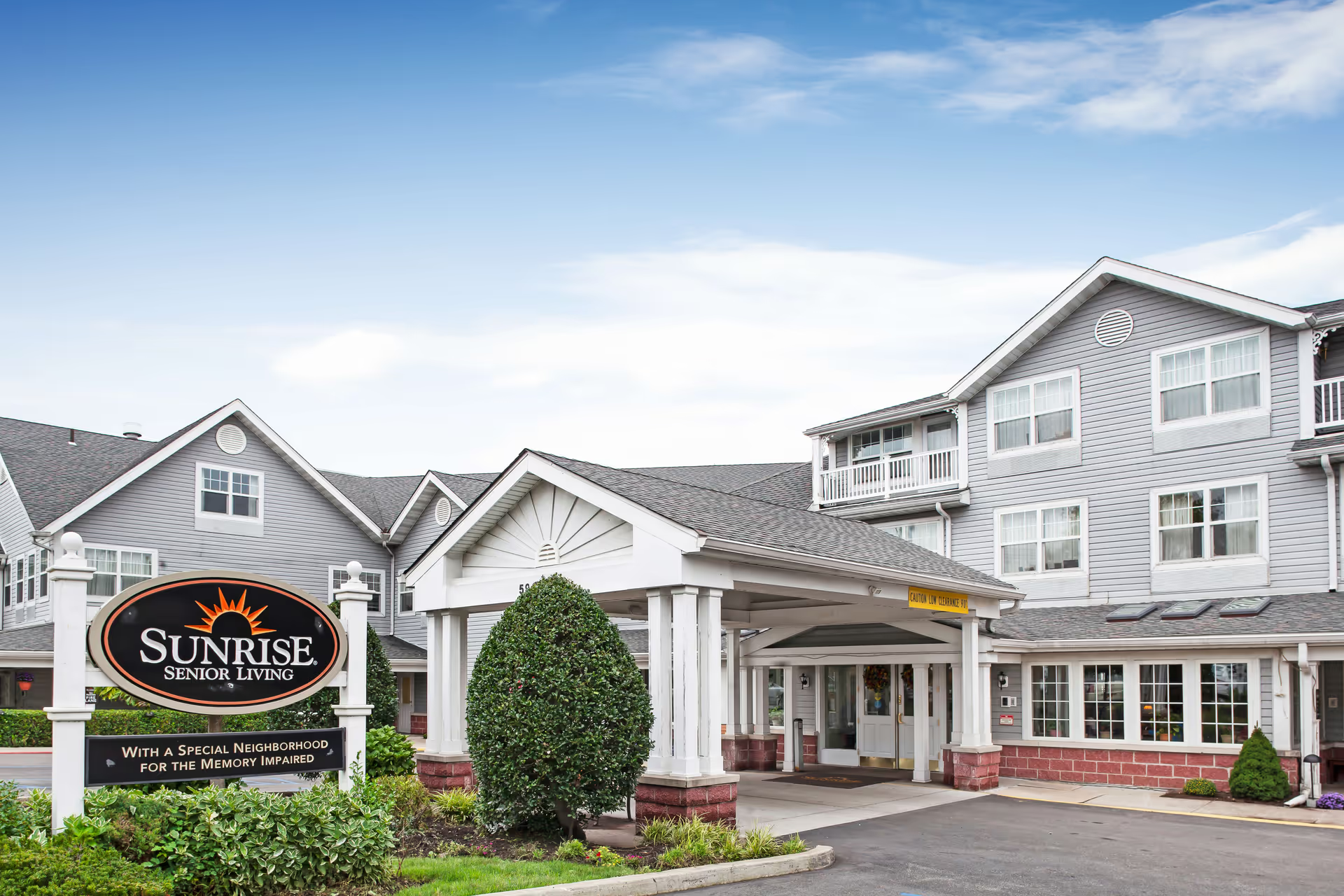
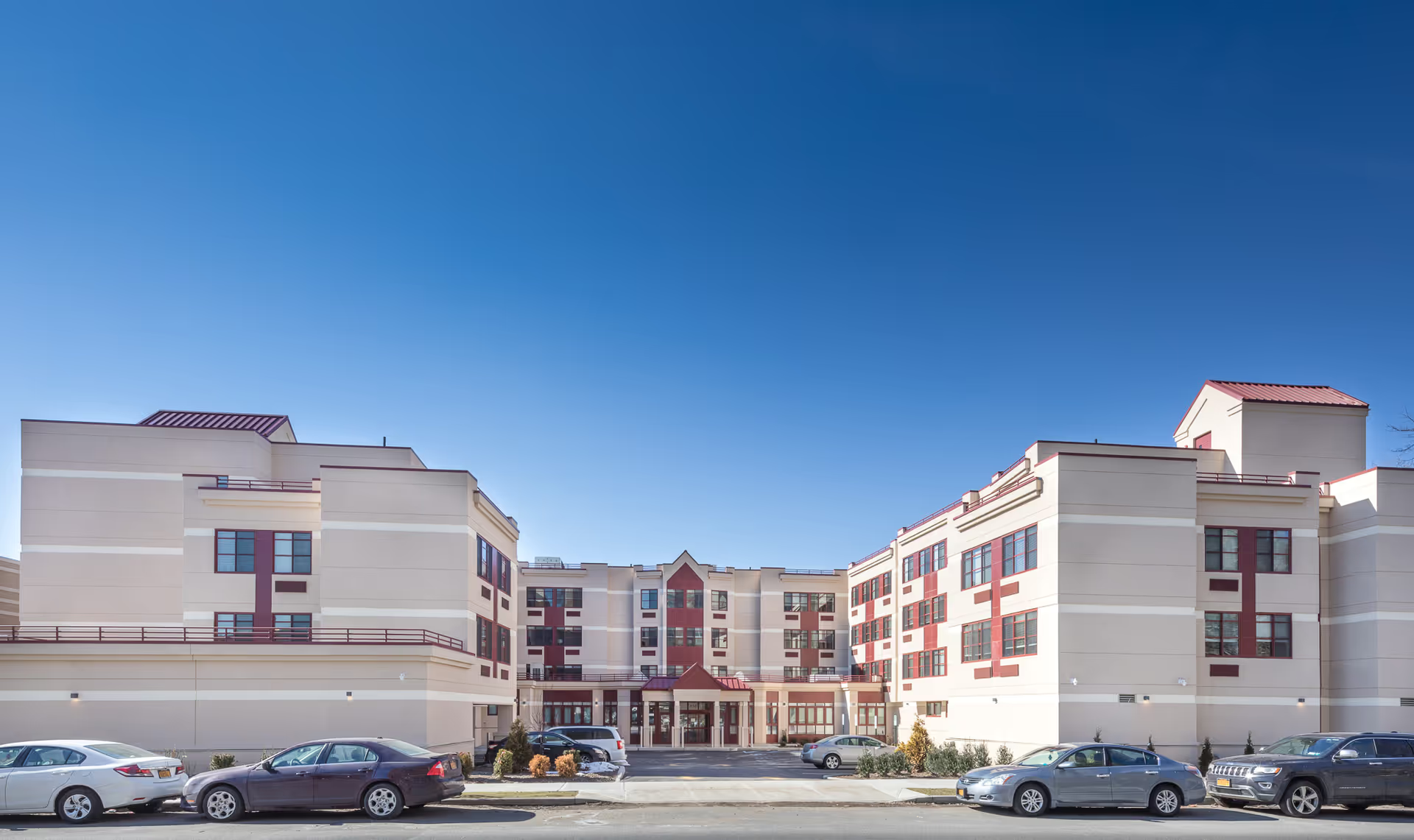
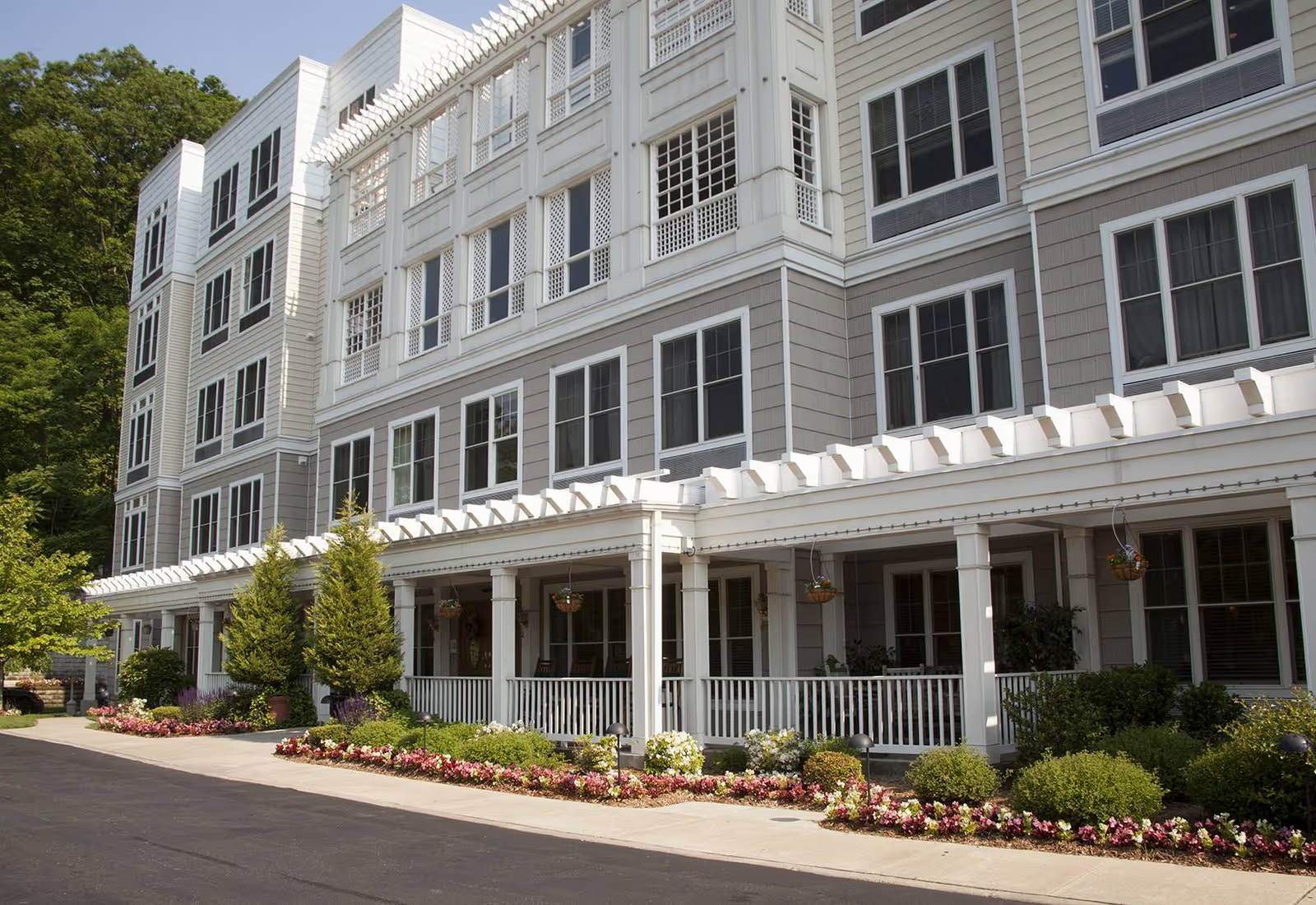
Facilities and maintenance: The physical environment is often described positively—clean common areas, well‑kept rooms, and a pleasant atmosphere. Conversely, some accounts note maintenance issues such as localized flooding, dated finishes in parts of the building, carpeting concerns, sanitation and odor issues, and pest‑control items. These items point to uneven facility maintenance across units.
Safety, valuables and other operational risks: Multiple accounts raise concerns about valuables control and missing items, indicating a need for clearer property‑control and security protocols. Combined with staffing variability and gaps in ADL assistance (toileting, bathing, eating), these operational weaknesses can affect resident safety and family confidence.
Notable patterns and guidance: The overall picture from reviews is polarized—many families report excellent care and a warm community, while others describe serious operational and clinical shortfalls. This contrast suggests variability in resident experience that may correlate with unit, staff shift, or individual resident needs. Families considering Belvedere Senior Living should prioritize on‑site verification of staffing levels (including night coverage), medication and incident‑reporting procedures, valuables‑control policies, menu customization and activity schedules for their loved one’s interests and care needs. Asking for recent inspection reports, staffing rosters, and examples of communication workflows may help clarify whether the facility can consistently meet a particular resident’s requirements.