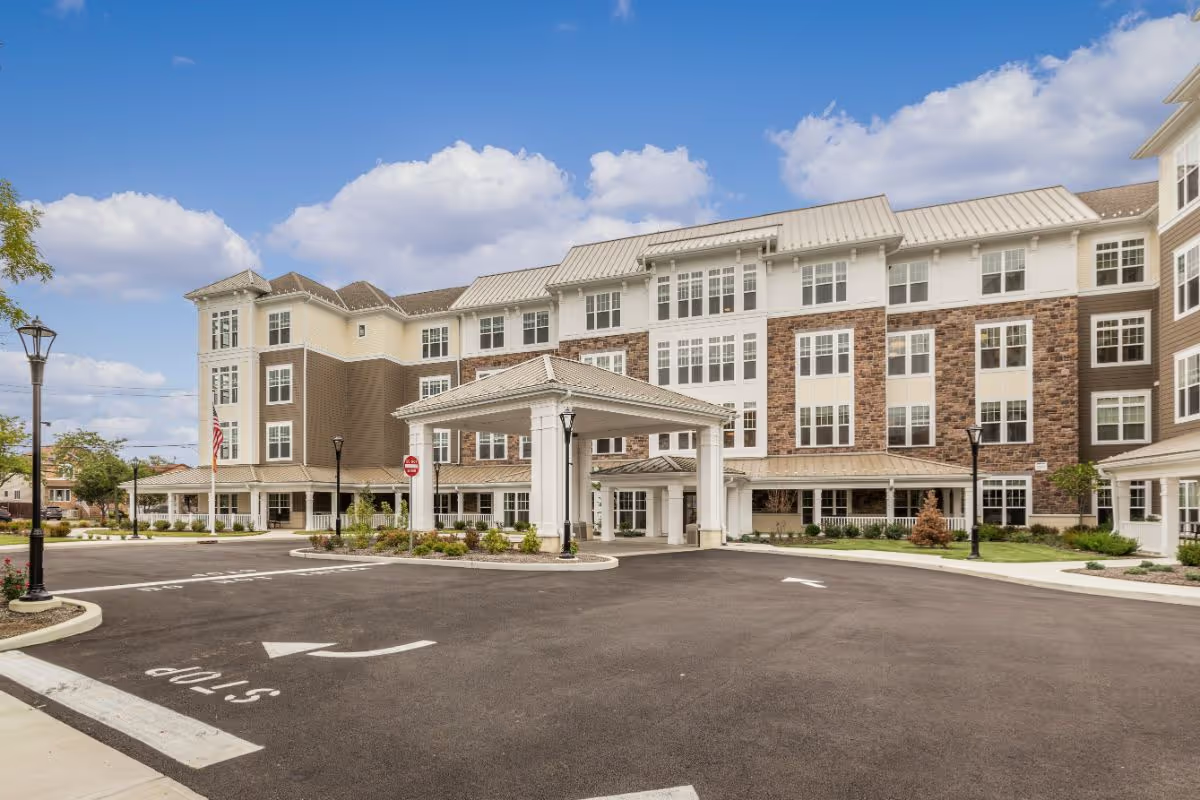
The reviews for Heritage Center for Rehabilitation present a strongly polarized picture: many families describe high-quality, rehabilitation-focused care while others describe operational and care-process gaps that affected their experiences. Commonly praised strengths include an engaged therapy team, individualized rehab plans, and demonstrable short-term functional gains. Multiple accounts highlight patient, persistent physical and occupational therapists, proactive admissions staff, and supportive social work that facilitate family communication and discharge planning.
Care and staffing are areas of mixed performance. Positive narratives emphasize compassionate, attentive nurses and 24/7 availability, whereas critical narratives point to inconsistent staffing levels, frequent turnover, and variability in staff professionalism and tone. Clinically relevant operational weaknesses emerged around medication administration and responsiveness: several accounts described delayed or missed medication schedules and late initiation of therapy for some patients. These indicate gaps in medication-administration processes and in the timeliness of clinical follow-up that prospective families should evaluate.
Dining and personal-care experiences are similarly variable. Many reviewers praised home-style, appetizing meals and attentive dietary accommodation, yet others described incorrect orders, late meal service, and unappetizing offerings. Personal-care practices also varied across stays and units, with some families reporting inconsistent toileting assistance and dressing/hygiene processes. Cleanliness and maintenance were frequently described positively for lobbies and common spaces, but a subset of reviews noted sanitation concerns and crowding or overcrowded day rooms on particular units.
Activities and community life are generally strong. The facility receives repeated positive mention for social programming, music therapy, special events, and recreation that promote engagement. Those elements appear to contribute to a home-like atmosphere in many parts of the center and support social recovery during rehabilitation stays.
Management and communication receive mixed assessments. Several families complimented clear updates, weekly manager visits, and thorough administrative follow-up; others experienced defensive or dismissive communication, unresolved concerns, and inconsistent grievance handling. A few narratives referenced serious individual concerns that led to regulatory complaints or legal action. There is also a recurring perception among some families that attention to billing or Medicare processes influenced care decisions.
Notable patterns: the experience appears highly dependent on unit, shift, and individual staff members. Positive outcomes are often tied to strong therapist engagement and proactive social-work coordination; negative experiences frequently trace back to staffing shortages, inconsistent clinical processes (medications and therapy start times), variability in personal-care practices, and lapses in communication. Prospective residents and families would benefit from an in-person tour that includes observation of mealtime, a review of medication and staffing protocols, clarification of dementia-care arrangements, and direct conversations about how the facility documents and follows up on clinical concerns.