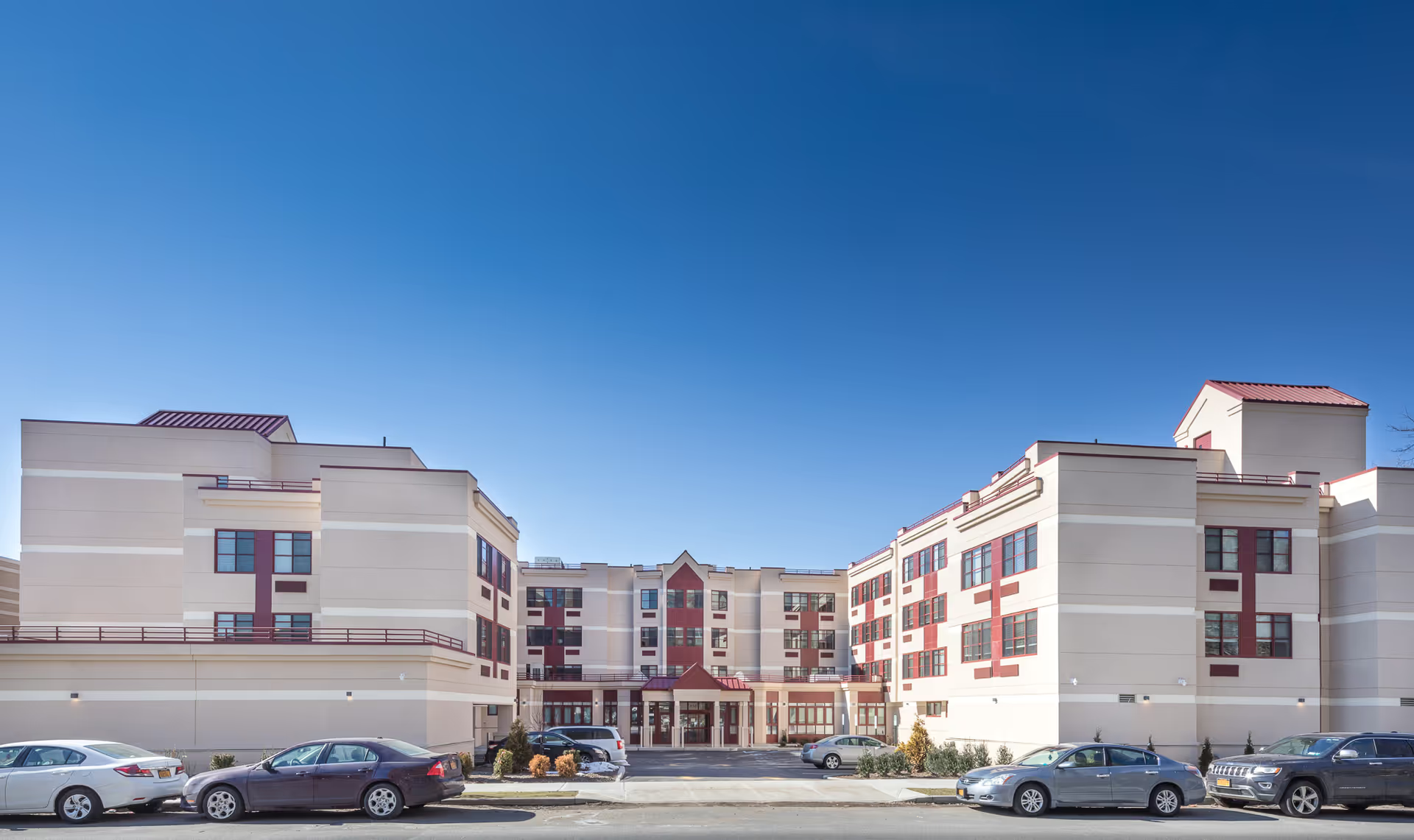
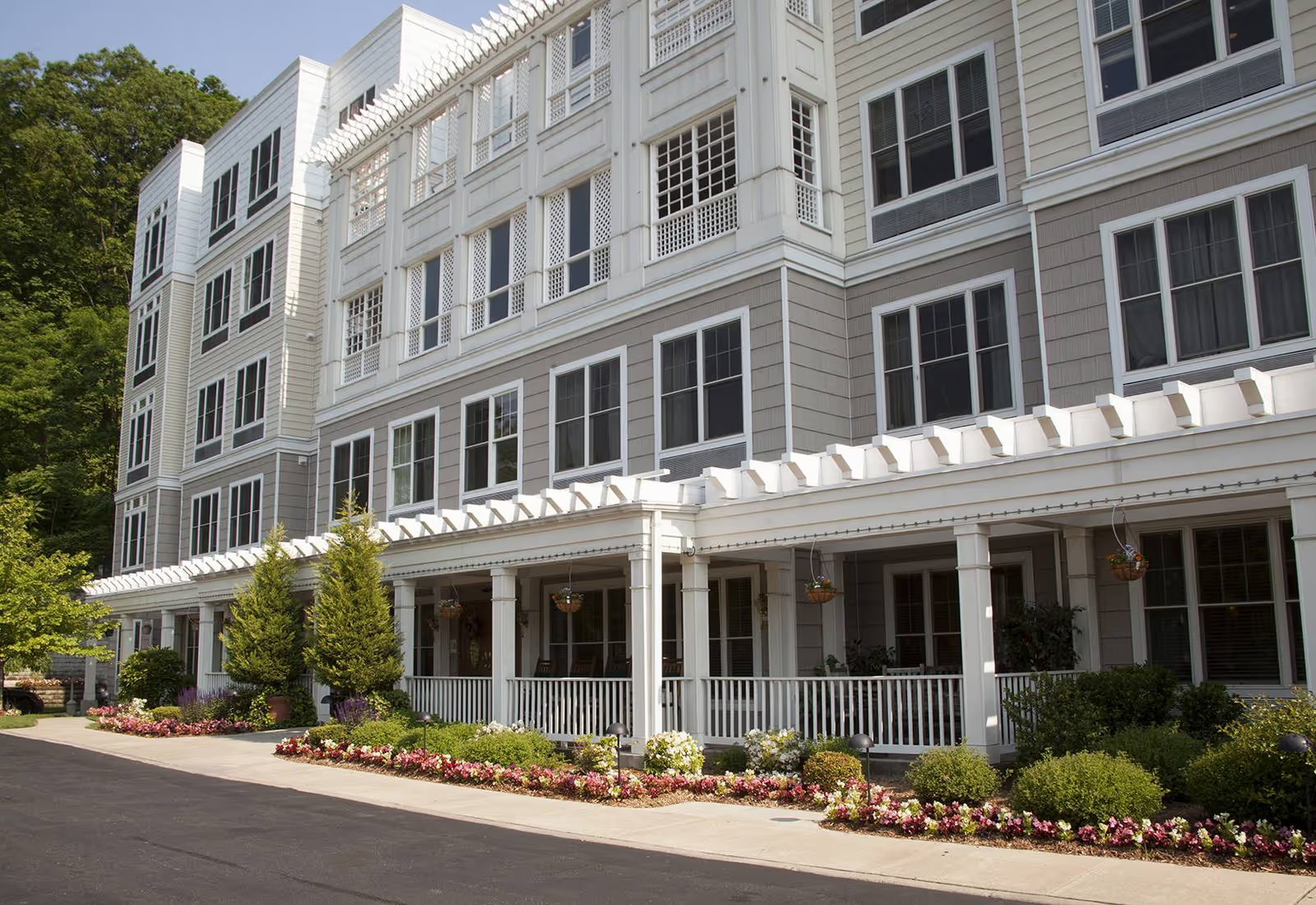
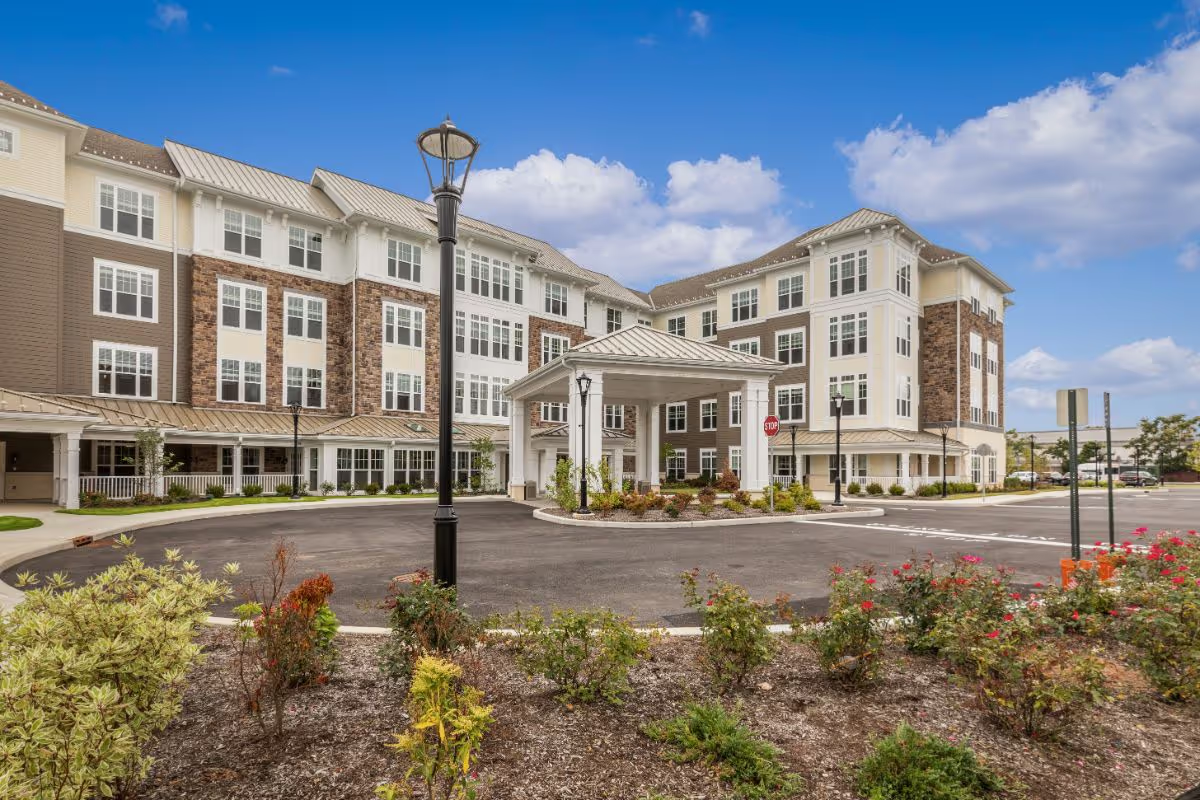
The Chateau at Brooklyn Rehabilitation & Nursing Center receives a large volume of mixed-but-detailed feedback that clusters around two consistent themes: an institutional strength in rehabilitation, hospitality, and engagement, and variability in frontline clinical responsiveness and unit-level oversight. Many reviews highlight an effective, outcome-oriented therapy program (physical, occupational, and speech therapy) with clinicians who help residents regain mobility and return home. The recreation and concierge functions are also widely praised: diverse activity programming (art, Bingo, cultural meals, Urban Zen, virtual-reality experiences), frequent social events, and a concierge/front-desk team that families find helpful in coordinating visits and admissions. Housekeeping and maintenance are repeatedly described as attentive, and the campus is frequently characterized as modern and hotel-like following renovations.
At the same time, reviewers report facility-level operational weaknesses that prospective families should evaluate. There is notable variability in bedside nursing and aide performance between floors and shifts; some units are described as highly attentive while others are characterized by inconsistent responsiveness. Staffing variability, particularly on weekends and during off-shifts, is a recurring operational concern and is linked to delays in attending to resident needs, delayed physician access, and gaps in care coordination. Several accounts describe delays in clinical escalation and timeliness of medical interventions, as well as concerns about wound care, infection prevention, and urinary care practices. These suggest uneven clinical oversight and the need for clear emergency protocols and reliable physician coverage.
Dining and service patterns also show inconsistency. While some families cite good meals and culturally appropriate options, others report cold or repetitive meals and interruptions in meal service on occasion. Communication practices are uneven: social-work and admissions/financial staff are often commended for clear guidance, yet families also report unclear or delayed updates from nursing and medical leadership during critical events. A small number of reviews raise serious administrative concerns, including allegations of financial mishandling; those items warrant direct inquiry with the facility and review of regulatory records.
In sum, The Chateau demonstrates clear strengths for short-term rehabilitation stays and for families seeking active programming, comprehensive therapy services, and concierge-style amenities. However, the pattern of variability across units, shifts, and weekends — with attendant concerns about responsiveness, clinical escalation, and certain infection- and wound-care practices — indicates the importance of targeted pre-admission questions. Prospective residents and families should ask about staffing ratios by shift and floor, weekend physician and emergency protocols, wound- and infection-control procedures, recent state inspection history, how the facility handles clinical escalation and family notifications, and unit-specific reputations. Visiting the specific unit where a person would reside, meeting frontline nurses and therapists, and confirming points of contact for clinical updates will help families balance the facility’s strong rehabilitation and hospitality offerings against the operational inconsistencies documented in reviews.