Overall impression: Reviewers present a mixed but predominantly positive view of The Waterford on the Bay. Strengths most consistently cited are the professional, friendly caregiving staff and a tangible improvement in many residents’ quality of life after admission. The community’s waterfront location and bay views are repeatedly praised, as are clean, bright common areas and an organized admissions process that many families found helpful during transition.
Care and staff: Families frequently describe caregivers, aides, nurses, and reception staff as compassionate, respectful, and familiar with residents by name. The community offers on-site nursing and periodic physician presence, and many accounts highlight effective medication management and timely responses to routine clinical needs. At the same time, reviewers also describe variability in staffing intensity: staff are generally described as hardworking and caring, but there are repeated notes that busier shifts or higher-acuity residents can experience less attention. Serious clinical-quality concerns and regulatory complaints were mentioned in a minority of accounts; these raise questions about consistency in clinical oversight and family communication that merit direct follow-up during a tour or care review.
Dining and nutrition: The Waterford provides kosher dining options and accommodation of dietary preferences, and some families praised specific meals and restaurant-style service. However, food quality and variety are uneven across reports. Common critiques include limited weekend options, repetitive menus, and declines in quality after staff changes. Prospective residents who are particular about meal variety or non-kosher preferences should sample meals and discuss menu rotation and accommodations with dining staff.
Activities and social life: The community offers a broad slate of programming—exercise classes, games, arts and crafts, musical performances, salon services, therapy-led programs, and outings—that many residents enjoy and that support socialization. Several families reported clear benefits for social engagement and functional gains from therapy. Conversely, activity offerings are described as repetitive or insufficiently stimulating for some residents (particularly younger or more active individuals), and memory-care programming is described by some as limited or not consistently engaging. Prospective families should ask about tailored engagement plans for residents with differing cognitive and physical levels.
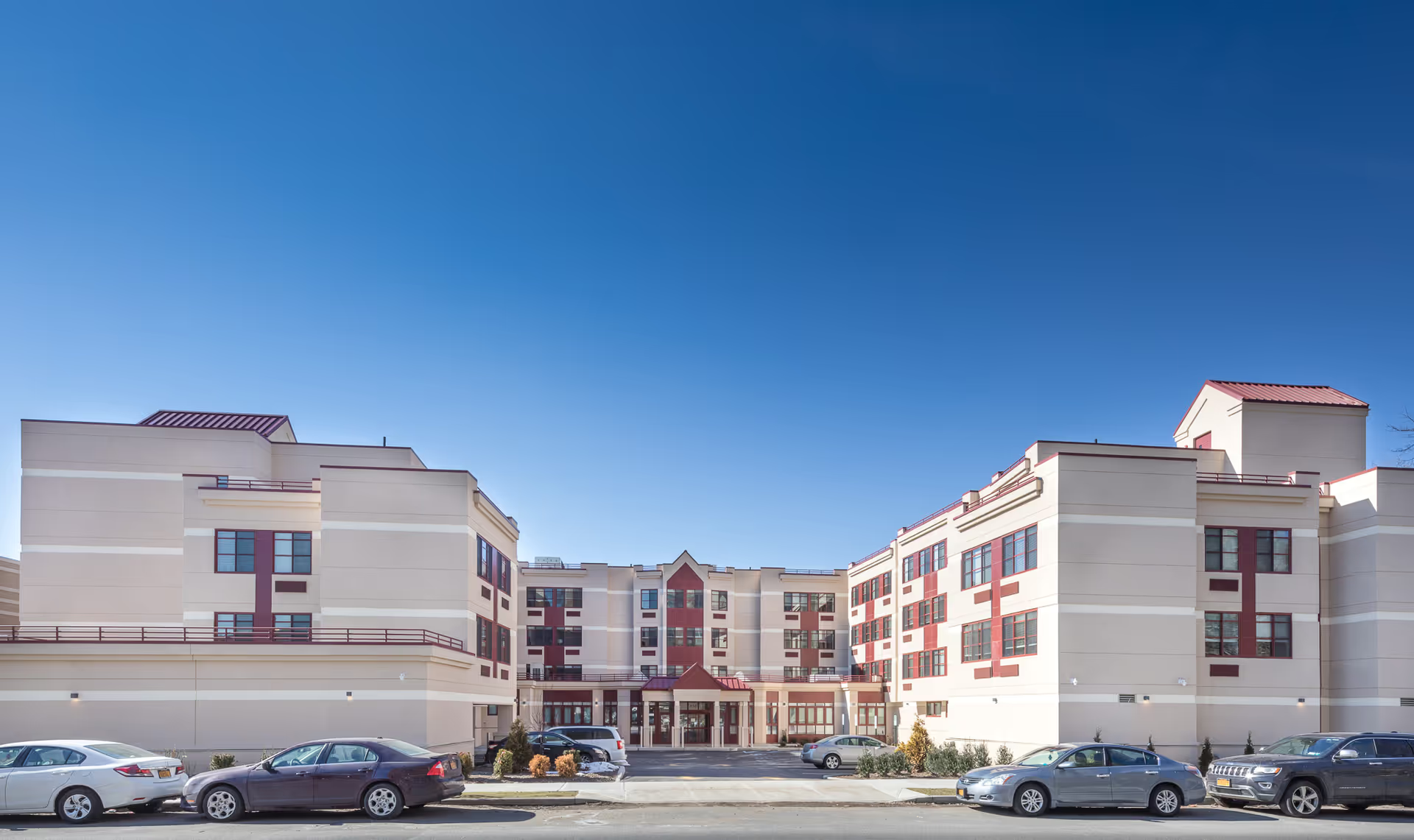
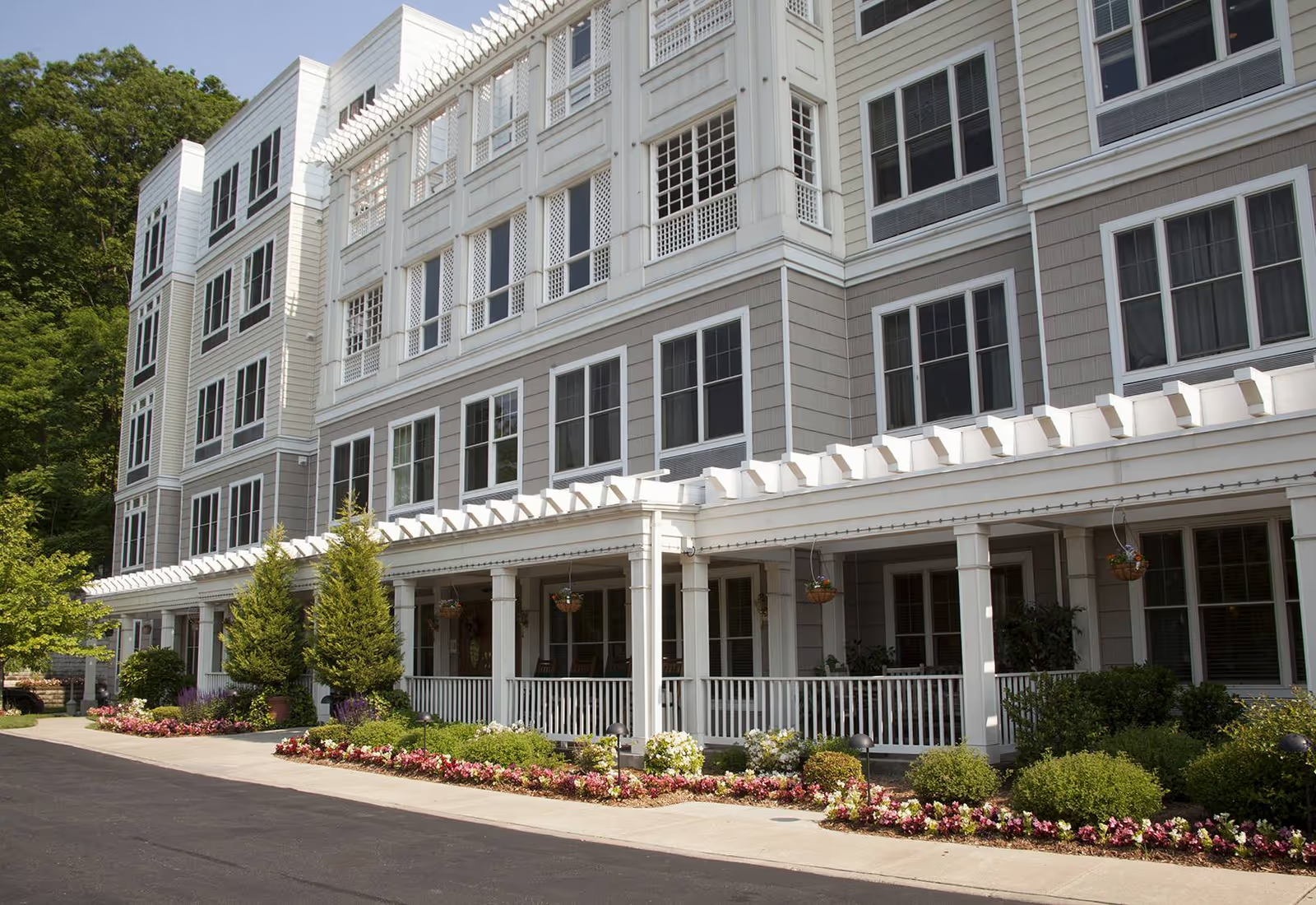
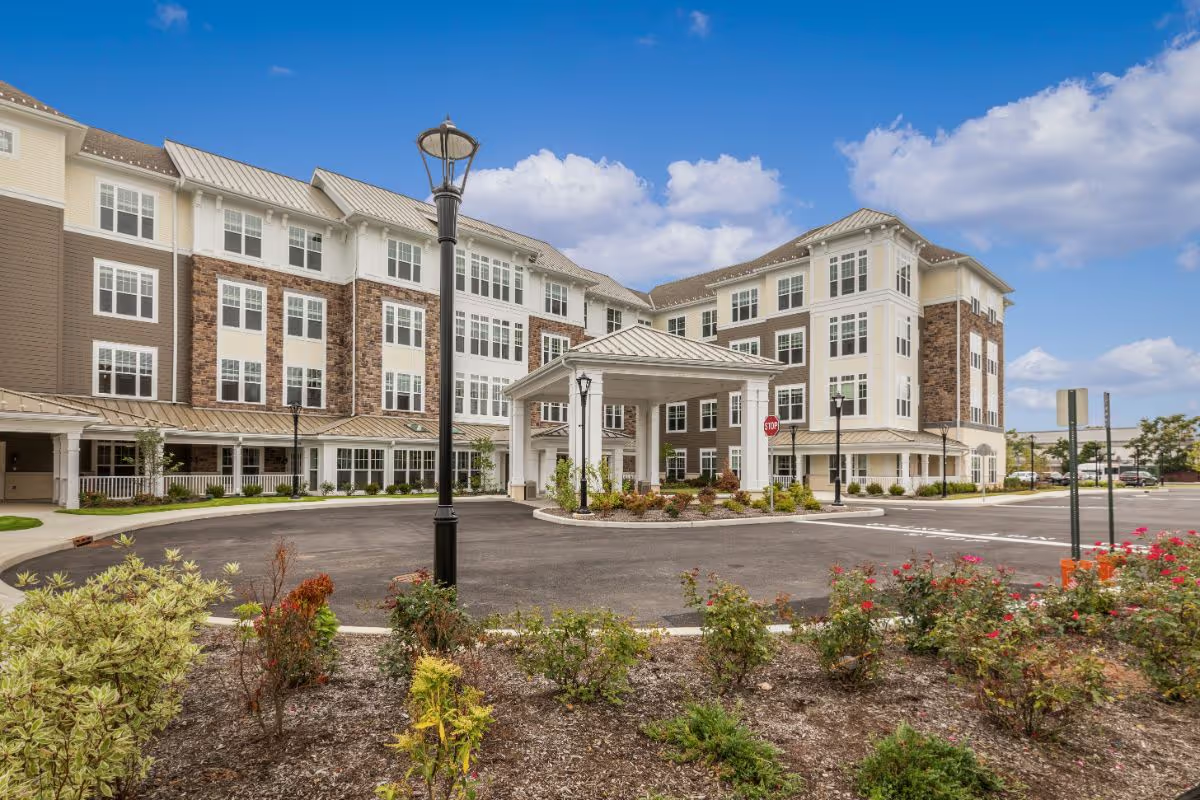
Facilities and environment: The property’s waterfront setting, bright public spaces, and some updated suites are consistently well regarded. At the same time, reviewers describe variability in room condition across the building: some units are modern and spacious while others are small, with constrained bathroom and storage layouts and signs of aging finishes. A few comments note a sterile or institutional feel in parts of the building and occasional odor concerns in common areas. Security measures such as a staffed front desk, sign-in procedures, and cameras are in place; the memory-care unit is segregated and secured.
Management and operations: Admissions and front-line staff are often described as helpful and transparent about costs, and several families value the community’s all-inclusive pricing model. However, reviewers also describe inconsistent responsiveness from administration regarding billing, refunds, repairs, and follow-up on family concerns. There are reports of service gaps following staff turnover (for example, kitchen staff changes affecting meal quality) and isolated allegations of inadequate follow-through on serious clinical incidents; these suggest the need for direct conversations with management about quality-assurance processes, incident escalation, and family communication pathways.
Notable patterns and considerations: The Waterford’s principal strengths are its caregiving culture, on-site clinical presence, social programming, and attractive location. The principal caveats are operational inconsistency: food quality, room conditions, activity sophistication for certain populations, and the steadiness of clinical oversight can vary. Prospective residents and families should prioritize an in-person tour that includes dining, a sample of activities, a visit to the memory-care unit, and a review of the community’s staffing ratios, clinical escalation procedures, and recent quality or regulatory records. Those seeking strong cultural or religious meal options and an engaged social calendar will find many positives; families of residents with higher medical or behavioral needs should confirm care plans and oversight mechanisms before committing.