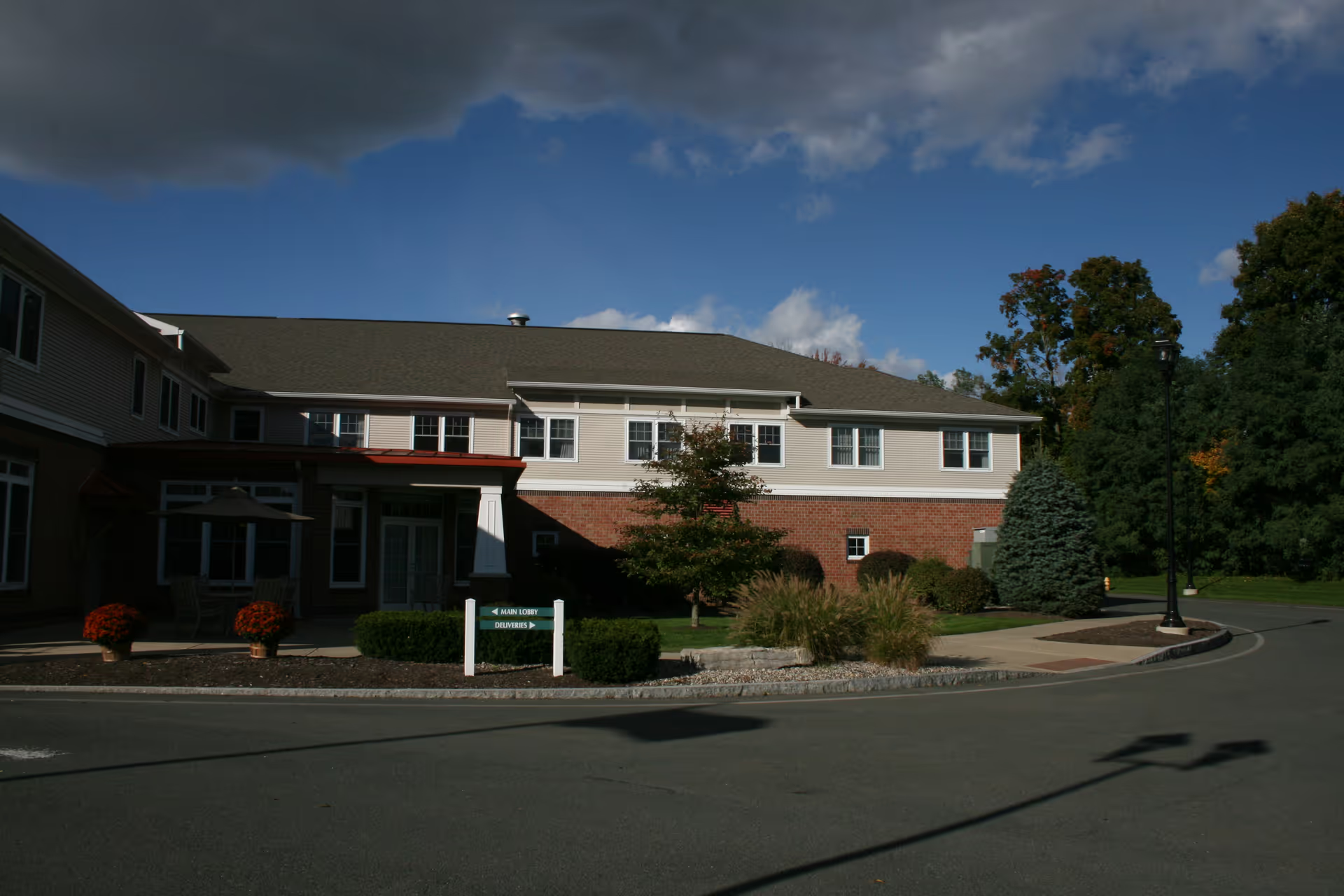
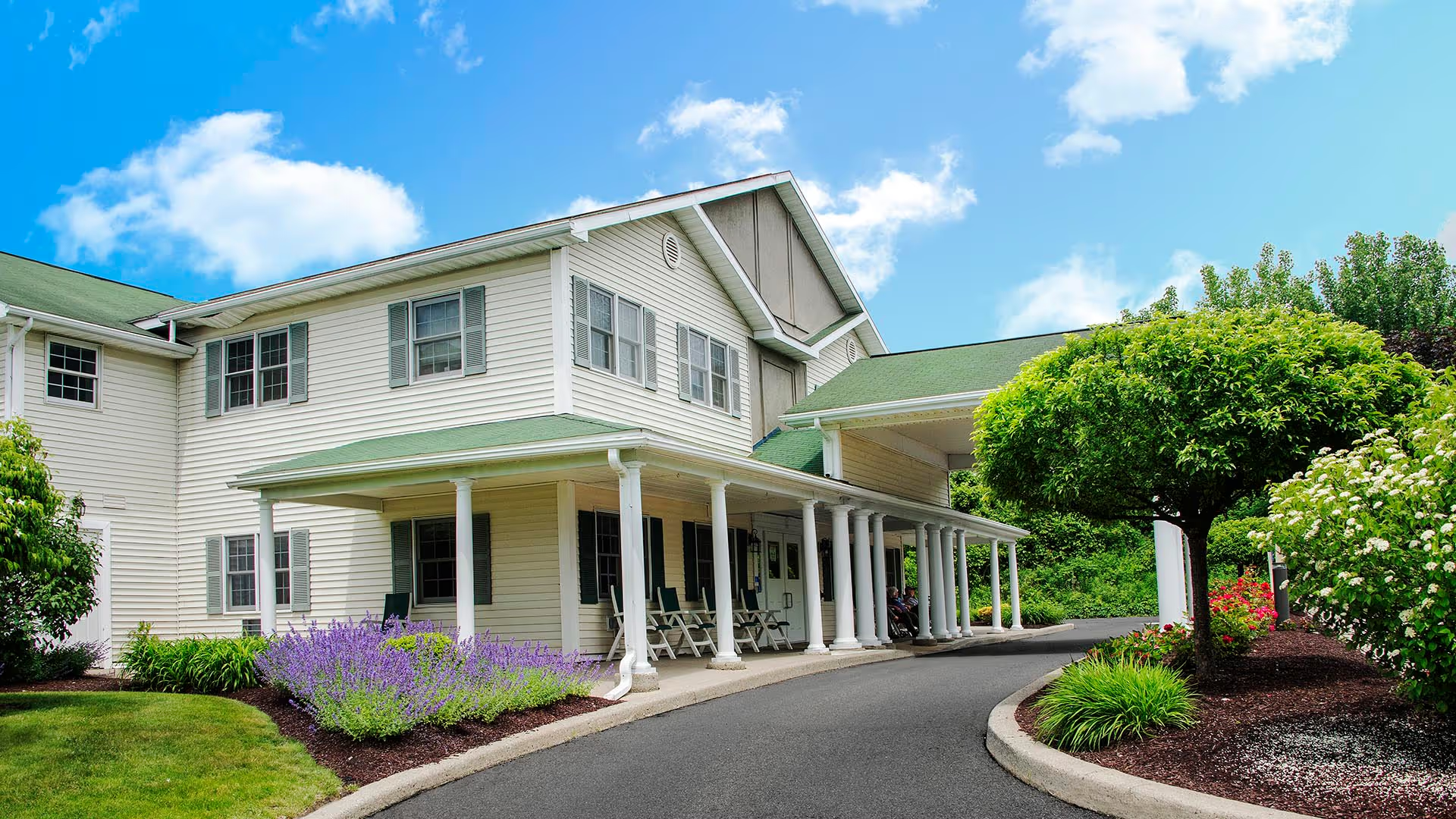
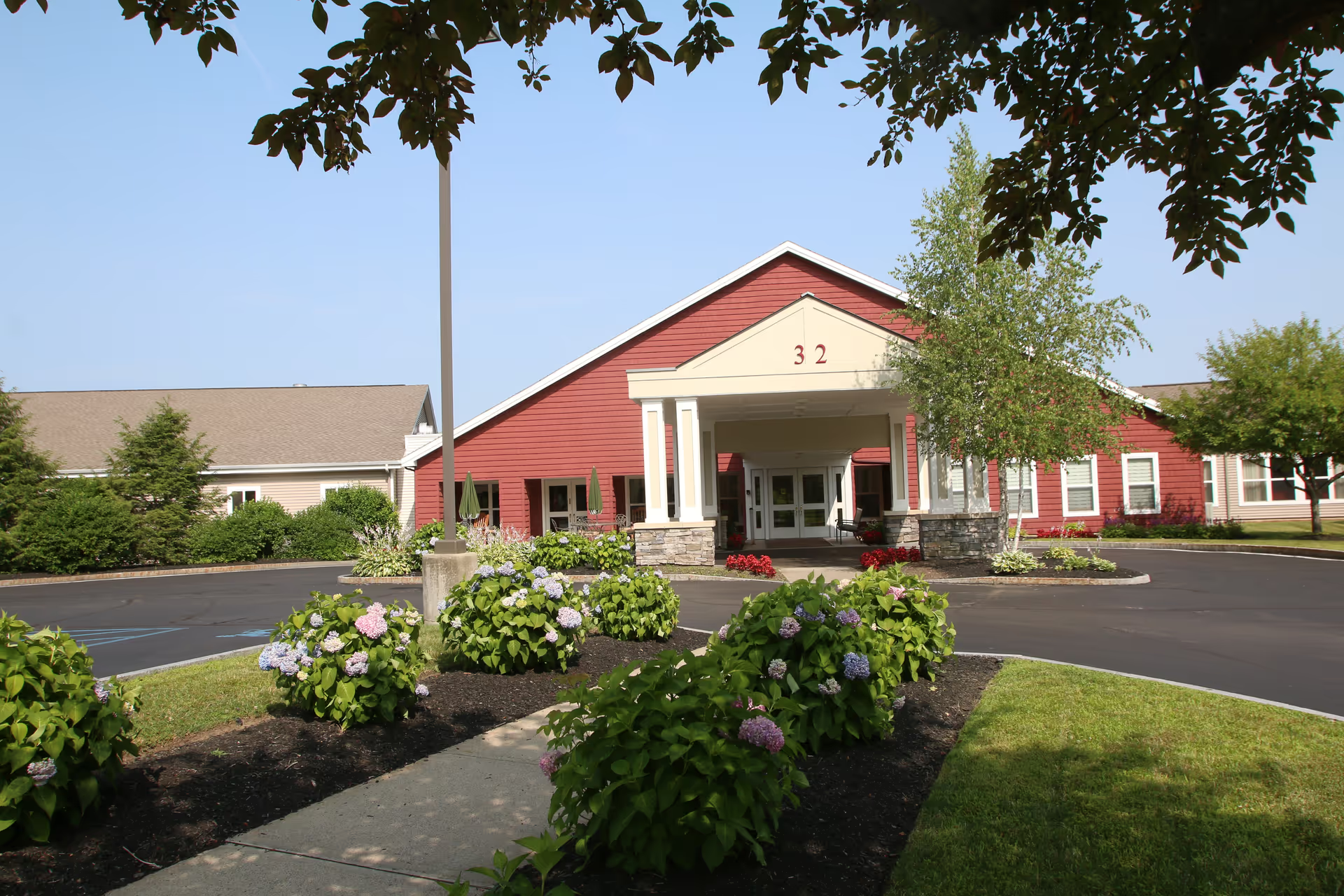
The published feedback for Delmar Center for Rehabilitation and Nursing is highly polarized. A substantial portion of families and former residents praise the facility’s rehabilitation services, citing strong physical and occupational therapy teams, tangible functional gains, and successful discharges home. Multiple reviewers named individual staff members (therapists, nurses, aides, and administrators) who provided compassionate, attentive care and effective advocacy. The activities program, on-site salon, pleasant grounds, and some renovated, hotel-like areas contributed to positive patient experience for many residents.
Conversely, a significant number of evaluations describe operational and clinical inconsistencies. The dominant pattern in negative feedback is staffing variability: understaffing on particular shifts, heavy reliance on agency staff, and long delays responding to call bells. These staffing gaps are linked to several downstream issues noted by families, including delayed assistance with basic needs, inconsistent bathing and linen changes, and slow clinical response for symptom management. Reviewers also raised concerns about medication administration and documentation, with examples of delayed or incorrect dosing and difficulties obtaining timely pain relief.
Communication and management processes emerge as another recurring theme. Many families reported difficulty reaching nursing leadership or the medical team, incomplete or late care-plan updates, and inconsistent social-work follow-through during discharge planning. Some reviewers described perceived administrative emphasis on billing and placement rather than proactive family engagement. At the facility level, maintenance and equipment problems—nonfunctional room phones or call bells, broken items, and inconsistent laundry services—were repeatedly cited and linked to reduced resident comfort and safety. Sanitation and incontinence-care issues, including persistent odors and delayed incontinence management, were also noted and contributed to concerns about overall cleanliness in certain units.
Dining and ancillary services are described unevenly: several reviewers complimented nourishing, home-like meals and adequate dietary accommodations, while others reported cold or minimal portions, missing utensils, and limited snack availability. Activity programming and social opportunities were highlighted positively by those who experienced them, but some families reported limited therapy engagement or early cessation of rehabilitation without satisfactory progress.
Notable patterns to consider: experiences appear to vary by shift, unit, and individual staff assignment—positive accounts frequently reference specific staff who were highly engaged, while negative accounts often accompany descriptions of understaffed nights or weekends. A few reviews describe serious clinical concerns and follow-up with state authorities; such allegations warrant direct inquiry with the facility and verification through regulatory records. Prospective residents and families would benefit from an in-person assessment focused on current staffing levels for the expected stay, verification of call bell and room phone functionality, review of medication-administration policies, a clear discharge and therapy plan, and direct conversations with nursing leadership about sanitation and wound-care protocols.
Overall, Delmar Center demonstrates strengths in rehabilitation programming and has staff who deliver very positive care in many cases. At the same time, recurrent operational weaknesses—primarily inconsistent staffing, variable communication, maintenance and sanitation issues, and uneven medication/clinical oversight—appear frequently enough that families should perform targeted due diligence before placement and maintain frequent contact while a loved one is in residence.