The review set shows a facility with distinct strengths and recurring operational weaknesses. Many families and residents praise the staff’s compassion and warmth, strong skilled-therapy offerings, and a restorative short-term rehabilitation track record. Physical therapy and rehab are repeatedly cited as effective, with many patients progressing quickly and returning home. Clinical responsiveness in areas such as pain control and physician availability is also frequently noted as a positive.
Frontline caregiving receives mixed feedback. Numerous comments highlight attentive nurses, respectful aides, and dignified personal care in many units. At the same time, a consistent theme is chronic understaffing and variability in nursing attentiveness and responsiveness. Several accounts point to delays in attending to residents and uneven adherence to orders or monitoring protocols; these suggest gaps in unit-level staffing and in clinical follow-through rather than a uniform standard of care across the facility.
Nutrition and dining present both strengths and inconsistencies. The facility has a personalized approach to nutrition—dedicated dietary oversight, proactive weight monitoring, and creative appetite strategies are praised. Conversely, food quality and meal presentation are described as variable, and management of dining-room space during peak hours can lead to crowding and reduced resident seating. Families may find that nutritional oversight is strong in individual cases but that kitchen service consistency varies.
Activities and spiritual life are clear assets. The reviews describe abundant social programming, daily Mass and chapel access, musical sessions, singing, games, and regular opportunities for social engagement. These offerings contribute to a sense of community and quality-of-life focus that many families value highly.
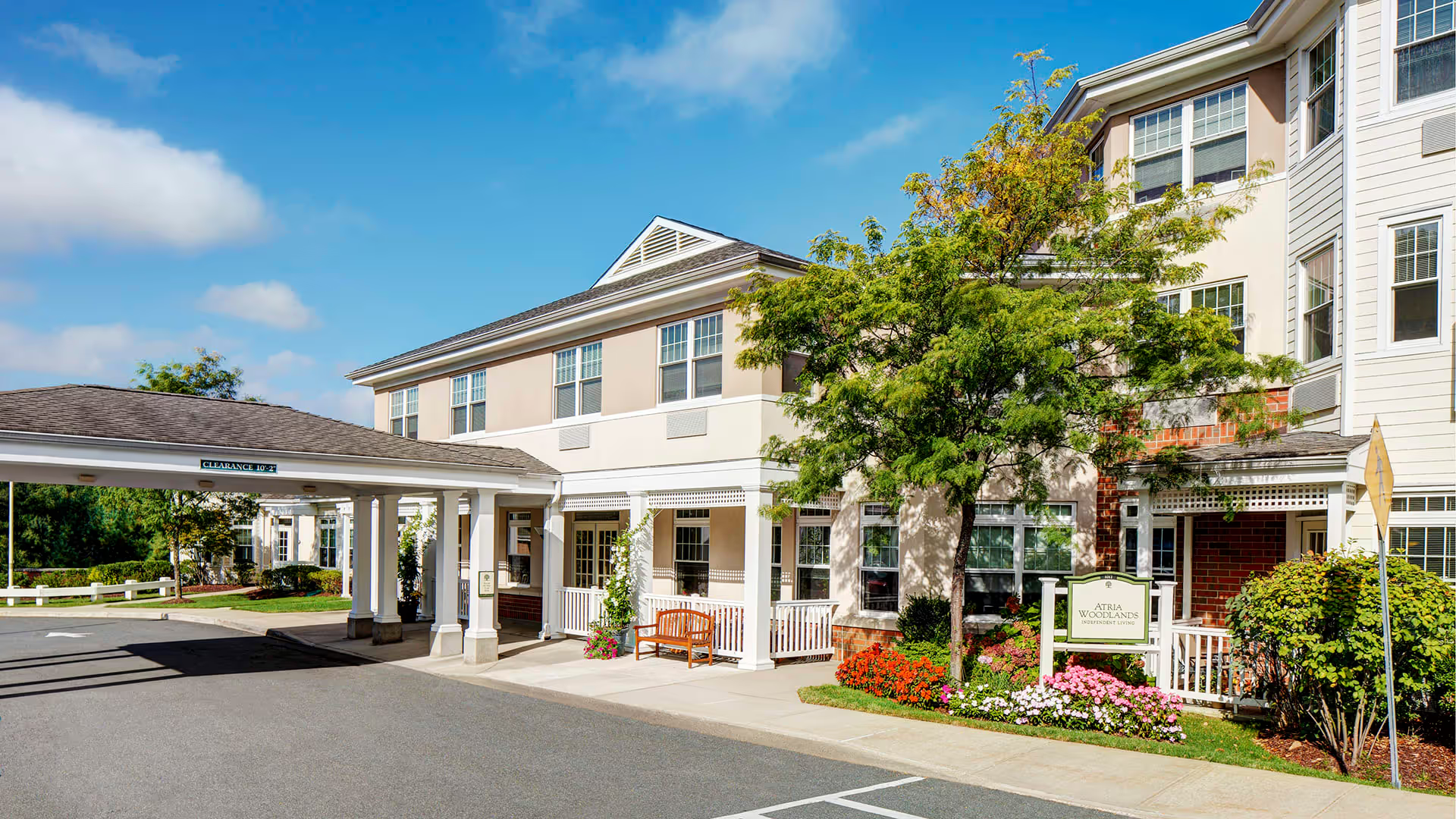
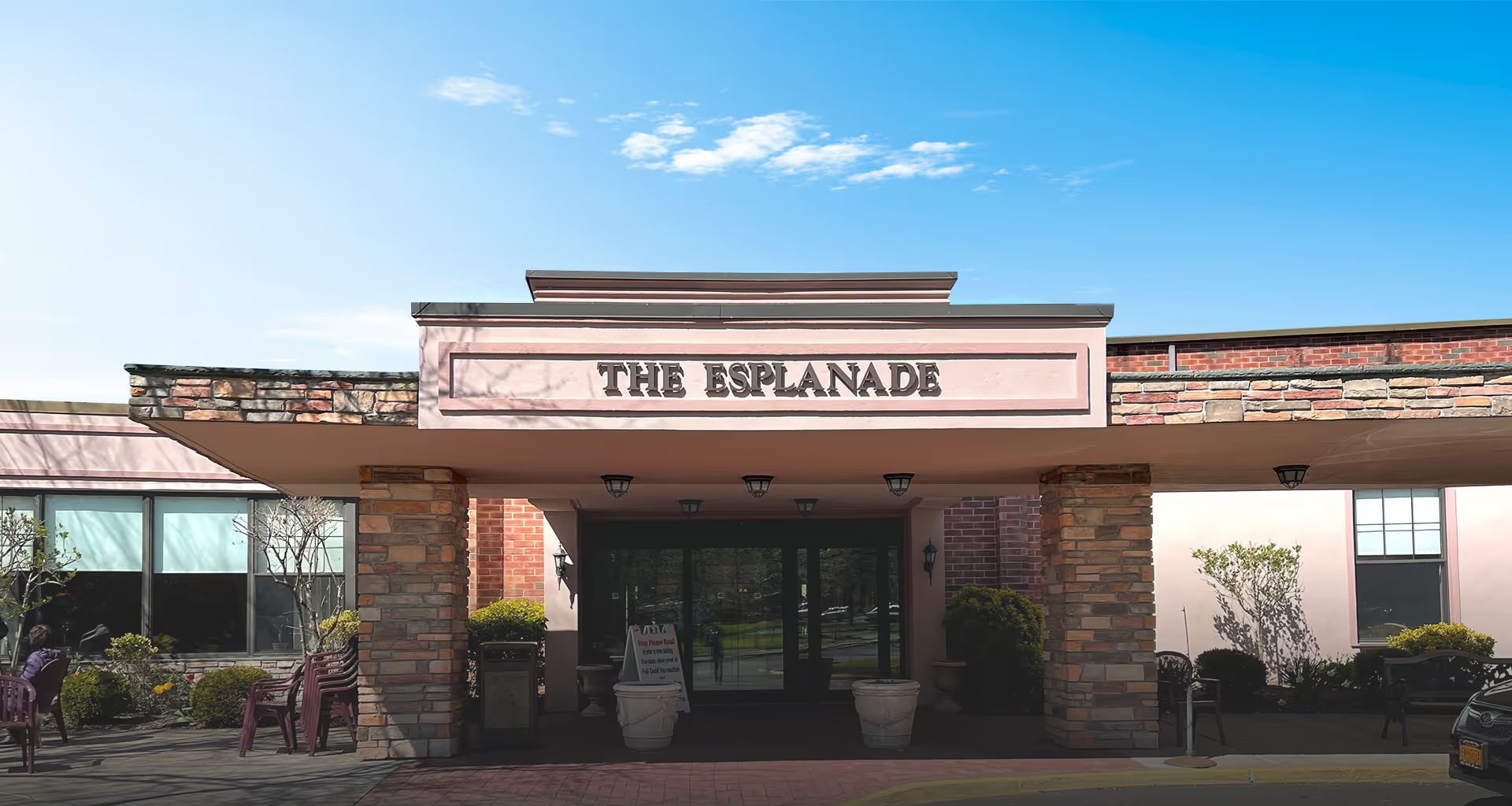
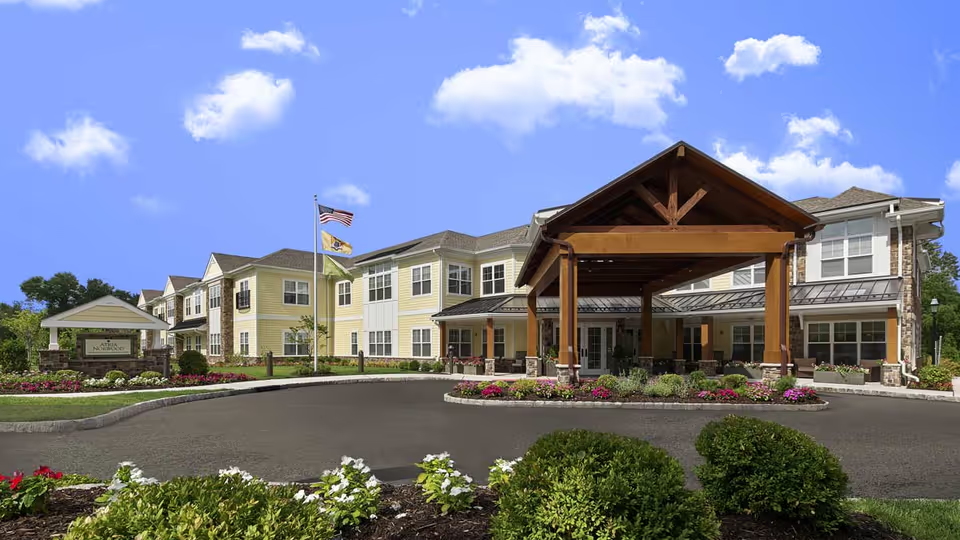
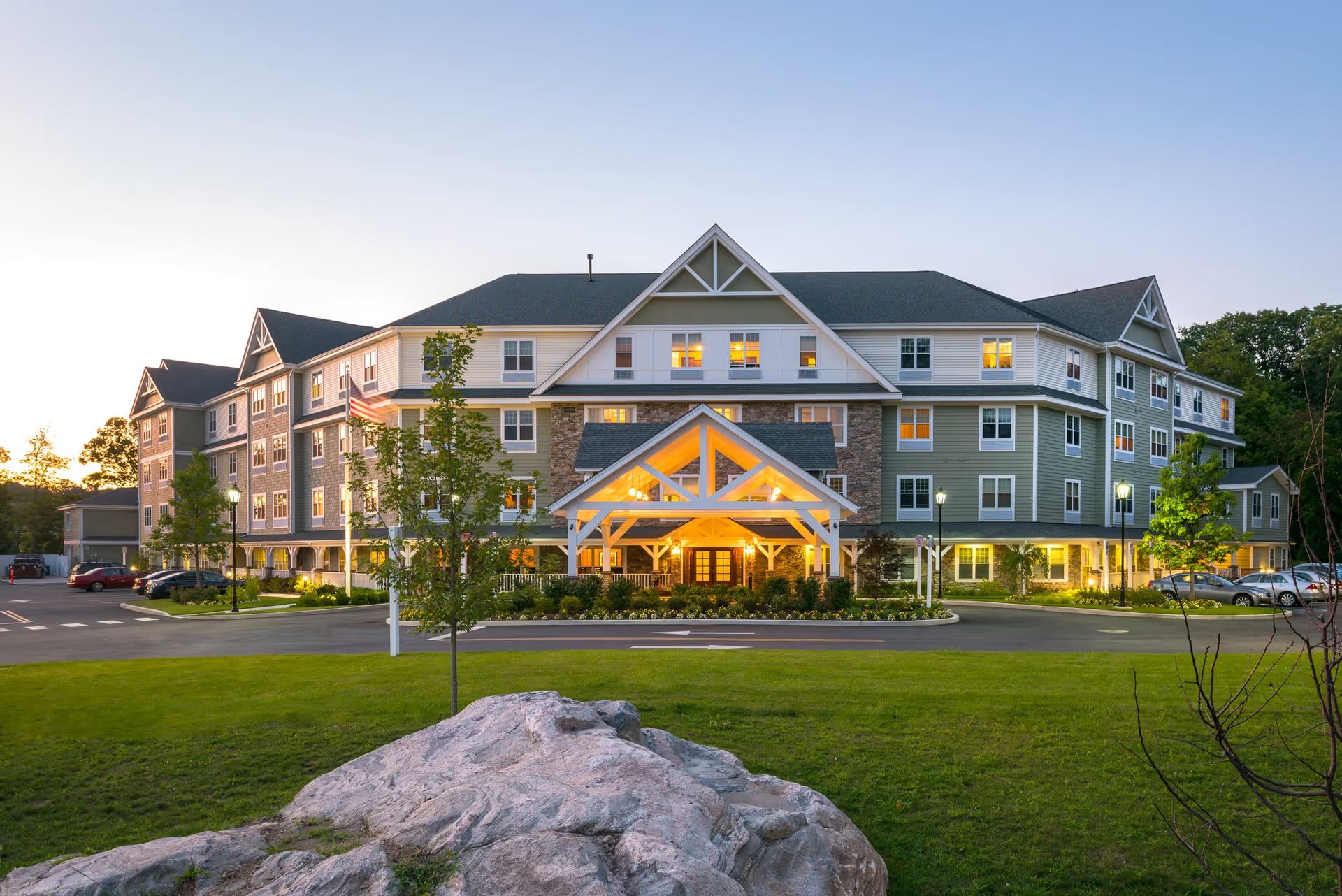
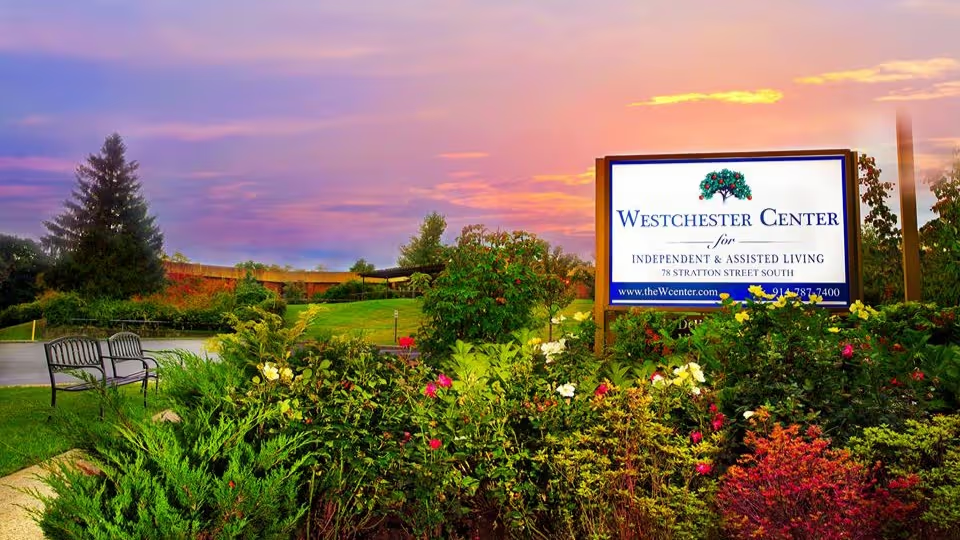
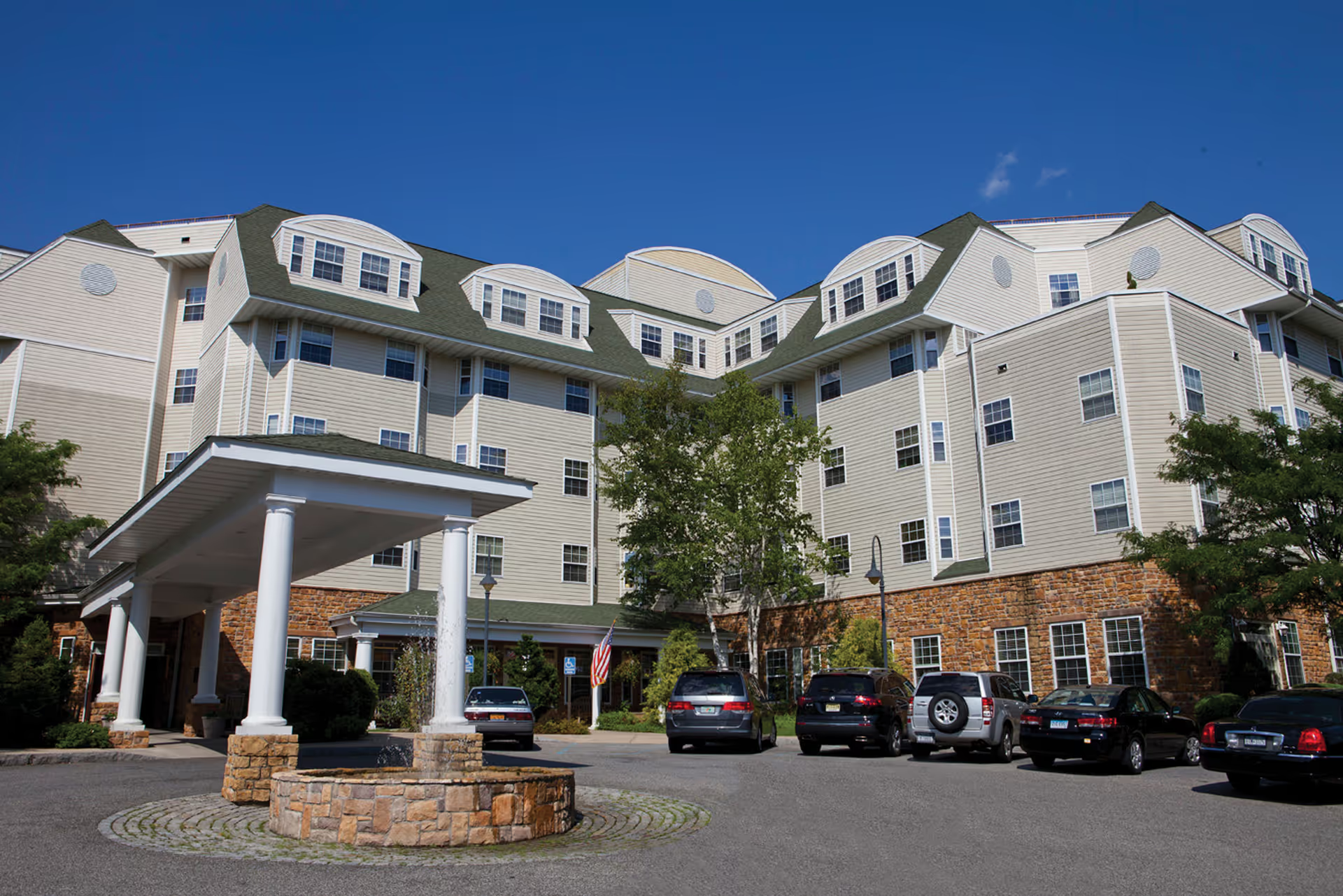
The physical environment is another commonly cited strength. The facility’s location and grounds—notably Hudson River and bridge views, landscaped outdoor areas, and a large, attractive chapel—are frequently praised. Public areas and the admissions experience are often described as clean, welcoming, and well maintained. However, cleanliness and sanitation appear uneven across units: while some units receive high marks for cleanliness, others raise sanitation and odor concerns. Technology/connectivity and room-location issues were occasionally mentioned as minor inconveniences.
Management and communication are mixed. Admissions staff and specific care-coordination roles (for example, after-care managers and some social workers) receive positive feedback for helpfulness and organization. At the same time, a number of reviews describe inconsistent communication with families, failures in emergency messaging or phone access, and perceptions of limited leadership visibility at times. There are also repeated operational concerns around medication management, clinical monitoring that can lead to recurrent infections, and lapses in privacy/confidentiality practices.
Overall, reviewers present a polarized picture: the facility offers strong rehabilitation services, meaningful activities, and an attractive campus, supported by many compassionate staff members. Persisting issues center on staffing levels, unit-level consistency in cleanliness and clinical monitoring, communication with families, and certain operational processes such as dining management and belongings handling. Prospective residents and families should balance the facility’s clinical and environmental strengths against these operational variability patterns and consider asking targeted questions during a tour (staffing ratios, infection-control protocols, housekeeping audits, medication-management procedures, and communication escalation pathways) to assess fit for their needs.