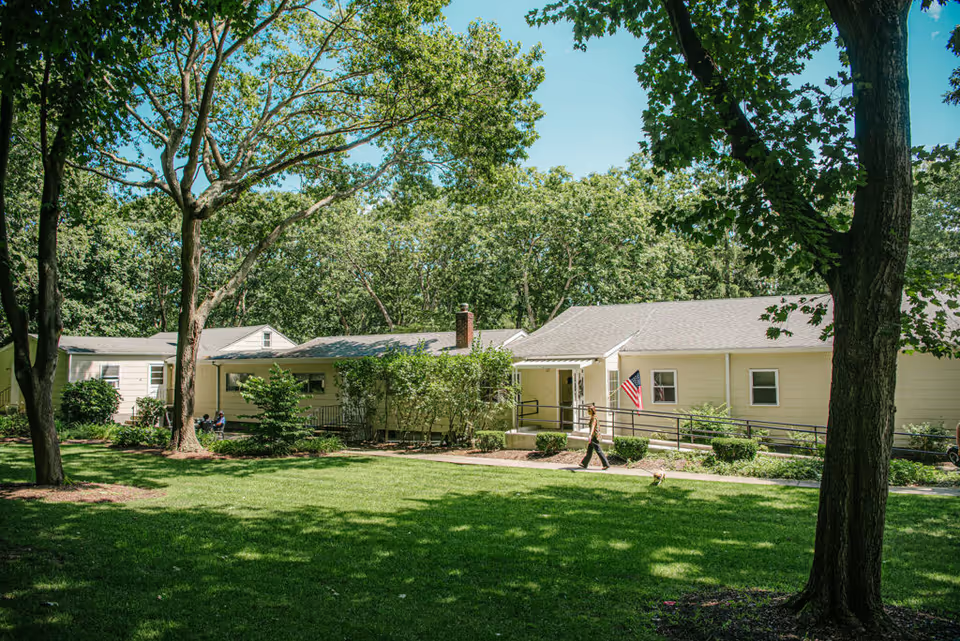
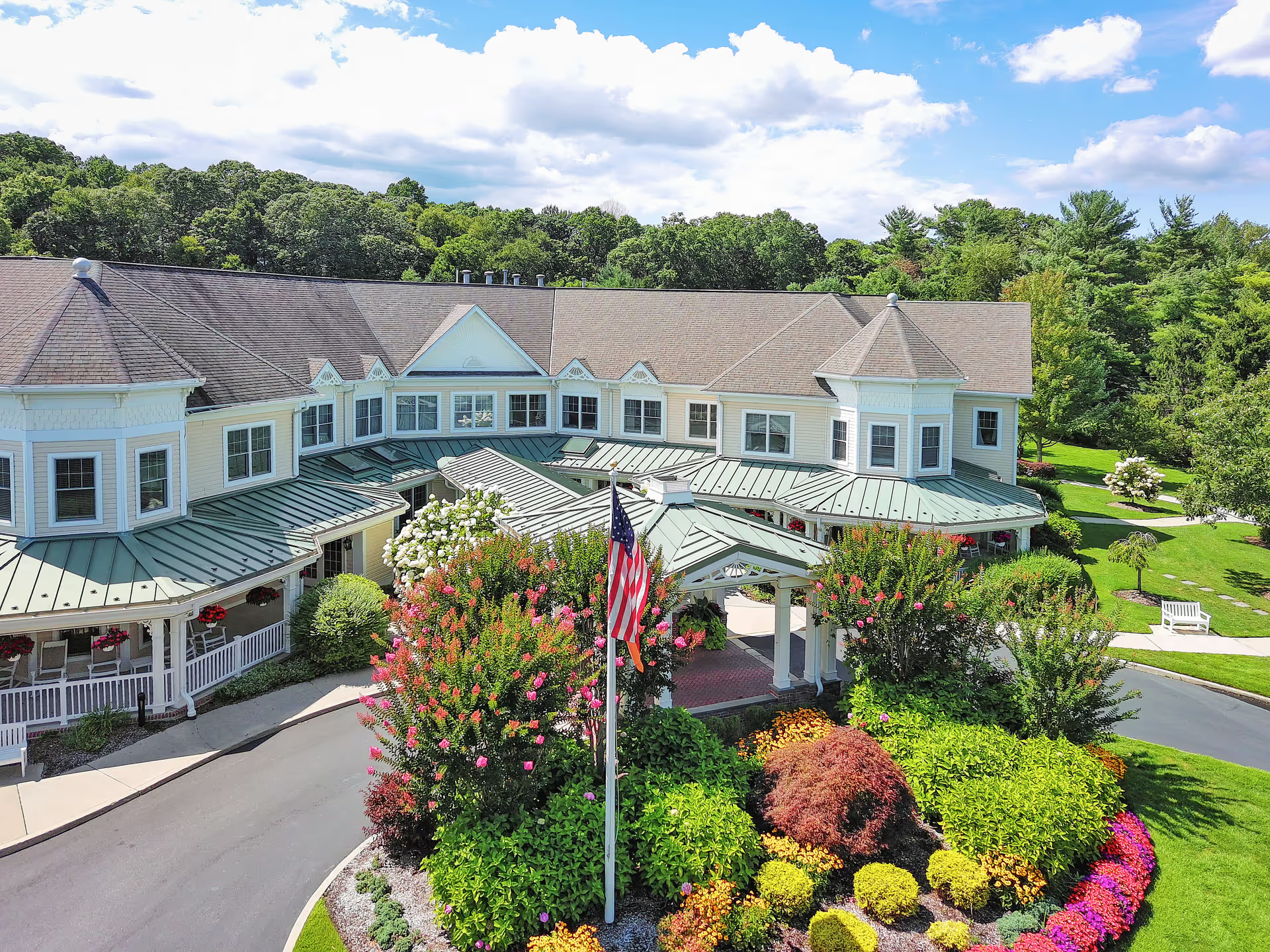
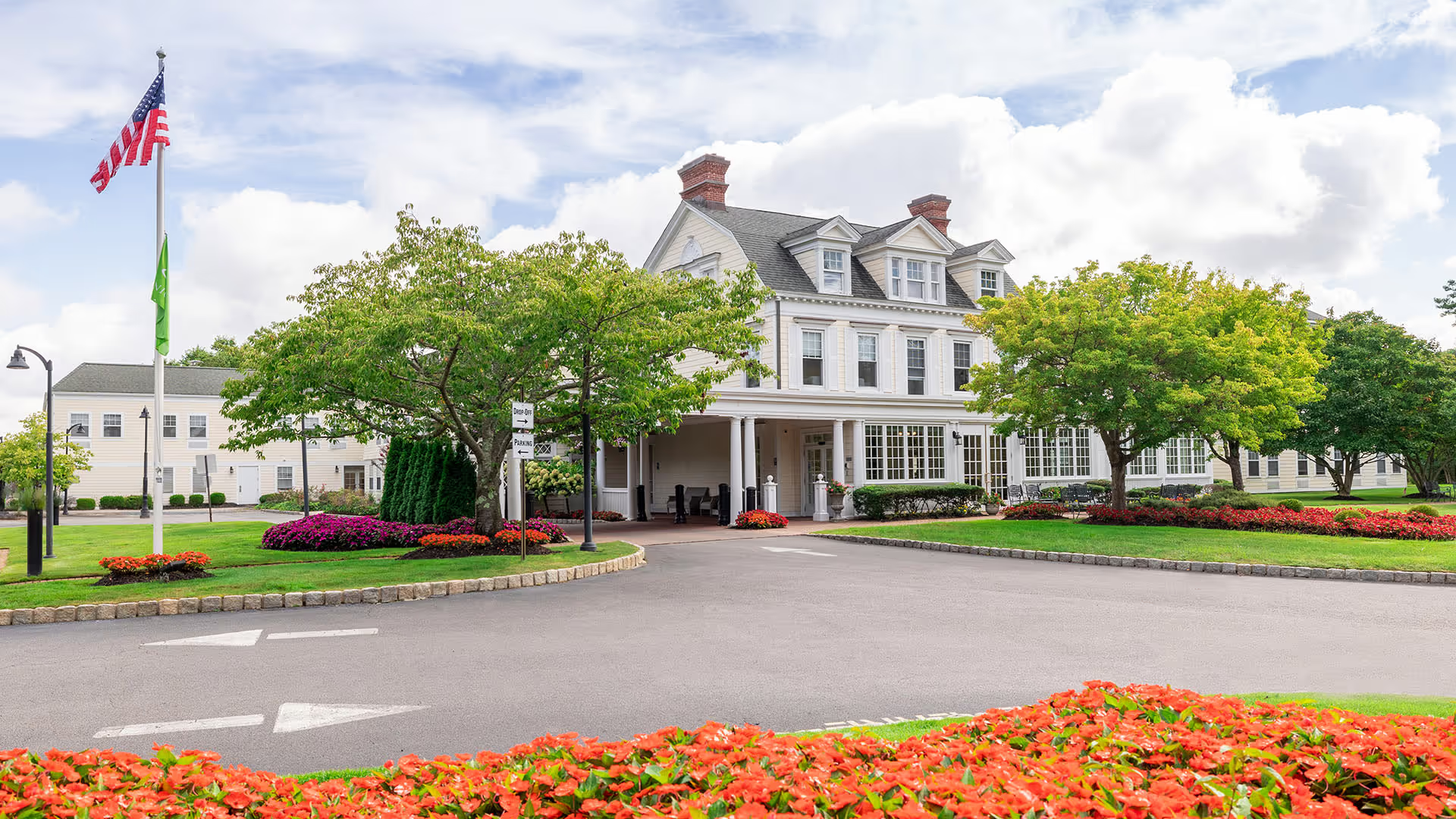
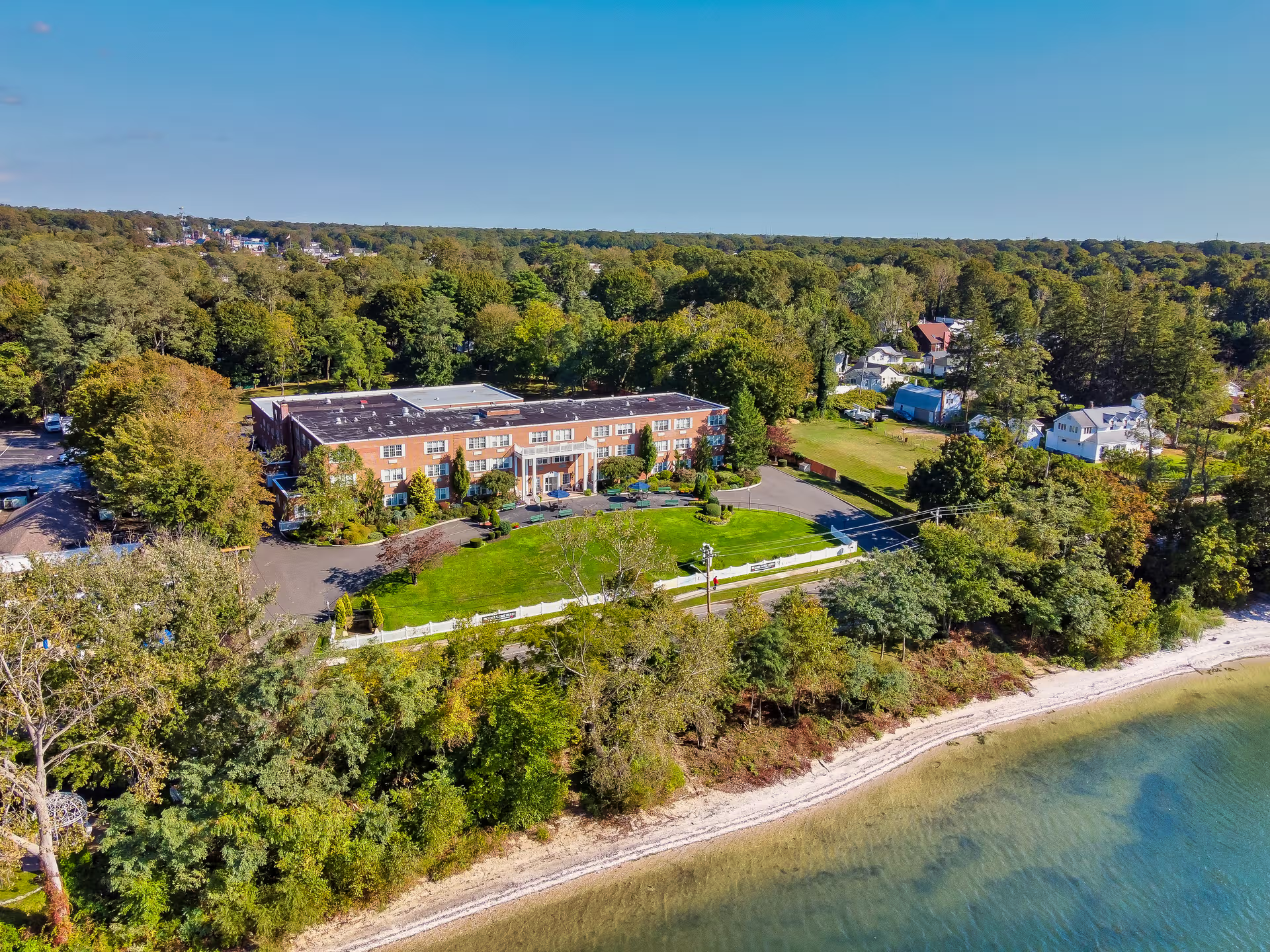
The Arbors Assisted Living - Hauppauge is consistently praised for its warm, family-like atmosphere and the dedication of its frontline staff. Many families and residents highlight compassionate, attentive caregivers, proactive recreation personnel, and visible housekeeping and maintenance efforts. The community offers a broad activity calendar — from games and arts to live music, Happy Hour and frequent outings — which contributes to a socially active environment and generally positive resident morale. Physical accommodations range from recently renovated suites to larger hotel-style rooms with private bathrooms, and amenities cited favorably include an on-site salon, a 24-hour bistro, transportation services, and faith- and veteran-centered programming.
Clinical and daily-care strengths are evident in routine checks, attentive aides, and case-management follow-through noted by several families. The kitchen and dining room receive substantial praise for chef-led menus and regular hot meals, and many reviewers described friendly communal dining and special events that enhance quality of life. For prospective residents who require assistance with activities of daily living but do not need advanced memory care, the facility often provides an environment described as safe, cheery, and reassuring.
However, reviewers also identified consistent operational weaknesses. Medication administration and coordination with outside physicians are described as inconsistent at times, and there are multiple references to staffing shortages and turnover that can affect response times and continuity of care. Communication and transparency from management — including clarity about community fees, deposit/refund practices, and billing — are frequently cited as areas needing improvement. A number of families reported disputes or confusion around companion fees, non-refundable community fees, and move-out settlements.
Memory-care capacity and clinical monitoring are notable limitations: the community is regularly described as unsuitable for residents with moderate to advanced dementia due to gaps in monitoring, prompting, and personal-care routines. Cleanliness and sanitation are generally reported as good in many accounts, but several reviewers raised concerns about inconsistent housekeeping and odor or sanitation issues in certain shared spaces. The building layout — long hallways, split levels, and occasional elevator congestion — can challenge mobility and supervision for some residents. Finally, leadership stability and responsiveness are uneven in reviewers' experiences; families reported both seamless administrator transitions and episodes of poor communication, slow problem resolution, or perceived lack of accountability.
In summary, The Arbors in Hauppauge offers many strengths typical of a service-oriented assisted-living community: engaged recreation, strong frontline caregiving, social programming, and comfortable accommodations for ambulatory residents. Prospective families should balance those positives against operational traits that could affect higher-acuity care: verify medication protocols, ask for written fee disclosures and refund policies, assess staffing patterns on different shifts, and explicitly evaluate the community's capacity to manage memory-care needs and mobility limitations before making a placement decision.