Overall impression: Danforth Adult Care Center presents as a well-staffed, clean facility with a strong emphasis on personalized, hands-on care. Families and visitors frequently described staff as compassionate, professional, and proactive; many highlighted an administrator and care team that communicate directly with families, arrange video contact, and prepare medications for medical visits. The presence of 24/7 nursing coverage, visiting physicians, and a WanderGuard wandering-protection system supports clinical oversight for residents who need regular monitoring.
Care and staff: Staff behavior and caregiving were consistently identified as the facility's primary strength. Reviewers described individualized approaches, frequent check-ins, and staff who go beyond basic duties to support residents. The team is characterized as seasoned and personable; this contributes to a generally positive resident experience and steady communication with families. At the same time, some families noted gaps when residents require higher-intensity or specialized dementia care, indicating that the level of clinical support is not uniformly suited to every complex case.
Dining and activities: The facility offers a pleasant dining room, snacks, and a range of activities including religious services and day trips. Many families appreciated the social programming and opportunities for outings. Participation in activities can be limited by resident acuity, so the program may be most engaging for more independent or able-bodied residents. Dining impressions are mixed: some reviewers praised the food, while others found meal quality variable.
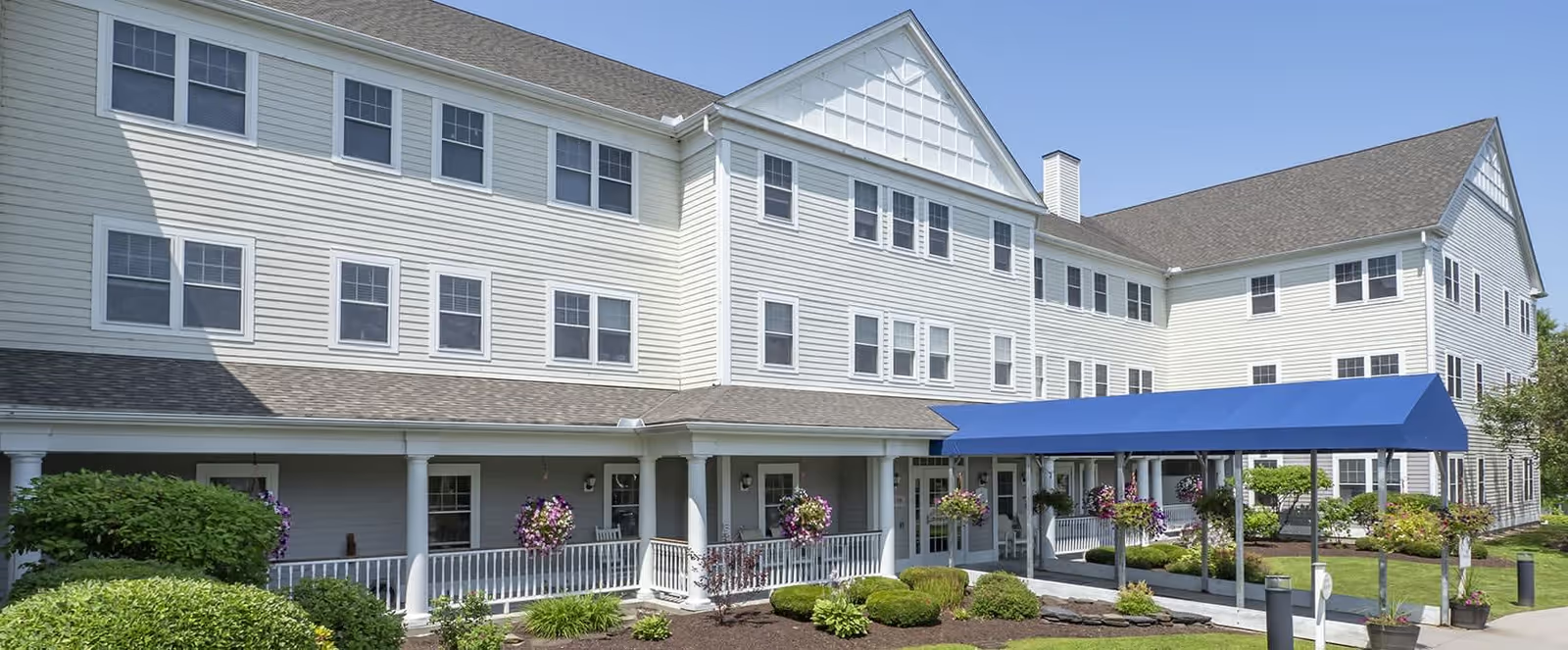
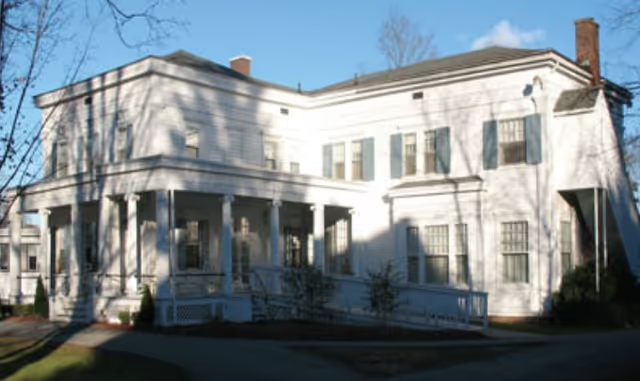
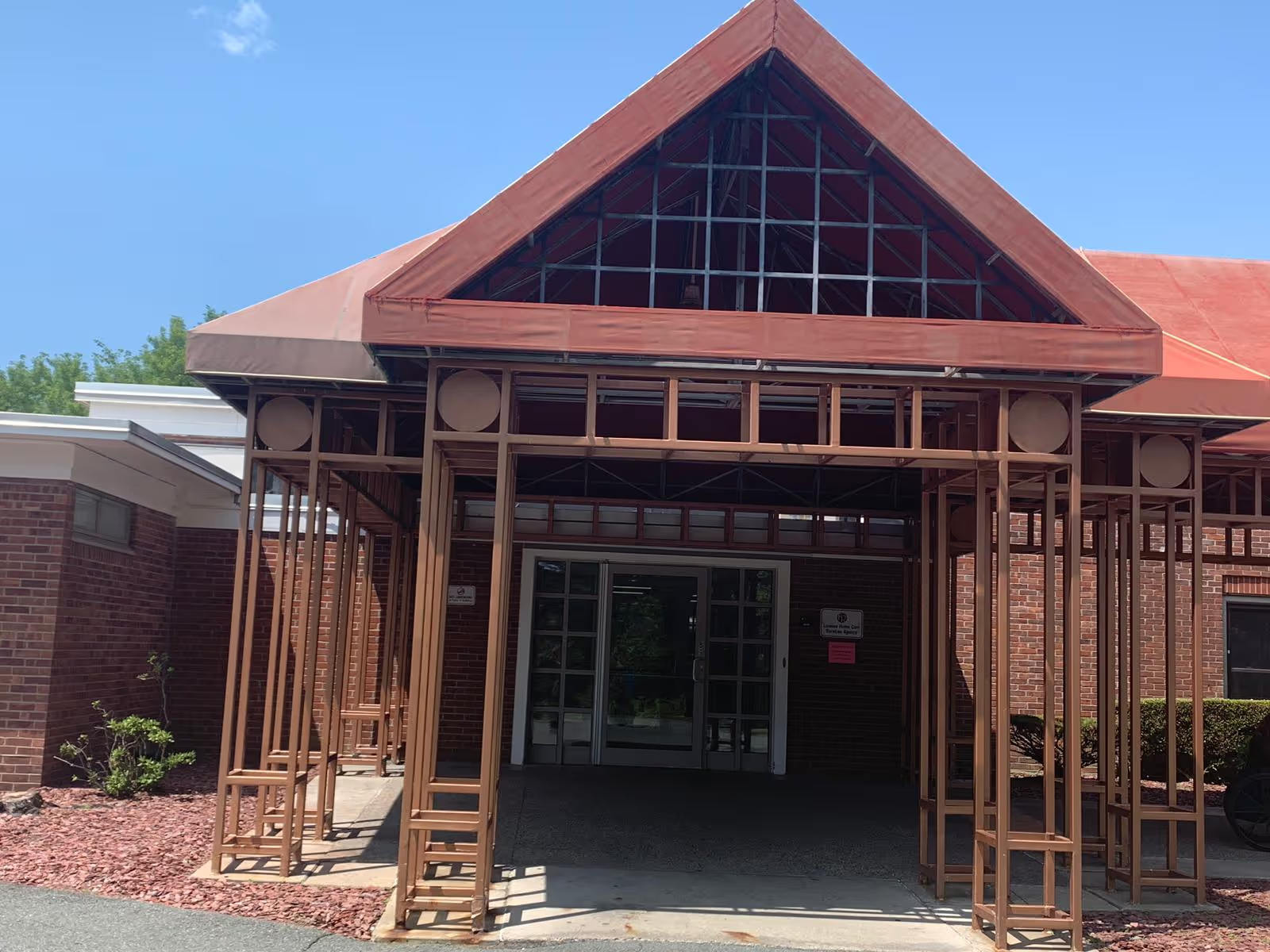
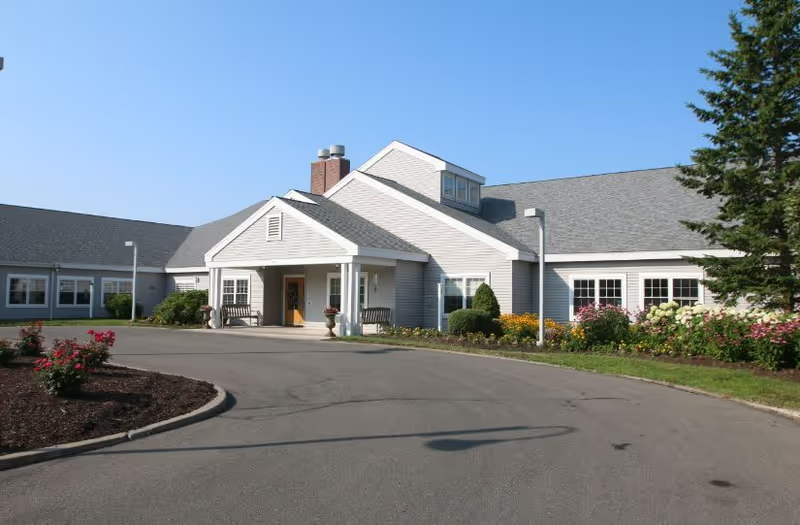
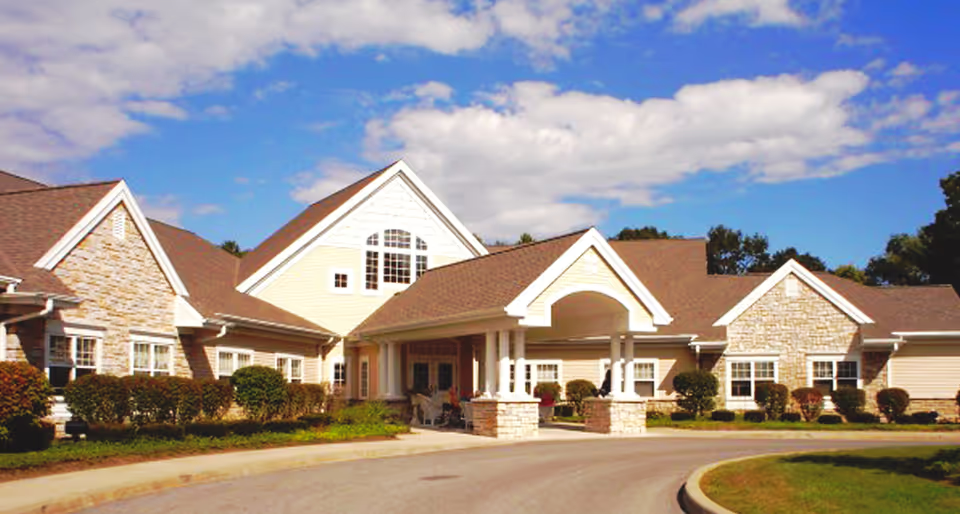
Facilities and safety: The physical plant is an older building with visible wear. Rooms and common areas are generally described as clean and bright, and private rooms with ensuite bathrooms are available; however, some units include small or double-occupancy rooms and parts of the facility retain an outdated aesthetic. Notable operational concerns include frequent, loud alarm activations and reports of delays in staff response to alarms, along with comments about fire-safety and perimeter protection that suggest the need for attention to emergency systems and outdoor security. The facility’s remote location and travel distance were also noted as practical limitations for visiting families.
Management and placement patterns: Danforth is positioned as an option for emergency or higher-acuity placements and is described as accepting residents with a range of needs. This mixed-acuity resident population can create placement mismatches and occasional safety issues when behavioral-health needs are present in the same units as more medically frail residents. On the positive side, administration is described as communicative and responsive on routine matters, and staff use remote communication tools to keep families involved.
Notable patterns and recommendation: Strengths center on staff quality, cleanliness, and available clinical coverage; weaknesses center on the aging facility, alarm/system responsiveness, and suitability for advanced dementia or complex behavioral needs. Prospective residents and families should weigh the benefit of attentive, experienced staff and onsite medical services against the facility’s physical limitations, noise/alarm environment, and potential placement-fit issues for late-stage dementia. An in-person tour focusing on room layout, alarm response procedures, outdoor security, and the center’s approach to higher-acuity dementia care is advisable before making a placement decision.