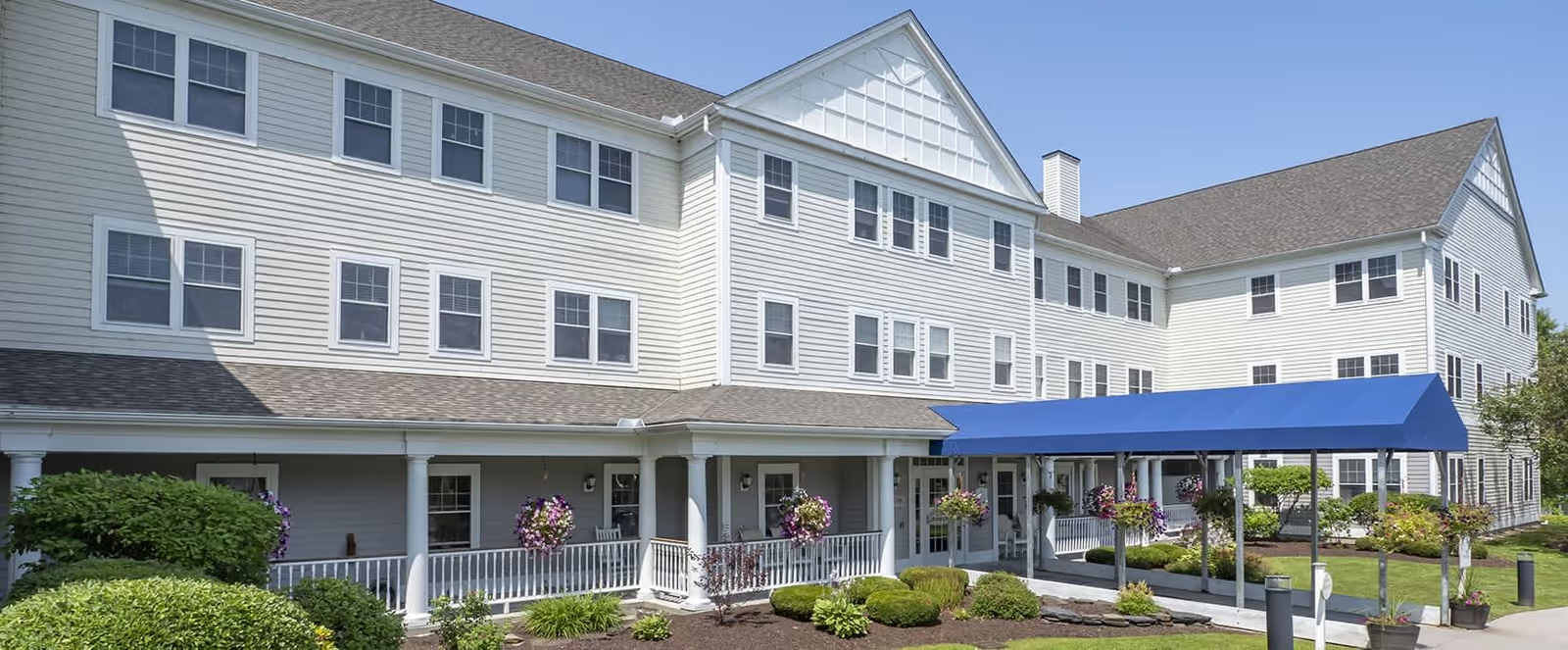
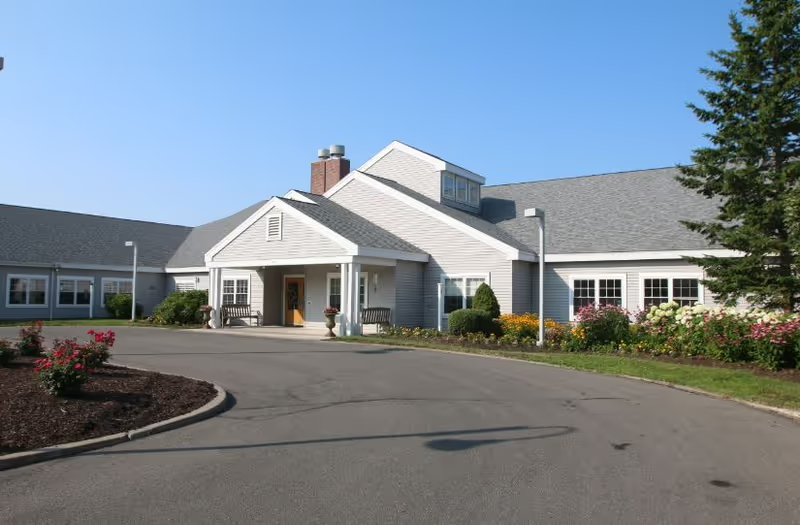
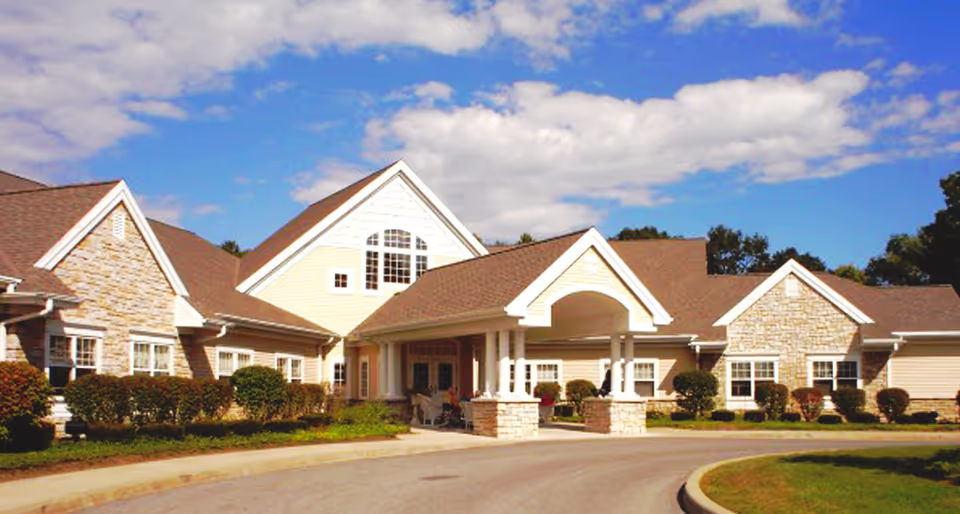
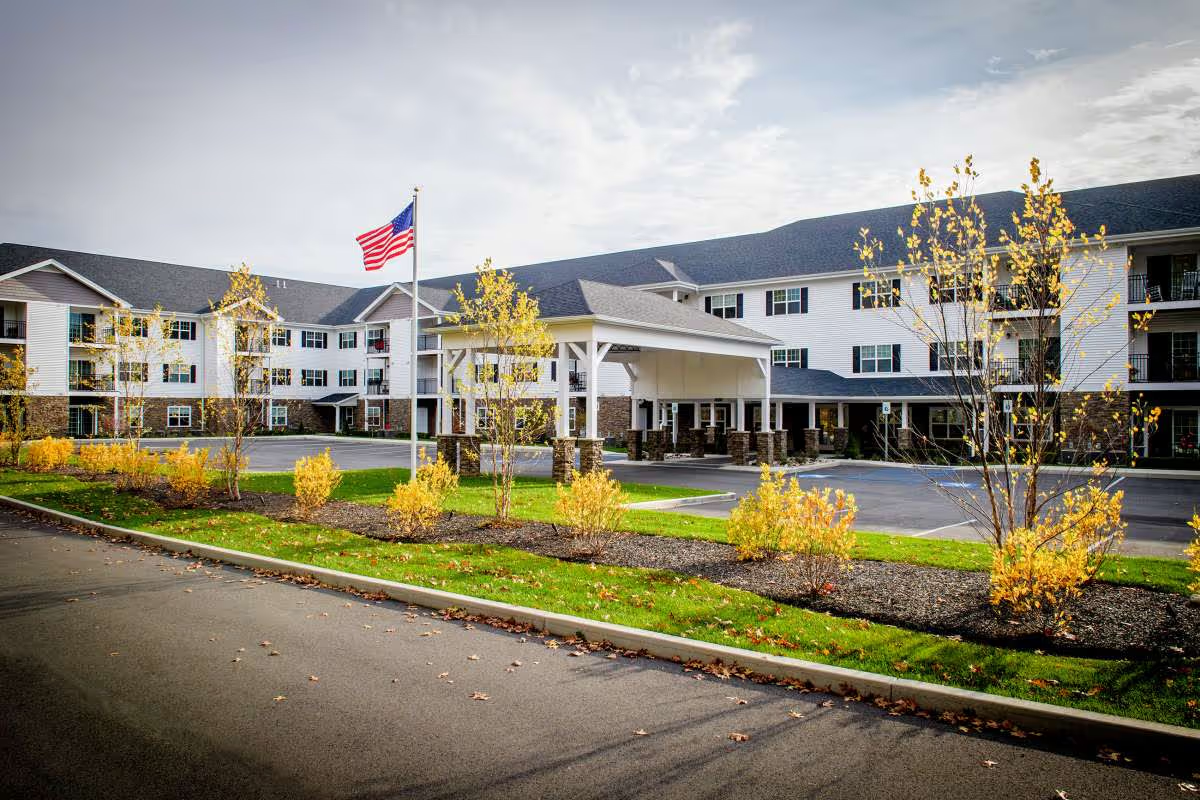
Reviews of The Center for Nursing and Rehab present a polarized picture. Many families and residents describe positive experiences: a clean, well-kept facility with bright, roomy common areas; engaging daily activities that are free to join; generally good dining; and rehabilitation programs staffed by skilled therapists. Numerous comments single out compassionate, professional direct-care staff and helpful administrative team members, which several reviewers said provided reassurance and effective coordination of care.
Conversely, a subset of reviews raises significant operational concerns that affect clinical safety and satisfaction. The dominant themes in those accounts are inconsistent staffing (including high patient-to-staff ratios), delays in responding to resident needs, and gaps in clinical oversight such as limited physician availability. Relatedly, communication problems between staff and families — including abrupt phone interactions and slow family notification after incidents — are described and appear to compound family dissatisfaction when clinical issues arise.
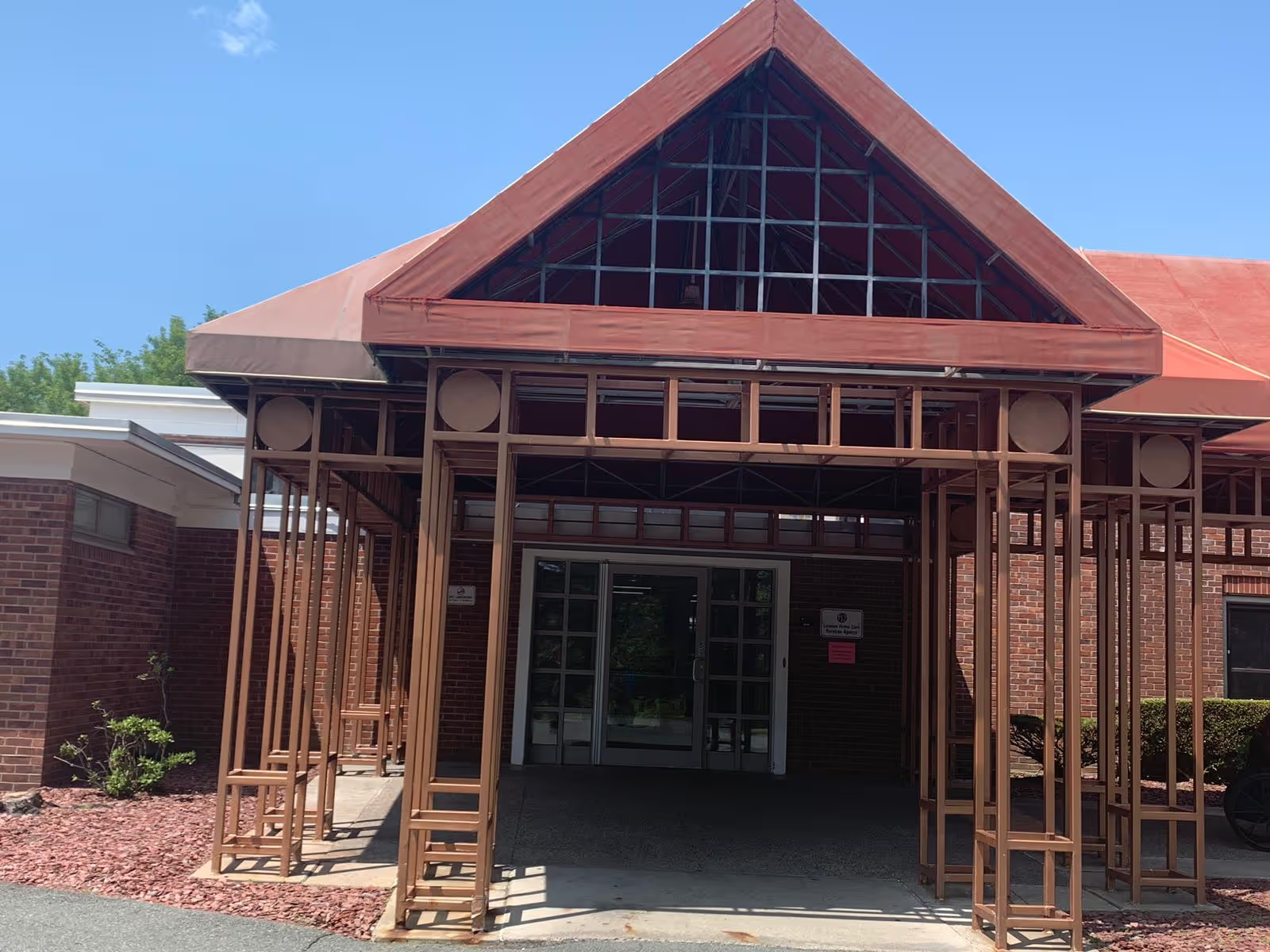
Facility-level operations also show mixed signals. On the positive side the building and grounds are frequently described as well maintained and welcoming. On the negative side, several reviewers cite sanitation and odor-control issues in parts of the facility and inconsistencies in personal-care routines such as bathing schedules. Separate but related operational weaknesses include uneven processes for handling and returning resident personal effects and concerns about informed-consent practices for personal-care decisions.
Management and leadership comments vary. Multiple reviewers praise strong leadership and specific administrative staff for being professional and helpful; others describe a period of transition during which staffing and readiness were strained. The transition-period accounts suggest that turnover and onboarding may have affected day-to-day operations for some residents. A small number of reviews raise serious allegations, including concerns following a resident's death; those accounts warrant review of state inspection records and facility incident histories to understand context and any regulatory follow-up.
For prospective residents and families: verify current staffing levels and typical staff-to-resident ratios for the unit you are considering; ask about physician coverage and clinical-incident notification protocols; review policies for handling resident belongings and informed-consent processes; and request recent inspection reports. An in-person tour combined with conversations with therapists, nursing leadership, and the business office can help clarify whether the facility’s strengths align with your expectations and whether operational concerns have been addressed since the time of the reviews.