The Arbors Assisted Living Communities at Westbury presents a mixed but largely positive profile for prospective residents who are socially engaged and require assistance at an assisted‑living level rather than high-acuity nursing care. Many families highlight warm, personable frontline staff, long-tenured caregivers, and a wellness/case-management structure that helps residents settle in and maintain routine medical oversight. On-site physician access and therapy services are noted strengths, and some clinicians and case managers receive particularly high praise for responsiveness and coordination when it occurs.
Dining and social life are prominent positives for many residents. The community offers restaurant-style meal service, a visible chef and culinary staff who are praised for gourmet preparations, and a range of daily activities — from games like Rummikub and Bingo to music, dancing, gardening, art shows, and regular outings. Pet therapy, seasonal events, and an active transportation schedule contribute to a social, home-like atmosphere that many residents and families describe as life-enhancing. Daily housekeeping, laundry service, and furnished studio options further support independent living and ease of transition.
At the same time, reviews describe variability in operational consistency. Staffing levels and responsiveness vary by shift and over time; several families experienced slower response on night shifts or when a family was not present to advocate. Relatedly, some reviewers raised sanitation concerns in particular rooms or common areas and noted lapses in personal-care follow-through such as incontinence-care timeliness. Pest-control issues and uneven housekeeping quality were mentioned in a subset of accounts, and reviewers linked some of these concerns to recent staff turnover.
Dining is generally a strength but also inconsistent: while many residents praise the chef and meal presentation, other comments cite dry or limited menu options and occasional lower-quality entrées. Prospective residents should ask about menu rotation, accommodation for preferences, and how the community manages culinary quality control. Activity programming is robust during daytime hours, but several reviewers noted limited evening or late-night offerings, which may matter for residents who prefer later social schedules.
Administrative and management patterns are another area to review closely. There are recurring accounts of billing or refund disputes, upfront charges, and sales‑process frustrations for some families. Clinical communication and discharge/readmission coordination have been described as uneven in certain cases; reviewers advise clarifying written policies on hospital returns, post‑hospital readmission, and medication management before move-in. The community is not positioned as a high‑acuity or fully licensed memory‑care provider for residents requiring intensive dementia or nursing services.
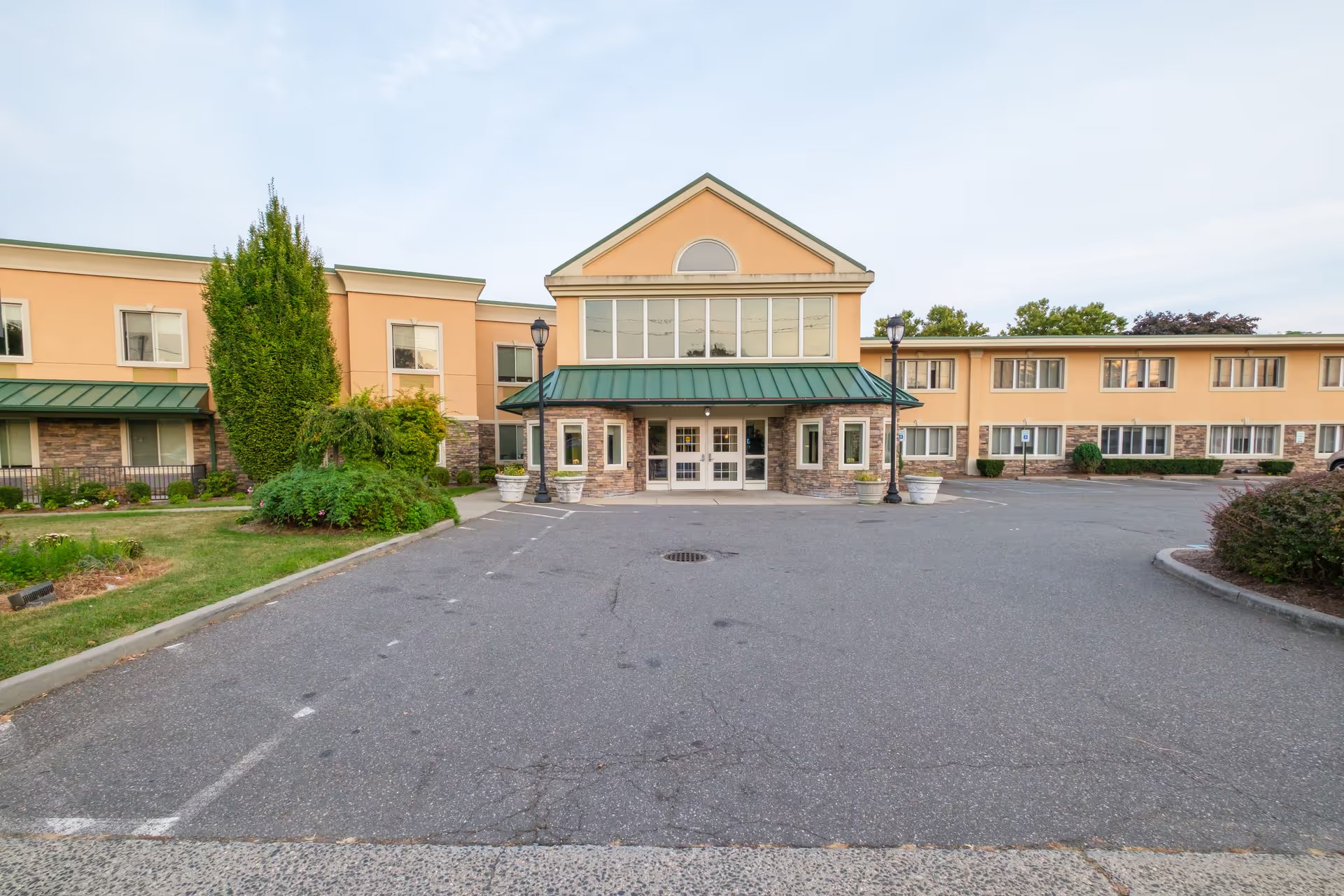
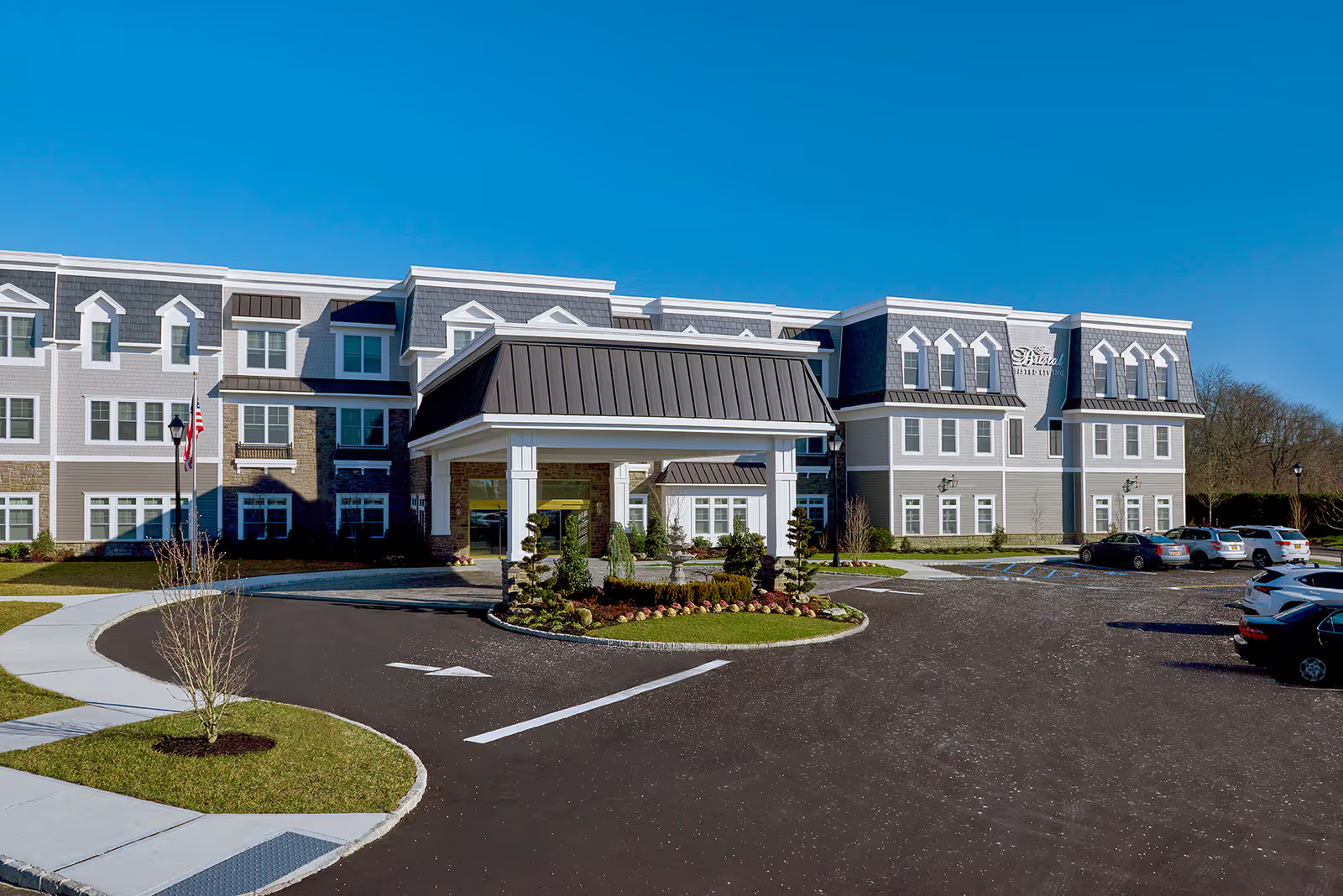
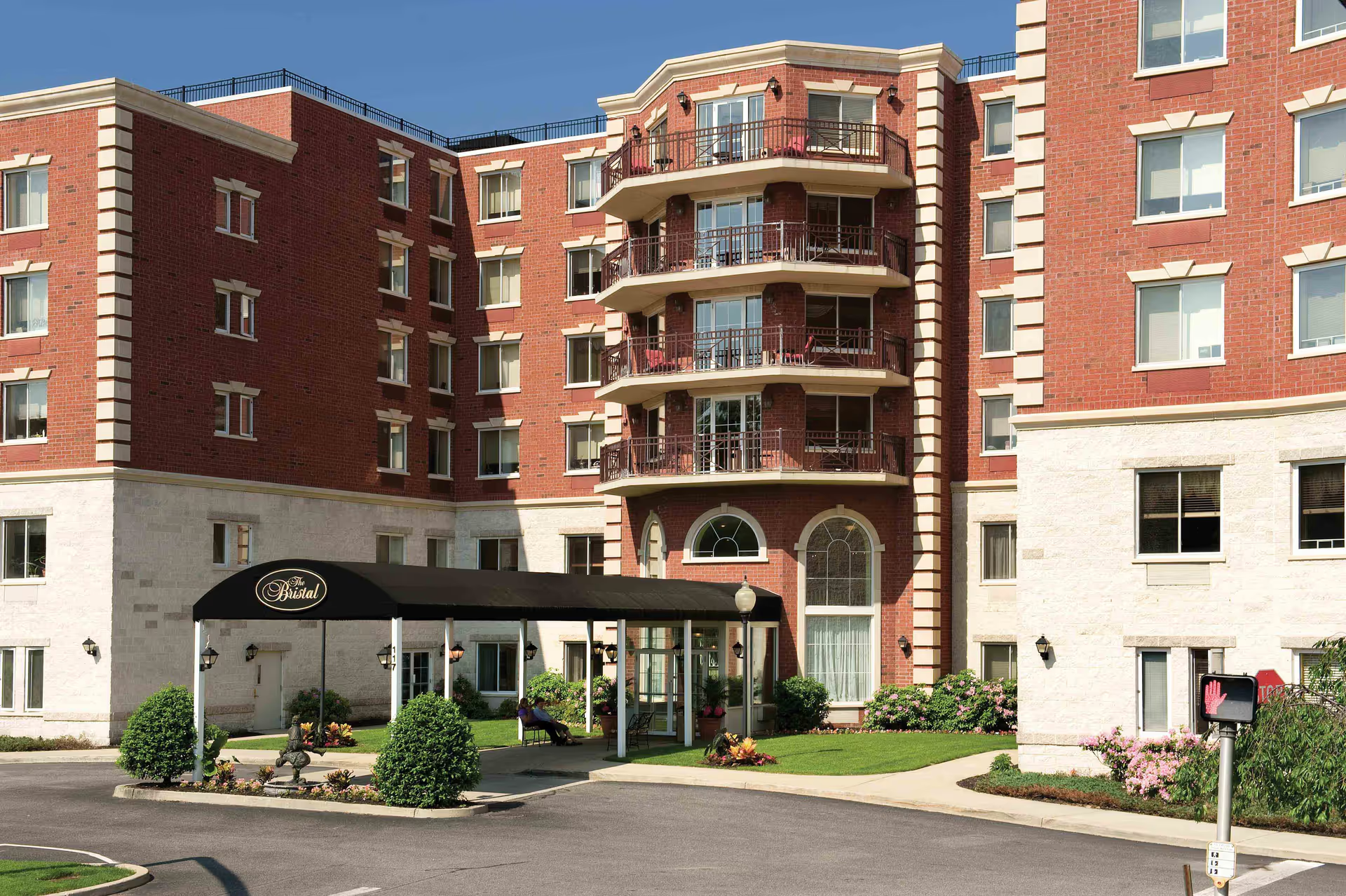
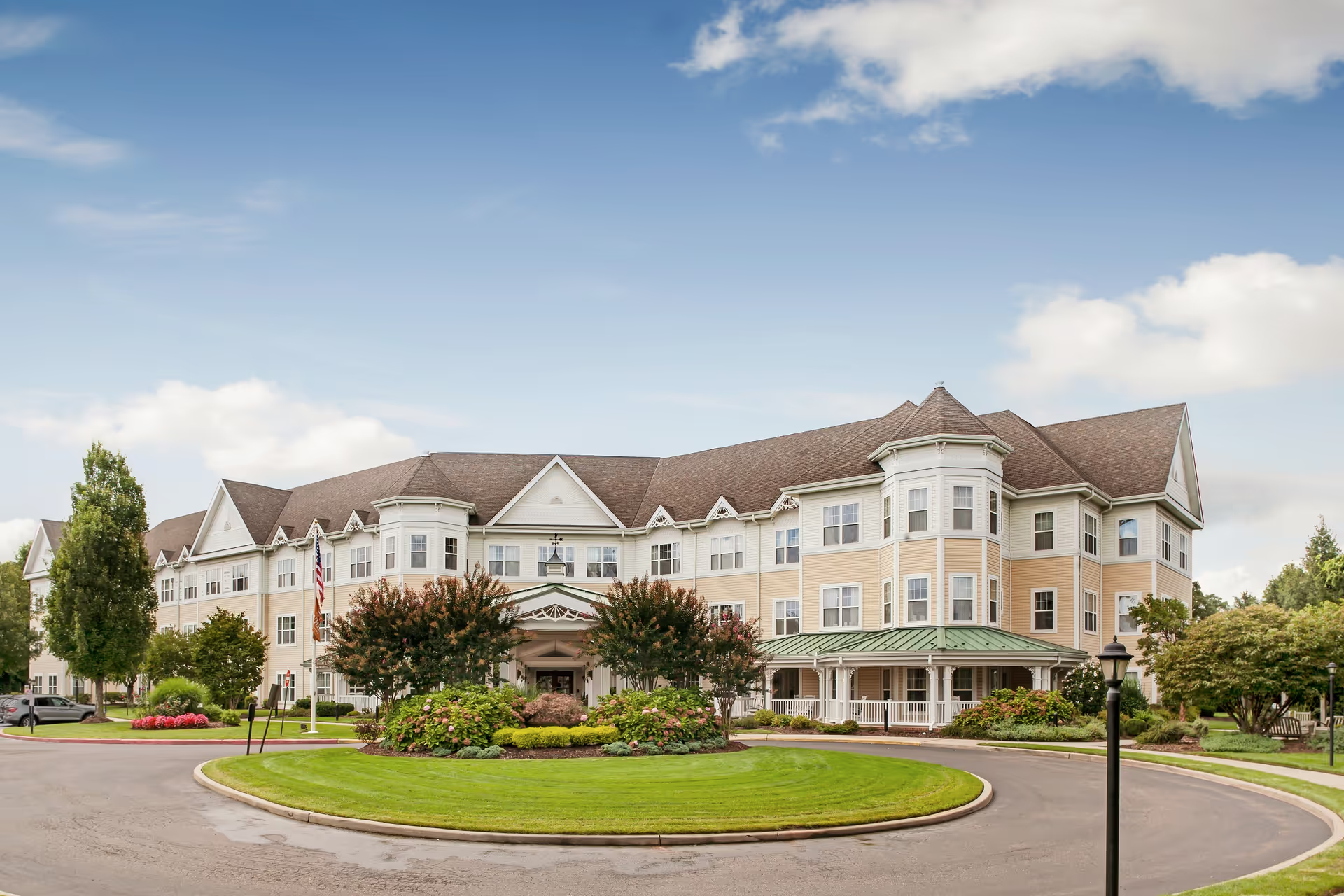
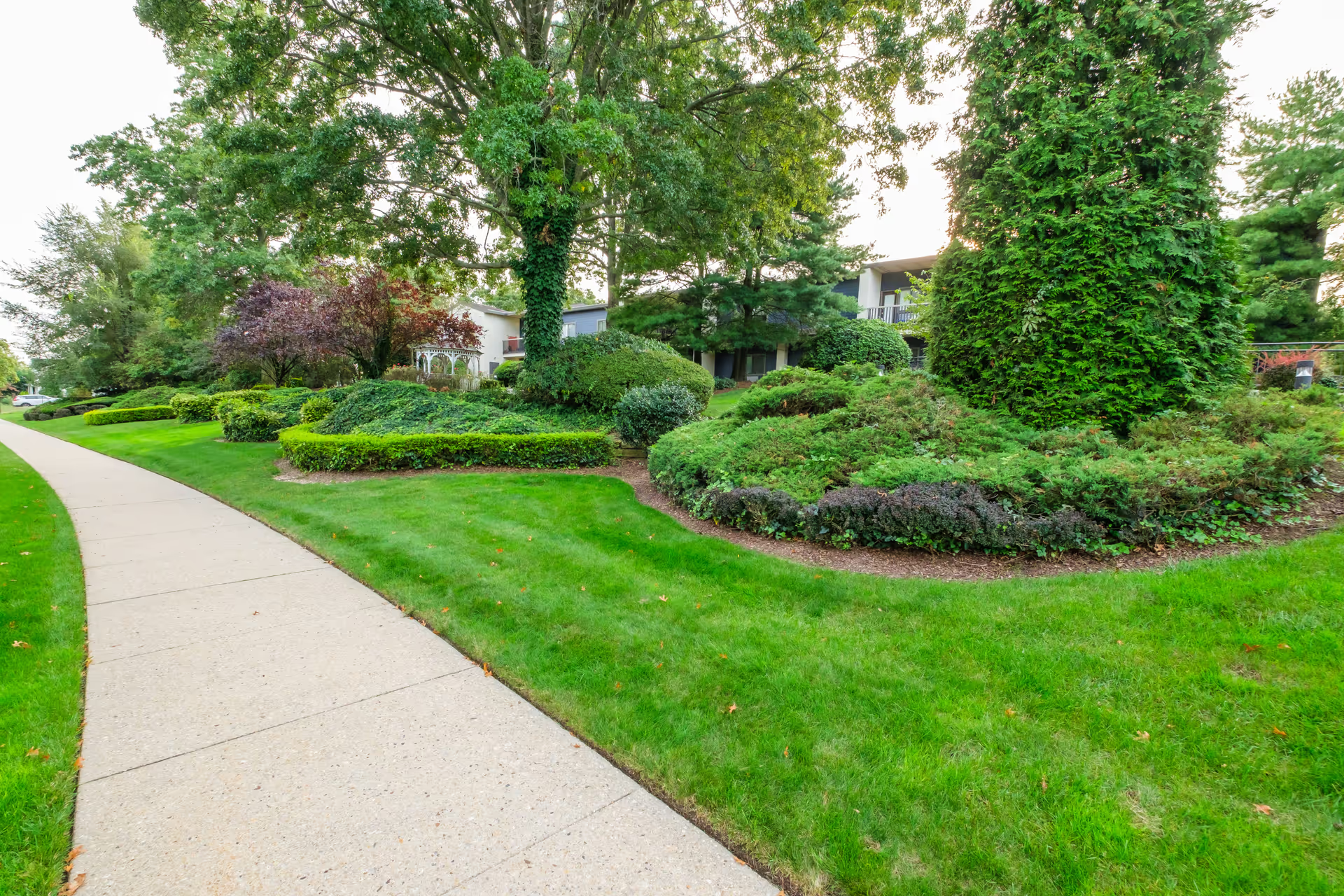
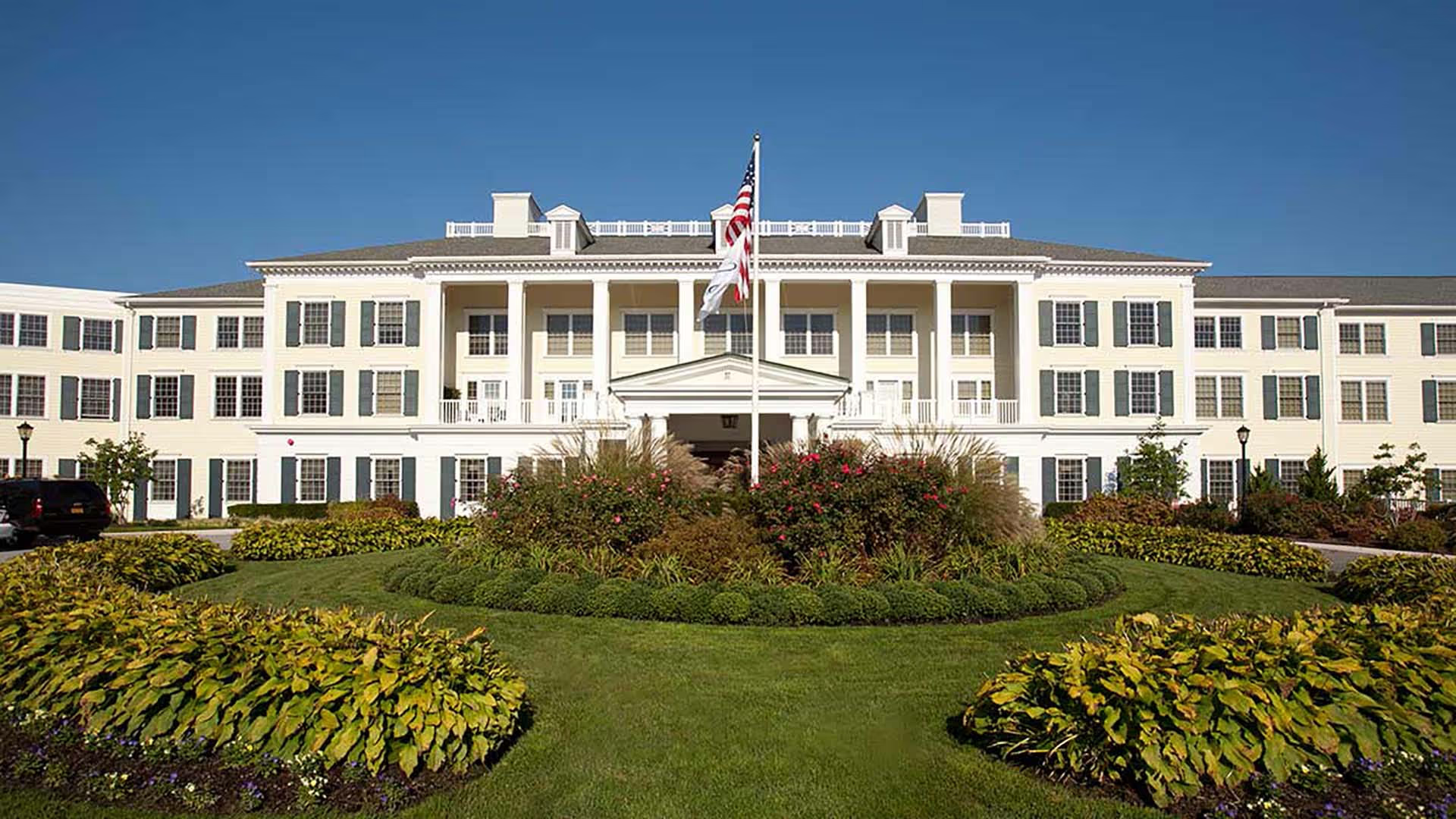
Facility-wise, the property offers renovated units and attractive common areas, but portions of the building show deferred maintenance according to some observers. Unit sizes skew toward studios and smaller layouts; families seeking larger one-bedroom or higher‑space options should verify availability. Finally, while many families describe The Arbors as clean, welcoming, and well-staffed, the pattern of variable experiences—especially around staffing reliability, sanitation in some units, pest control, and administrative transparency—suggests prospective residents and their families should investigate those specific operational areas during tours and in contract discussions.
Bottom line: The Arbors at Westbury can be a strong option for socially active residents who value a staffed, all‑inclusive assisted‑living setting with robust daytime activities and on-site clinical resources. However, families should confirm staffing patterns by shift, pest-control procedures, housekeeping standards, dining consistency, readmission policies, and billing/contract terms before committing, particularly if higher-acuity care or larger private units are anticipated needs.