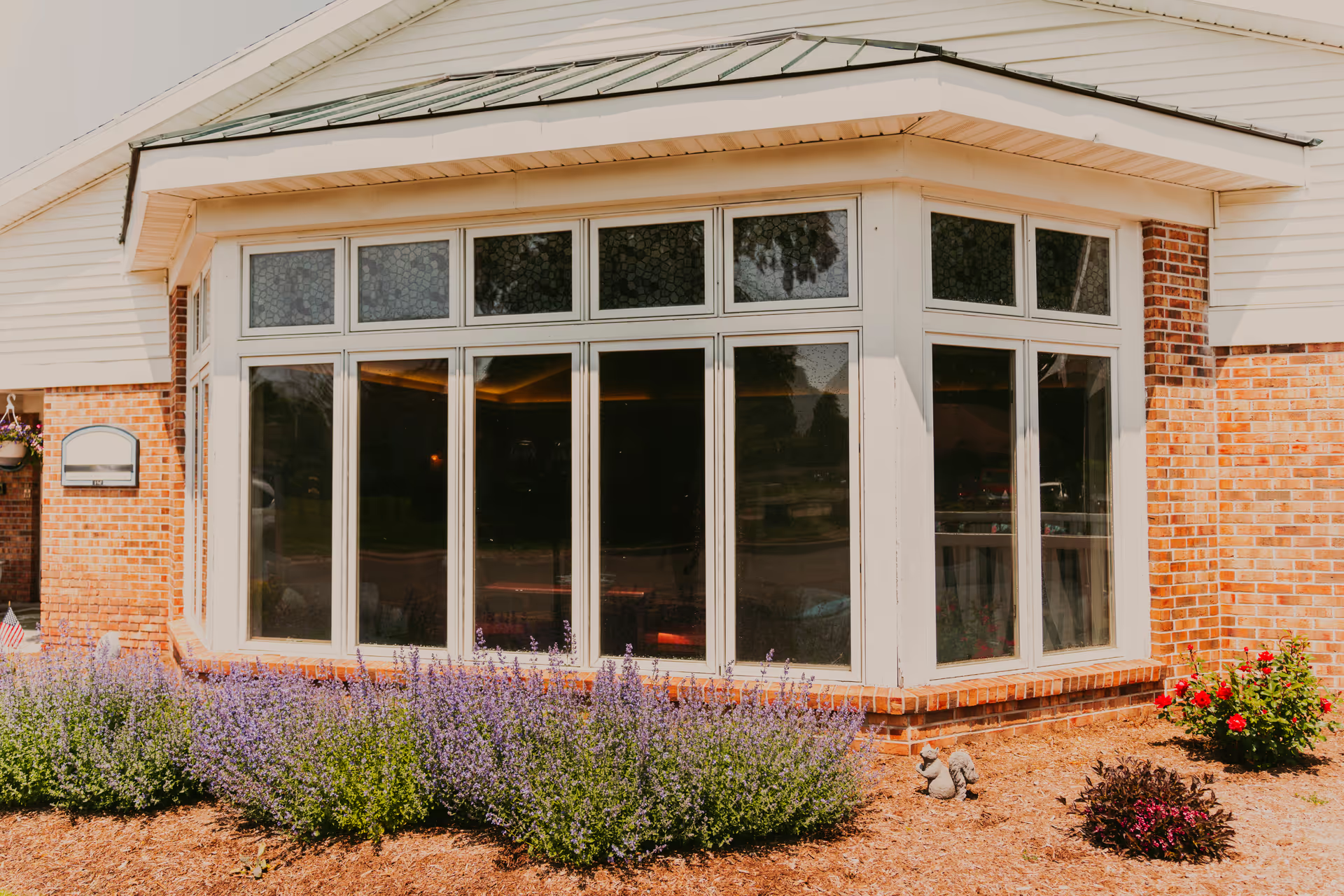
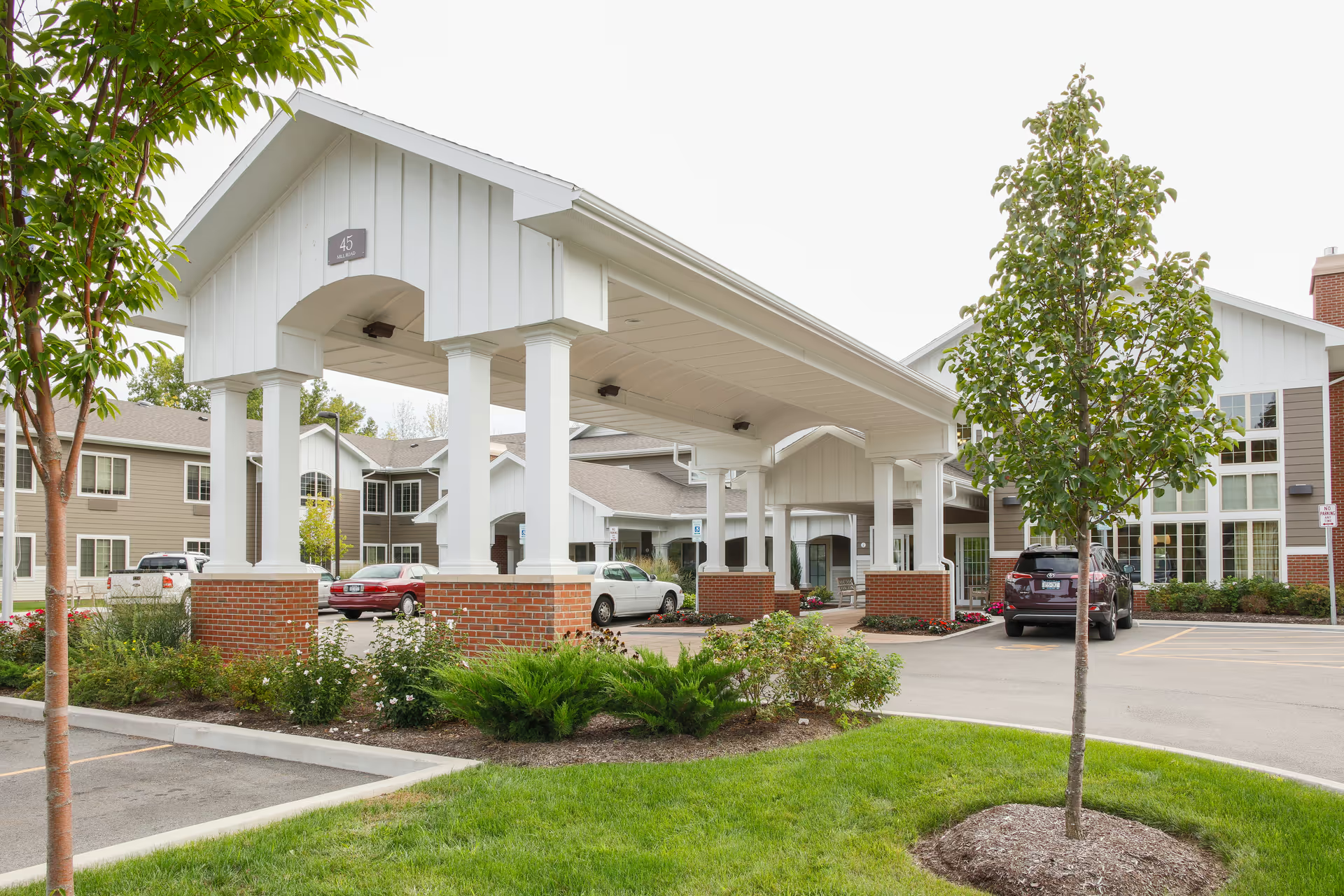
Reviews present a mixed and polarized picture of Leroy Manor. On one hand, reviewers describe many frontline caregivers as attentive, compassionate, and effective — highlighting a collaborative care team, engaging activities (including dementia-specific programming), assistance with Medicaid paperwork, and timely benefits processing. Several accounts emphasize positive day-to-day experiences: staff who are responsive during urgent events, an overall welcoming atmosphere, and well-maintained common areas and activity spaces.
On the other hand, there are recurring operational concerns that reviewers associate with uneven care quality. Medication-administration controls, staffing reliability, and management responsiveness emerge as key patterns. Specific operational weaknesses include inconsistent medication management, variable staff professionalism and fitness-for-duty, frequent no-shows or gaps in coverage, and delays or evasiveness in communication with families and external providers. Multiple reviewers describe problems with clinical documentation and with transferring records to other facilities, which can hinder care continuity.
Dining and facilities feedback is similarly mixed. Some reviewers appreciate clean, organized areas and active programming; others describe sanitation and odor concerns in portions of the facility and question certain meal-service practices. Recreational programming and dementia-focused activities are commonly cited as strengths, but dining consistency and food management practices are noted as areas needing improvement.
Management and governance issues are a prominent theme. Reviewers raise concerns about transparency, inconsistent responses from administrative staff, defensive communication, and perceived lack of investment from ownership. There are also serious individual complaints that have generated legal action and concerns following a resident's death, and there are allegations of staff misconduct, including claims involving racial bias; these items indicate the need for thorough administrative review. Family-notification practices and post-incident follow-up are described as inconsistent, which compounds worries about overall accountability.
In summary, Leroy Manor appears to offer meaningful strengths in direct care, activity programming, and benefits assistance, but those positives are counterbalanced by operational variability that affects safety, communication, and consistency of service. Prospective residents and family members should weigh the facility's praised caregiver qualities and programming against the documented management, staffing, medication-management, and cleanliness concerns. Asking specific questions about medication administration protocols, staffing ratios and schedules, emergency escalation procedures, record-transfer processes, and dining oversight — and seeking recent inspection or legal-resolution documentation — would help in evaluating whether the facility's strengths are reliably sustained.