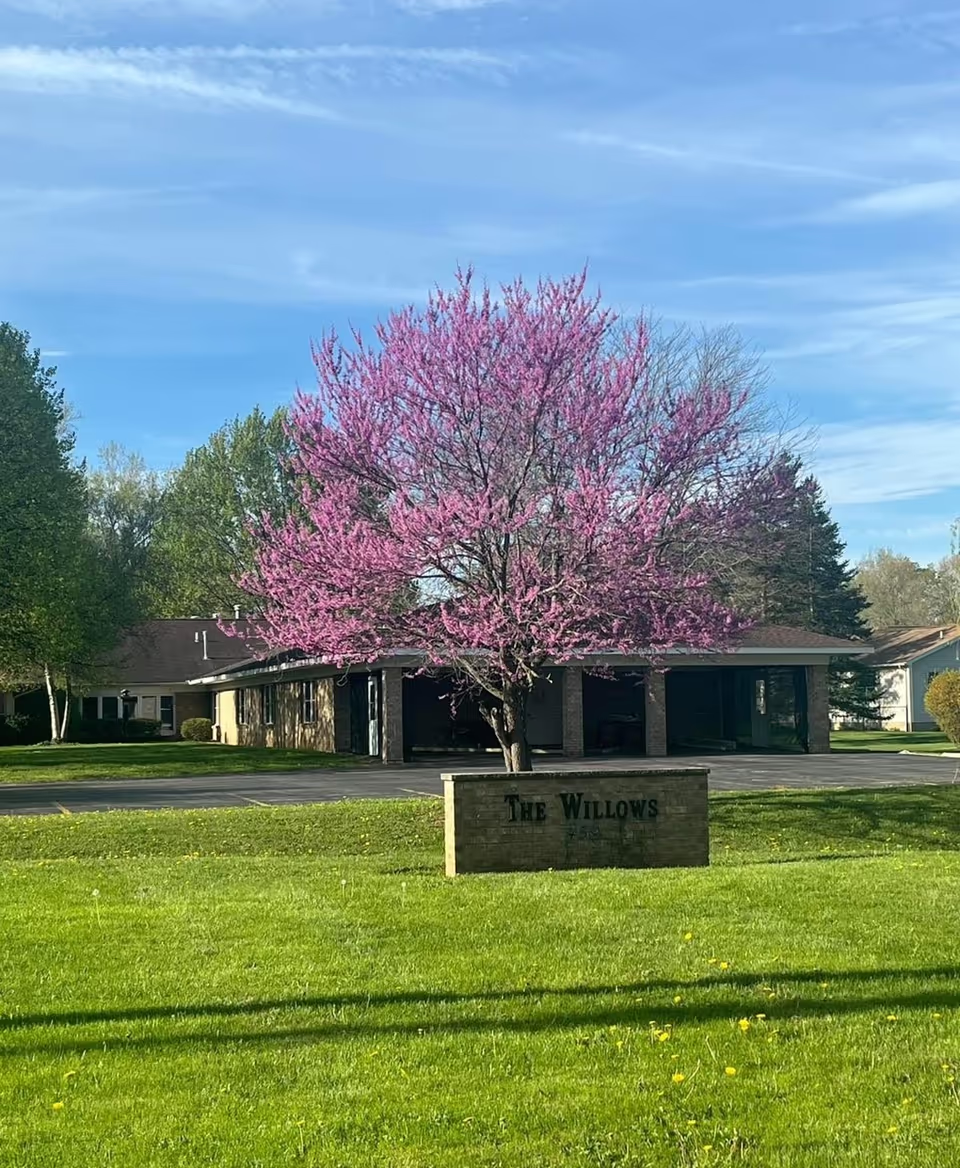
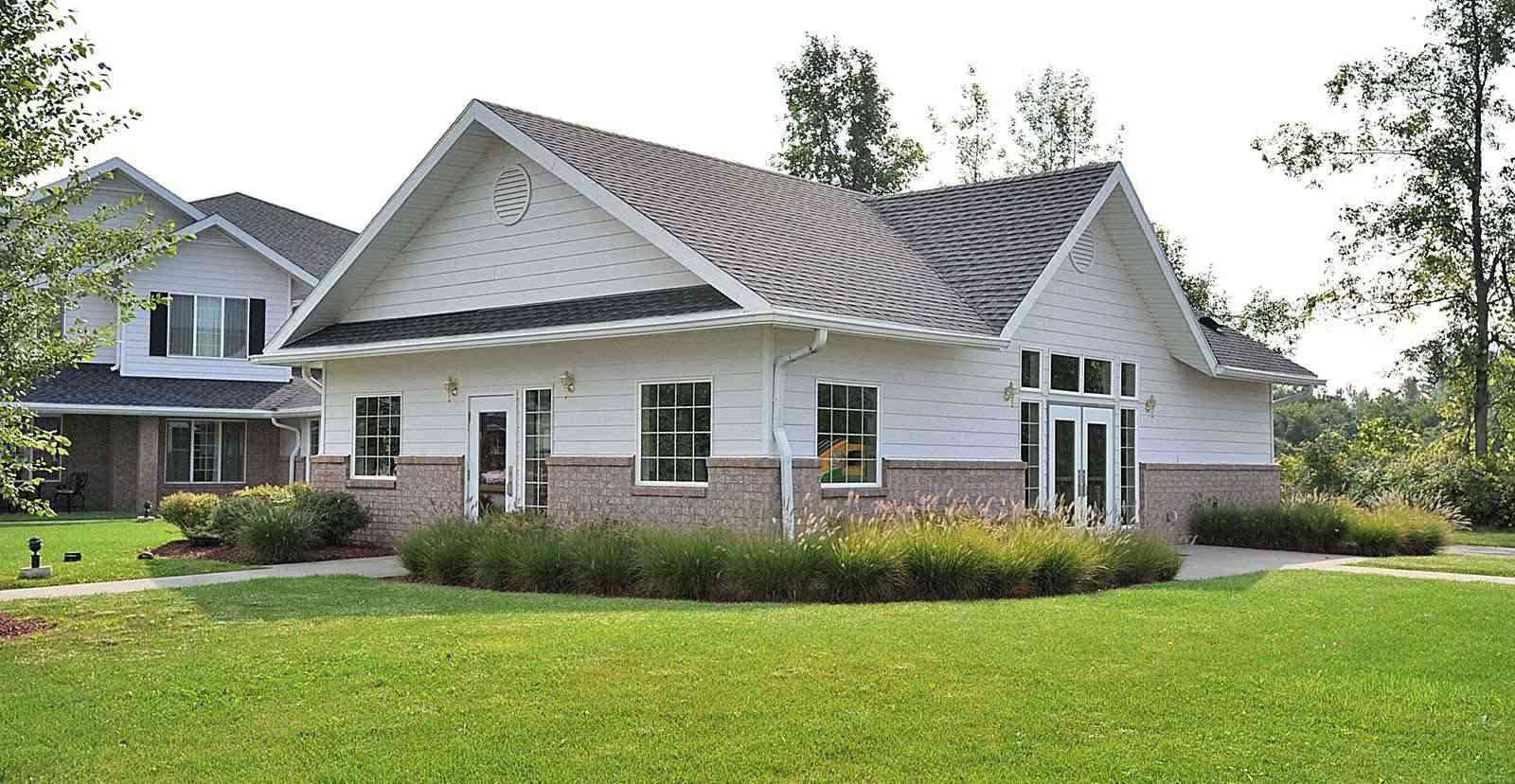
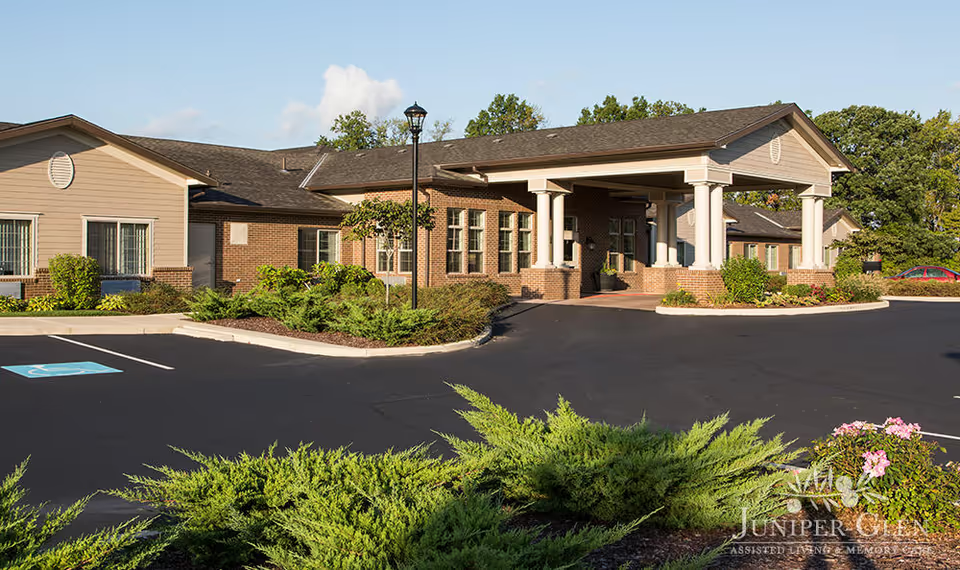
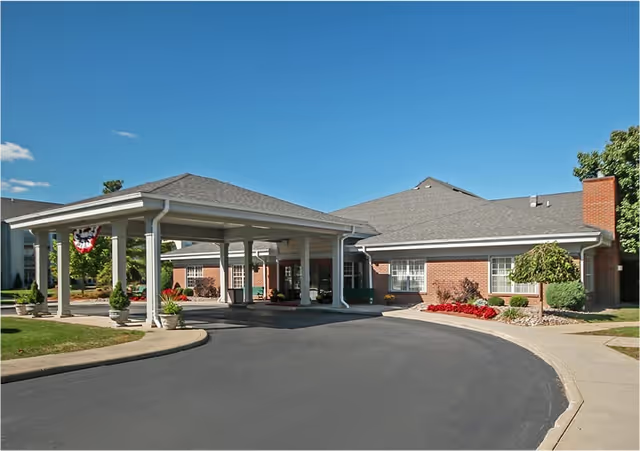
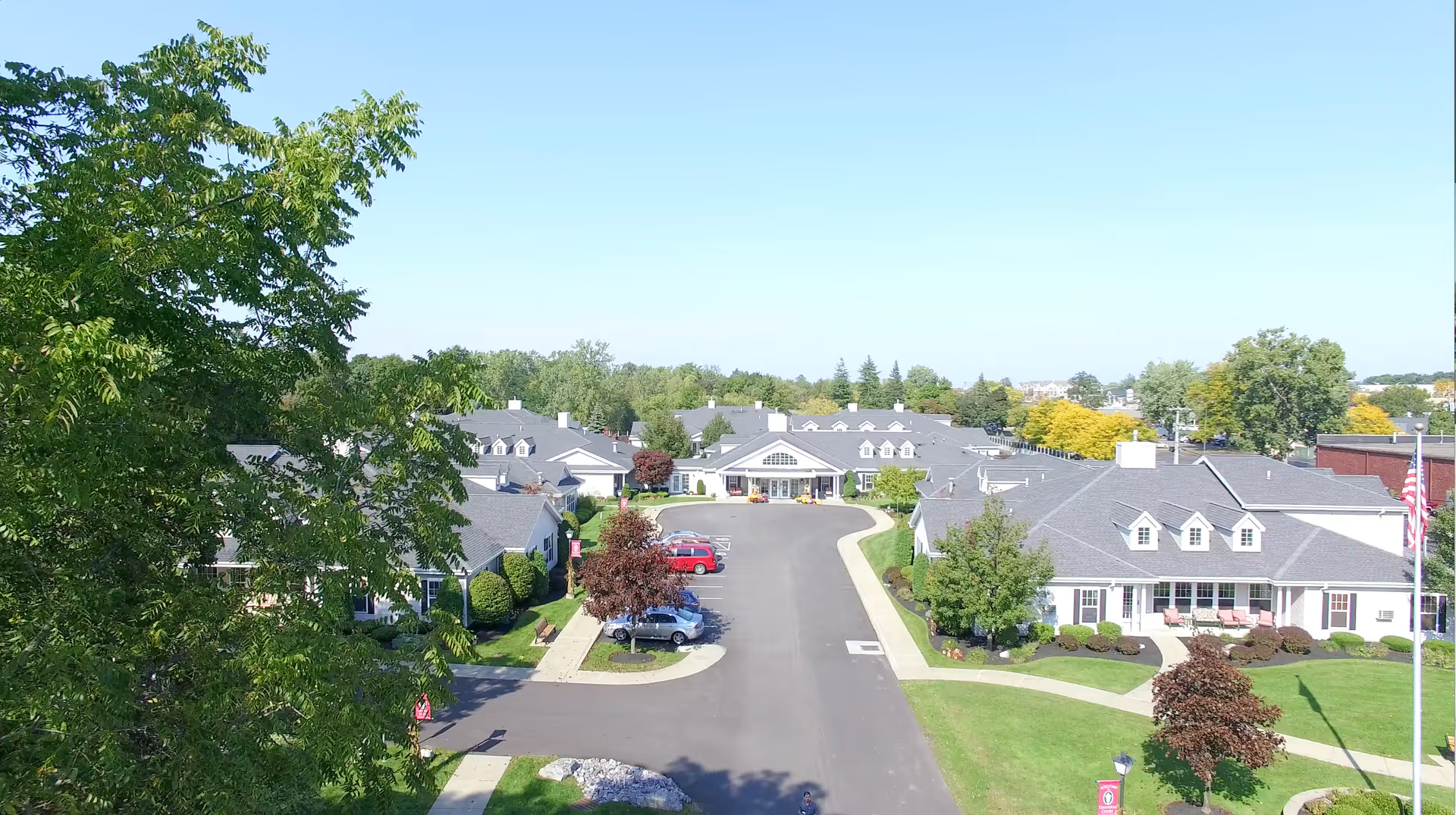
The reviews for Orchard Rehabilitation and Nursing Center present a polarized picture. Many families and residents describe positive clinical outcomes — particularly in rehabilitation — and point to therapists and aides who deliver effective PT/OT, individualized mobility support, and measurable functional improvement. In those accounts the facility appears clean, welcoming, and comfortable, with pleasant communal areas, an attractive dining room, engaging activities (including music and group socializing), and social workers who facilitate communication and discharge planning.
Counterbalancing those positive reports are repeated operational concerns. A significant theme is inconsistent staffing and responsiveness: reviewers describe delayed responses to call lights, limited direct-care interaction at times, and variable availability of aides and nurses. These staffing inconsistencies are tied to safety and supervision issues for residents with cognitive impairment, including inadequate monitoring of unsupervised residents and roommate conflicts that left some families uneasy.
Sanitation and dining emerged as mixed domains. Many reviewers praised overall cleanliness and upkeep, while others raised sanitation concerns in specific areas and described episodic failures in room and bathroom maintenance. Dining impressions vary from very satisfied (choice-driven menus, pleasant dining spaces) to critical (inconsistent food quality, limited accommodation for special diets). Several families also noted interruptions to expected meal service or incorrect meal delivery.
Activities and programming are similarly inconsistent across accounts. Some residents experienced robust, creative activities and a lively communal environment; others reported that activities were infrequent or poorly staffed. Where programming was strong, families highlighted socialization, music, and attentive activity staff; where weak, reviewers described minimal engagement and limited therapeutic group offerings.
Management and administrative themes include mixed experiences with communication, billing, and follow-up. Positive reports describe clear communication from social work and case-management staff and helpful discharge support. Negative accounts cite billing errors, slow or inaccurate front-desk communication, and perceptions that administrative priorities did not always align with resident needs. A small number of serious allegations — including concerns about staff substance use while on shift and medication-access issues — were raised; these are sufficiently serious that prospective families may wish to ask directly about staff screening, supervision, and medication-management protocols.
Overall, Orchard shows strengths in rehabilitation outcomes, certain staff members and social-work support, and facility appearance in many units. However, the variability in staff responsiveness, sanitation in specific contexts, dining accommodation, activity consistency, and administrative follow-through suggests that experiences can differ greatly depending on unit, shift, and individual staff. Prospective residents and families should tour in person, ask targeted questions about staffing ratios, dementia supervision, infection-control measures, special-diet policies, discharge coordination, and complaint-resolution processes, and request recent inspection or quality-report documentation to gauge current performance trends.