Overall impression: Reviews present a mixed but coherent pattern. Many families describe meaningful quality-of-life improvements after moving into the community — residents becoming more engaged, conversational, and active — and they highlight a generally welcoming atmosphere, a range of daily activities, and dining that is well received. At the same time, several substantive operational concerns are raised around dementia care, staffing consistency, and family communication that prospective residents and their families should evaluate during a visit.
Care quality: Positive accounts emphasize social and emotional benefits: increased independence, reenrollment in activities, improved mood, and restored sense of humor for some residents. These outcomes suggest effective programming for residents whose needs match the community’s offerings. However, multiple accounts identify care-level mismatches and safety shortcomings in the memory-care setting. Families describe instances that point to weaknesses in supervision and in dementia-appropriate interaction strategies. There are also concerns about medication administration practices and a lack of transparent notification to families, indicating a need for clearer informed-consent and medication-communication protocols.
Staff and management: Staff are frequently described as friendly, attentive, and consistent in many interactions, contributing to residents’ improved engagement. Conversely, reviews also note inconsistent conduct and variable attentiveness across staff, with some families reporting an abrasive communication tone with residents or insufficient training for dementia-specific behaviors. Management-level issues include inconsistent family communication and limited on-site skilled nursing capacity; several families indicated they had to seek a higher-acuity placement elsewhere or remain on a waitlist for nursing-level care. These points suggest variability in staffing levels, training, and care-placement processes.
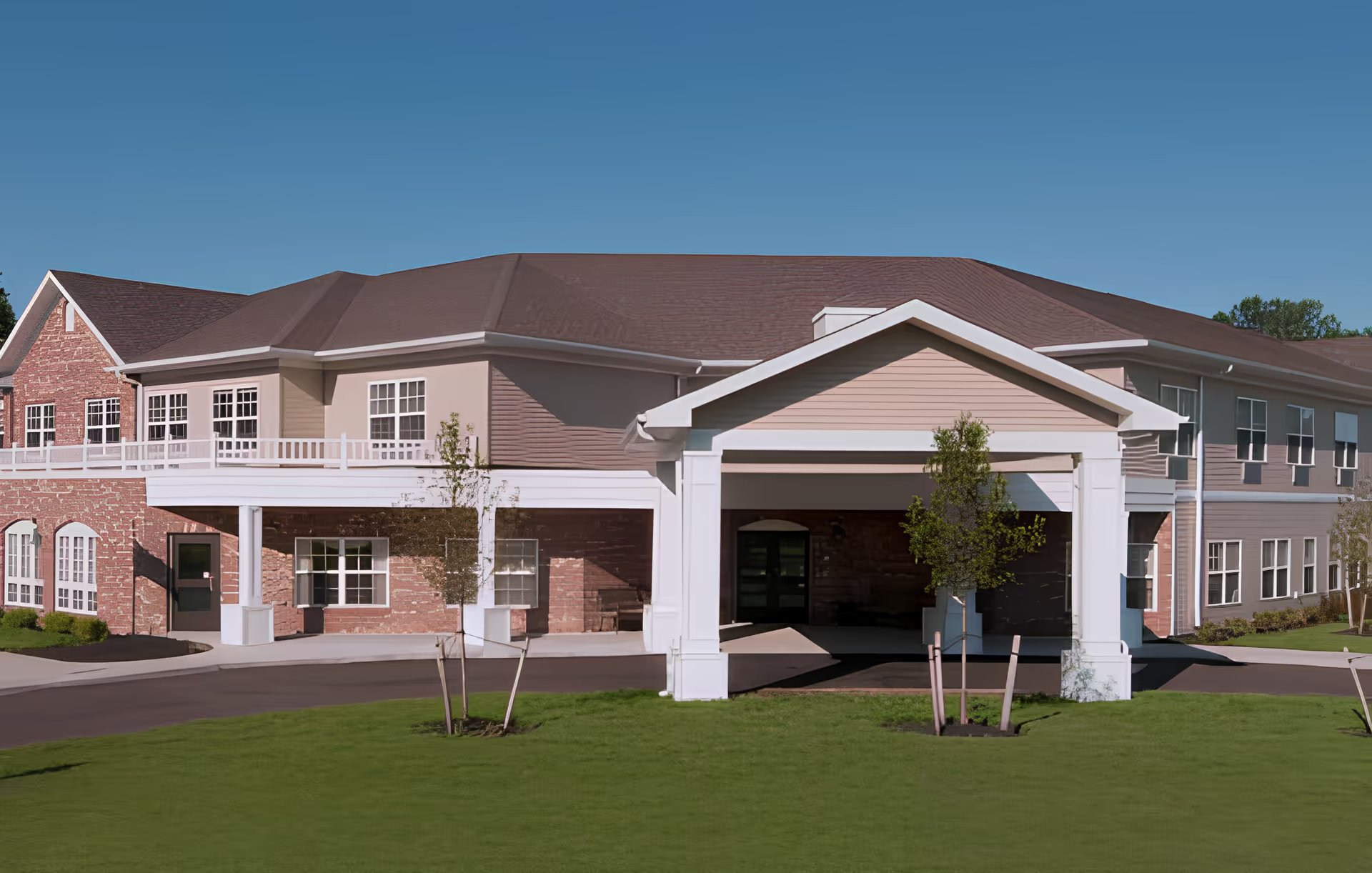
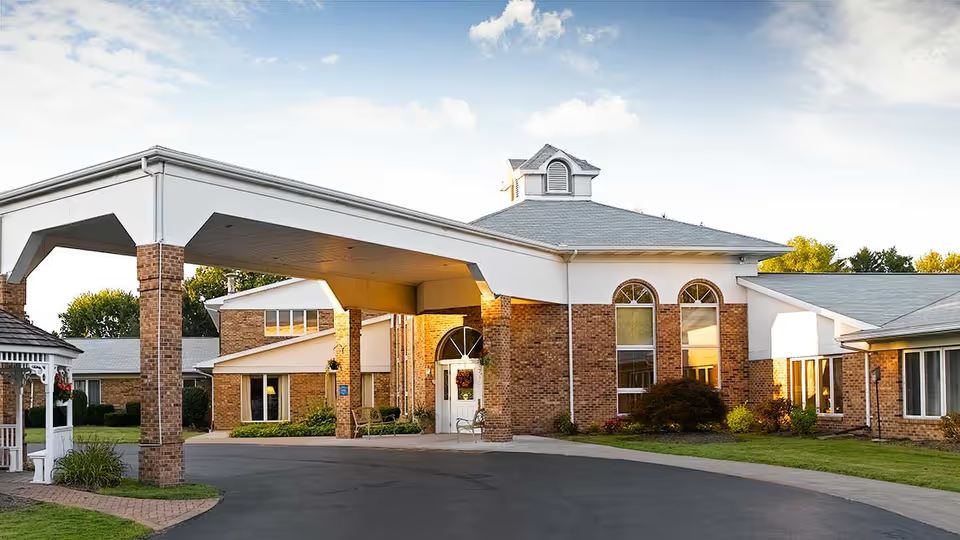
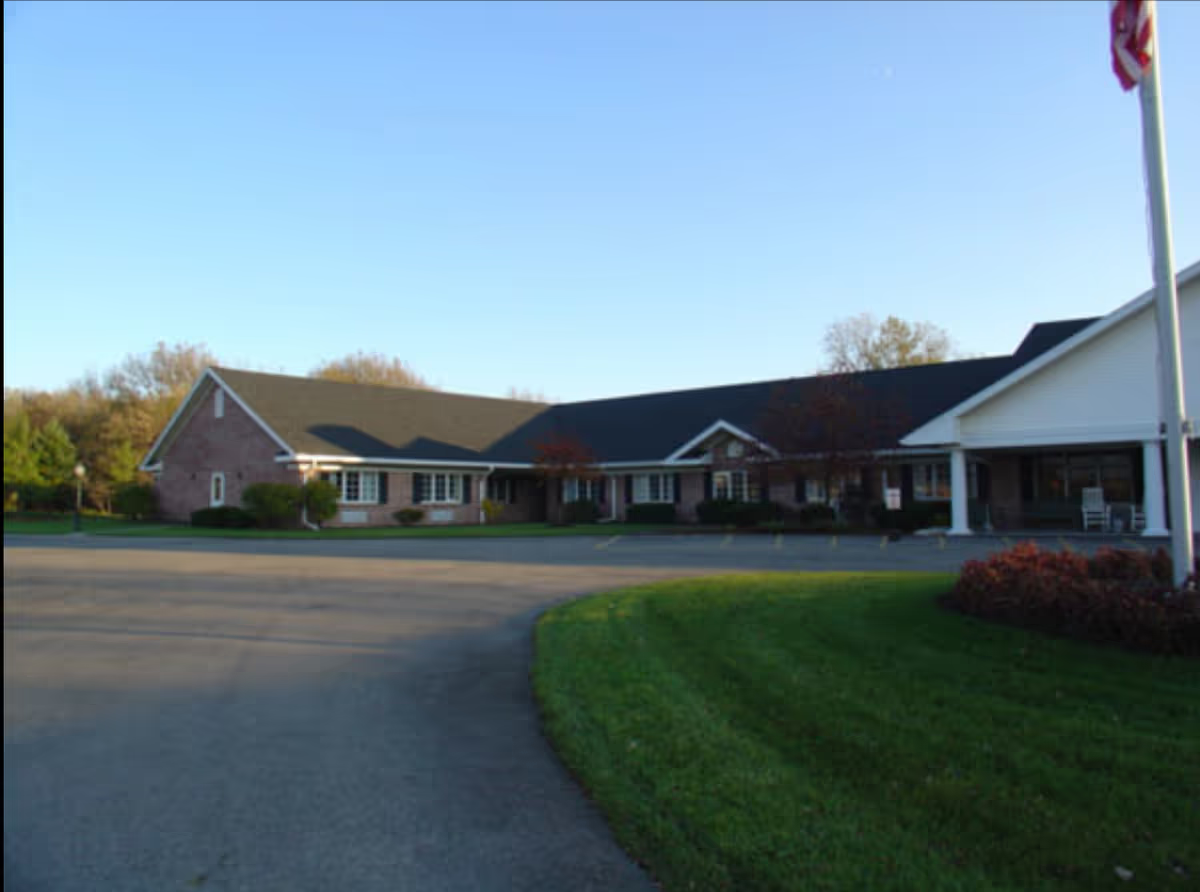
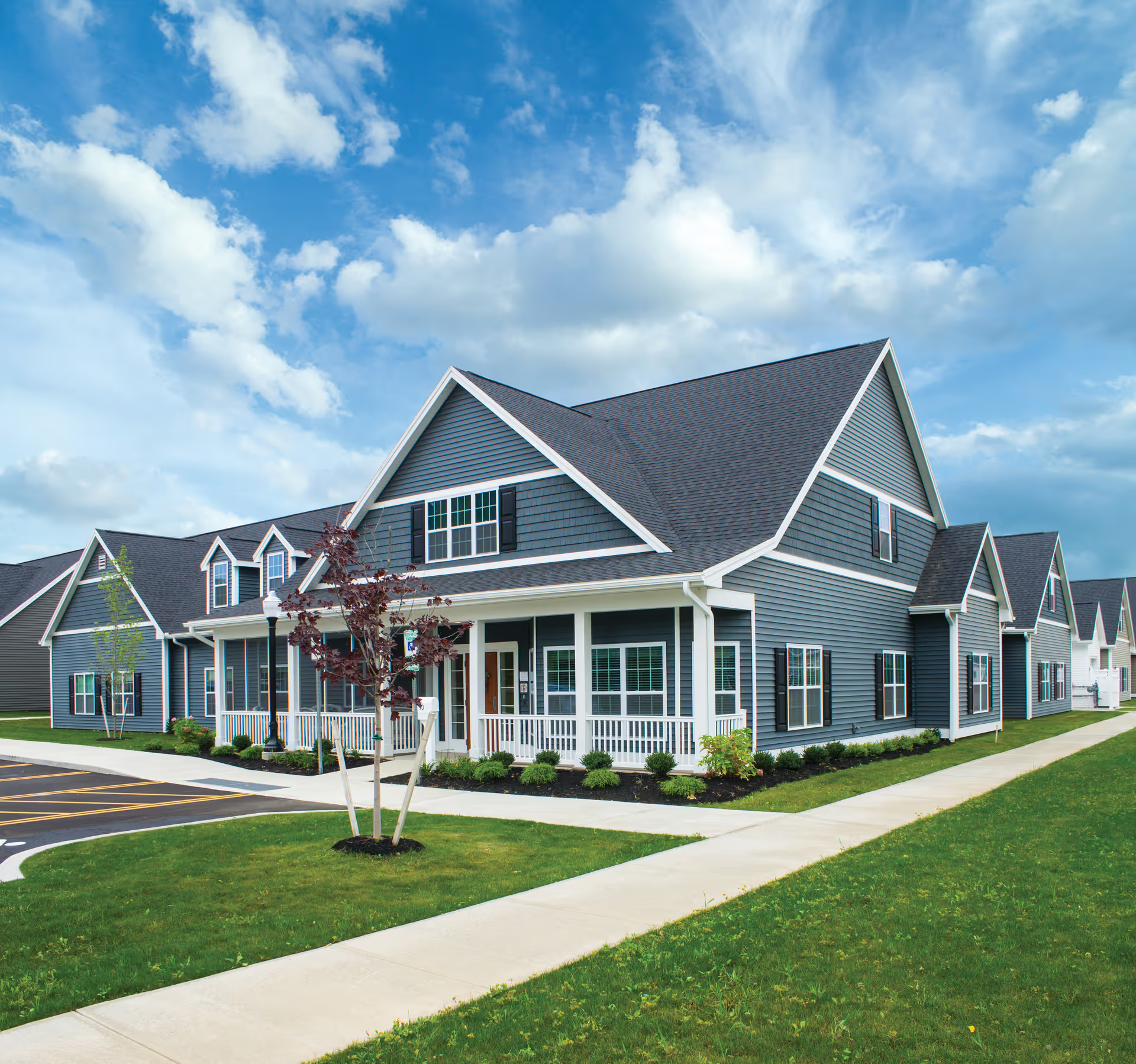
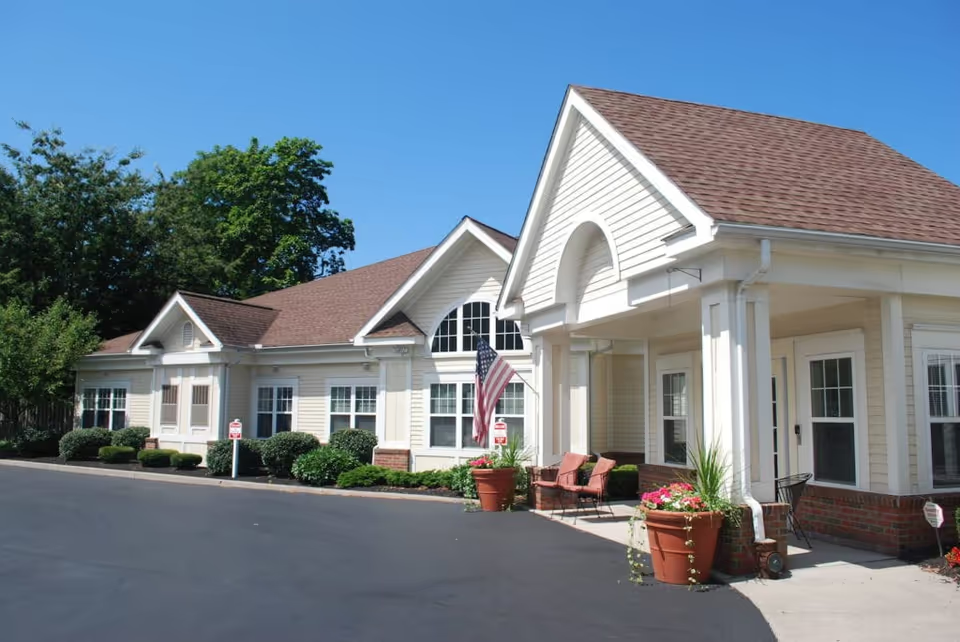
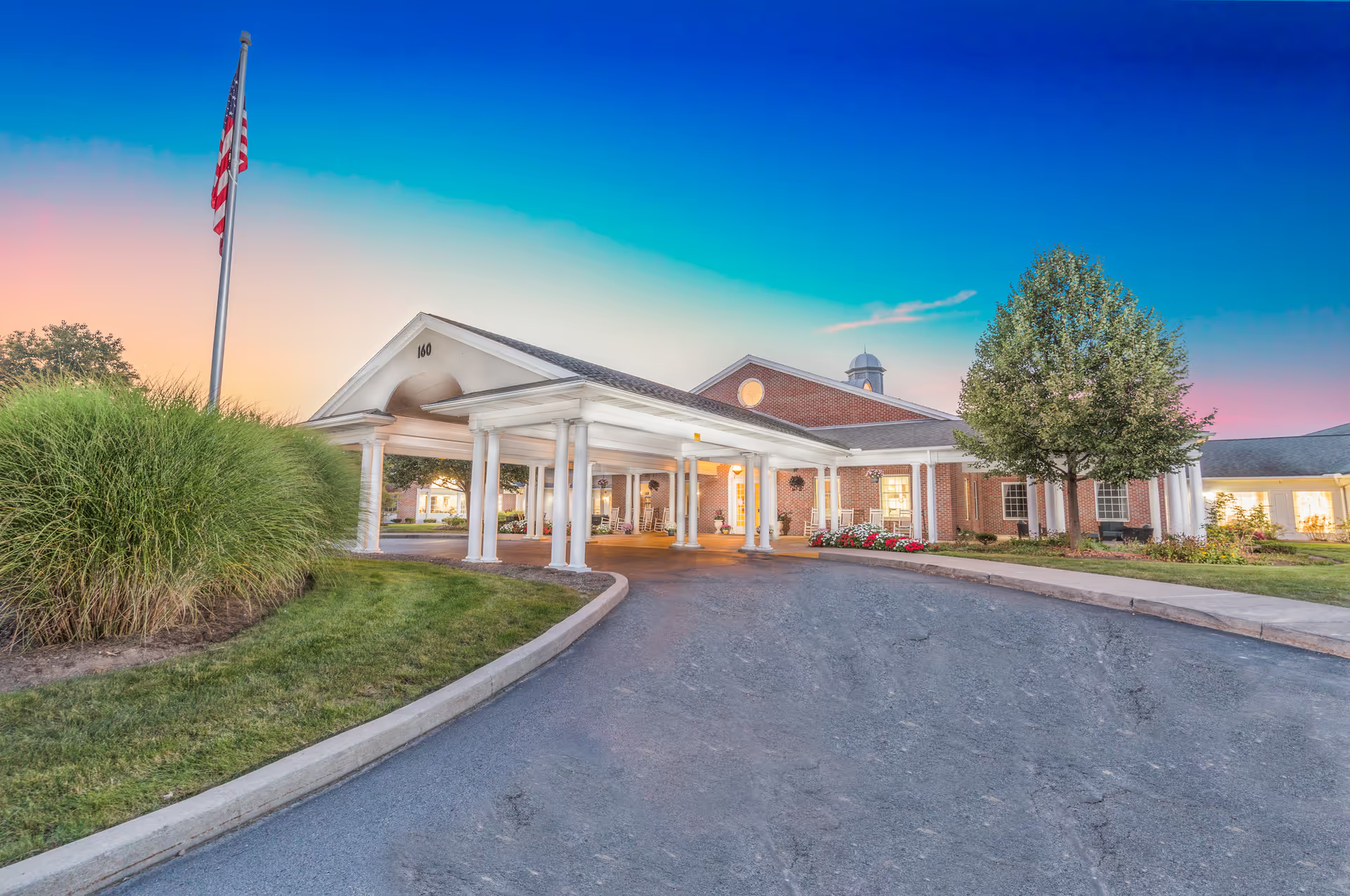
Dining, activities, and facilities: Dining receives generally positive comments for taste and satisfaction. Activities are a clear strength: residents are reported to enjoy daily programming, social meals, and off-site outings that foster socialization and energy. The physical environment is described as comfortable, with private rooms that residents can personalize and relief from household chores (meal preparation, laundry, cleaning) cited as a practical benefit that supports resident well-being.
Notable patterns and guidance for families: Experiences appear polarized by care needs and by the resident’s level of cognitive impairment. Prospective residents who are socially engaged and do not immediately require skilled nursing generally fare well and show gains in quality of life. Families of residents with advanced dementia or requiring higher-acuity nursing should probe memory-care procedures, staffing ratios, dementia training, medication-notification policies, and availability of on-site skilled nursing. During a tour, consider observing meal service and activities, asking for staffing and training information specific to memory care, and requesting written policies on medication administration and family notification.
In summary, Episcopal SeniorLife - Ashley Woods is associated with meaningful quality-of-life benefits for many residents through programming, dining, and a supportive environment. At the same time, there are recurring operational concerns around memory-care supervision, staff consistency, medication transparency, and access to higher-acuity nursing services that warrant careful inquiry by families whose loved ones require those levels of care.